Artwork
Sitari
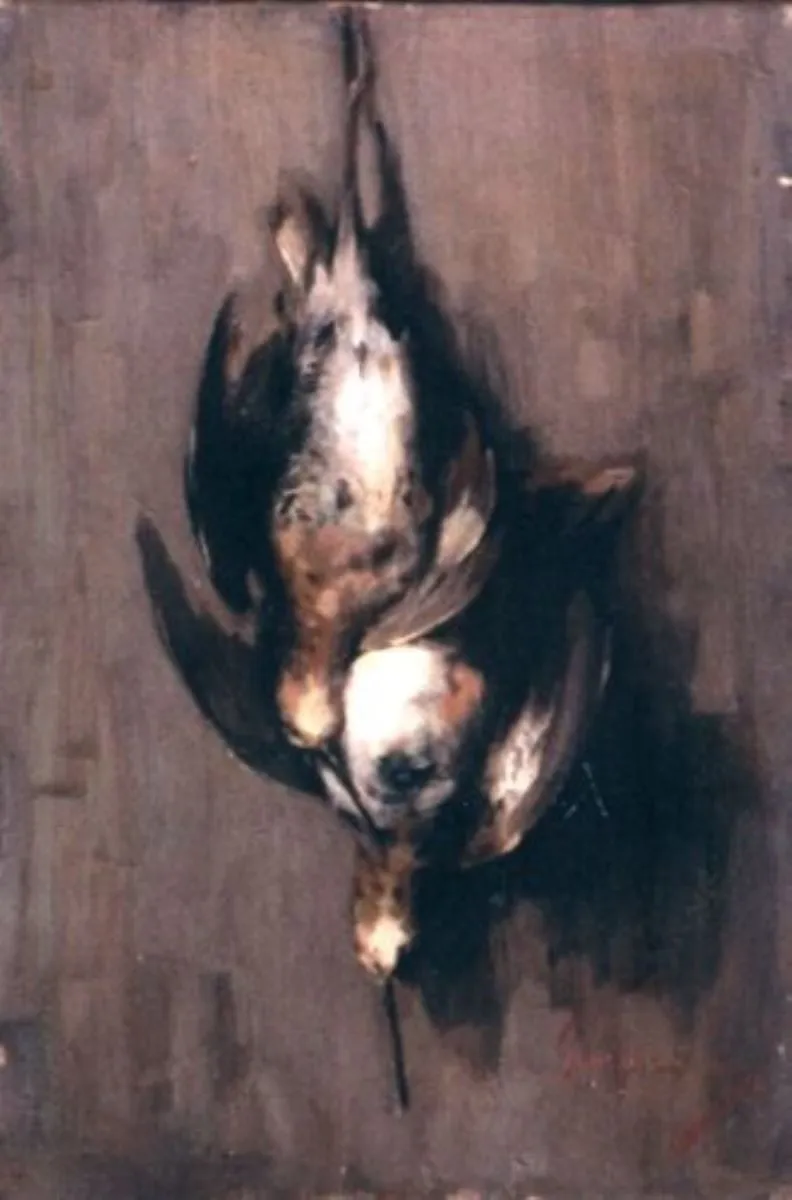
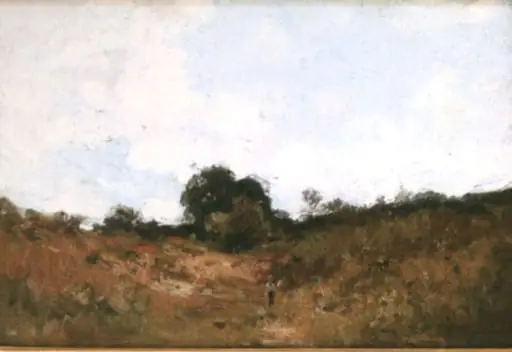
Sitari is an unspecified painting by Nicolae Grigorescu. It is held in the collection of the National Museum of Art of Romania.
About this work
Overview
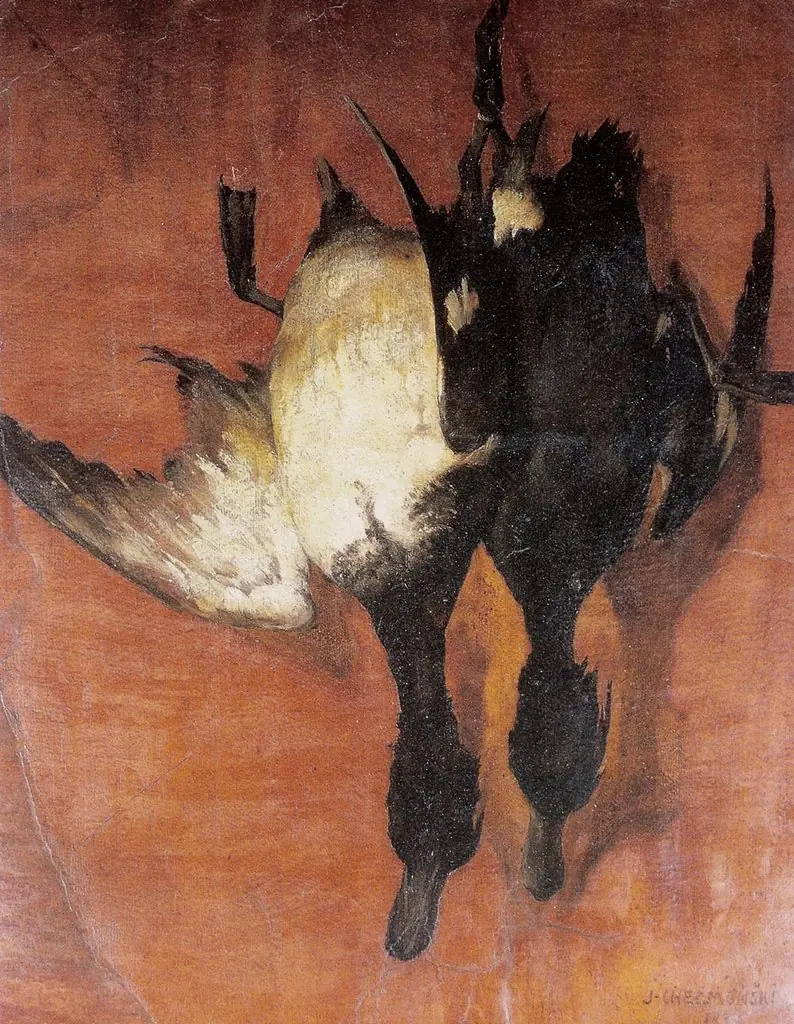
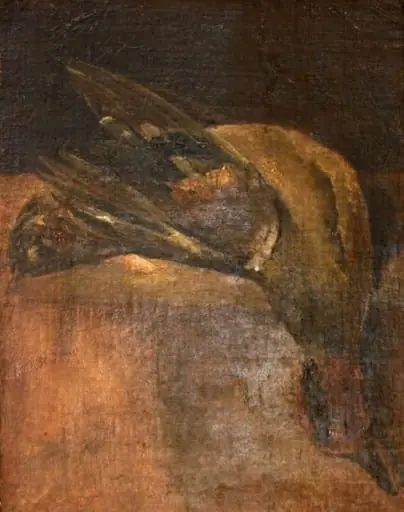
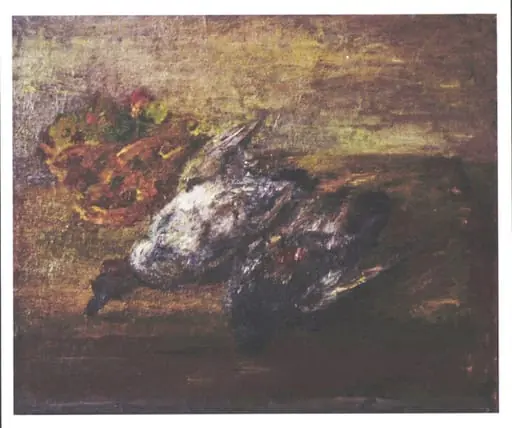
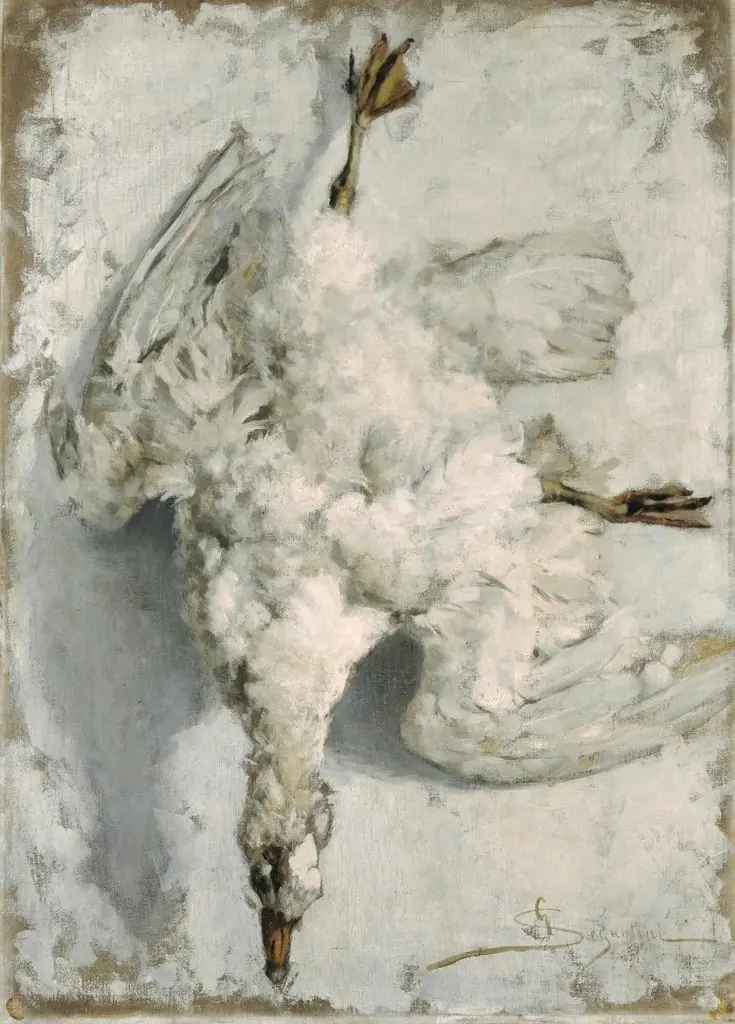
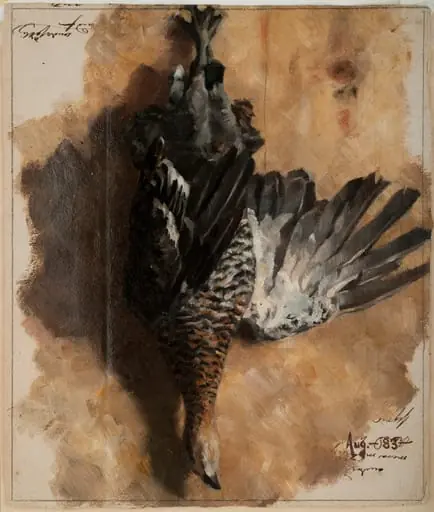
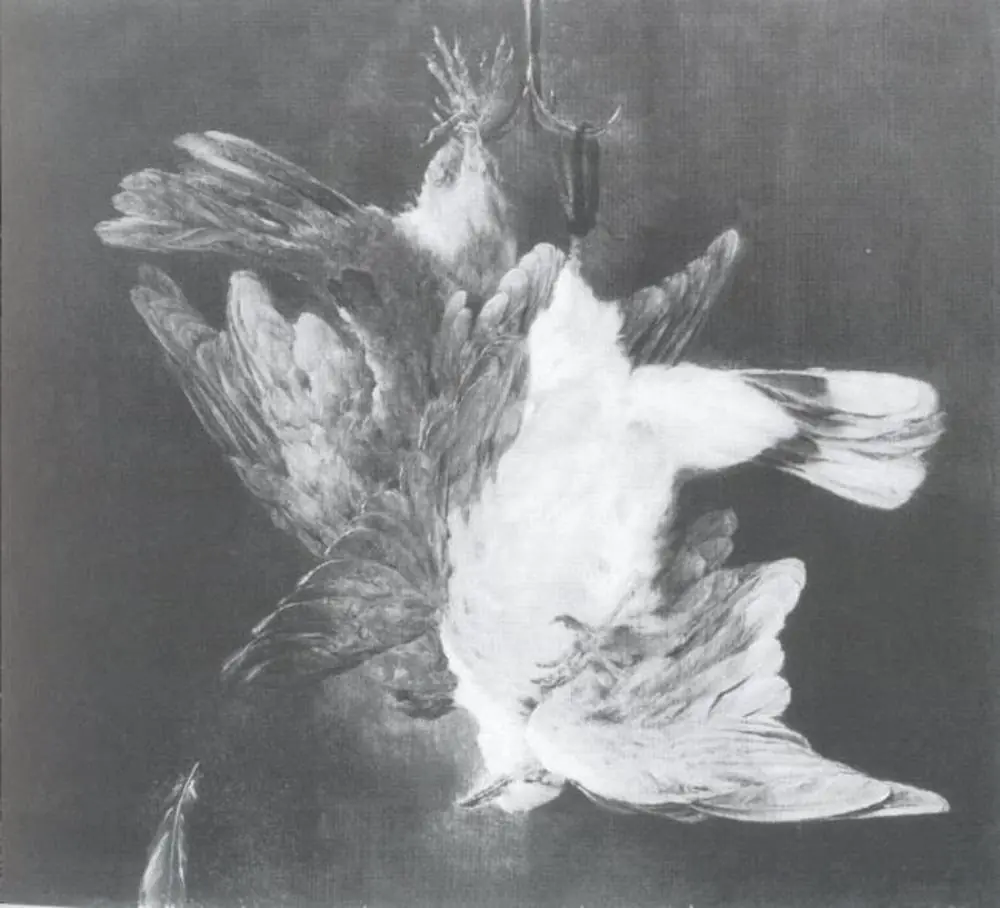
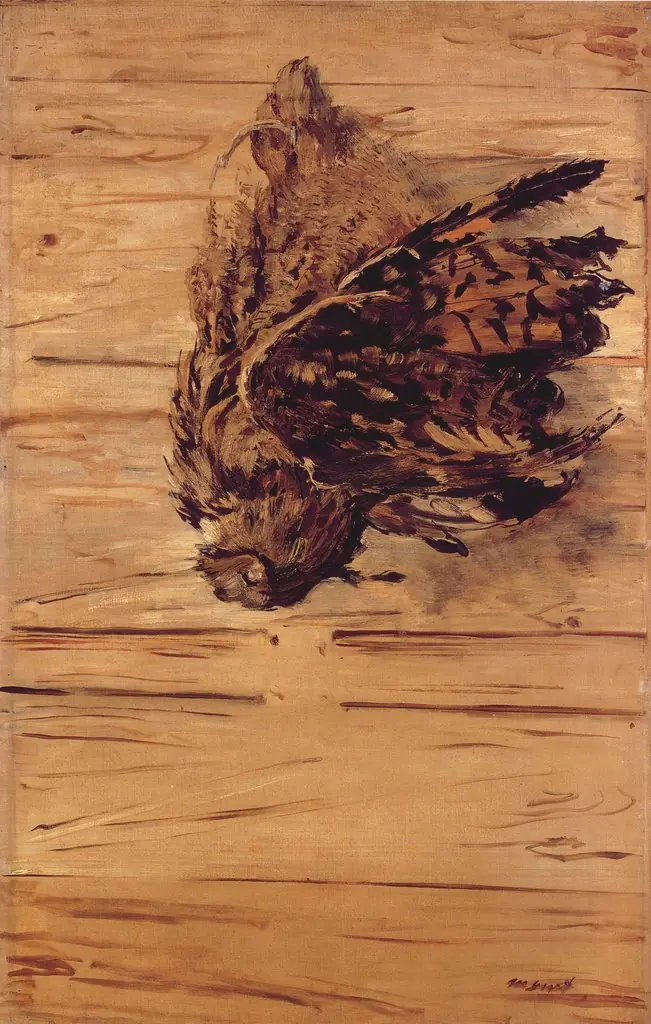
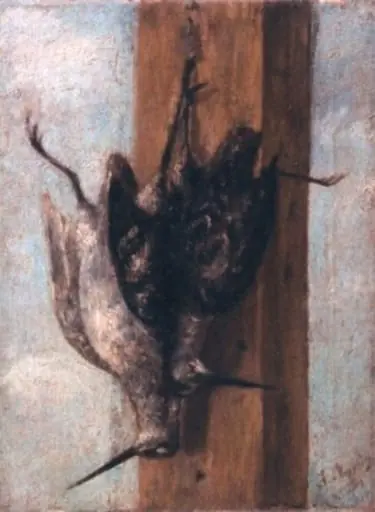
The work titled “Sitari” depicts a deceased deer suspended by its hind legs, its body rendered in a mottled brown‑white palette.
The work titled “Sitari” depicts a deceased deer suspended by its hind legs, its body rendered in a mottled brown‑white palette. The animal’s head droops toward the floor, while a coarse rope binds its legs together. The scene is set against a deep, earthy brown backdrop that suggests an interior space such as a barn or storage area, and the overall illumination is subdued, emphasizing the texture of the fur.
Subject & Meaning
The composition focuses on the stark reality of a hunted animal, presenting death in a direct, unembellished manner. By showing the carcass in a utilitarian setting, the image may allude to themes of rural labor, the cycle of life and death, or the pragmatic treatment of game after the hunt. The absence of decorative elements forces the viewer to confront the physicality of the animal’s form.
Technique & Style
Rendered with a careful handling of light and shadow, the piece employs a limited tonal range that accentuates the roughness of the fur and the texture of the rope. Brushwork appears loose yet controlled, allowing the fur’s patchy appearance to emerge through subtle variations in color. The overall style reflects a realist approach, prioritizing accurate observation over idealization.
History & Provenance
The painting is attributed to the 19th‑century Romanian artist Nicolae Grigorescu, a leading figure in the development of modern Romanian painting. While specific details of its exhibition history are scarce, the work aligns with Grigorescu’s known interest in rural subjects and everyday scenes, which he documented during his travels across the Romanian countryside.
Context
Created during a period when Romanian artists were increasingly turning to native landscapes and folk life for inspiration, the image fits within a broader movement toward national realism. Grigorescu, having studied in Paris, combined academic training with a focus on local subjects, thereby contributing to a visual language that celebrated the country’s agrarian environment.
Legacy
Although not among Grigorescu’s most widely reproduced works, “Sitari” exemplifies his commitment to portraying the unvarnished aspects of rural existence. The painting continues to be referenced in discussions of Romanian realist art for its honest depiction of a hunting aftermath and its technical handling of texture and light.
Artist & collection
Artist
Romanian painter Nicolae Grigorescu made quiet, honest scenes of everyday life and country roads around 1900.