Artwork
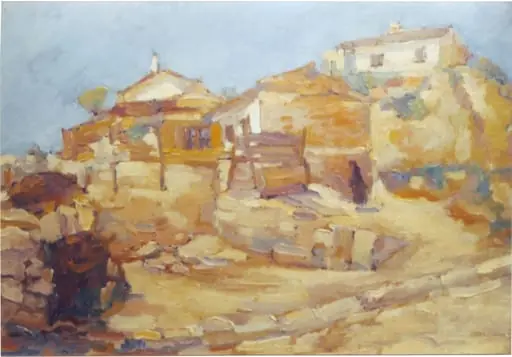
Casă la țară
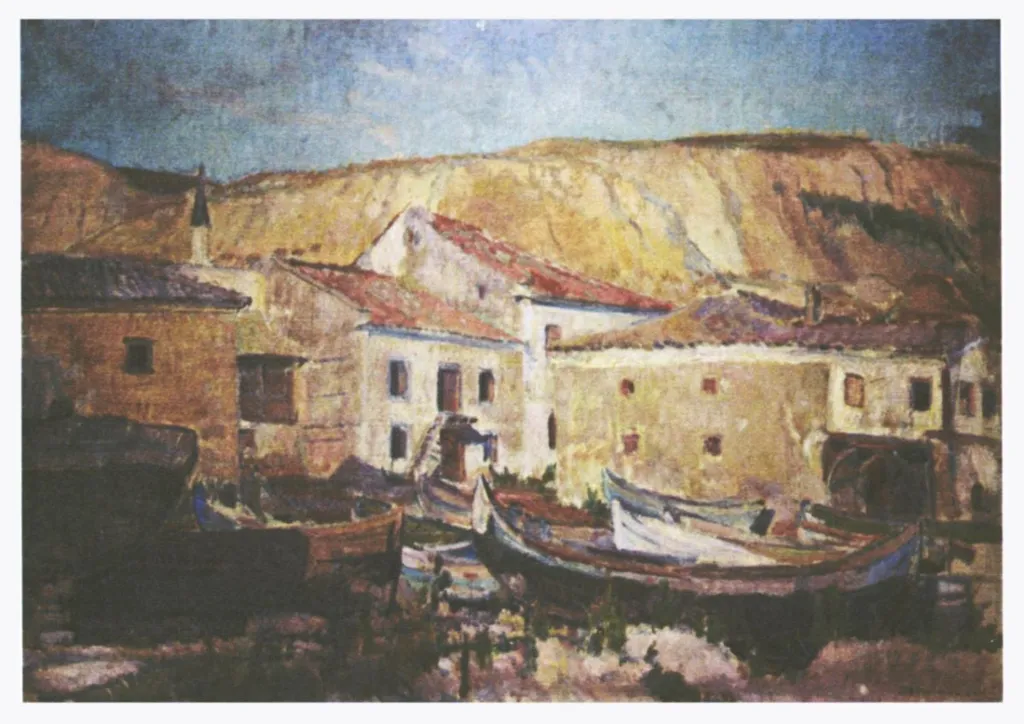
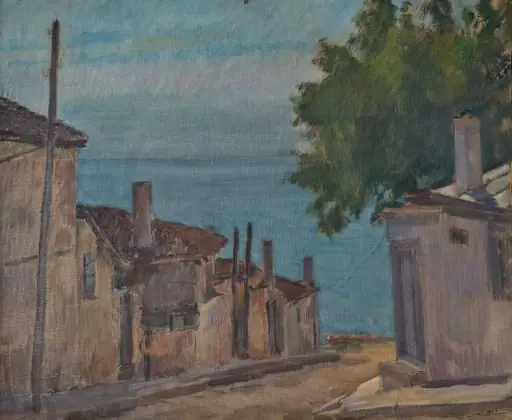
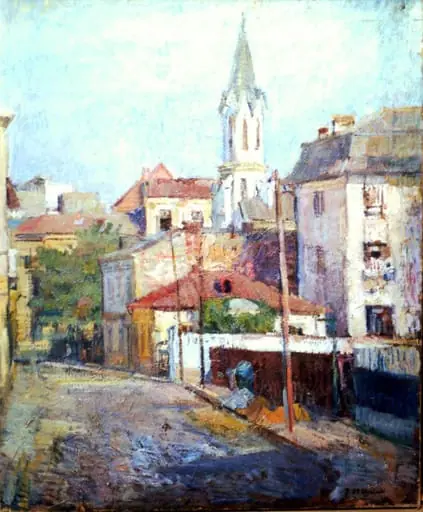
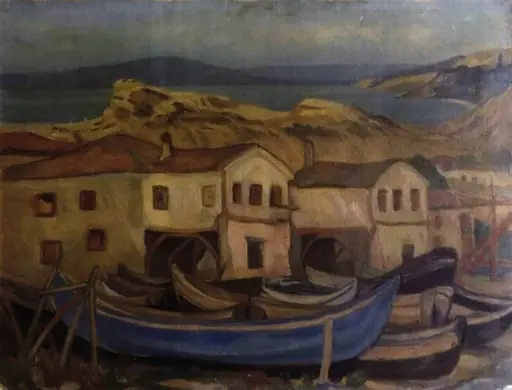
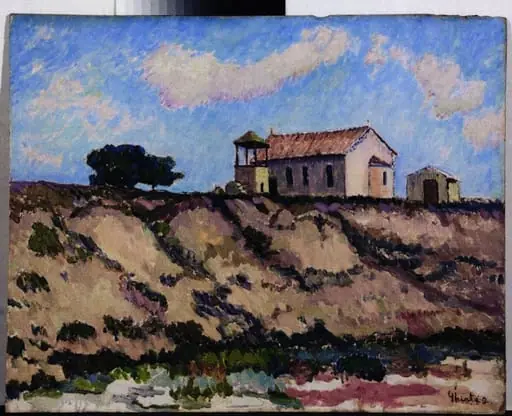
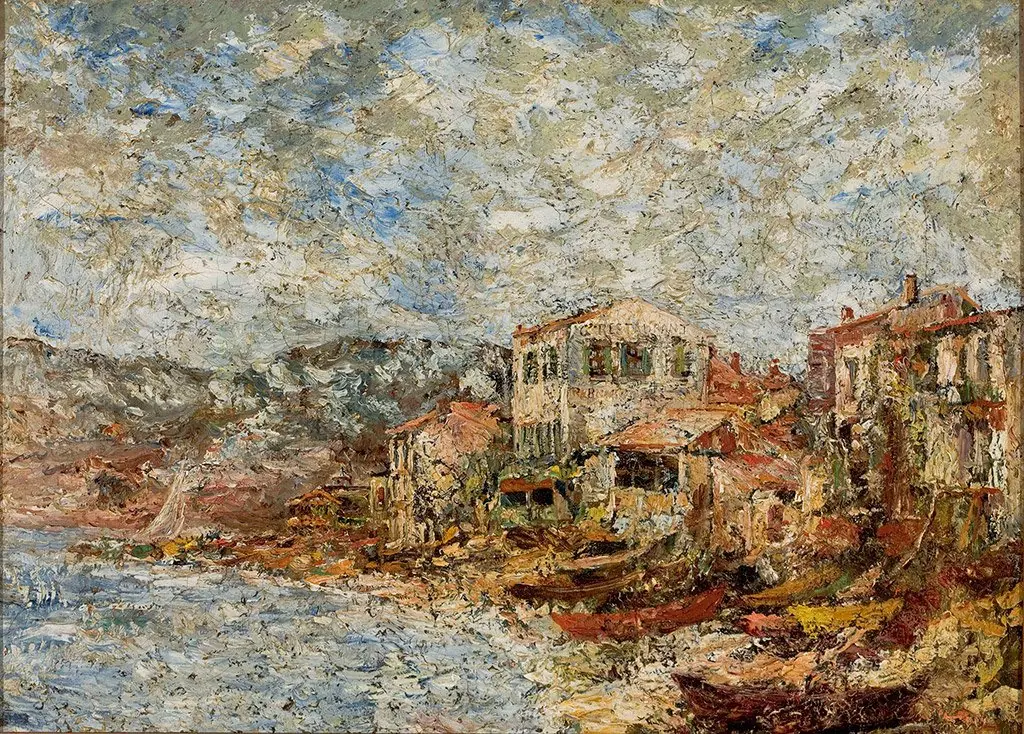
Casă la țară is an unspecified painting by Jean Alexandru Steriadi. It dates from 1924 and is held in the collection of the Visual Art Museum Galați.
About this work
Overview
The work is part of the collection at the Museum of Ethnography, where it is preserved as an example of early 20th-century Romanian regional realism.
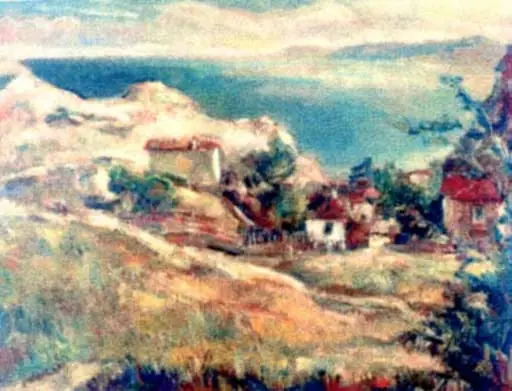
Casă la țară, painted in 1924 by Romanian artist Jean Alexandru Steriadi, is a landscape depiction of a rural dwelling nestled in the countryside. The work is part of the collection at the Museum of Ethnography, where it is preserved as an example of early 20th-century Romanian regional realism. Its quiet composition and restrained palette reflect an interest in everyday rural environments rather than idealized or dramatic scenes.
Subject & Meaning
The painting centers on a modest, single-story house surrounded by sparse vegetation and framed by distant mountains. There is no human presence, emphasizing solitude and the quiet endurance of rural architecture. The absence of narrative or activity invites contemplation of domestic life in harmony with the natural landscape, suggesting a cultural reverence for place and continuity over time.
Technique & Style
Steriadi employs a restrained realism, rendering textures with careful brushwork—rough stone walls, leafy foliage, and atmospheric distance. Color is used to suggest depth: warm earth tones ground the house, while cooler blues and greens recede into the mountainous horizon. Light is handled naturally, without theatrical contrast, supporting a sense of observed truth rather than stylized effect.
History & Provenance
Created in 1924, the painting entered the Museum of Ethnography’s collection shortly after its completion. Its preservation there reflects its value as a document of vernacular architecture and rural life in interwar Romania. No significant changes in ownership or restoration are recorded, and it has remained in institutional custody since its acquisition.
Context
In the 1920s, Romanian artists increasingly turned to local subjects as part of a broader cultural movement to define national identity. Steriadi’s focus on unadorned rural scenes aligned with this trend, contrasting with urban modernism and academic traditions. His work contributed to a visual archive of peasant life, valued for its sincerity rather than its novelty.
Legacy
Casă la țară remains a representative example of Romanian regionalist painting from the interwar period. While not widely exhibited beyond its home institution, it continues to inform scholarly understanding of how artists documented everyday landscapes during a time of national self-definition. Its quiet presence endures as a record of a vanishing rural aesthetic.
Artist & collection
Artist
Romanian painter Jean Alexandru Steriadi left scenes of everyday life and ports in the early 1900s.