Artwork
Portret de evreu
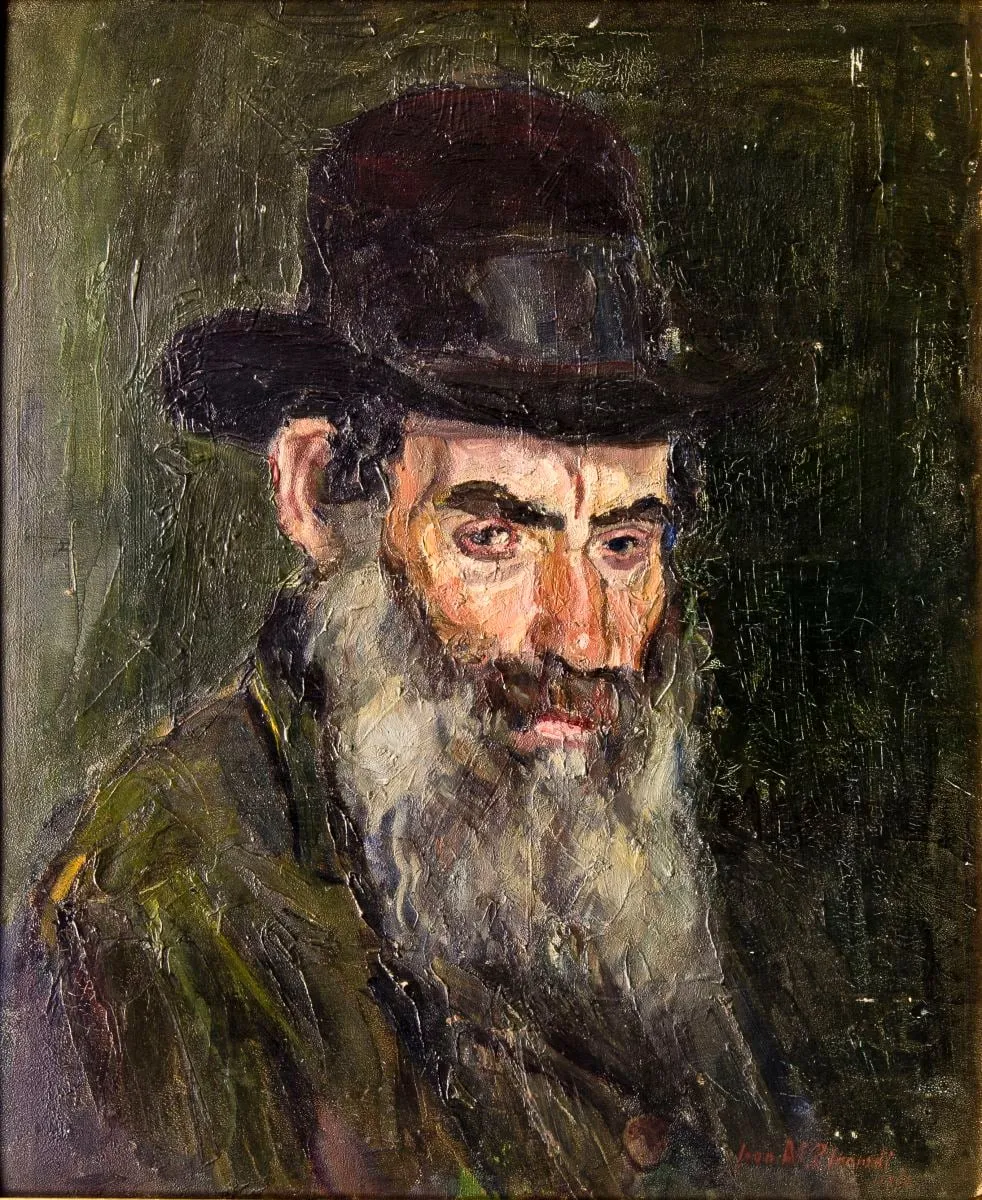
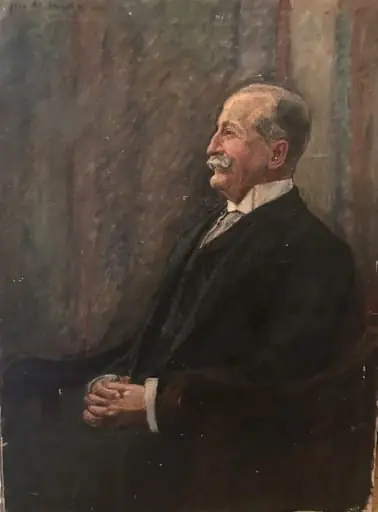
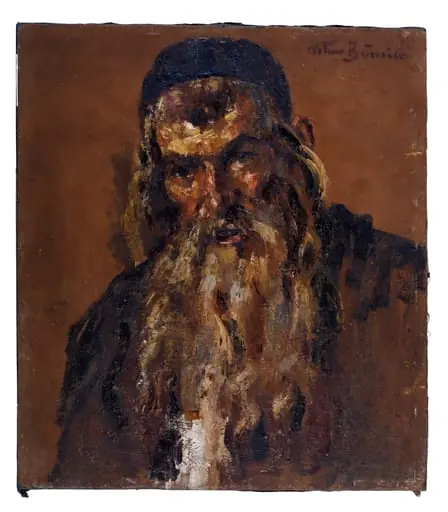
Portret de evreu is an unspecified painting by Jean Alexandru Steriadi. It dates from 1916 and is held in the collection of the National Museum of Art of Romania.
About this work
Overview
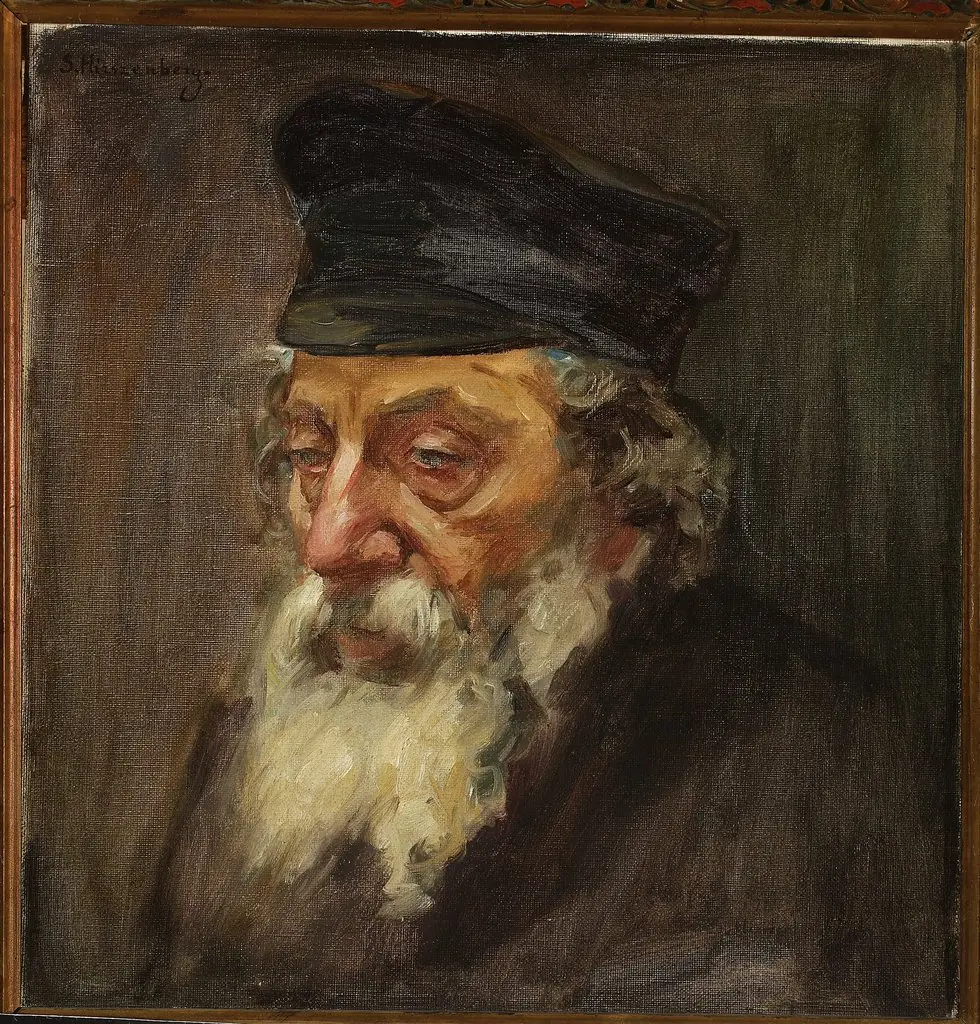
Painted in 1916 by Romanian artist Jean Alexandru Steriadi, this portrait depicts an elderly man with a long white beard and a dark, low-brimmed hat.
Painted in 1916 by Romanian artist Jean Alexandru Steriadi, this portrait depicts an elderly man with a long white beard and a dark, low-brimmed hat. Executed with vigorous brushwork and thick layers of paint, the work conveys a sense of immediacy and emotional intensity. The subject’s face dominates the composition, set against a dark, undefined background that enhances its presence without distracting from the texture of the paint.
Subject & Meaning
The man portrayed bears the physical marks of age and hardship—deeply lined skin, a solemn gaze, and a posture that suggests weariness or contemplation. His identity remains unnamed, but the portrait evokes a sense of dignity amid hardship. Steriadi does not idealize; instead, he presents a figure shaped by time and labor, inviting quiet reflection rather than narrative explanation.
Technique & Style
Steriadi employs impasto to build texture, particularly in the beard and hat, where paint is applied thickly and unevenly. The brushstrokes are deliberate yet unrefined, rejecting smooth modeling in favor of expressive gesture. The dark background is not blended but scraped and layered, reinforcing the rawness of the surface. This technique prioritizes emotional resonance over anatomical precision.
History & Provenance
Created during World War I, the painting reflects the broader cultural climate in Romania, where artists increasingly turned to intimate, psychologically charged subjects. Its early 20th-century origins place it within a period of national artistic awakening. The work’s provenance is not widely documented, but it remains part of Romanian modernist collections, preserved as an example of Steriadi’s distinctive approach to portraiture.
Context
In early 20th-century Romania, portraiture was shifting from academic conventions toward more personal, expressive forms. Steriadi’s work aligns with this trend, echoing the raw energy of Northern European expressionism while retaining a local sensibility. The absence of contextual details—setting, clothing, or props—focuses attention on the individual’s inner state, a hallmark of modernist portraiture.
Legacy
Though not widely exhibited internationally, the portrait is recognized in Romanian art history as a significant example of early modernist portraiture. Its emphasis on texture and emotional depth influenced later generations of Romanian painters seeking to move beyond realism. The work endures as a quiet, unadorned testament to the human condition rendered through paint’s physicality.
Artist & collection
Artist
Romanian painter Jean Alexandru Steriadi left scenes of everyday life and ports in the early 1900s.