Artwork
Compoziție II
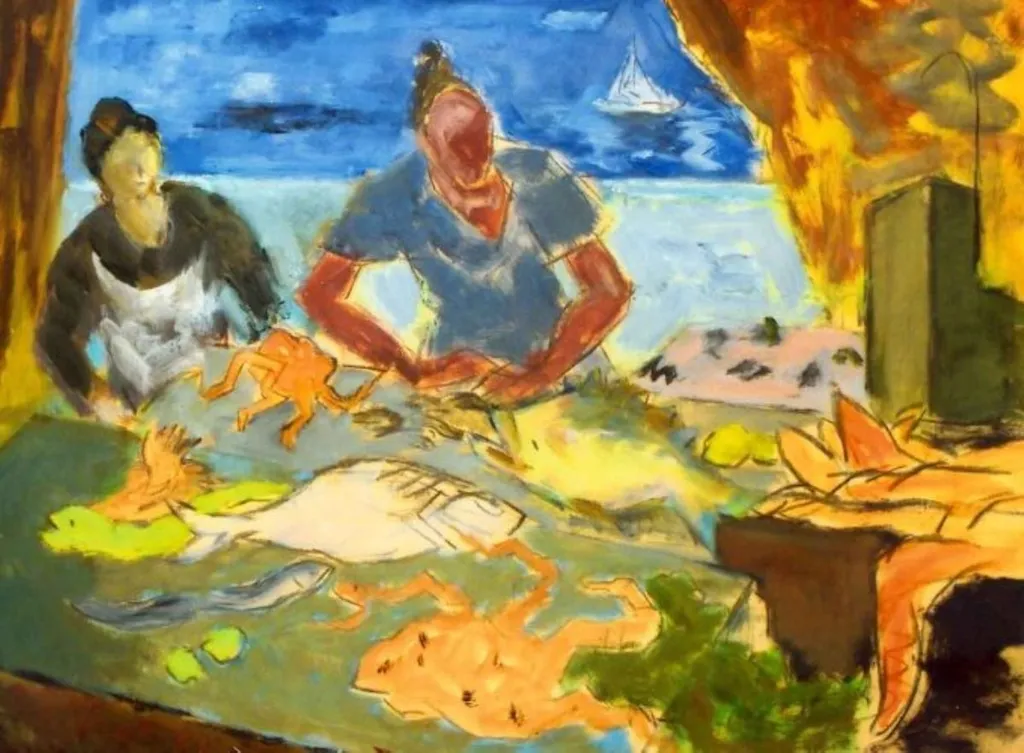
Compoziție II is an unspecified painting by Henri Catargi. It dates from 1949 and is held in the collection of the Argeș County Museum.
About this work
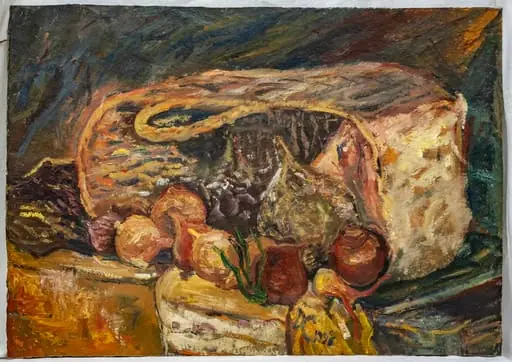
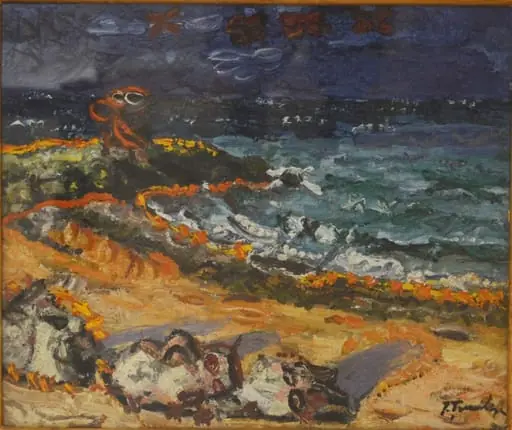
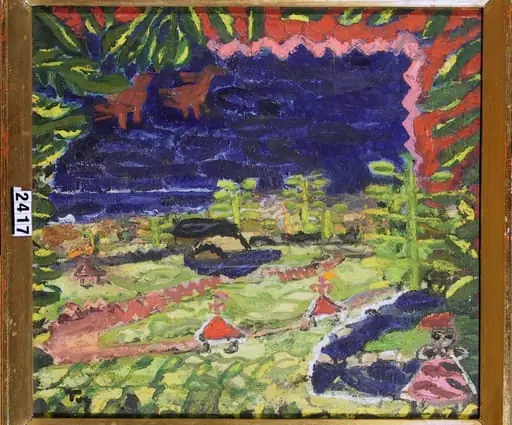
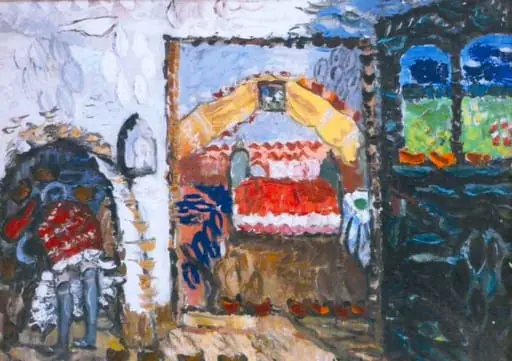
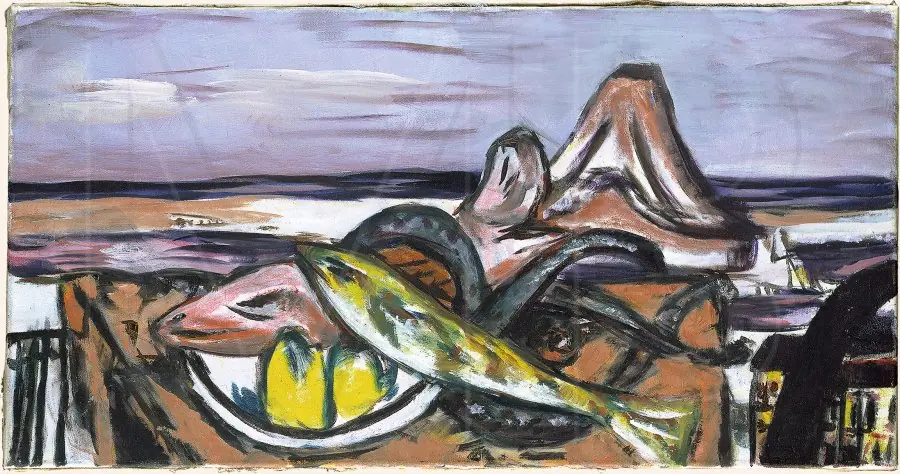
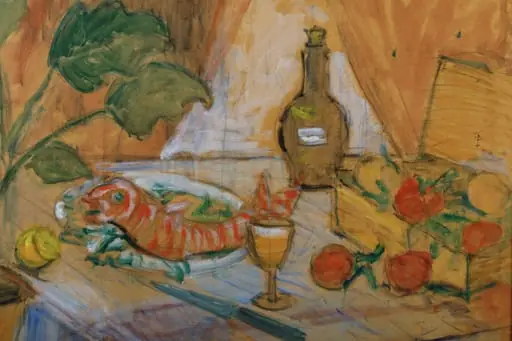
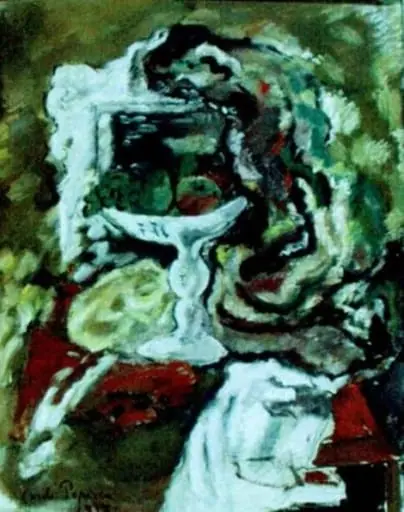
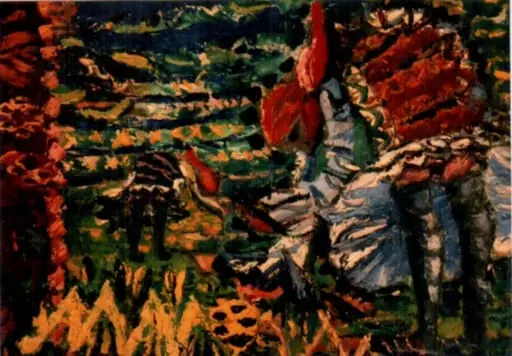
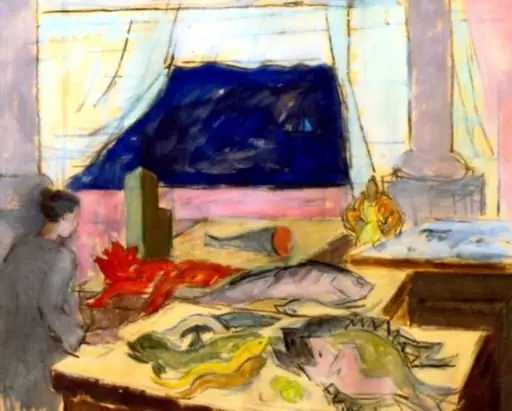
This painting depicts a scene of two people, possibly a man and a woman, standing in front of a table with various objects on it.
This painting depicts a scene of two people, possibly a man and a woman, standing in front of a table with various objects on it. The background features a blue sky with a sailboat in the distance.
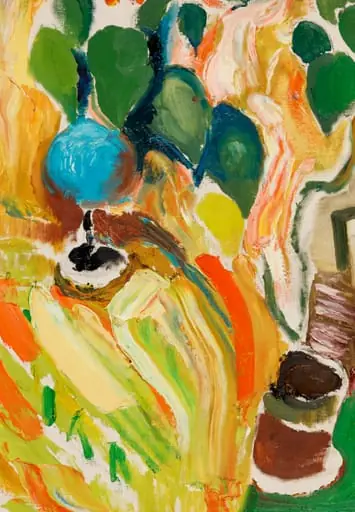
The artist's use of color and composition creates a sense of depth and movement in the painting. The brushstrokes are bold and expressive, adding to the overall energy of the piece.
The painting's style and technique are reminiscent of other works from the early 20th century. To learn more about the artist's style and technique, look up the artist Henri Catargi.
Overview
Compoziție II, dated around 1949, is a painting by Romanian artist Henri Catargi. It presents a quiet domestic scene with two figures near a table, set against a backdrop of sky and a distant sailboat. The work reflects Catargi’s engagement with modernist tendencies in postwar Romanian art, blending observed reality with expressive abstraction. Its composition balances stillness and motion through color and gesture.
Subject & Meaning
The painting centers on two individuals positioned before a table laden with objects, their identities left ambiguous. The inclusion of a sailboat on the horizon introduces a subtle contrast between interior stillness and external movement. While not narrative-driven, the scene evokes contemplation—perhaps of solitude, connection, or the passage of time—without prescribing a single interpretation.
Technique & Style
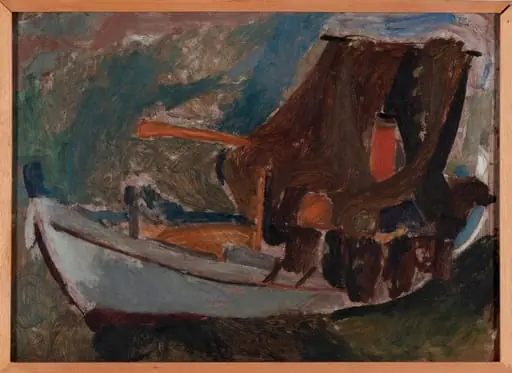
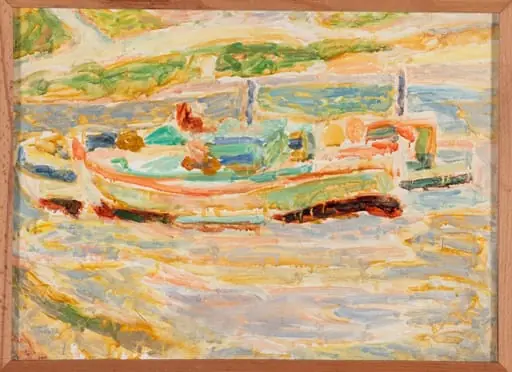
Catargi employs bold, visible brushwork and a restrained palette to structure the composition. Colors are applied with deliberate energy, creating texture and spatial depth without strict realism. The sky’s blue wash and the sailboat’s simplified form suggest influence from early 20th-century modernism, particularly Fauvist and Expressionist approaches to color and form.
History & Provenance
Created in the late 1940s, Compoziție II emerged during a period of cultural redefinition in Romania under early communist rule. Catargi, who had studied in Paris, maintained a personal artistic language despite increasing pressure toward socialist realism. The painting’s survival and recognition reflect its status as a private, non-conformist work within a constrained artistic climate.
Context
In postwar Romania, artists navigated state-imposed aesthetic norms while preserving individual expression. Catargi’s work, including Compoziție II, diverged from official realism by embracing emotional tone and formal experimentation. His approach aligned more closely with European modernist currents than with state-sanctioned themes, placing him in a quiet but significant counter-current of Romanian art.
Legacy
Though not widely exhibited during his lifetime, Catargi’s work, including Compoziție II, has gained retrospective attention for its quiet resistance to ideological conformity. The painting is now regarded as an example of Romanian modernism’s nuanced development—valued for its introspective tone and formal integrity rather than political messaging.
Artist & collection
Artist
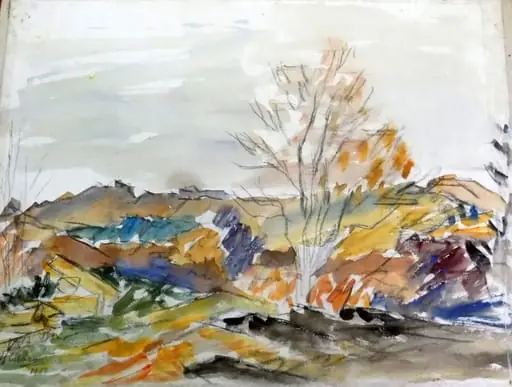
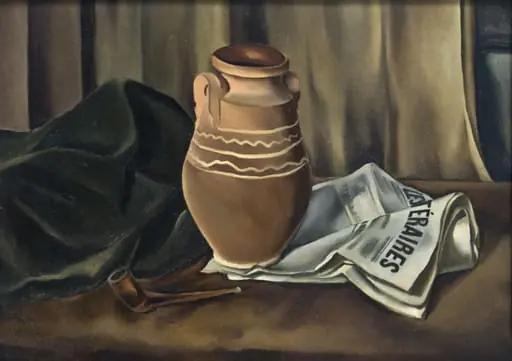
Henri Catargi painted landscapes and still lifes in an unlabelled style. His 1967 work Peisaj shows soft, sunlit hills rolling under wide skies, while Natură moartă from 1925 arranges everyday objects in muted tones.…