Artwork
Peisaj
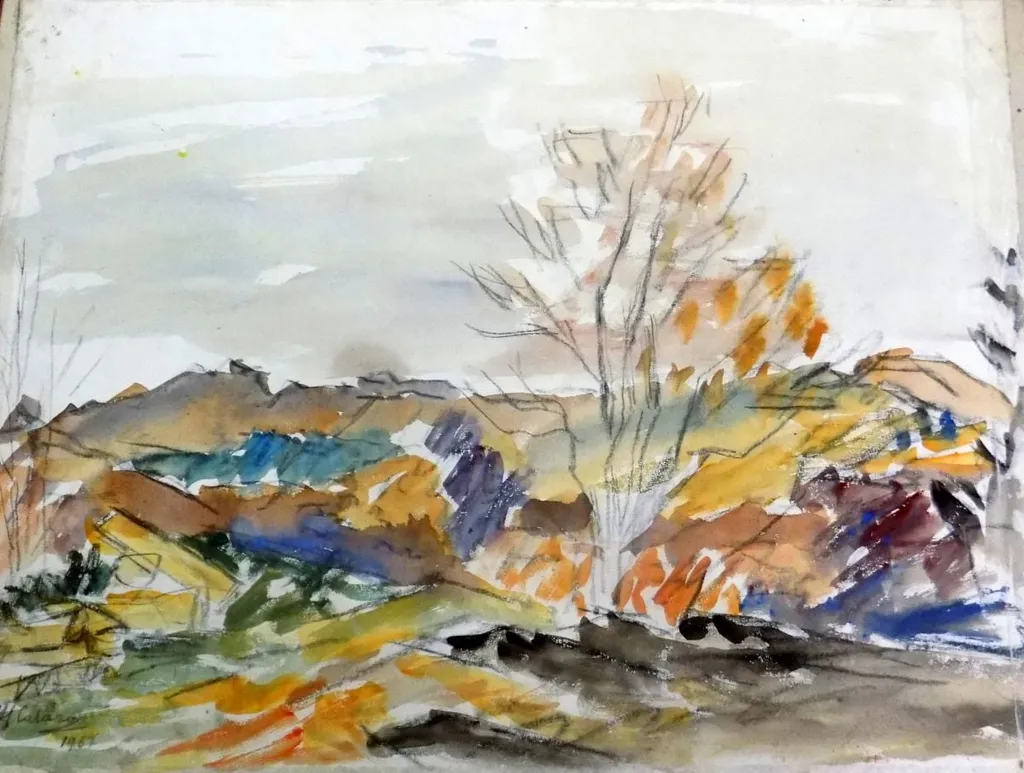
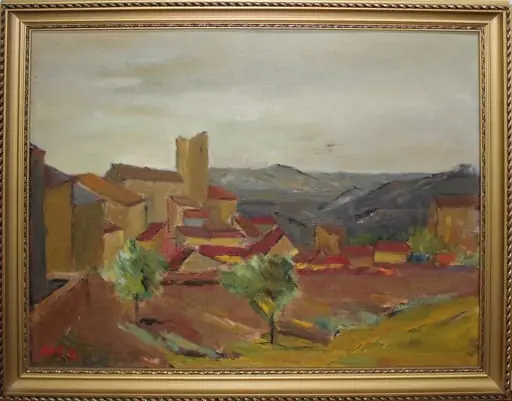
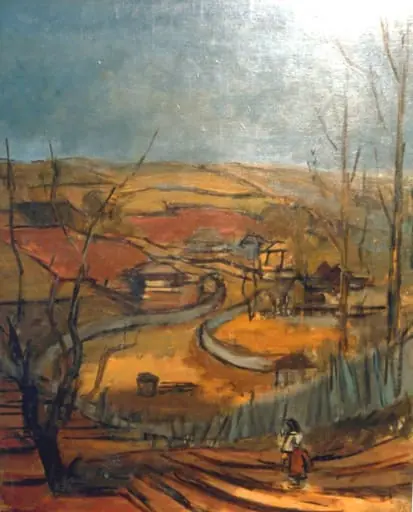
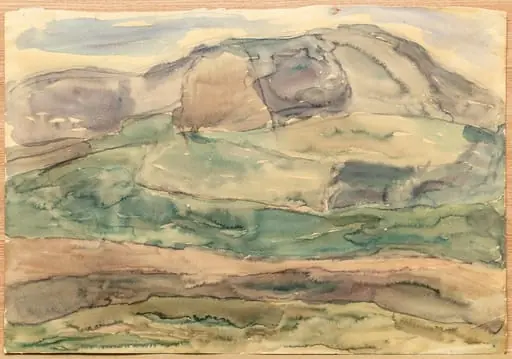
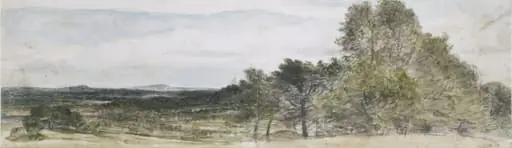
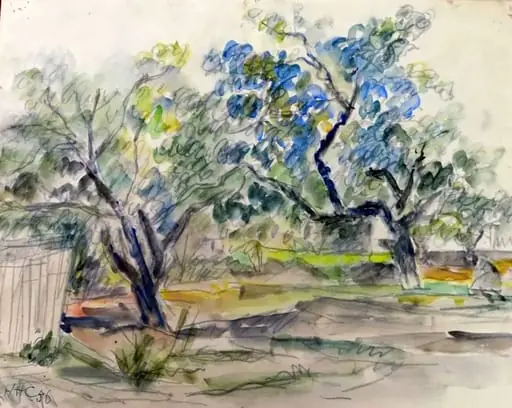
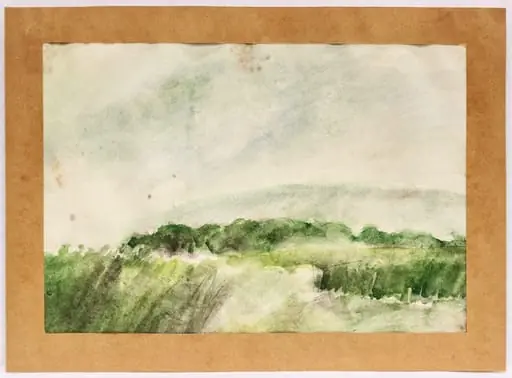
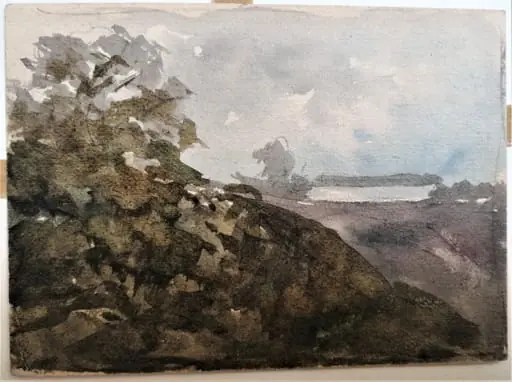
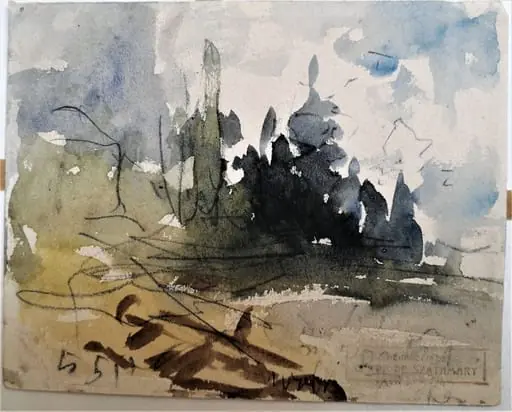
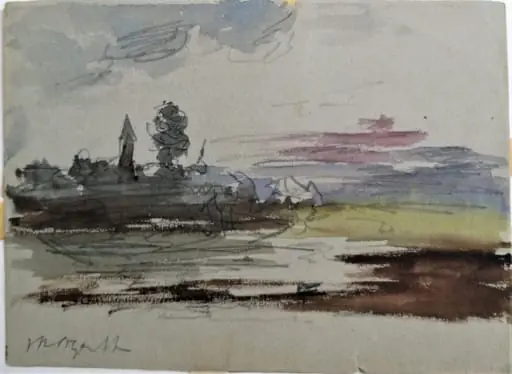
Peisaj is an unspecified painting by Henri Catargi. It dates from 1967 and is held in the collection of the Bucharest Municipality Museum.
About this work
Overview
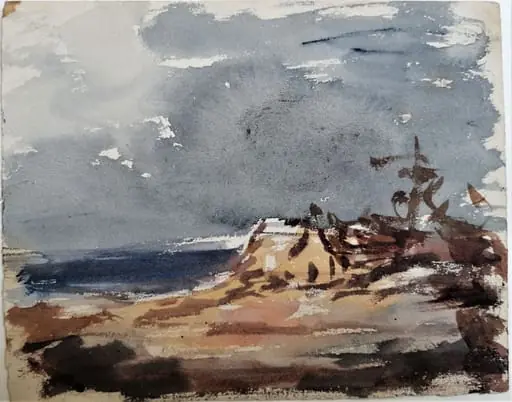
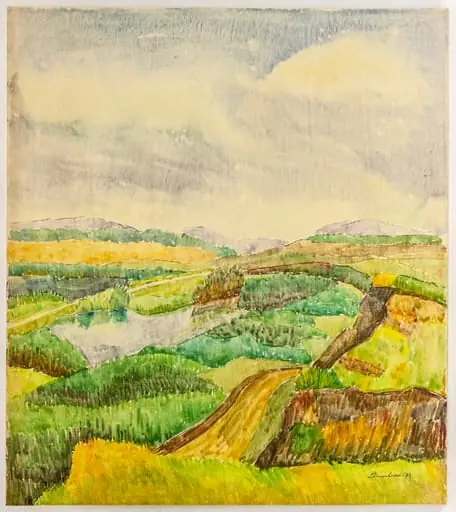
A solitary, leaf‑less tree rises on the right against a muted, cloud‑filled sky, giving the composition a stark, open character.
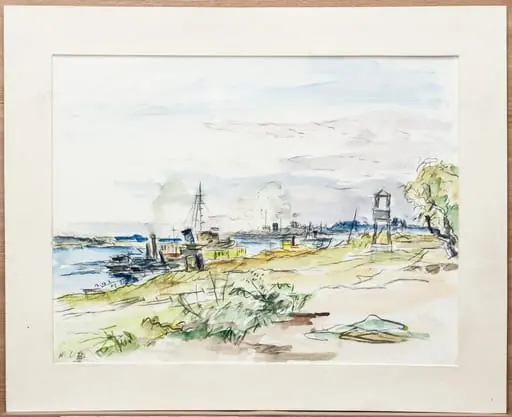
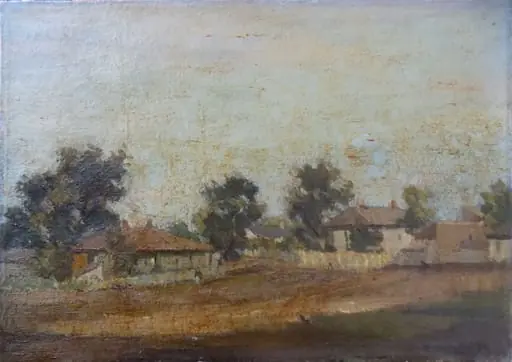
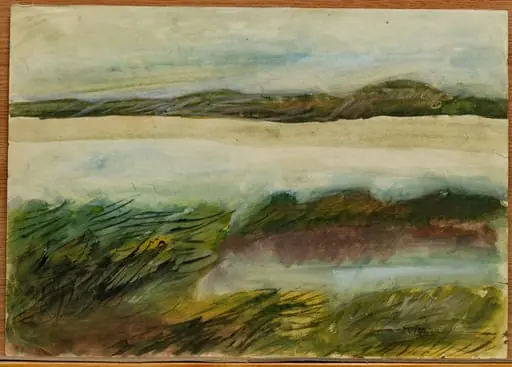
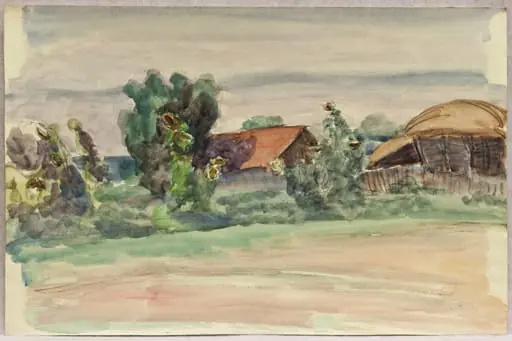
Henri Catargi’s 1967 painting titled *Peisaj* is part of the collection at the Museum of Ethnography. The work presents an untamed terrain rendered with vigorous brushwork, dominated by earthy tones of yellow, brown and green, punctuated by occasional blue and purple accents. A solitary, leaf‑less tree rises on the right against a muted, cloud‑filled sky, giving the composition a stark, open character.
Subject & Meaning
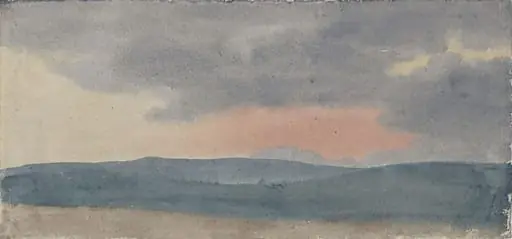
The canvas depicts a rugged, uninhabited landscape that suggests a fleeting observation of nature rather than a specific locale. The stark tree, isolated amid the uneven ground, may be read as a symbol of resilience or solitude, while the hazy sky imparts a sense of atmospheric ambiguity, inviting viewers to contemplate the transitory qualities of light and weather.
Technique & Style
Catargi employed a rapid, gestural approach, applying paint in thick, textured layers that create a palpable surface relief. The impasto technique accentuates the physicality of the brushstrokes, allowing the pigments to stand out from the canvas. This method, combined with a loose, almost improvisational handling of color, produces a raw, unfinished aesthetic that conveys immediacy.
History & Provenance
Created in 1967, *Peisaj* entered the Museum of Ethnography’s holdings at an unspecified date, becoming part of its mid‑20th‑century European art collection. The work reflects Catargi’s later period, during which he explored more expressive, landscape‑oriented subjects, aligning with broader trends in post‑war abstraction.
Artist & collection
Artist
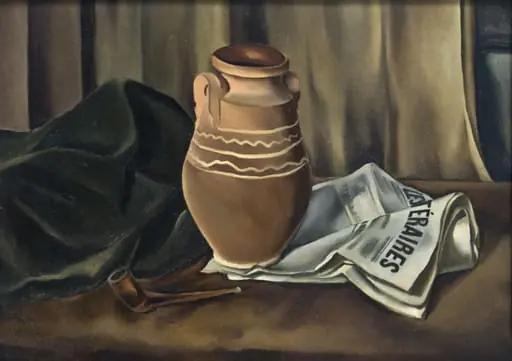
Henri Catargi painted landscapes and still lifes in an unlabelled style. His 1967 work Peisaj shows soft, sunlit hills rolling under wide skies, while Natură moartă from 1925 arranges everyday objects in muted tones.…