Artwork
Portret de femeie
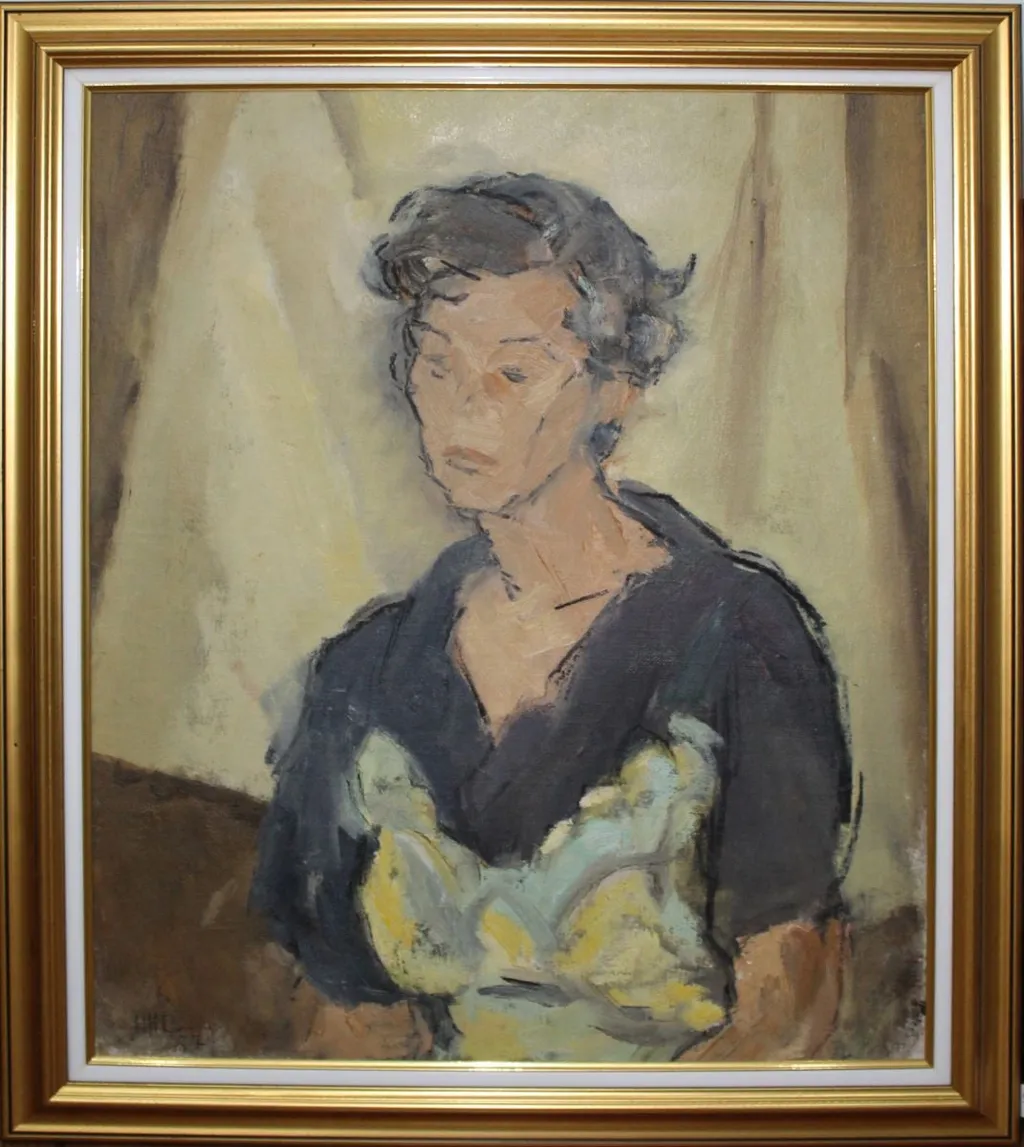
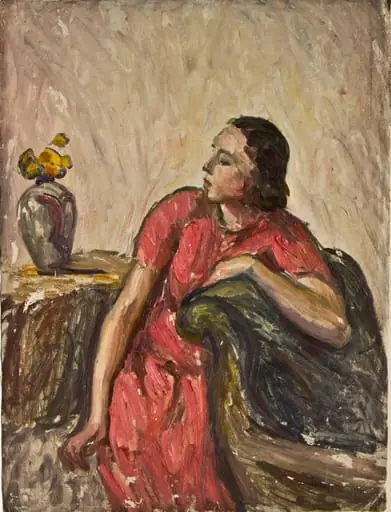
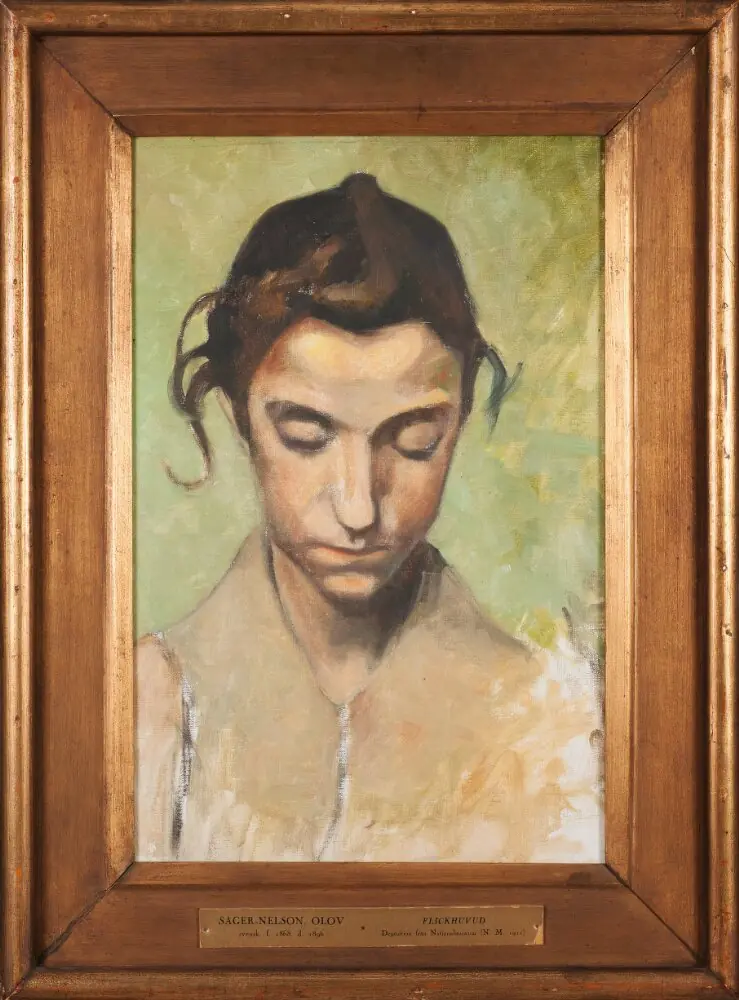
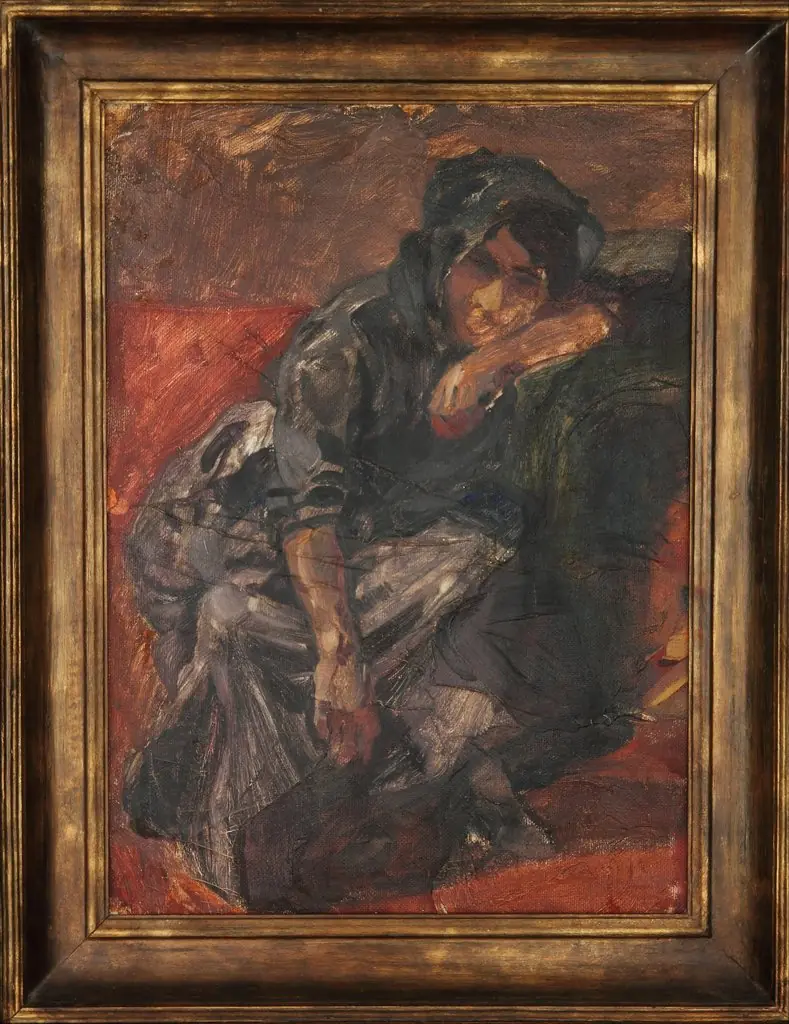
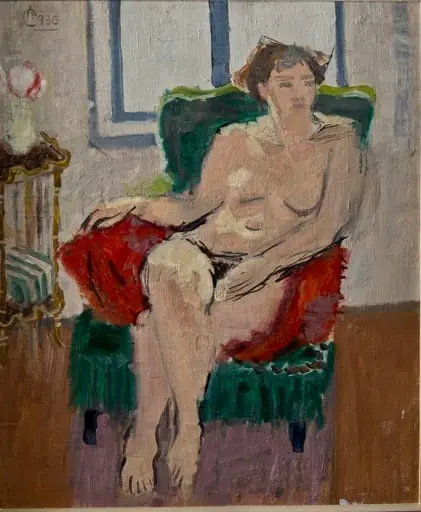
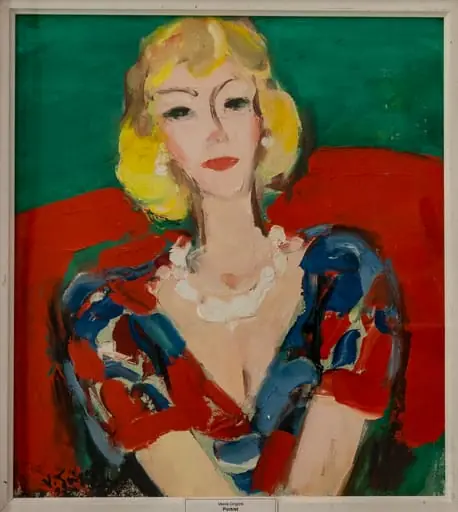
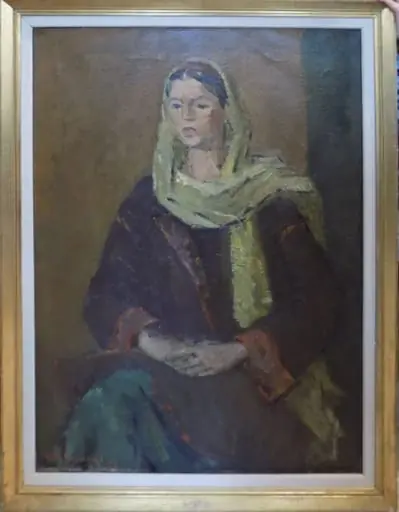
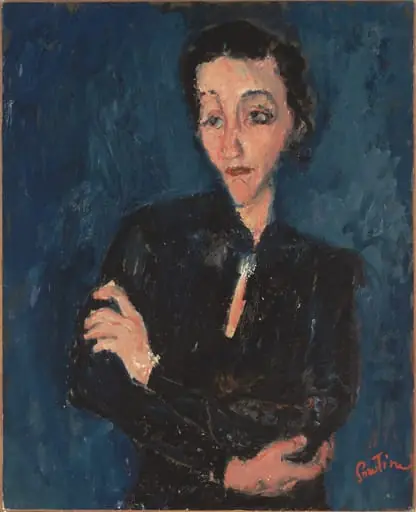
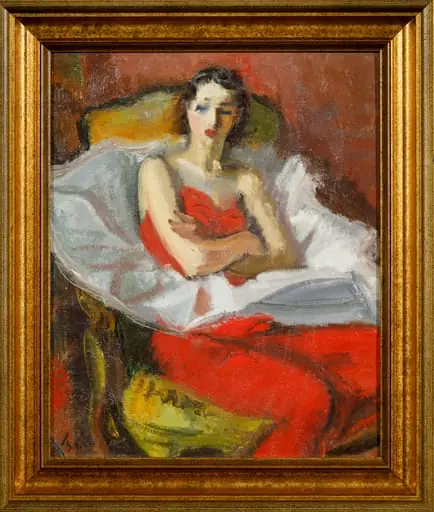
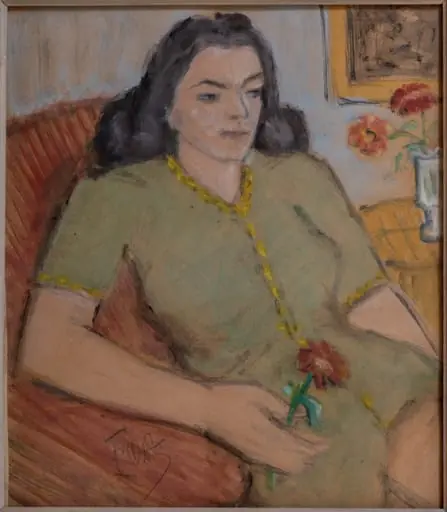
Portret de femeie is an unspecified painting by Henri Catargi. It is held in the collection of the Visual Art Museum Galați. This portrait depicts a woman in a restrained, introspective pose, rendered with a muted palette and soft tonal transitions.
About this work
Overview
The composition emphasizes stillness, with the subject’s downward gaze and minimal background creating a sense of inward focus.
This portrait depicts a woman in a restrained, introspective pose, rendered with a muted palette and soft tonal transitions. The composition emphasizes stillness, with the subject’s downward gaze and minimal background creating a sense of inward focus. The work belongs to the tradition of intimate, non-narrative portraiture, where emotional tone is conveyed through posture and lighting rather than gesture or setting.
Subject & Meaning
The woman’s expression and posture suggest contemplation, though no specific identity or narrative is provided. Her attire—a dark garment with a faint floral motif—hints at modest elegance, while the updo reflects early 20th-century feminine styling. The absence of external context invites viewers to interpret her state as private, perhaps reflective or weary, aligning the image with psychological rather than social portraiture.
Technique & Style
The artist employs subtle gradations of beige and gray to model form, avoiding sharp contrasts. The floral pattern on the dress is rendered with delicate brushwork, suggesting texture without detail. The background is softly blurred, enhancing the figure’s presence while minimizing distraction. Brushstrokes are controlled and quiet, supporting the painting’s subdued emotional tone.
History & Provenance
The painting is attributed to Henri Catargi, a Romanian artist active in the early to mid-20th century. While specific details of its creation or early ownership are not widely documented, it aligns with Catargi’s known interest in domestic and introspective subjects. The work likely originated in Romania, where he maintained a studio and exhibited regularly during his career.
Context
Created during a period when Romanian art was navigating between academic traditions and modernist experimentation, this portrait reflects a quiet resistance to dramatic expressionism. Catargi’s focus on individual stillness mirrors broader cultural tendencies toward introspection in interwar Eastern Europe, where personal dignity was often conveyed through restraint rather than spectacle.
Legacy
Though not widely reproduced, the painting contributes to an understated strand of Romanian portraiture that values emotional nuance over grandeur. Catargi’s approach influenced later artists seeking to capture psychological depth through simplicity. The work remains a quiet example of how everyday presence can be rendered with dignity through tonal harmony and composed silence.
Artist & collection
Artist
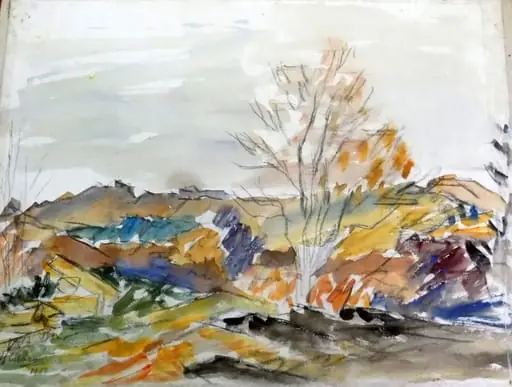
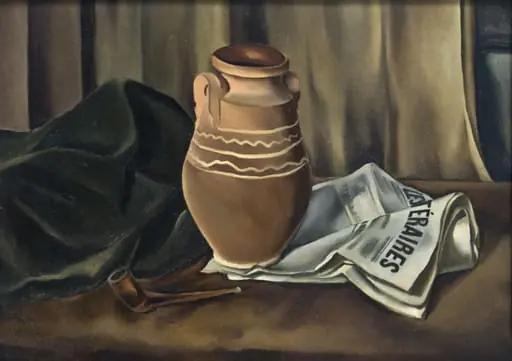
Henri Catargi painted landscapes and still lifes in an unlabelled style. His 1967 work Peisaj shows soft, sunlit hills rolling under wide skies, while Natură moartă from 1925 arranges everyday objects in muted tones.…