Artwork
Vânătoare de cerbi
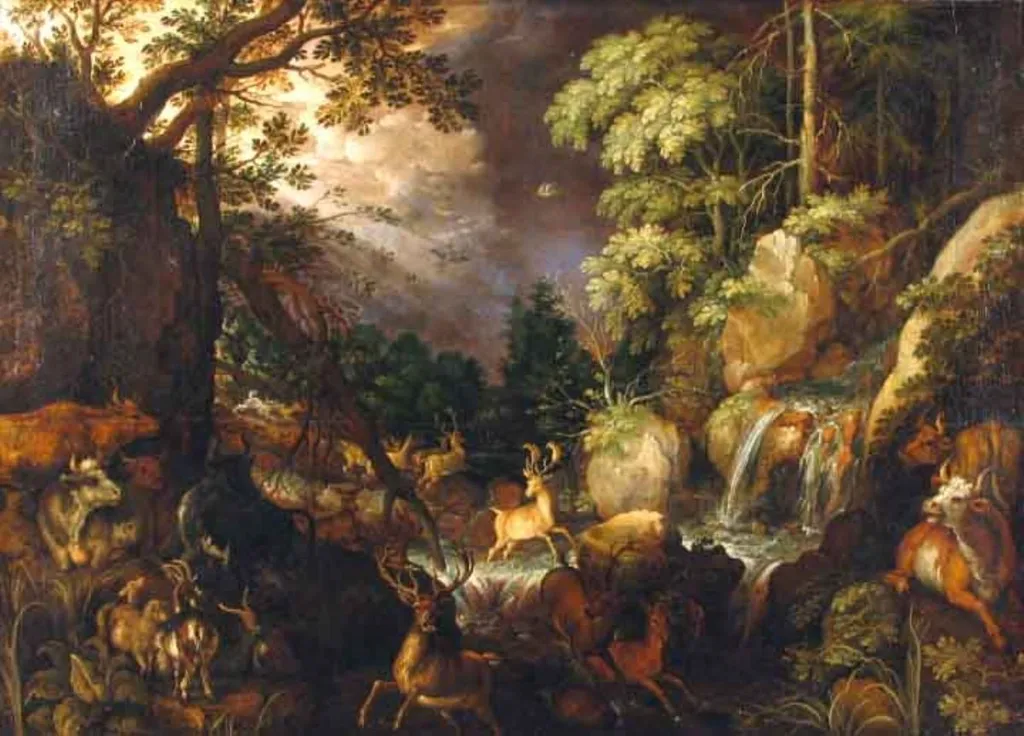
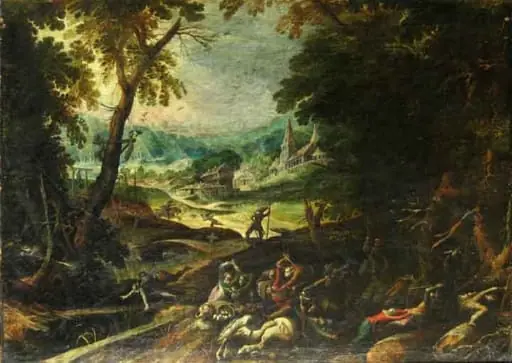
Vânătoare de cerbi is an unspecified painting by the Baroque artist Roelant Savery. It dates from 1619 and is held in the collection of the Brukenthal National Museum.
About this work
Overview
Roelant Savery’s 1619 composition titled Vânătoare de cerbi presents a richly populated woodland scene. A tangled forest canopy shelters a variety of fauna—deer, cattle, and assorted wild creatures—while a rocky stream winds through the undergrowth. The palette is dominated by earthy browns and muted greens, punctuated by occasional highlights of yellow and white that catch the eye.
Subject & Meaning
The work depicts a hunting tableau in which numerous animals appear in motion, suggesting a narrative of pursuit within a natural setting. By arranging the creatures in a dense, almost theatrical grouping, Savery emphasizes the vitality of the forest ecosystem and the human activity of hunting that shaped early‑modern perceptions of the wilderness.
Technique & Style
Savery employs a careful modulation of light and shadow, a chiaroscuro effect that gives depth to the foliage and the figures within it. Fine brushwork renders the textures of bark, fur, and water, while the layered composition creates a sense of three‑dimensional space, allowing viewers to feel immersed in the forest interior.
History & Provenance
Created in 1619, Vânătoare de cerbi belongs to the period when Savery was active in the Dutch Republic, producing works that combined natural observation with imaginative detail. The painting’s subsequent ownership record is limited, but it remains an example of his prolific output of animal and landscape subjects that were popular among collectors of the time.
Artist & collection
Artist

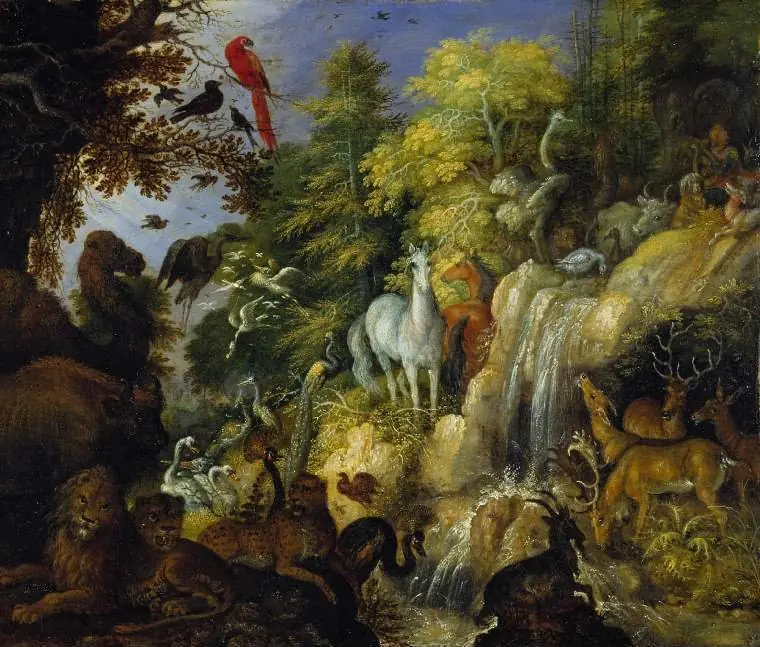 Orpheus with beasts and birds
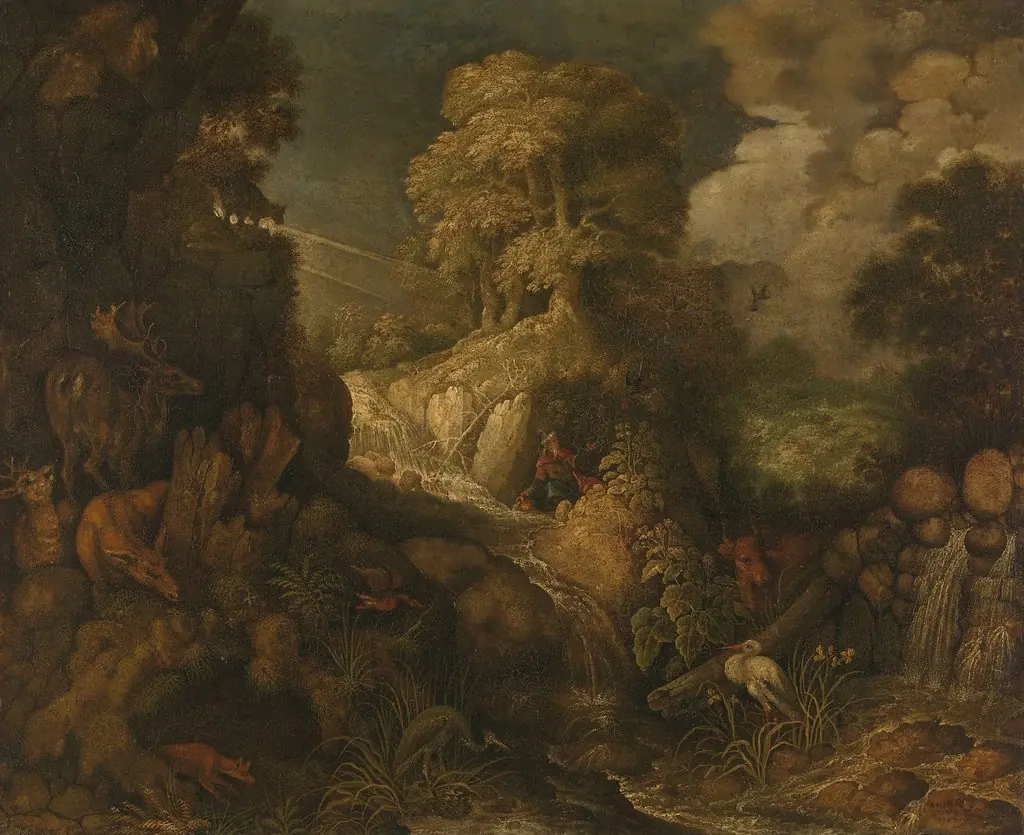 Elijah fed by the ravens
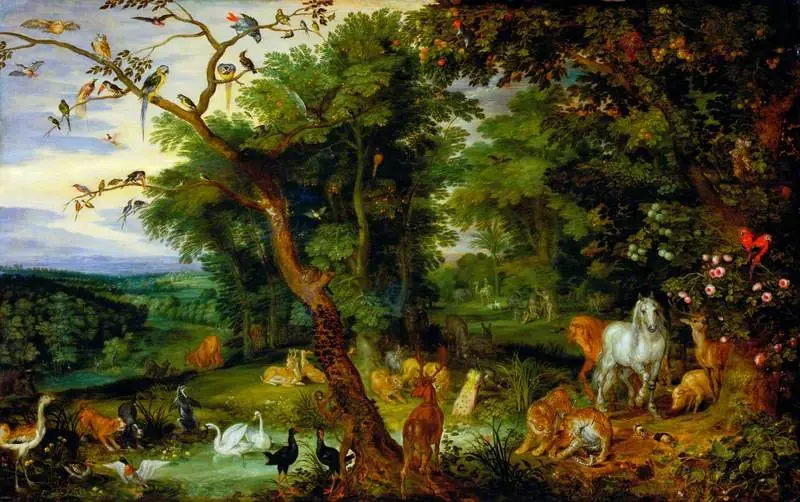 The Garden of Eden with the Temptation in the Background
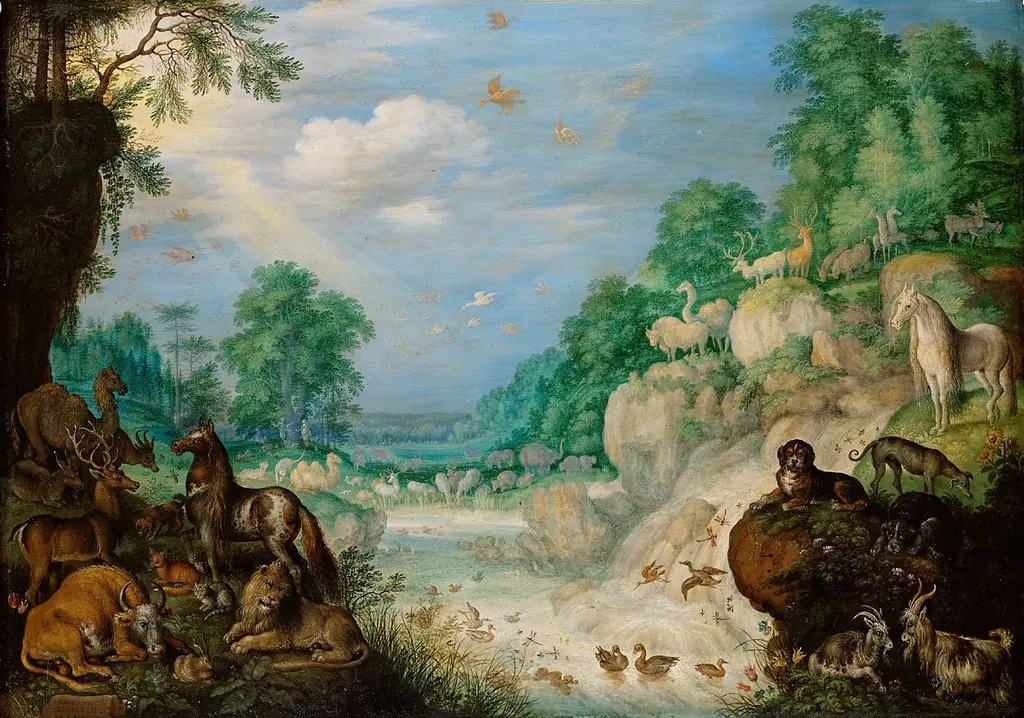 Paradies (Im Hintergrund: Der Sündenfall)
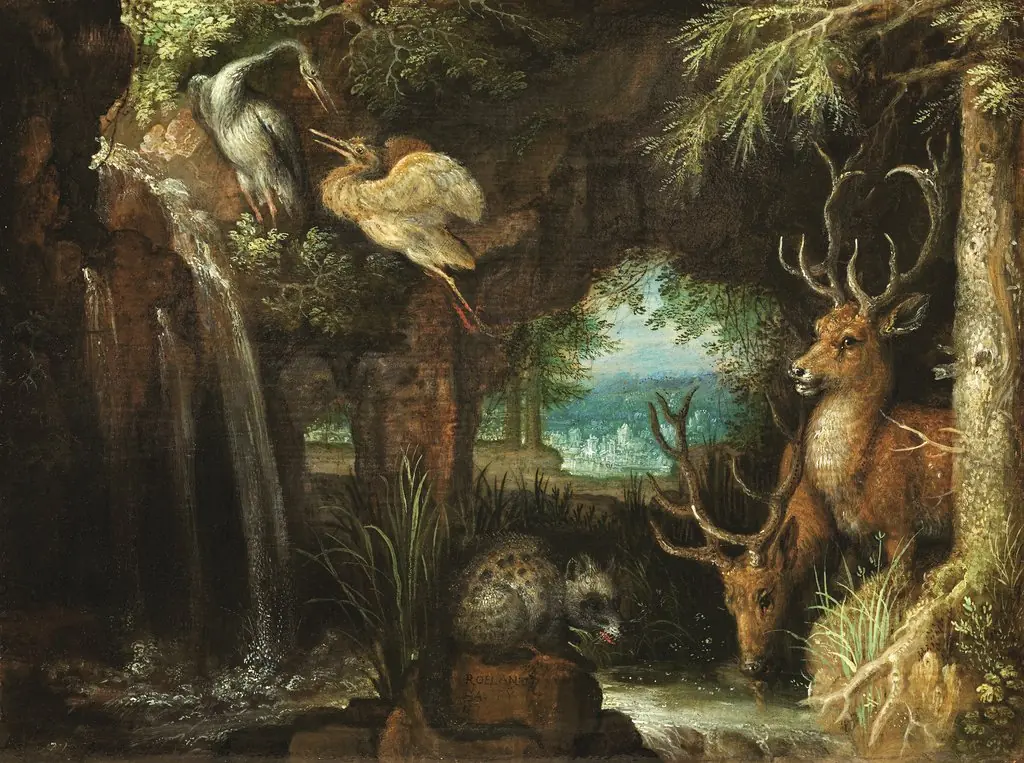 Forest Landscape with Deer and a Civet
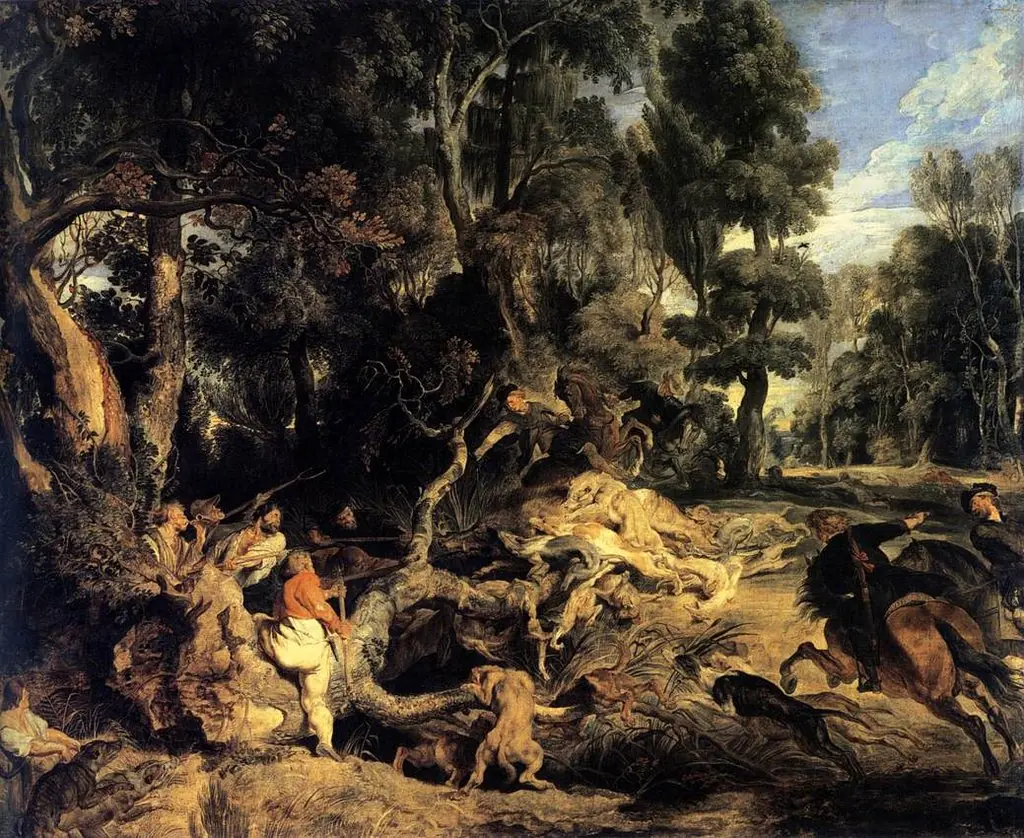 Landscape with Boar Hunt
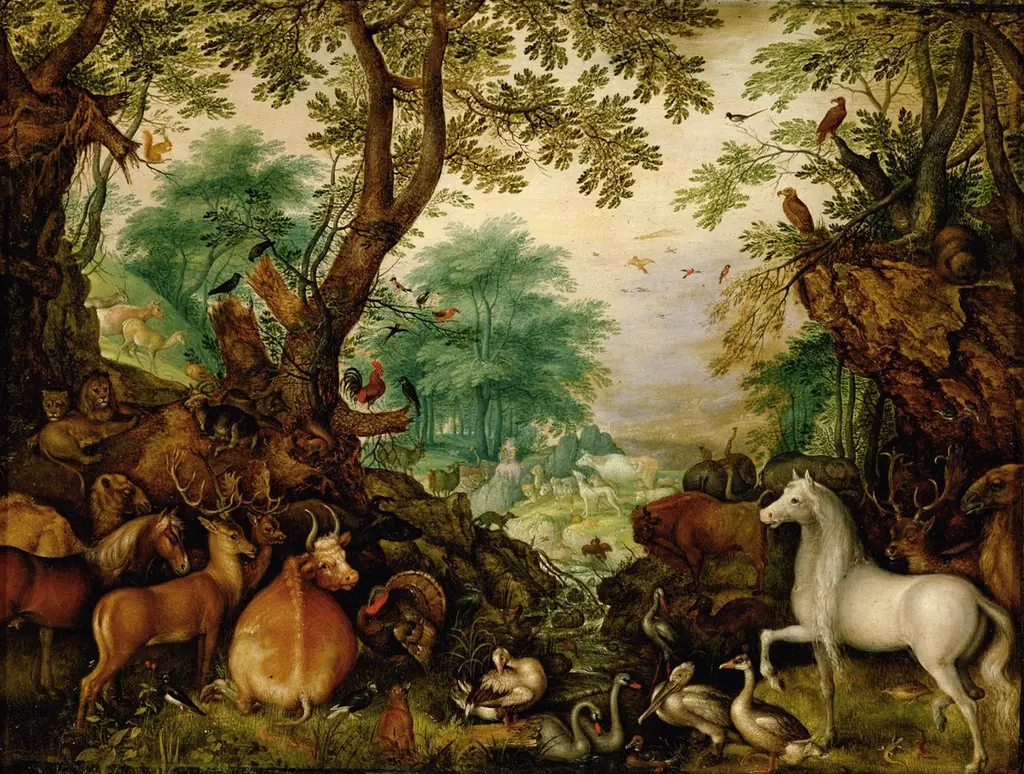 Orpheus unter den Tieren
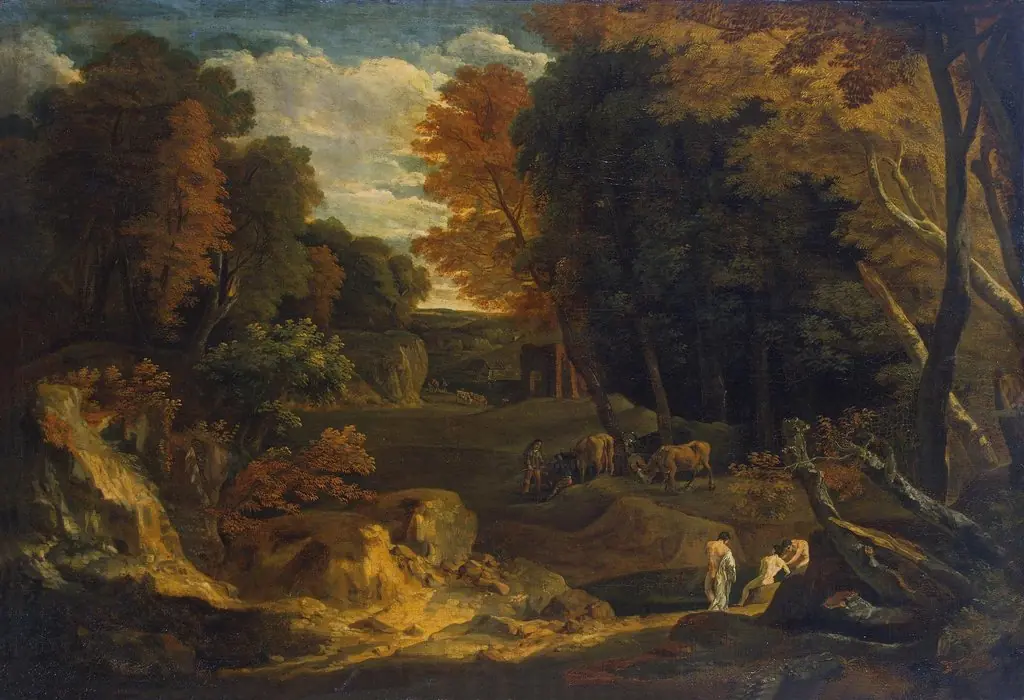 Forest Landscape with a River
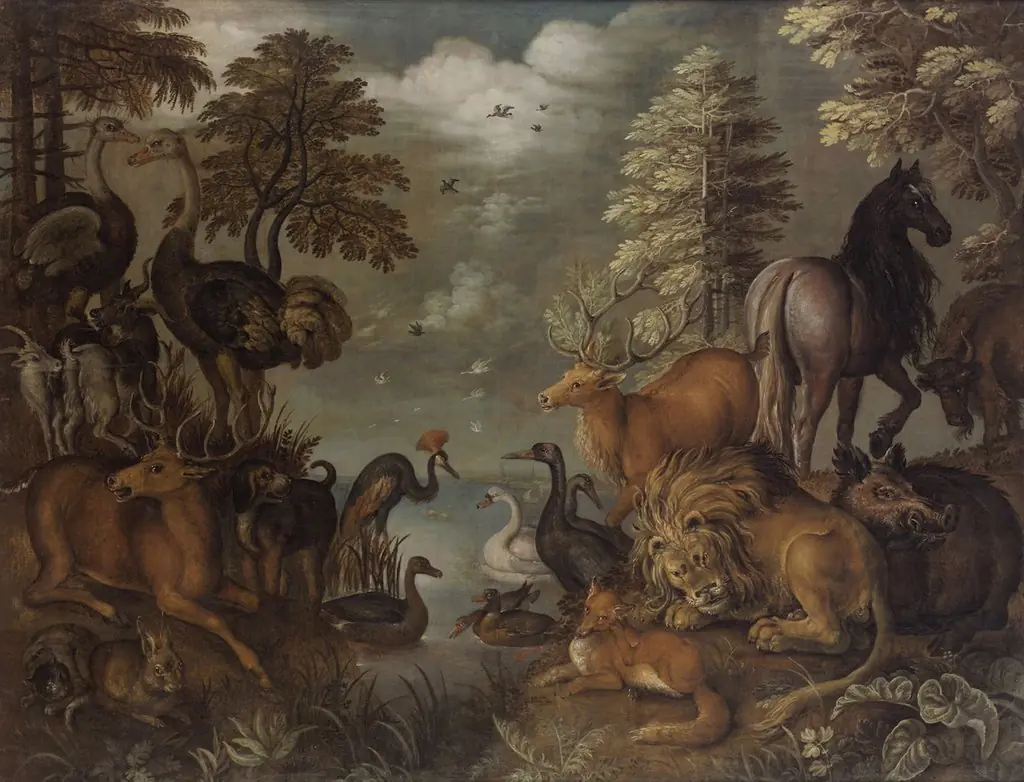 Große Landschaft mit Tieren
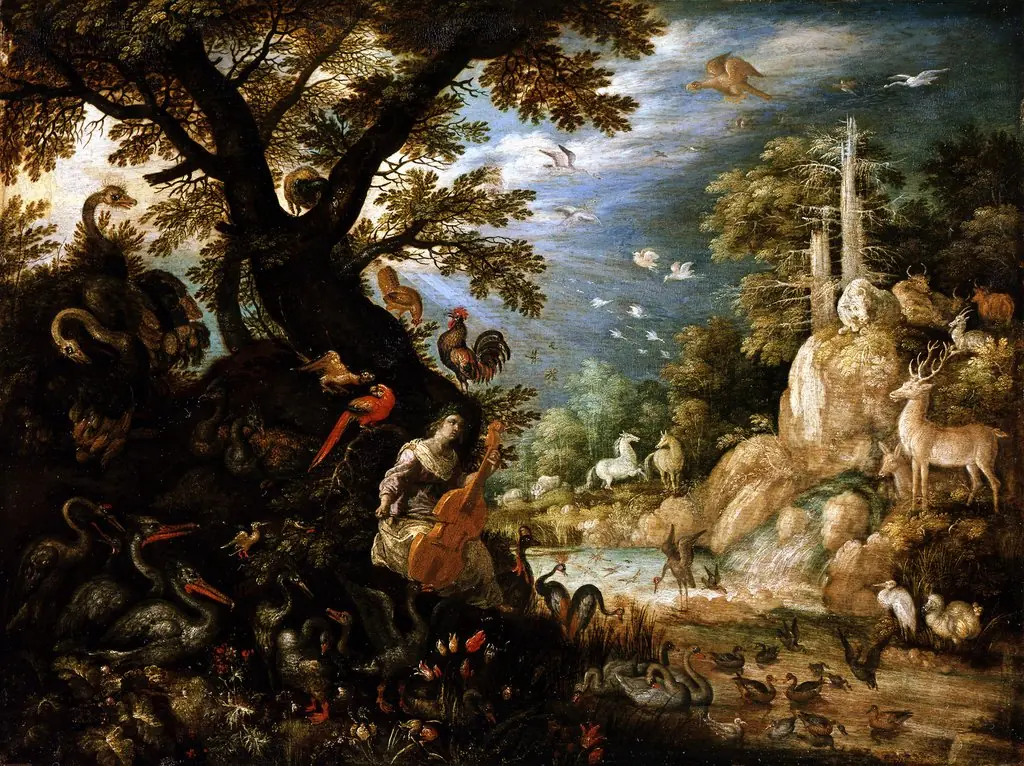 Landscape with Orpheus and the Animals
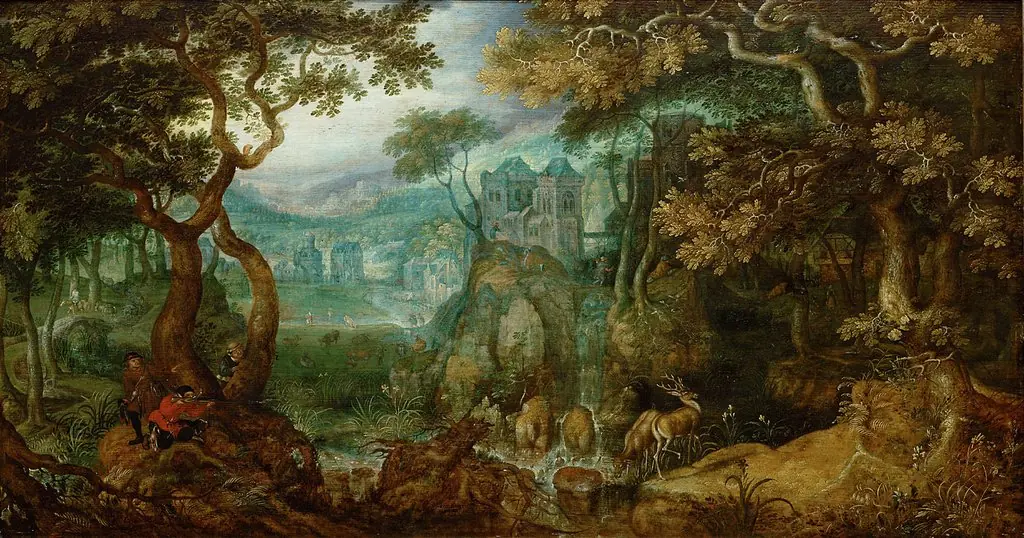 Forest Landscape with Hunters
 Atacul hoților