Artwork
Orpheus with beasts and birds
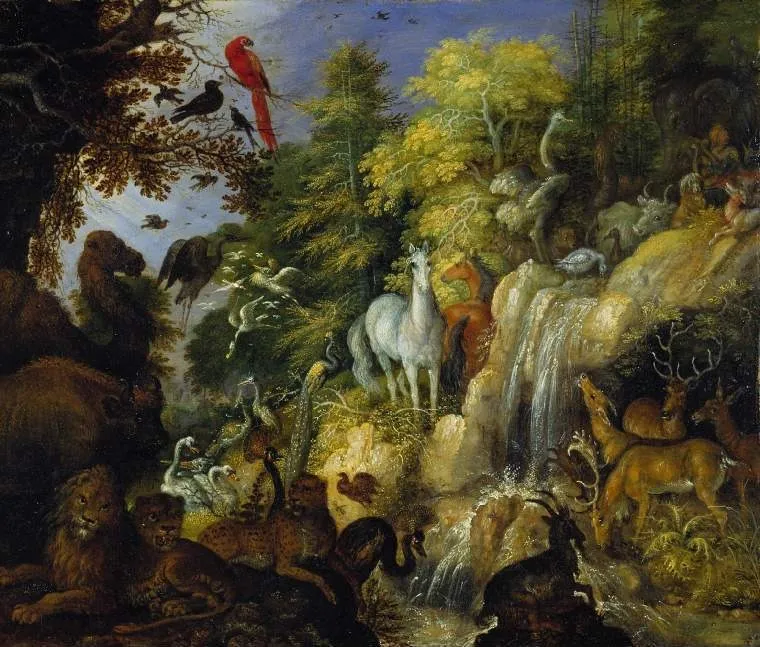
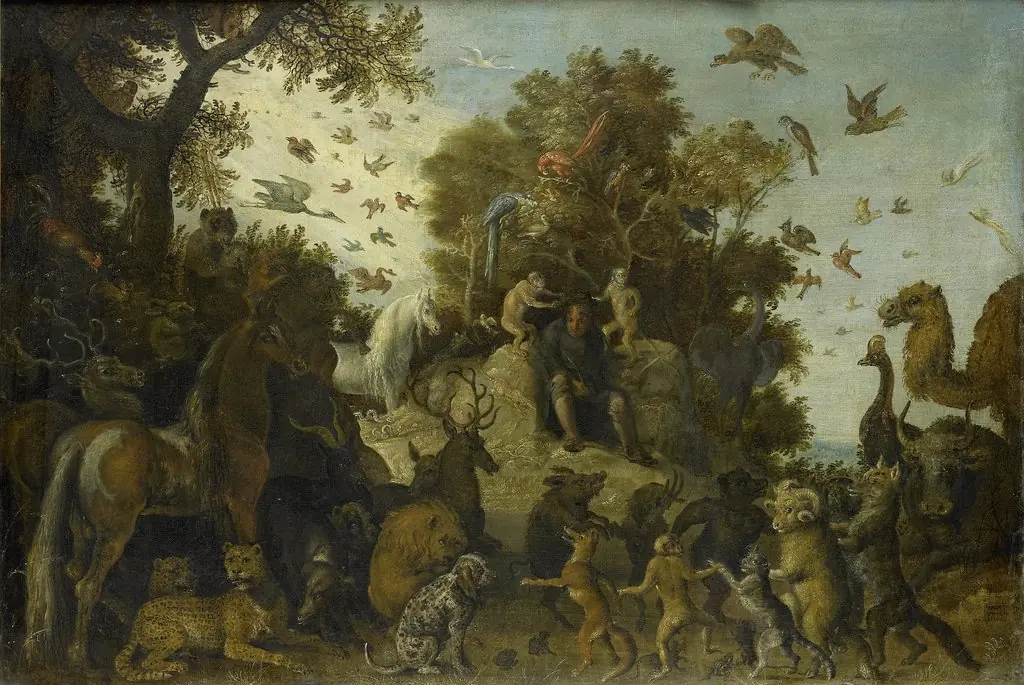
Orpheus with beasts and birds is an oil painting by Roelant Savery. It dates from 1622 and is held in the collection of the Fitzwilliam Museum. Created in 1622, this copper painting by Roellet Savery portrays the legendary musician Orpheus amid a forest clearing.
About this work
Overview
Created in 1622, this copper painting by Roellet Savery portrays the legendary musician Orpheus amid a forest clearing.
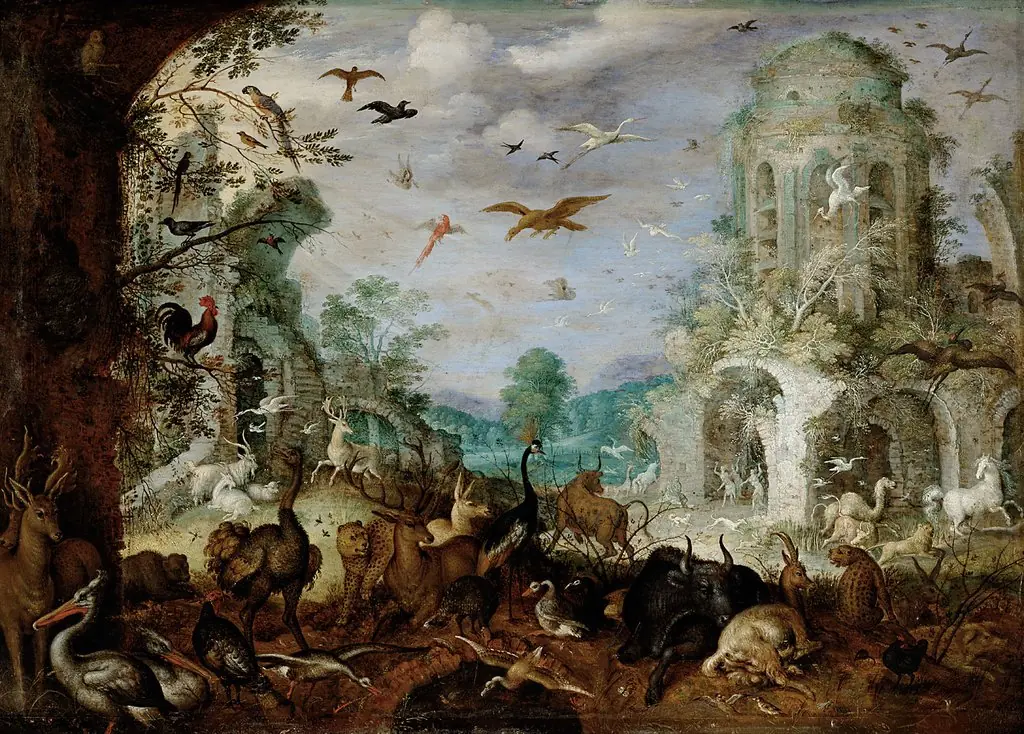
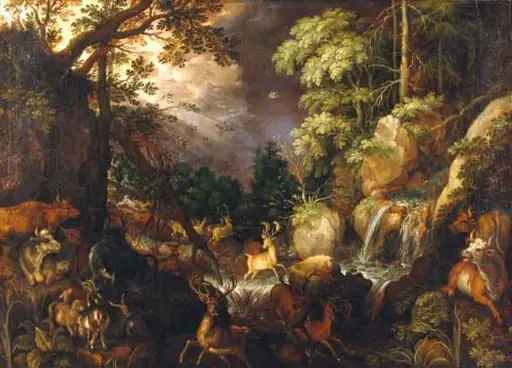
Created in 1622, this copper painting by Roellet Savery portrays the legendary musician Orpheus amid a forest clearing. The central figure, dressed in a green shirt and brown trousers, gently plucks a lute while a diverse assembly of animals—birds, deer, a lion, and others—gathers around, appearing to listen. The composition balances natural detail with mythic narrative, rendered in a palette of greens, browns and blues.
Subject & Meaning
The work visualises the ancient tale of Orpheus, whose music was said to charm all living creatures. By surrounding the musician with attentive fauna, Savery emphasizes the power of art to harmonise the natural world, a theme common in allegorical paintings of the period. The tranquil atmosphere suggests a moment of unity between humanity and nature, reflecting contemporary philosophical ideas about the moral influence of music.
Technique & Style
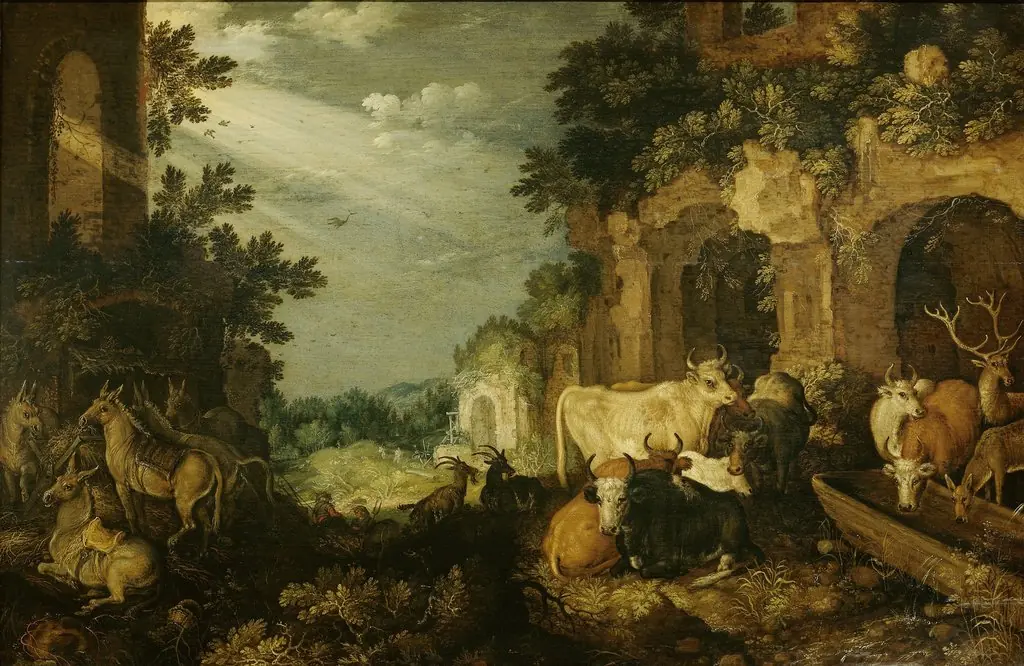
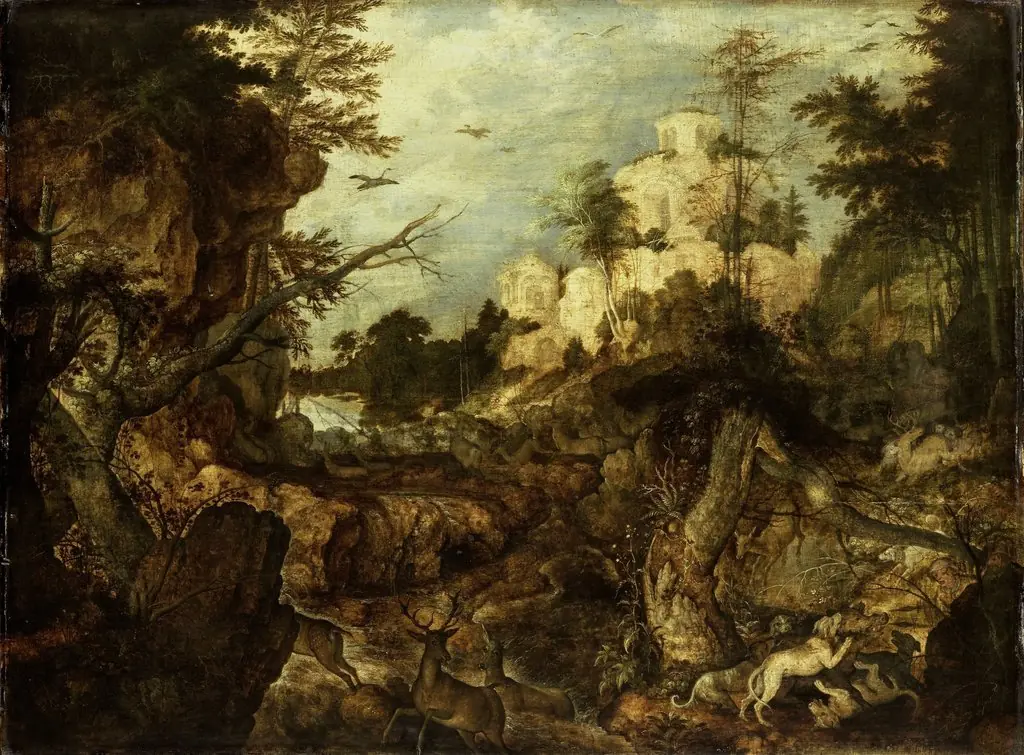
Executed on a copper panel, the painting benefits from the metal's smooth surface, allowing Savery to achieve fine, precise brushwork and luminous colour effects. His handling of textures—feathered birds, sleek fur, and rugged bark—demonstrates a meticulous observation of animal anatomy. The composition combines a detailed foreground with a receding wooded backdrop, characteristic of early‑17th‑century Dutch landscape traditions.
History & Provenance
Roellet Savery, a Flemish-born artist who worked mainly in the Dutch Republic, produced this piece during his mature period. The copper work entered the collection of the Fitzwilliam Museum in Cambridge, where it remains on display. Its acquisition reflects the museum’s focus on Dutch Golden Age paintings and on works that illustrate the era’s interest in natural history.
Context
In the early 1600s, European artists increasingly incorporated scientific observation into their art, mirroring the rise of natural history studies. Savery, known for his animal studies and elaborate landscapes, frequently merged these interests with mythological subjects. This painting thus sits at the intersection of artistic allegory and the period’s burgeoning curiosity about the animal kingdom, embodying both aesthetic and scholarly concerns of its time.
Artist & collection
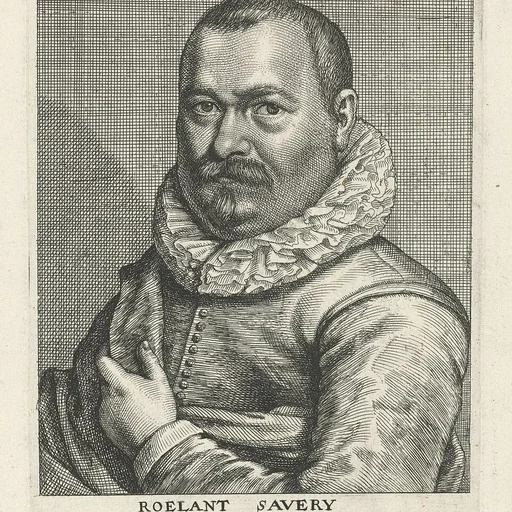
Artist
Roelant Savery (or Roeland(t) Maertensz Saverij, or de Savery, or many variants; 1576 – buried 25 February 1639) was a Flanders-born Dutch Golden Age painter.