Artwork
Portrait of a young Venetian man
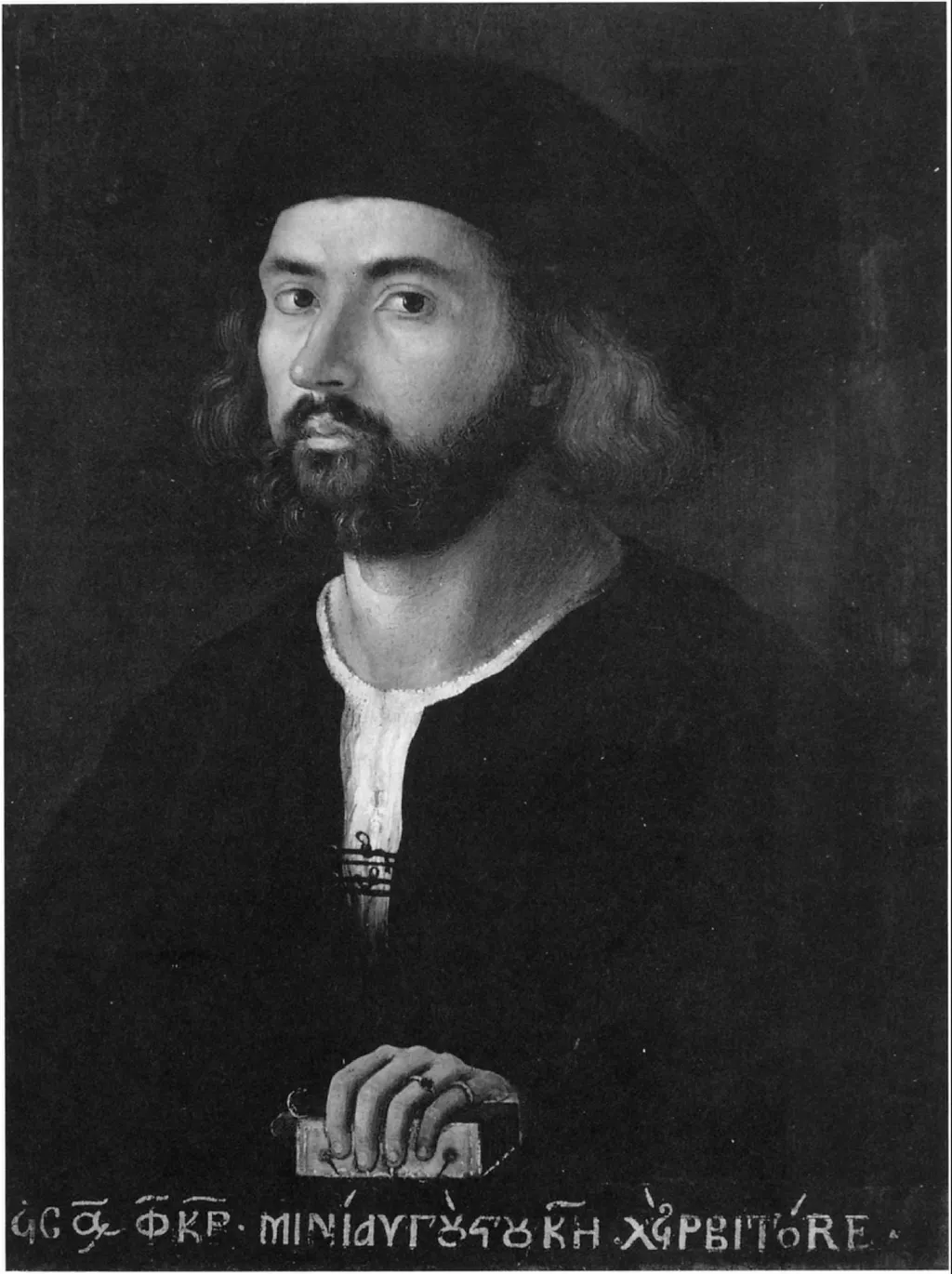
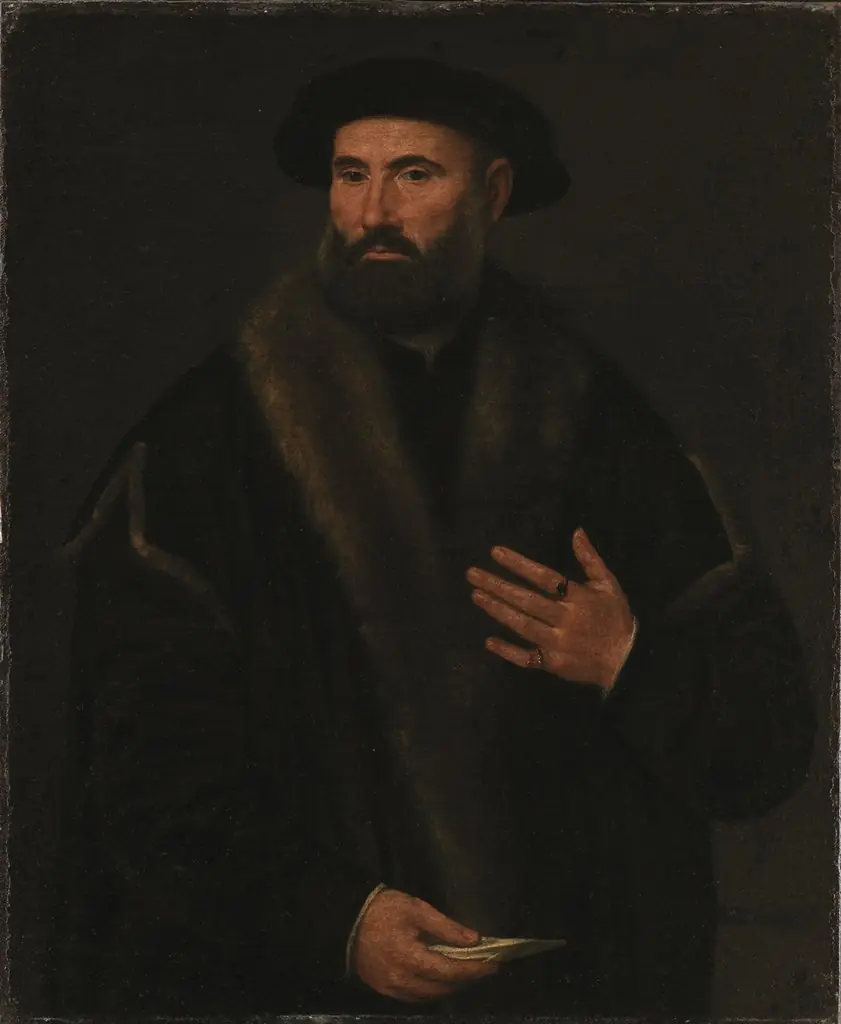
Portrait of a young Venetian man is an unspecified painting by the High Renaissance artist Aristotle. It dates from 1522 and is held in the collection of the University of Cyprus. The work is a portrait of a young Venetian gentleman, rendered in fine attire and a sober expression.
About this work
Overview
The work is a portrait of a young Venetian gentleman, rendered in fine attire and a sober expression. Executed in 1522, the painting bears a Greek inscription at its base that records the exact date—28 August 1522—and the artist’s name, presented as “Victor’s handwork.” The inclusion of a classical language underscores the painter’s scholarly self‑presentation.
Subject & Meaning
The sitter is depicted as a well‑dressed member of Venetian society, his demeanor suggesting status and seriousness. While no narrative is provided beyond his appearance, the portrait functions as a personal record, emphasizing the individual’s social standing within the city’s elite.
Technique & Style
Rendered with careful attention to fabric and facial features, the portrait reflects early‑sixteenth‑century Venetian portraiture, combining realistic detail with a restrained compositional layout. The Greek inscription, rendered in a learned hand, adds an intellectual layer uncommon in contemporary Italian portraiture.
History & Provenance
The painting bears the date 28 August 1522, situating it firmly in the High Renaissance period. The signature identifies the artist as Victor, though further documentation of his career remains limited. The work’s survival with its original inscription provides valuable insight into the artist’s self‑branding.
Context
During the early 1500s, Venetian artists occasionally incorporated classical references to signal erudition. The use of Greek in the inscription aligns with this trend, positioning the painter as a “pictor doctus,” or learned painter, and reflecting the broader humanist currents influencing art in Renaissance Venice.
Artist & collection
Artist
 Portrait of an unknown man
 Portrait of a Man with Right Hand
 portrait of Vasco da Gama
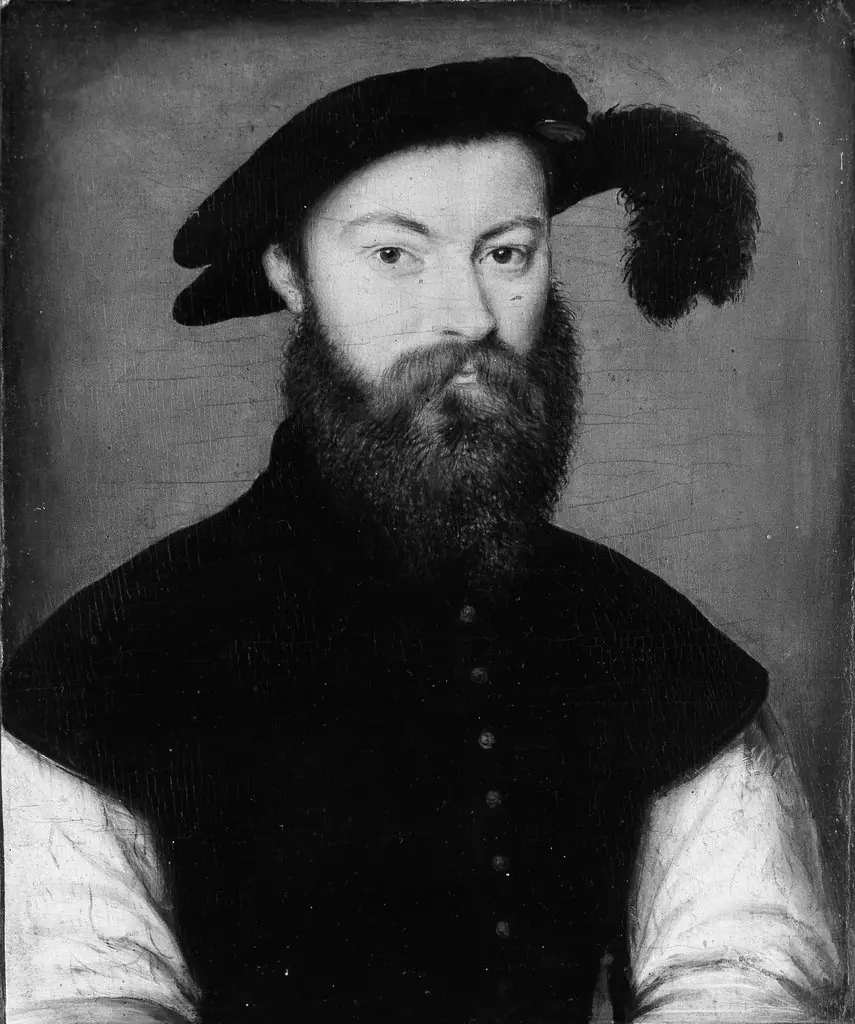 Portrait of a Man with a Black-Plumed Hat
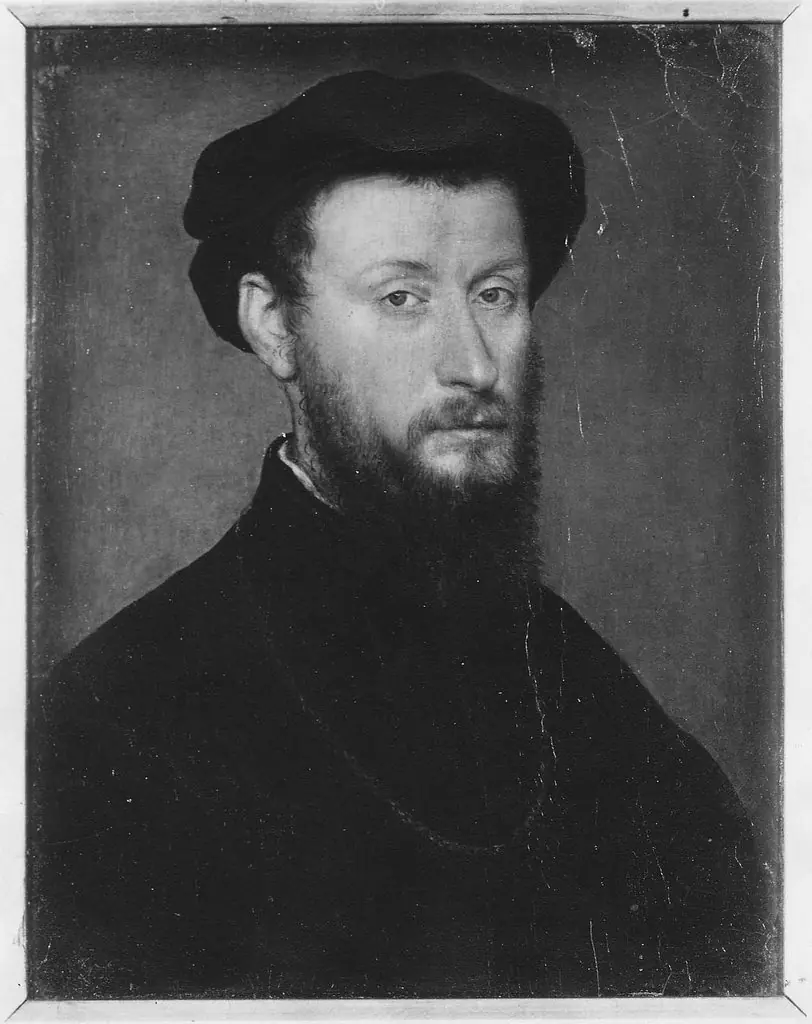 Portrait of a Bearded Man
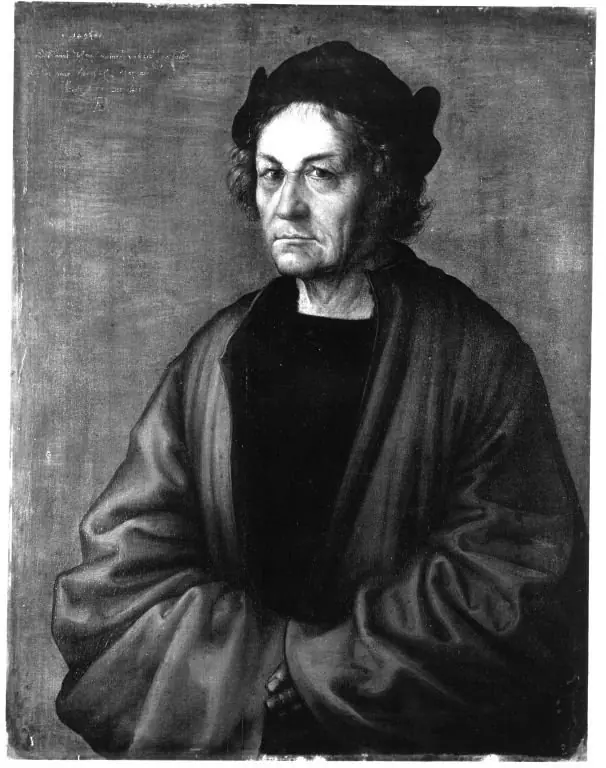 Portrait of the artist's father
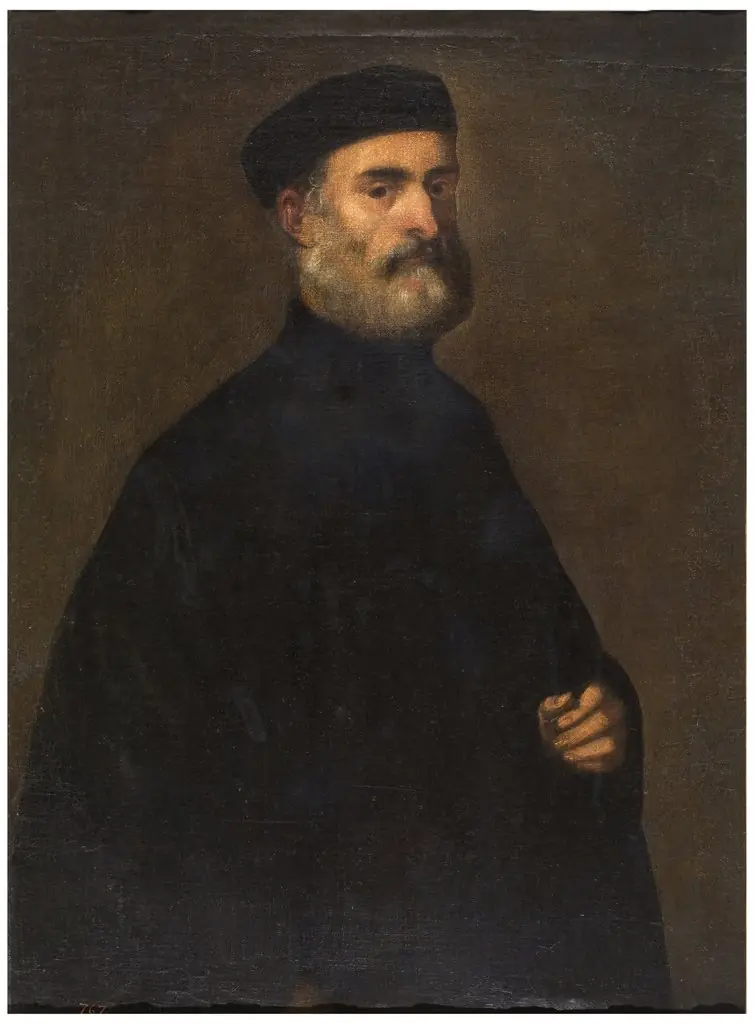 A Venetian Senator or Secretary
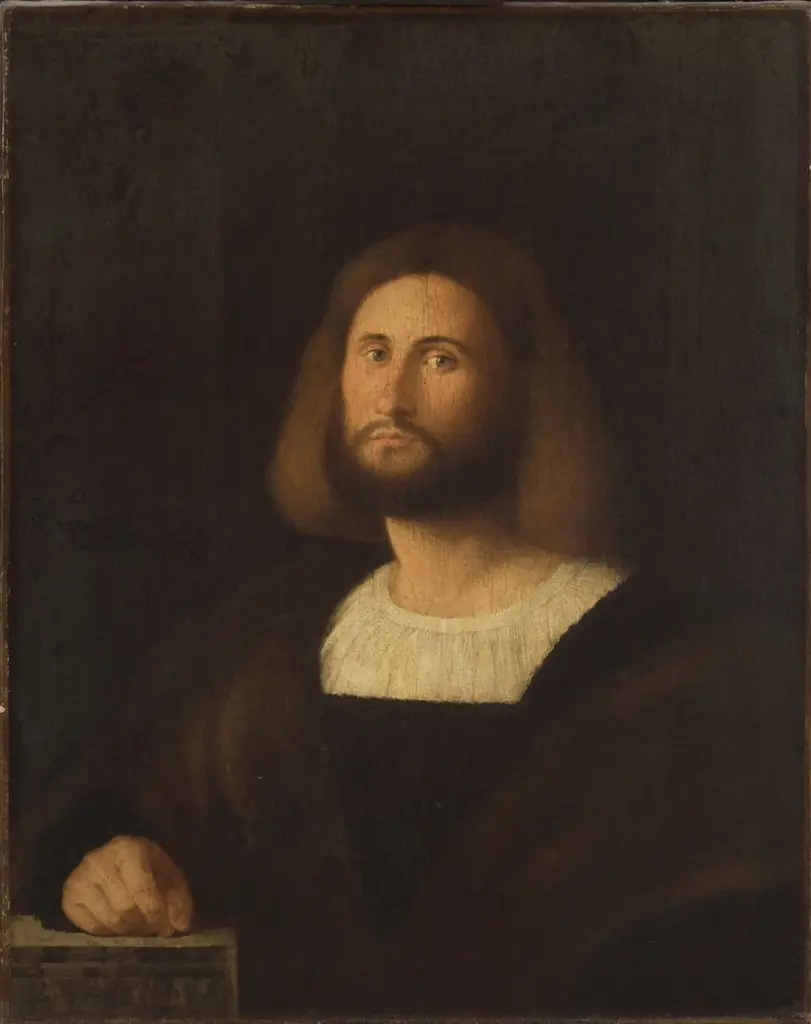 Portrait of a Gentleman
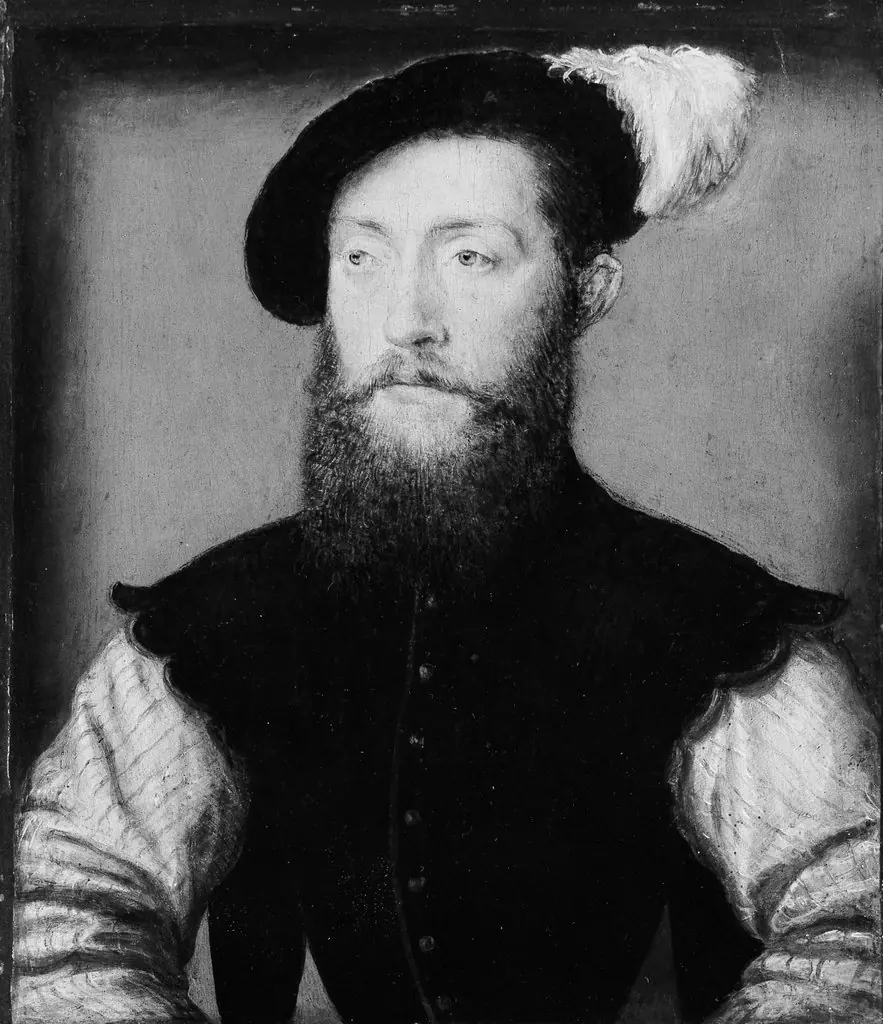 Charles de Cossé (1506–1563), Comte de Brissac
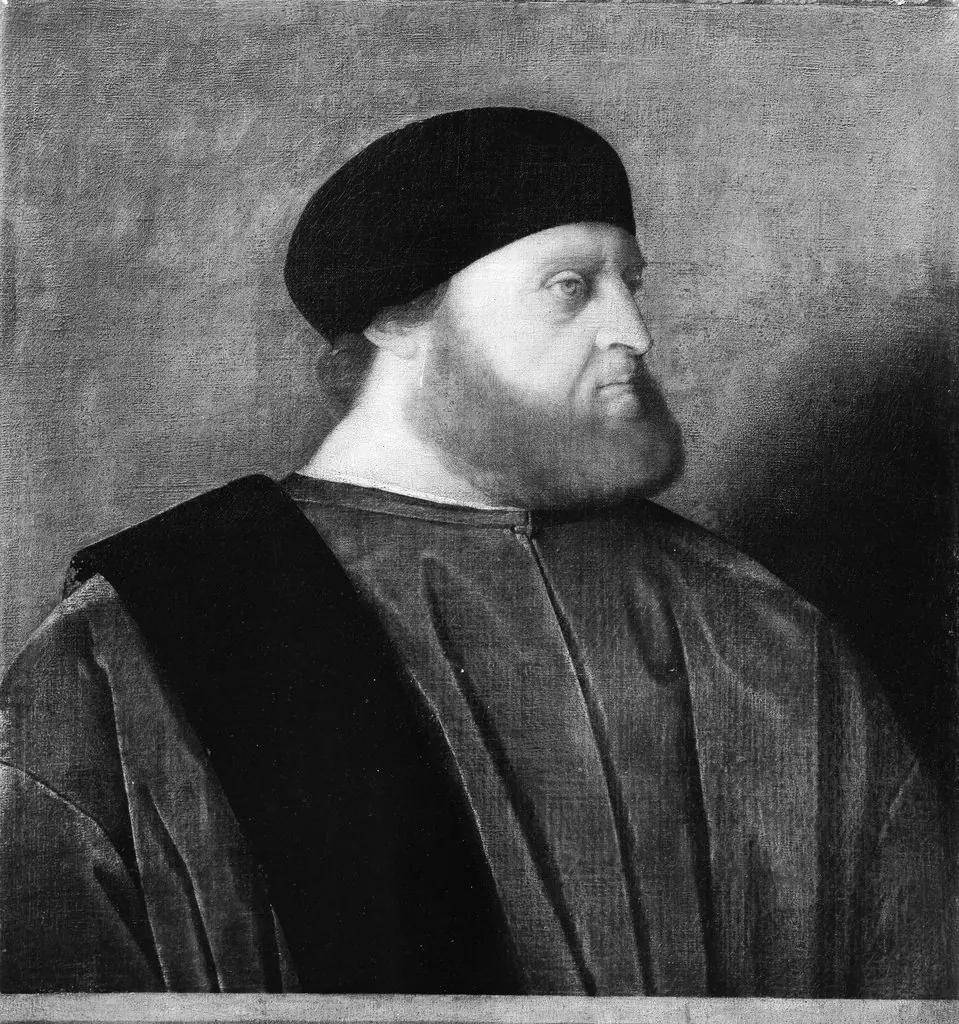 Portrait of a Venetian Senator
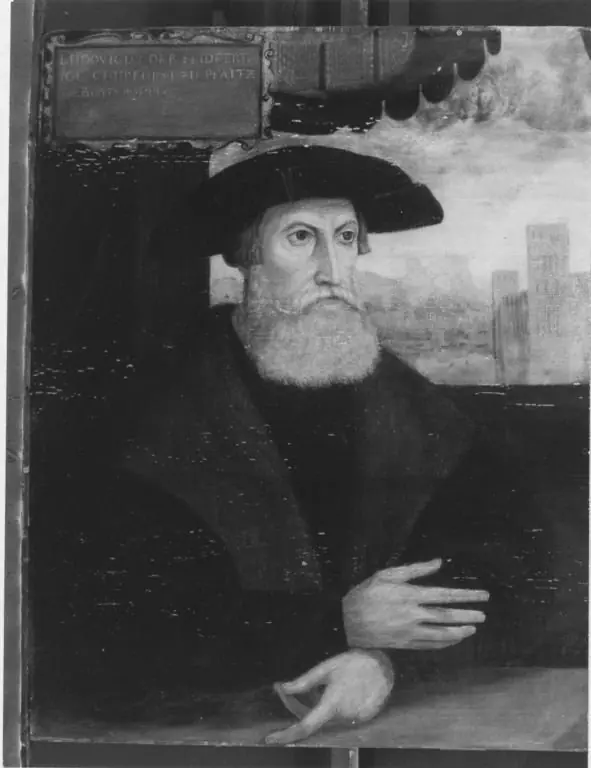 Portrait of Elector Ludwig V von der Pfalz, the Peacefull
 Portrait of a Man