Artwork
Portrait of a Gentleman
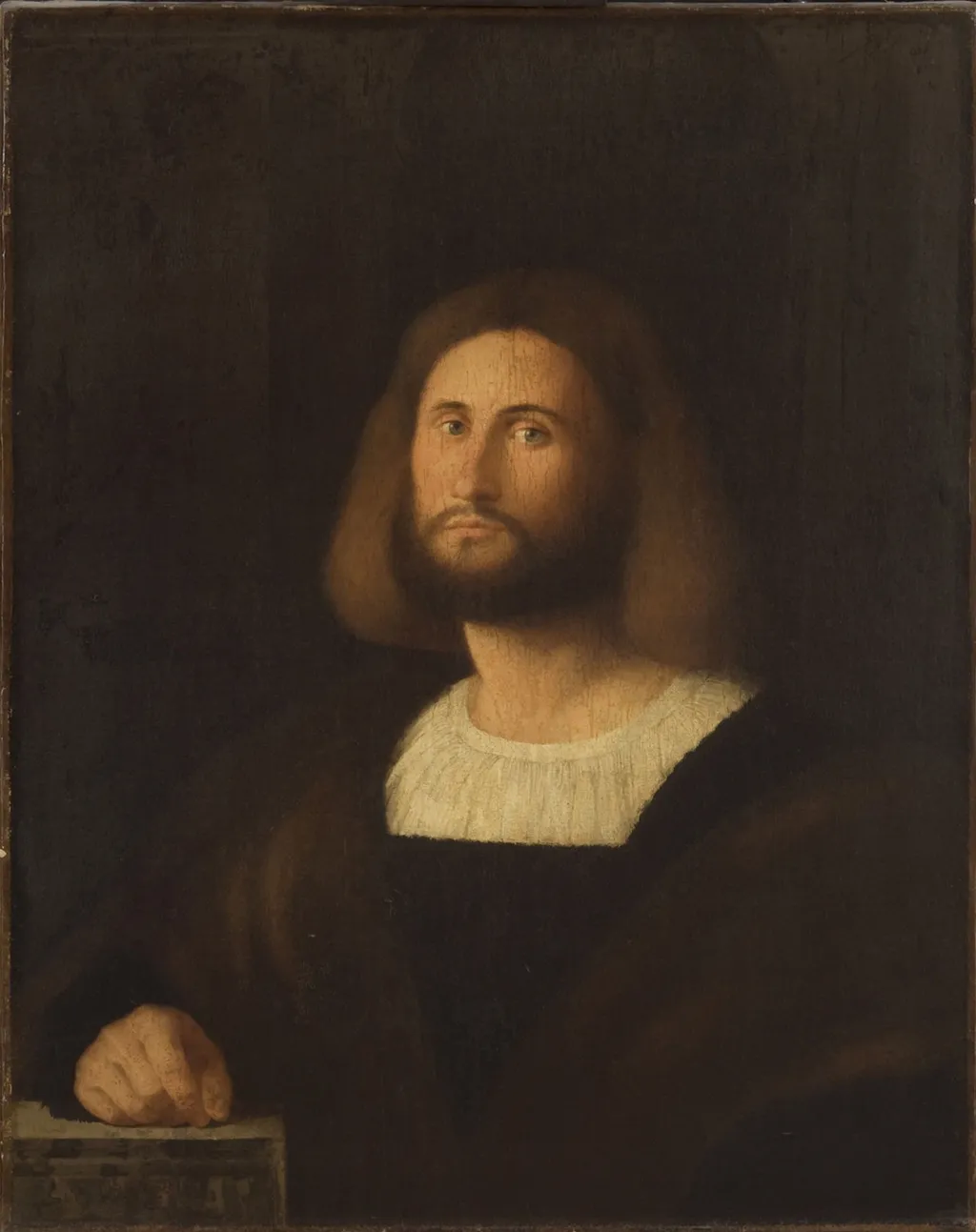
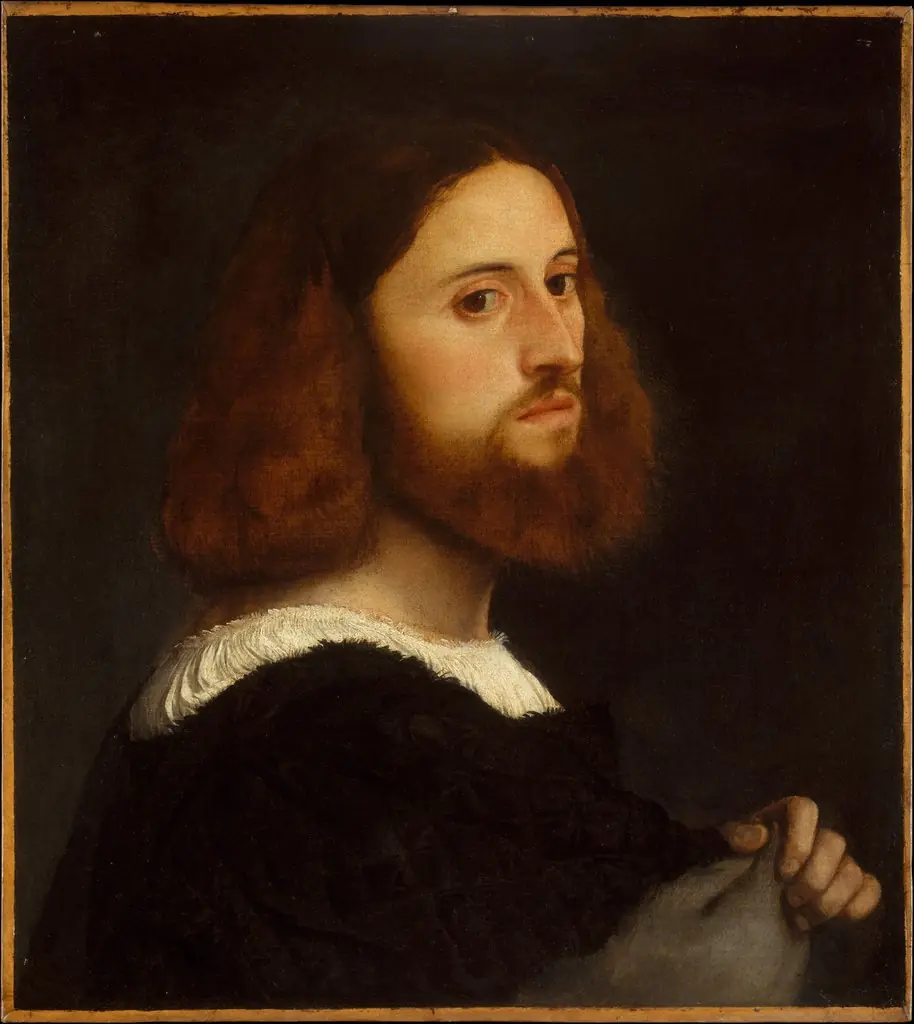
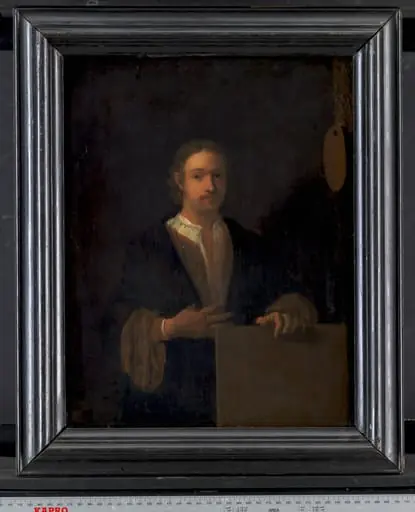
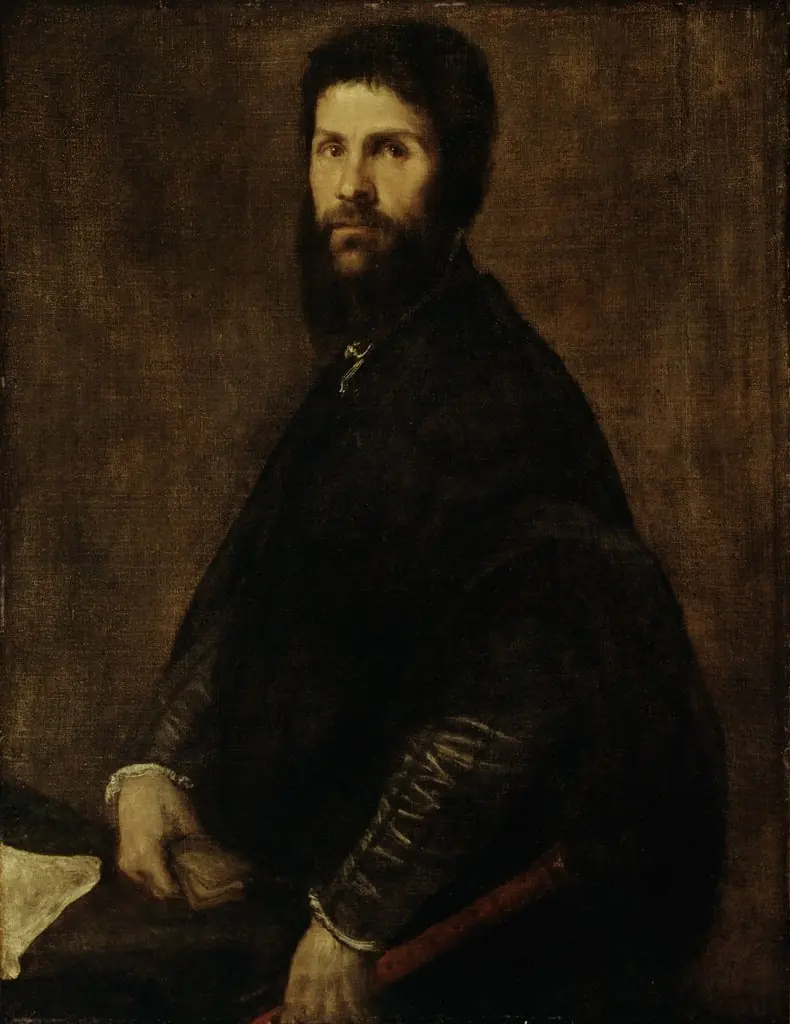
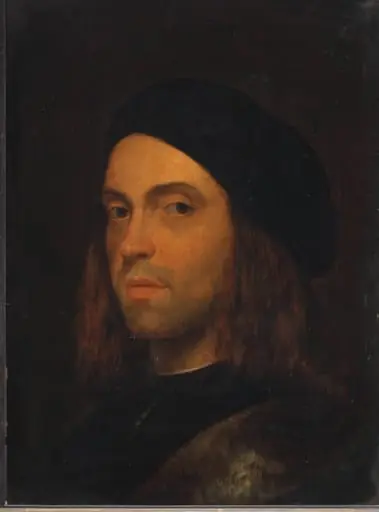
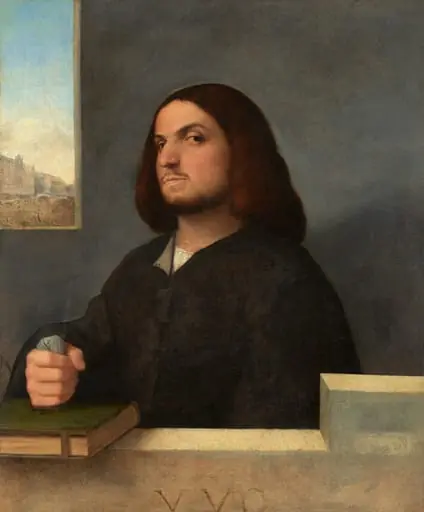
Portrait of a Gentleman is an unspecified painting by the High Renaissance artist Palma Vecchio. It dates from 1520 and is held in the collection of the Philadelphia Museum of Art.
About this work
Overview
It resides in the Philadelphia Museum of Art’s collection and exemplifies the quiet dignity characteristic of early 16th-century Venetian portraiture.
Painted around 1520 by the Venetian artist Jacopo Palma, known as Palma Vecchio, this work is a half-length portrait of an unidentified gentleman. It resides in the Philadelphia Museum of Art’s collection and exemplifies the quiet dignity characteristic of early 16th-century Venetian portraiture. The composition focuses on the sitter’s presence without elaborate setting or symbolism, emphasizing personal stillness over narrative.
Subject & Meaning
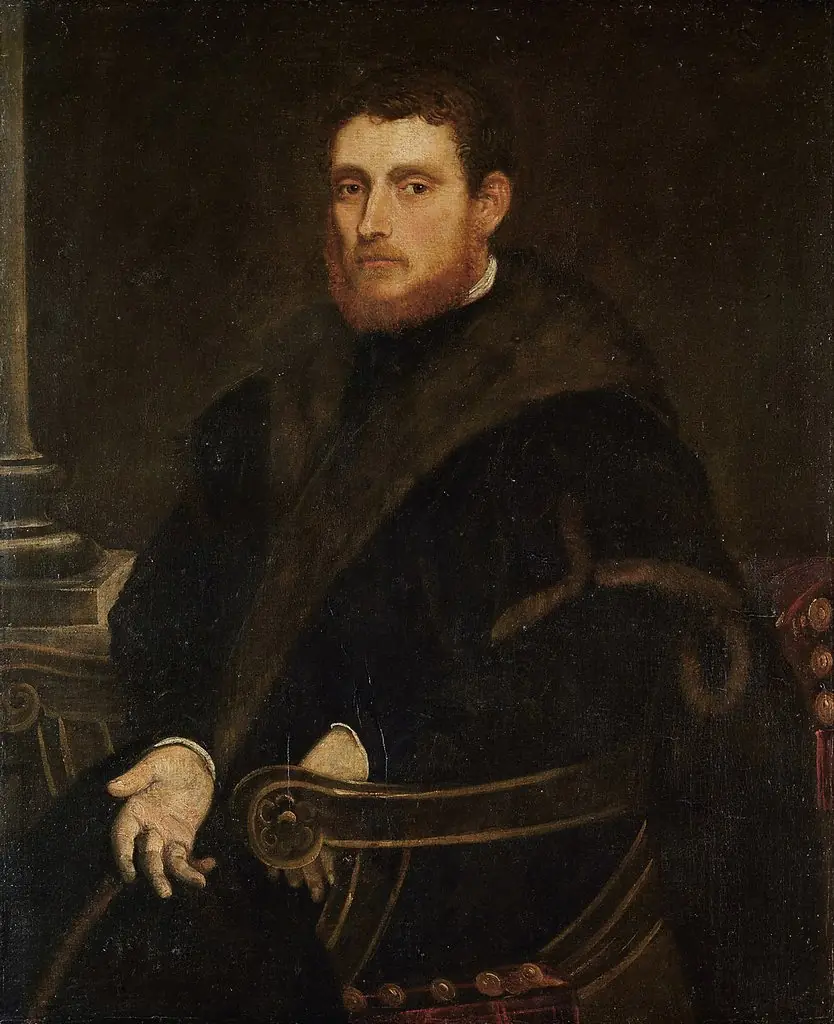
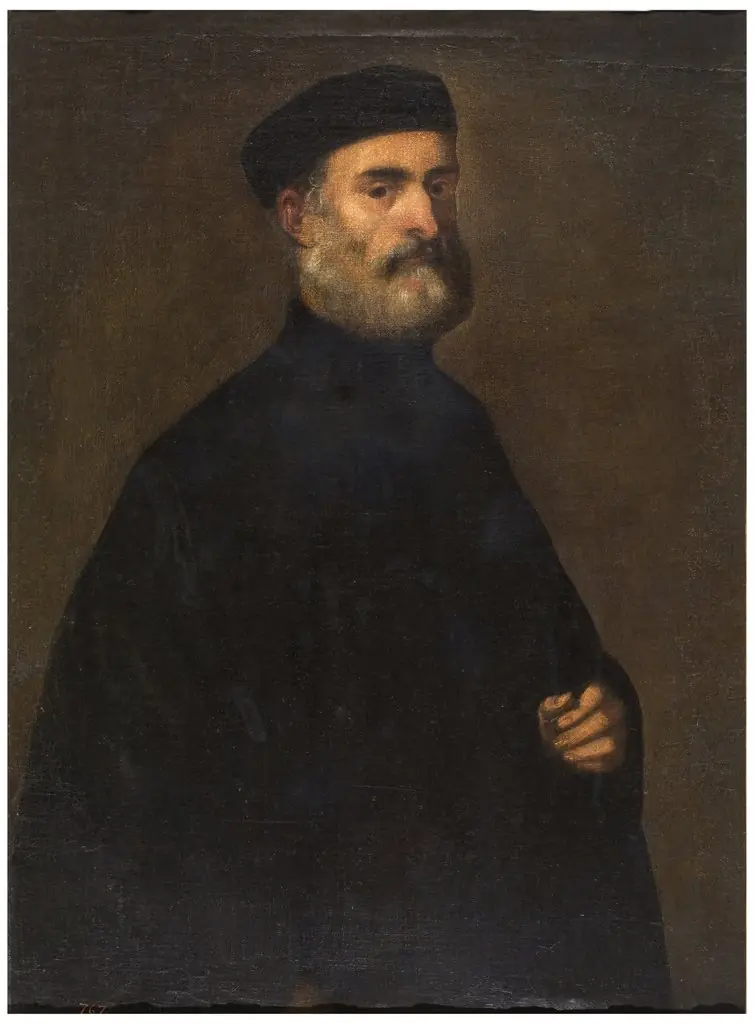
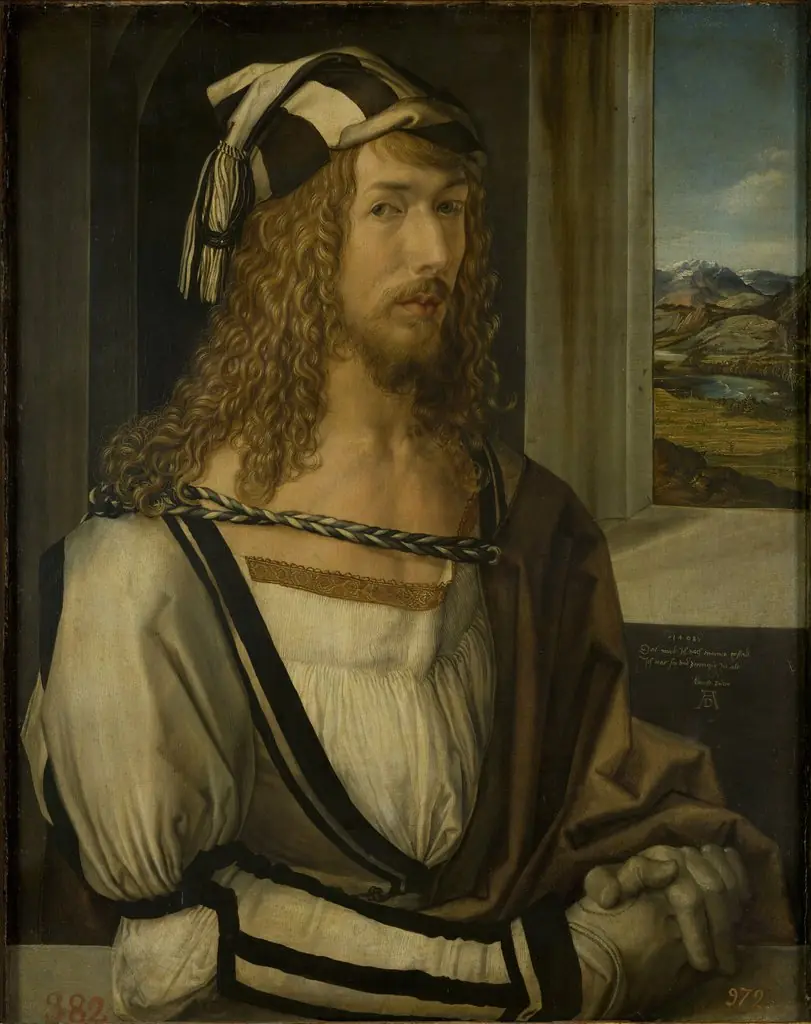
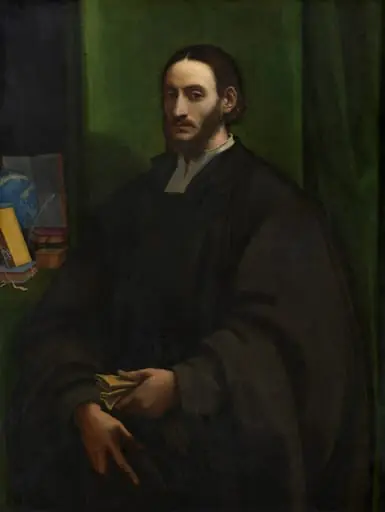
The subject is a man of apparent refinement, depicted with long dark hair and a full beard, dressed in a white linen shirt with a ruffled collar and a dark outer garment. His right hand rests on a ledge, suggesting a moment of pause. The absence of identifiers—no heraldry, books, or props—points to an emphasis on inner character rather than social status, inviting contemplation of his demeanor rather than his identity.
Technique & Style
Palma Vecchio employs subtle chiaroscuro to model the face and hands, using soft transitions between light and shadow to enhance three-dimensionality. The dark background isolates the figure, drawing attention to the texture of fabric and skin. Brushwork is refined yet unobtrusive, avoiding theatricality; the effect is intimate and restrained, aligning with Venetian preferences for atmospheric harmony over linear precision.
History & Provenance
The painting entered the Philadelphia Museum of Art’s collection in the early 20th century, though its earlier ownership remains undocumented. It was likely commissioned by a member of Venice’s merchant or noble class during the 1520s, a period when Palma Vecchio was active in producing portraits for the city’s elite. No records of its creation or initial patron have survived, leaving its origins partially obscured.
Context
In early 16th-century Venice, portraiture evolved from formal iconography toward psychological nuance. Palma Vecchio, influenced by Titian and Giorgione, contributed to this shift by capturing individual presence through tone and gesture rather than status symbols. This portrait reflects a broader trend in Venetian art: valuing the quiet humanity of the sitter over external markers of power or wealth.
Legacy
Though not among Palma Vecchio’s most widely reproduced works, this portrait exemplifies his contribution to the development of Venetian portraiture. Its understated elegance and focus on inner life influenced later artists seeking to convey character through subtlety. It remains a representative example of how Renaissance painters in Venice transformed the genre into a medium for personal expression.
Artist & collection
Artist
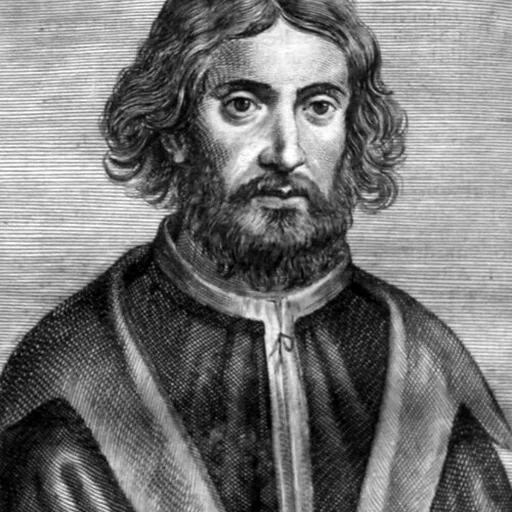
Palma Vecchio (c. 1480 – 30 July 1528), born Jacopo Palma, also known as Jacopo Negretti, was a Venetian painter of the Italian High Renaissance. He is called Palma Vecchio in English and Palma il Vecchio in Italian…