Artwork
A Venetian Senator or Secretary
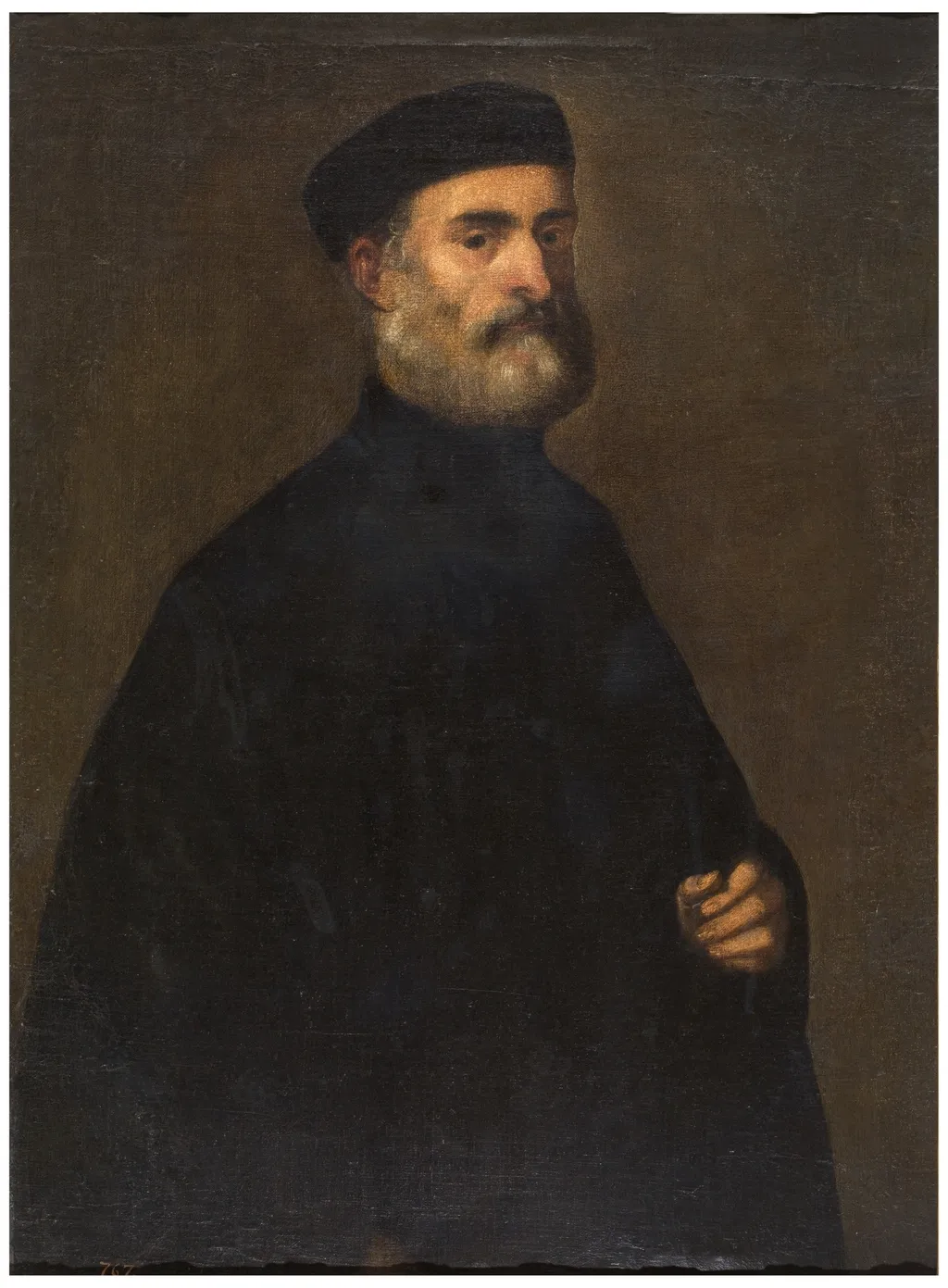
A Venetian Senator or Secretary is an oil painting by Jacopo Tintoretto. It dates from 1501 and is held in the collection of the Museo del Prado. This oil painting, attributed to Tintoretto, dates from the early phase of his career and presents a portrait of a Venetian civic official.
About this work
Overview
This oil painting, attributed to Tintoretto, dates from the early phase of his career and presents a portrait of a Venetian civic official.
This oil painting, attributed to Tintoretto, dates from the early phase of his career and presents a portrait of a Venetian civic official. Executed with the medium’s expressive potential, it reflects the city’s cultural focus on portraying its ruling elite. The composition is restrained, emphasizing the subject’s presence through controlled lighting and minimal background detail, typical of mid-16th-century Venetian portraiture.
Subject & Meaning
The figure is dressed entirely in black, a color associated with authority and solemnity in Venetian civic life. His folded hands and direct gaze suggest composure and introspection, qualities valued in administrative roles. Though his exact title is uncertain, the attire and posture align with those of senators or high-ranking secretaries, conveying status without overt symbolism, in keeping with Venetian restraint.
Technique & Style
Tintoretto employs chiaroscuro to model the face and hands with sharp contrast against the dark, indistinct background. His brushwork is brisk yet precise, capturing texture in fabric and skin without excessive detail. The lighting isolates the subject, enhancing psychological presence. This approach reveals his early experimentation with dramatic illumination, foreshadowing his later theatrical style.
History & Provenance
The painting entered the collection of the Museo del Prado in Madrid, though its earlier ownership history remains unclear. It was likely acquired during the 18th or 19th century as part of broader European collections of Italian Renaissance works. No documented commission or original location is known, but its style and condition suggest it was preserved as a valued example of Venetian portraiture.
Context
In early 16th-century Venice, portraiture served to affirm civic identity among the ruling class. Unlike Florentine portraits that emphasized individual psychology, Venetian works often prioritized dignity and social role. Tintoretto, then emerging from Titian’s shadow, adapted this tradition with greater tonal drama, bridging the refined elegance of his predecessors with his own dynamic sensibility.
Legacy
Though not among Tintoretto’s most celebrated works, this portrait exemplifies his early mastery of light and form. It contributes to understanding his transition from regional portraiture toward the expressive intensity of his mature style. The painting remains a quiet but significant reference in studies of Venetian civic imagery and the evolution of oil technique in Renaissance Italy.
Own this work as a print
Artist & collection
Artist
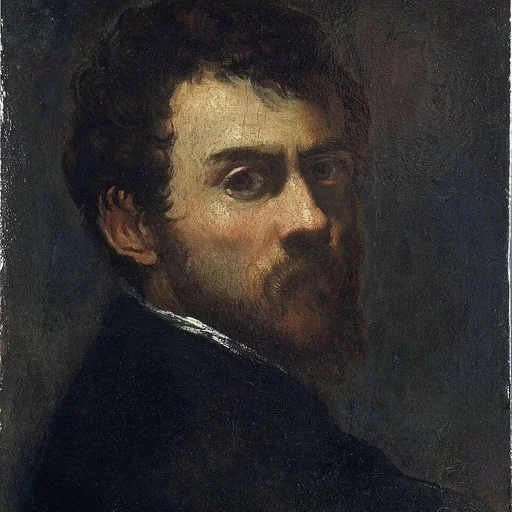
Jacopo Robusti (late September or early October 1518 – 31 May 1594), best known as Tintoretto ( TIN-tə-RET-oh; Italian: ; Venetian: ), was an Italian Renaissance painter of the Venetian school.

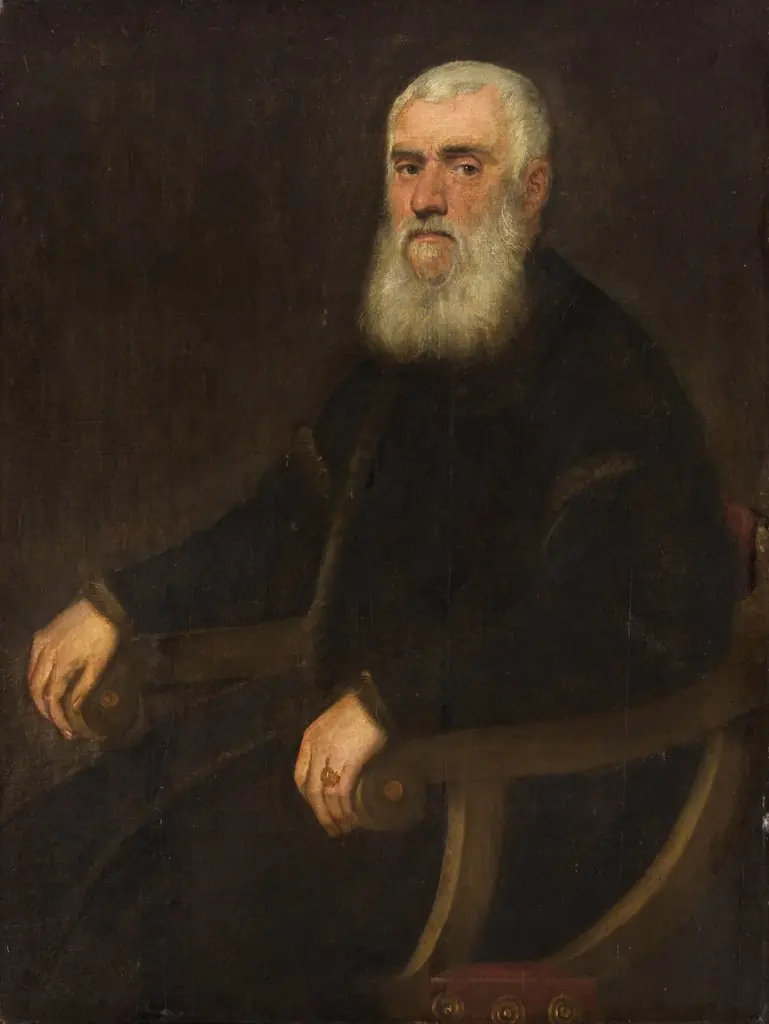 Portrait of a white-bearded man in an armchair
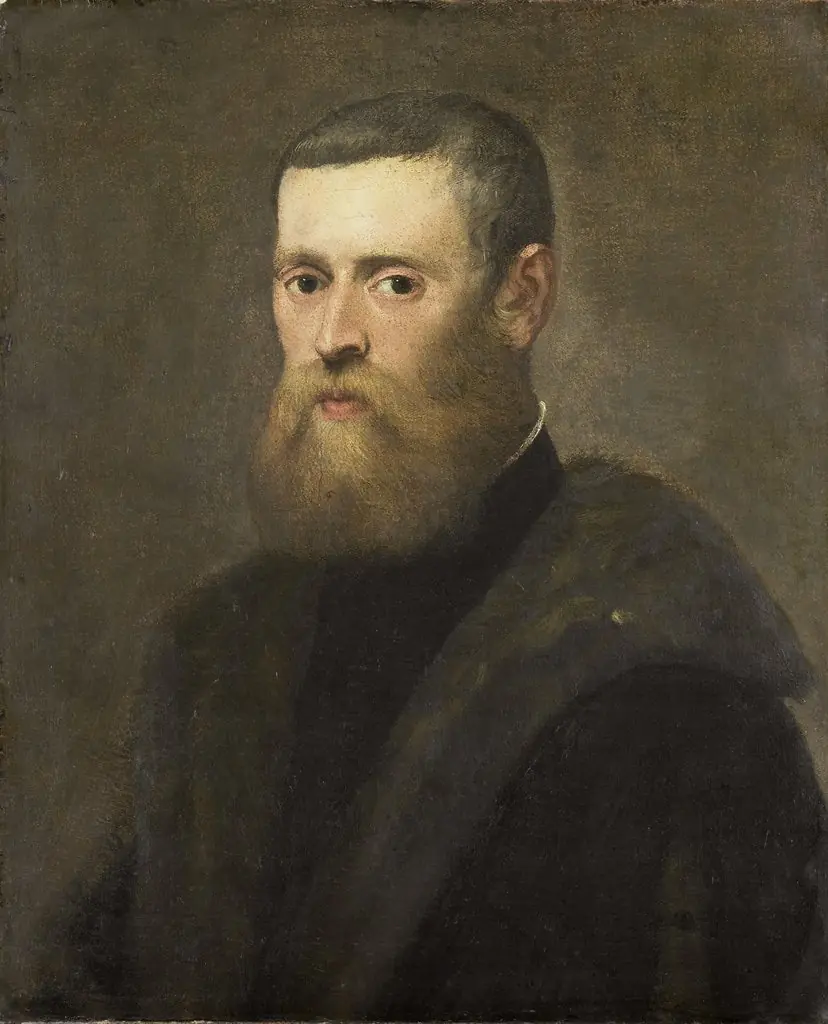 Portrait of a Man
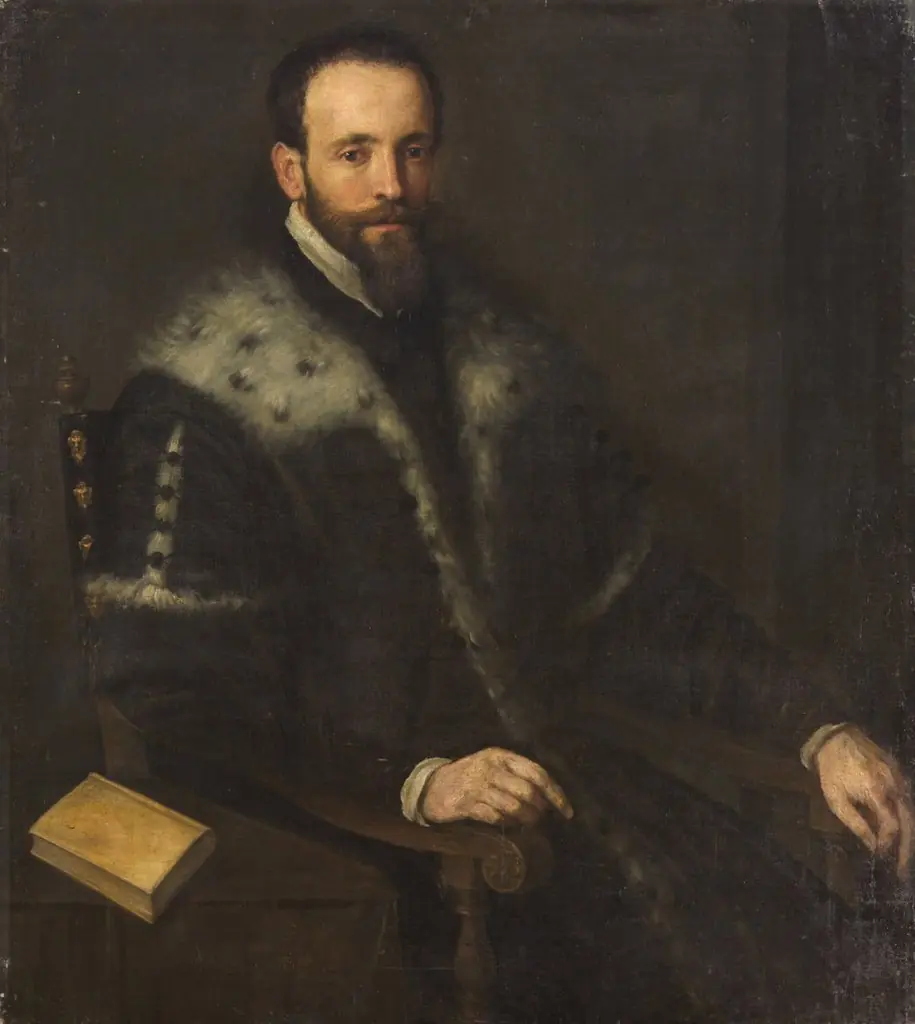 Bildnis eines Mannes im Lehnstuhl
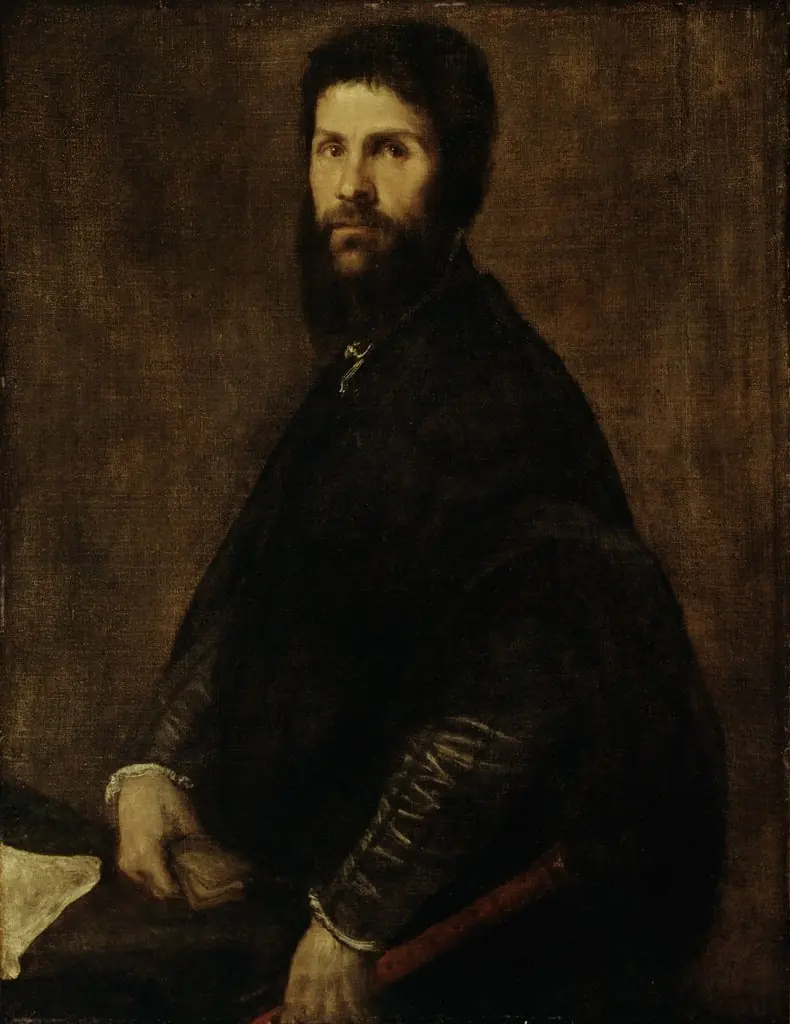 Man Holding a Flute
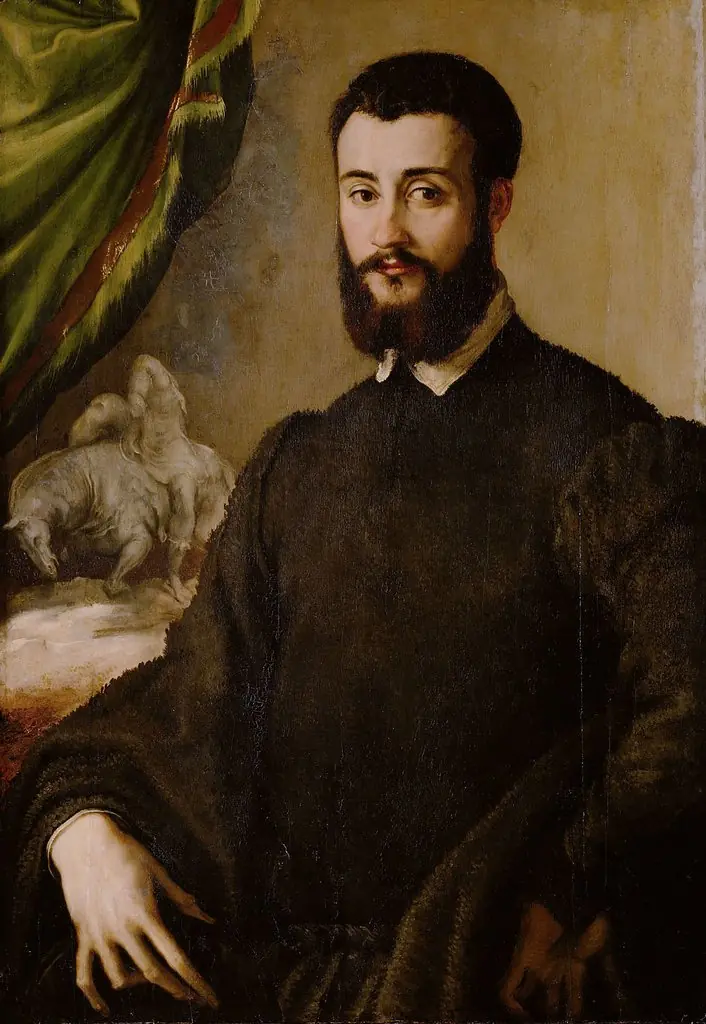 Bildnis eines Mannes aus der Familie Santacroce
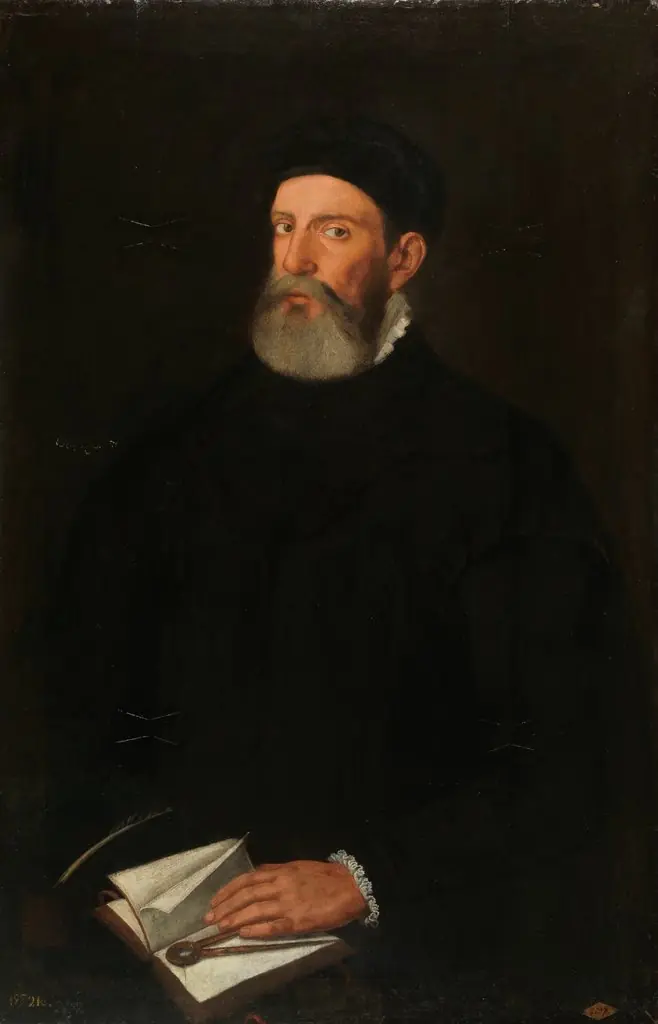 Portrait of an Architect
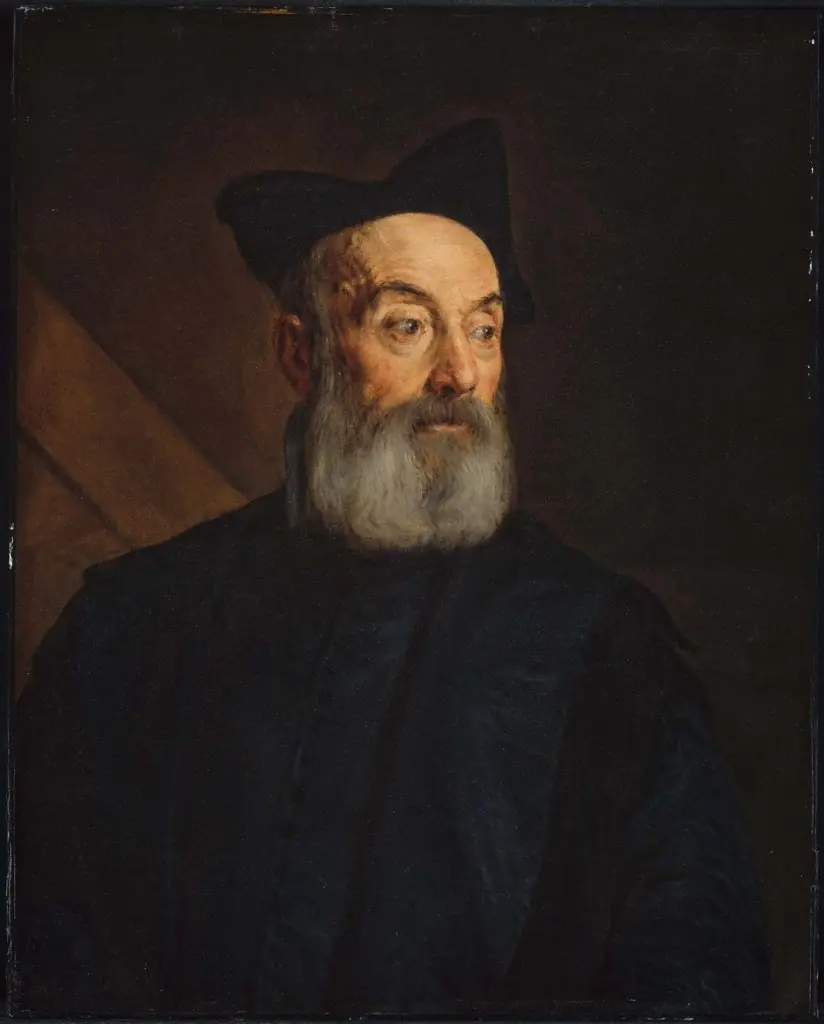 Portrait of a Man
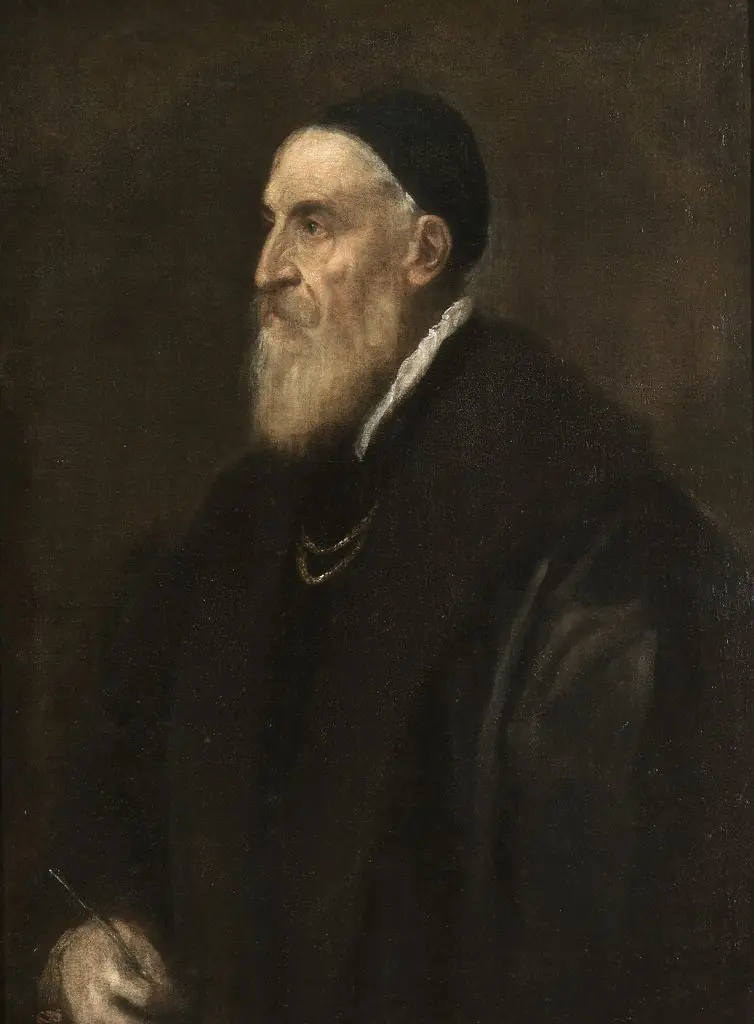 Self-Portrait
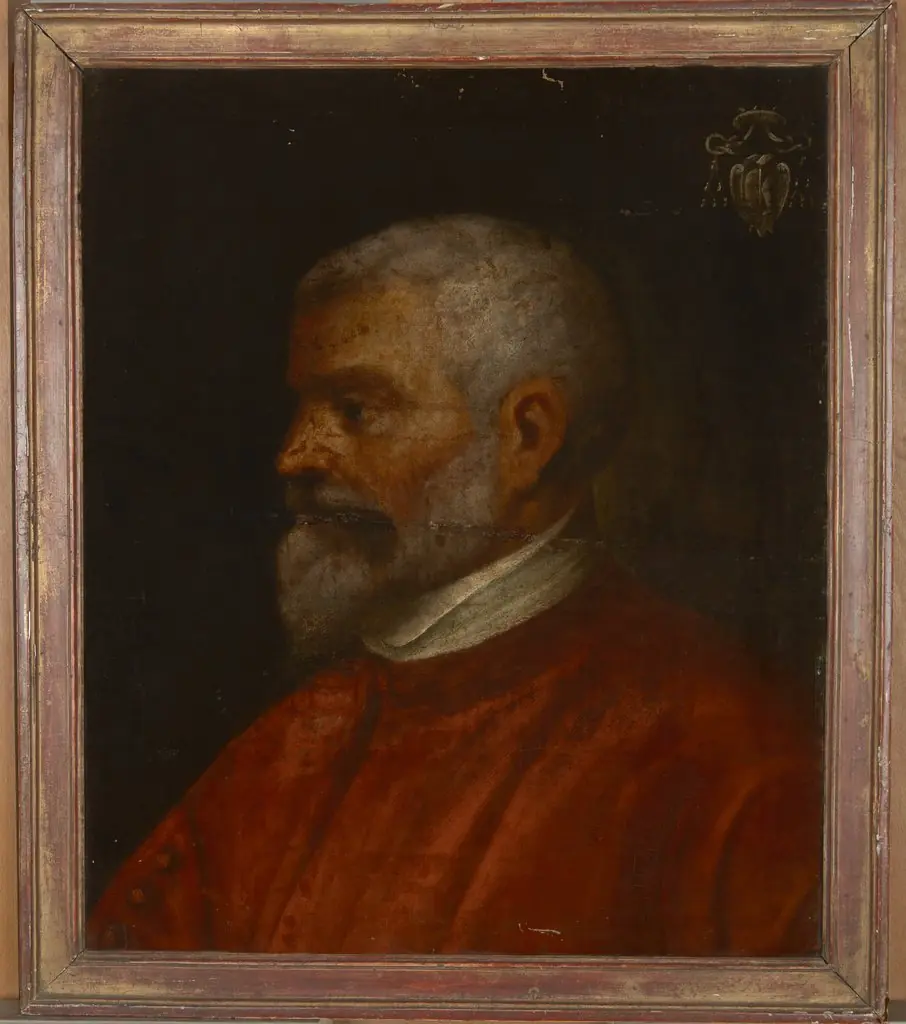 Portret kardynała Stanisława Hozjusza (1504-1579), biskupa warmińskiego
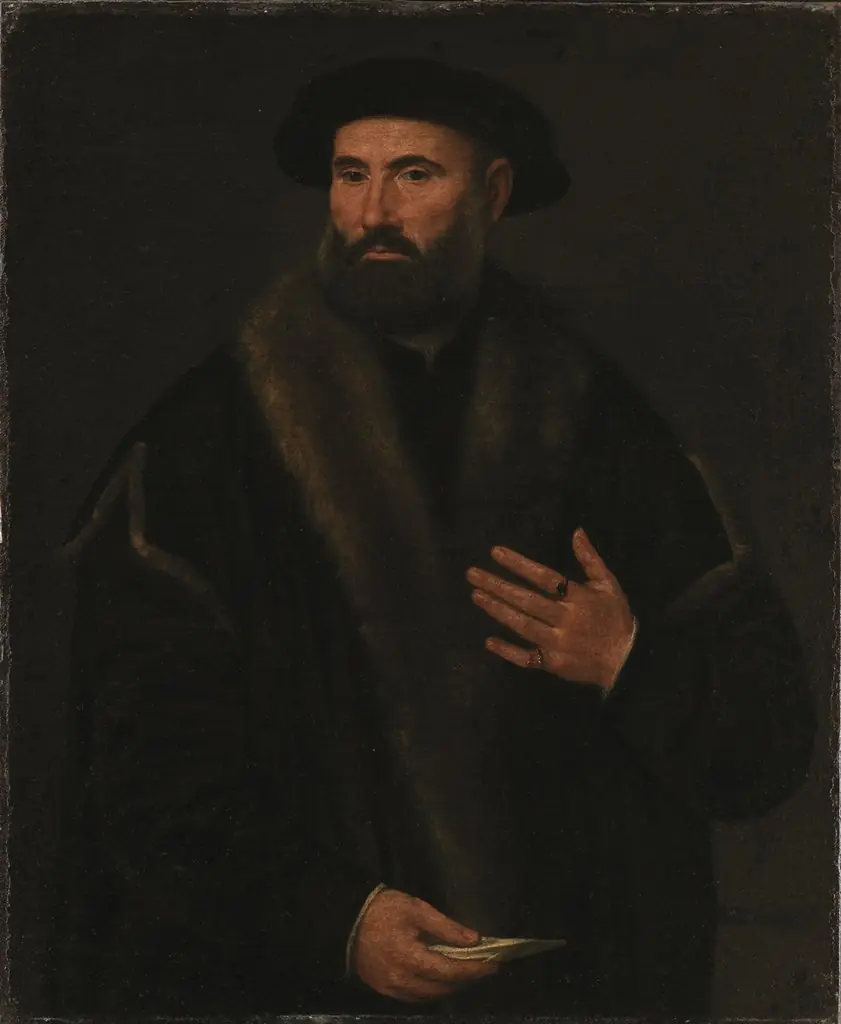 Portrait of a Man
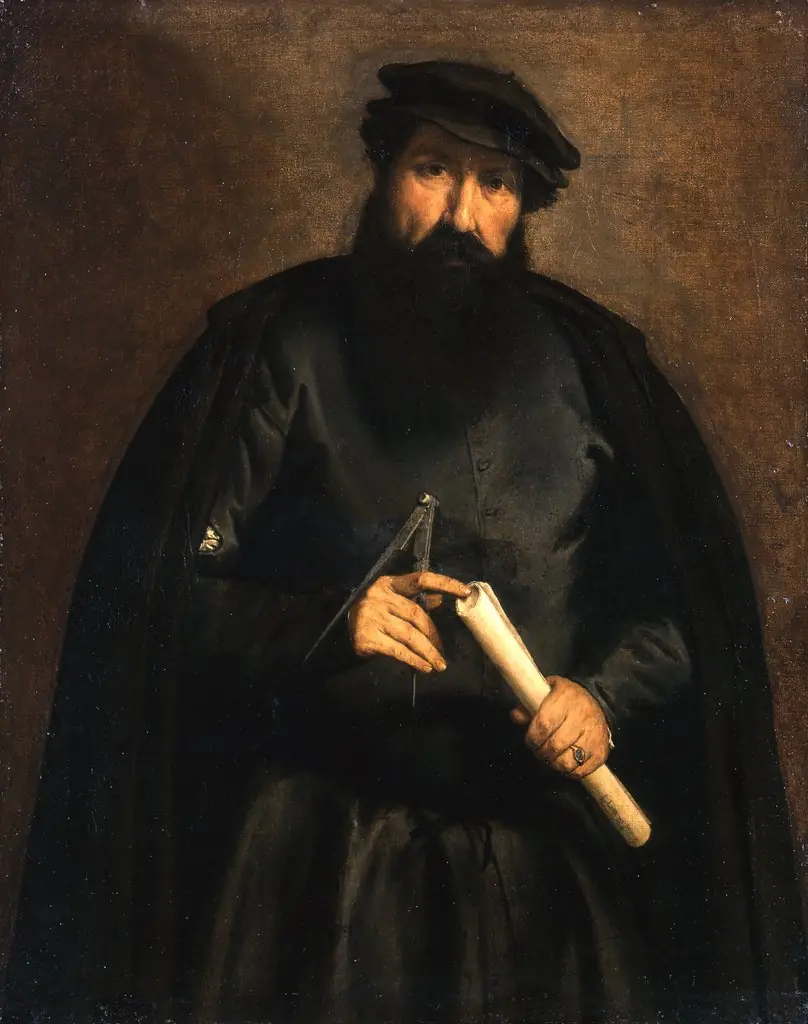 Portrait of an man with circle and paper roll
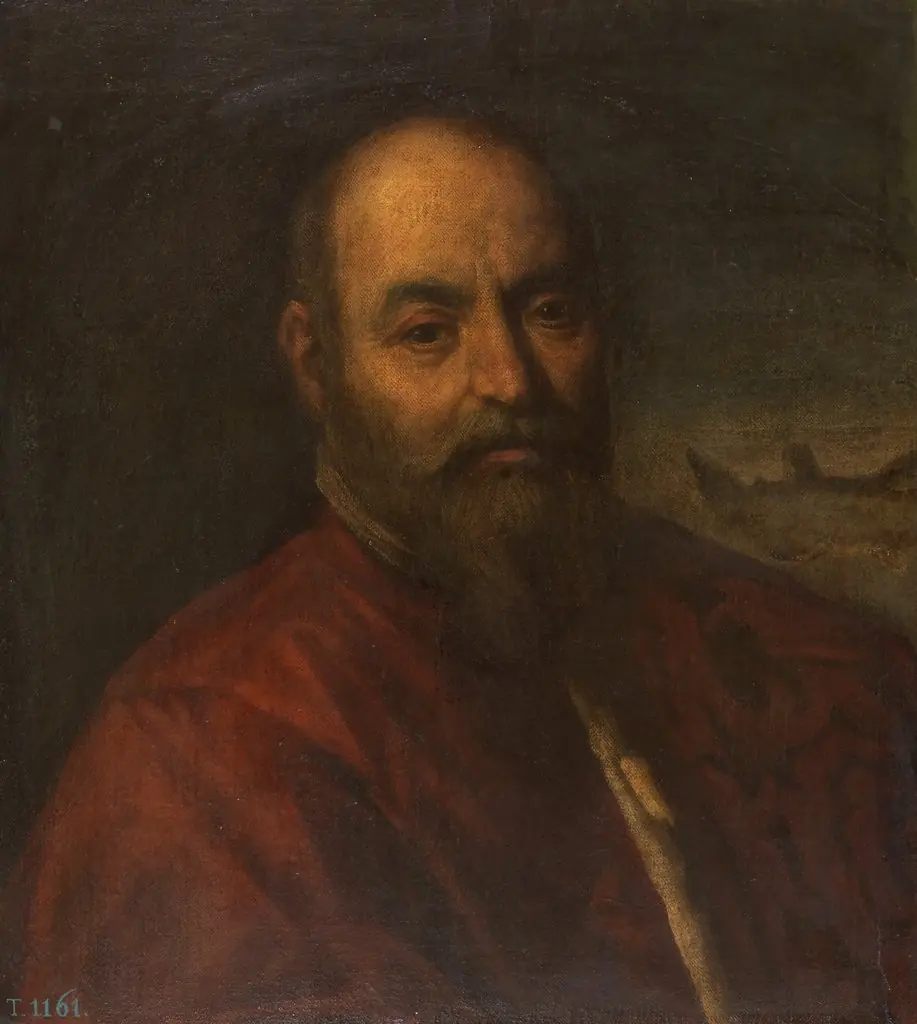 A Venetian Senator