Artwork
Portrait of a man (Etienne Delafons?)
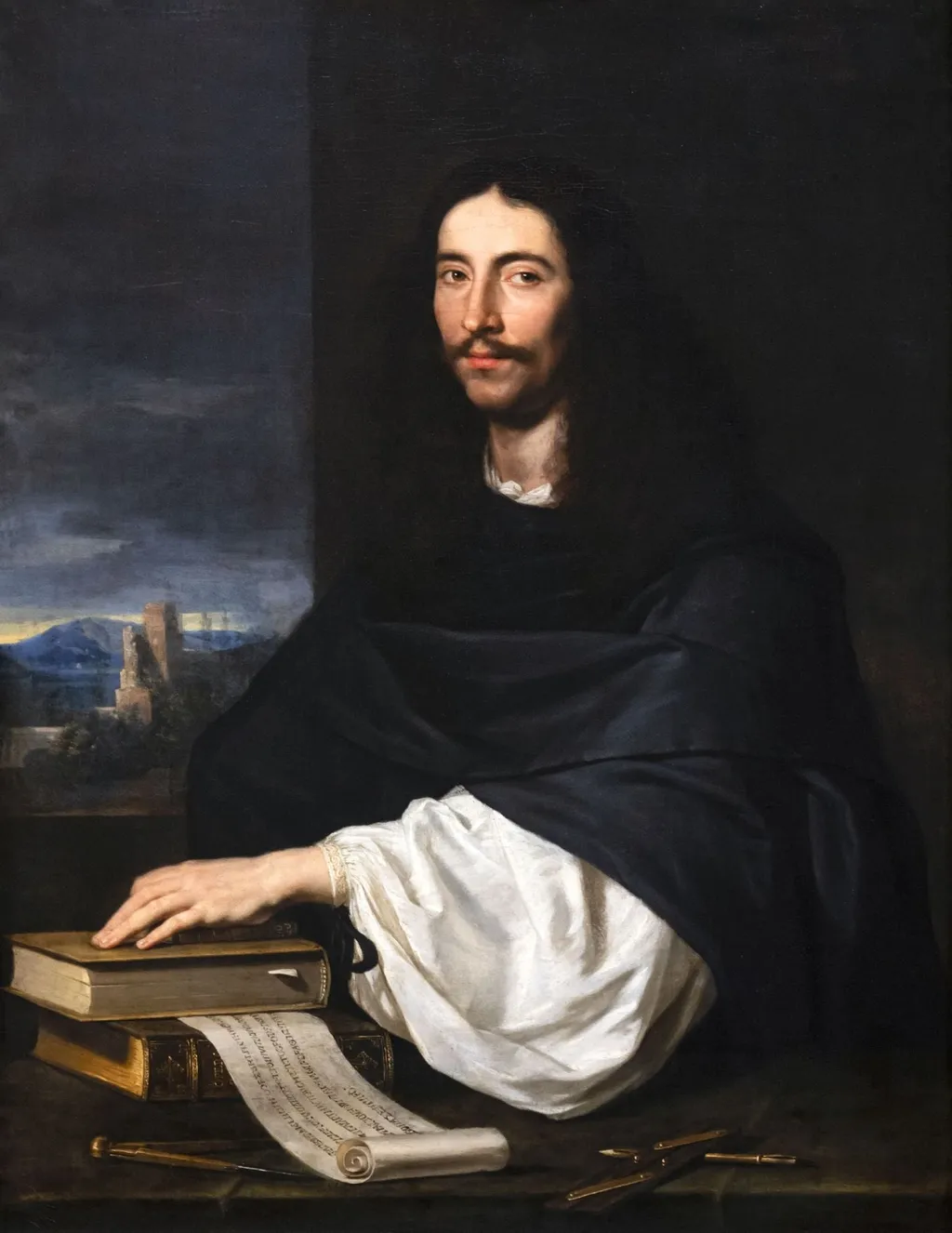
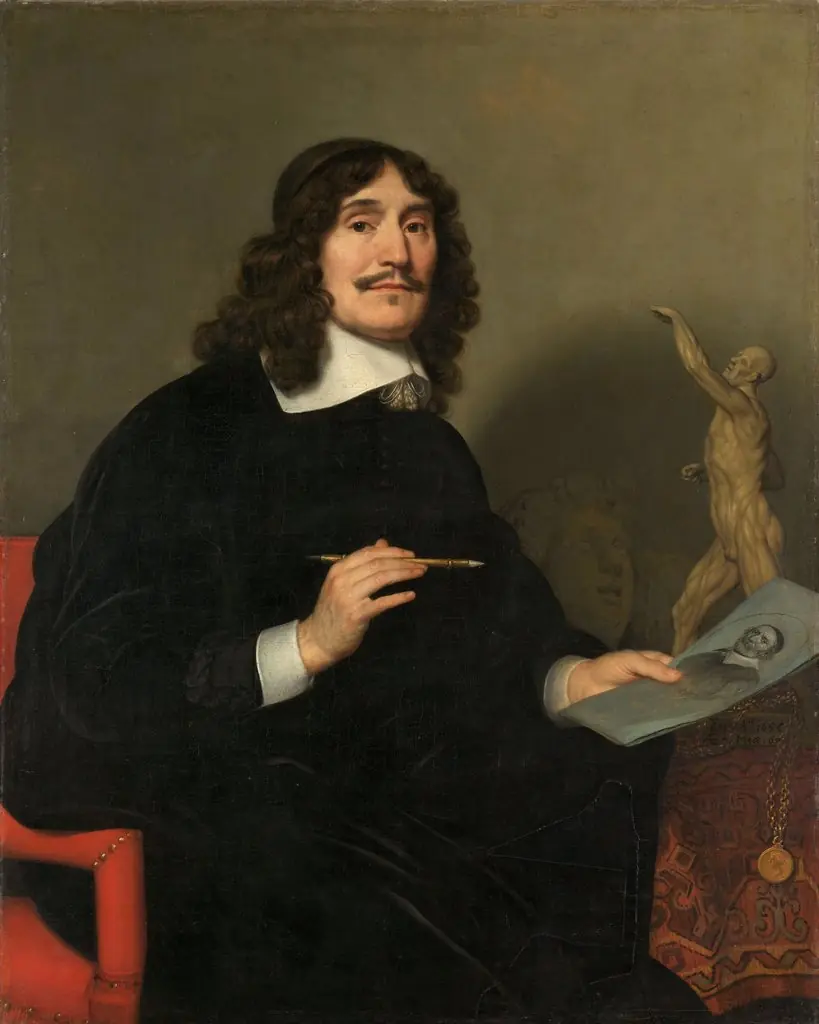
Portrait of a man (Etienne Delafons?) is an unspecified painting by Catherine de' Medici. It dates from 1650 and is held in the collection of the University of Cyprus. This portrait depicts a man seated at a table, facing the viewer, with a scroll bearing Greek-style lettering placed before him.
About this work
Overview
This portrait depicts a man seated at a table, facing the viewer, with a scroll bearing Greek-style lettering placed before him.
This portrait depicts a man seated at a table, facing the viewer, with a scroll bearing Greek-style lettering placed before him. Though the script resembles ancient Greek, it contains no legible words. The work is attributed to an artist connected to Jansenist intellectual circles, suggesting the inclusion of non-meaningful Greek script was intentional and culturally charged rather than an oversight.
Subject & Meaning
The figure is likely Étienne Delafons, a known associate of Port-Royal. The scroll’s illegible Greek letters function not as communication but as a symbol of scholarly refinement. In Jansenist thought, Greek was tied to theological purity and early Christian texts, making its visual presence a quiet assertion of identity amid Jesuit criticism. The empty script becomes a statement of cultural allegiance.
Technique & Style
The painting employs a restrained, naturalistic style with soft modeling of light and shadow. The man’s posture is calm, his gaze direct, reinforcing a sense of quiet intellect. The scroll is rendered with precise detail, drawing attention to its cryptic script. The background is muted, focusing attention on the figure and the symbolic object, emphasizing contemplation over narrative.
History & Provenance
The work originates from mid-17th century France, likely within the orbit of Port-Royal’s intellectual community. Its survival suggests it was valued by those familiar with Jansenist symbolism. Though its early ownership is undocumented, its thematic focus aligns with other portraits from the period that subtly encoded religious and philosophical affiliations through visual cues.
Context
During this period, Jansenists were engaged in theological disputes with Jesuits, who accused them of excessive Hellenism. The use of Greek script—even when meaningless—was a deliberate cultural signal. In art, such references served as coded affirmations of intellectual independence, resisting mainstream Catholic orthodoxy while appealing to a learned elite familiar with classical traditions.
Legacy
The portrait exemplifies how non-semantic text can carry weight in visual culture. Its legacy lies in demonstrating how artistic choices—like the use of unreadable Greek—can reflect deeper ideological tensions. It remains a quiet testament to the role of language as symbol, not just meaning, in early modern portraiture.
Own this work as a print
Artist & collection
Artist
Catherine de’ Medici’s portrait of Étienne Delafons shows a man in dark clothing against a plain background—simple, direct, and probably made in the 1500s.
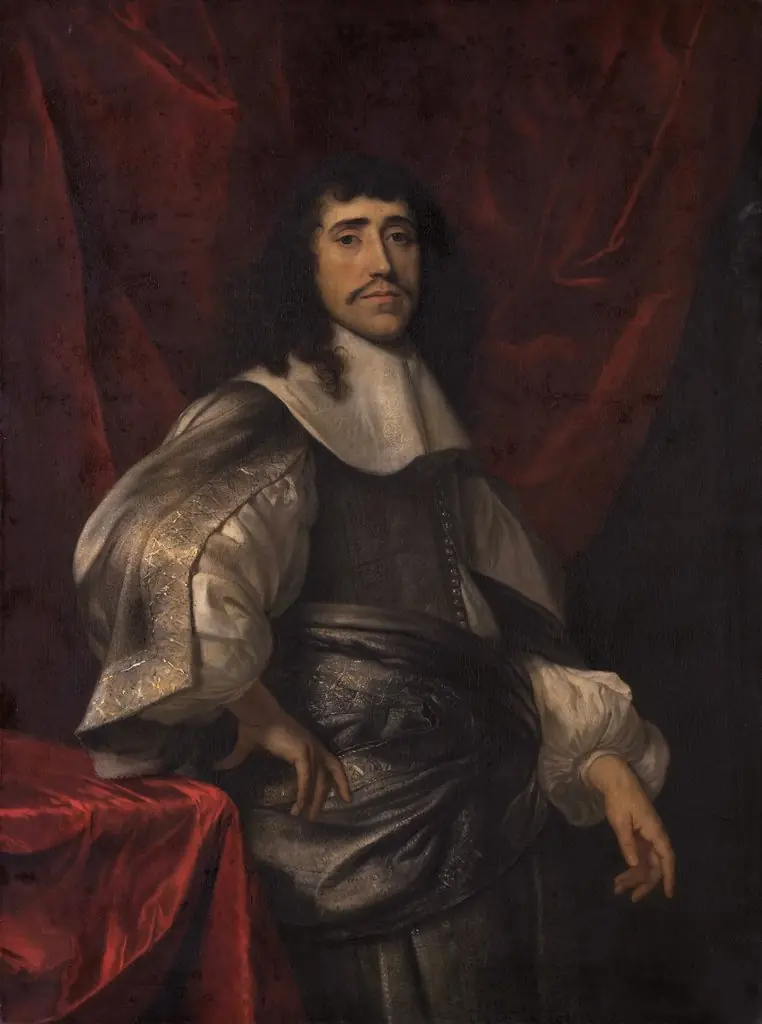 Portrait of a man, thought to be Christoffel van Gangelt
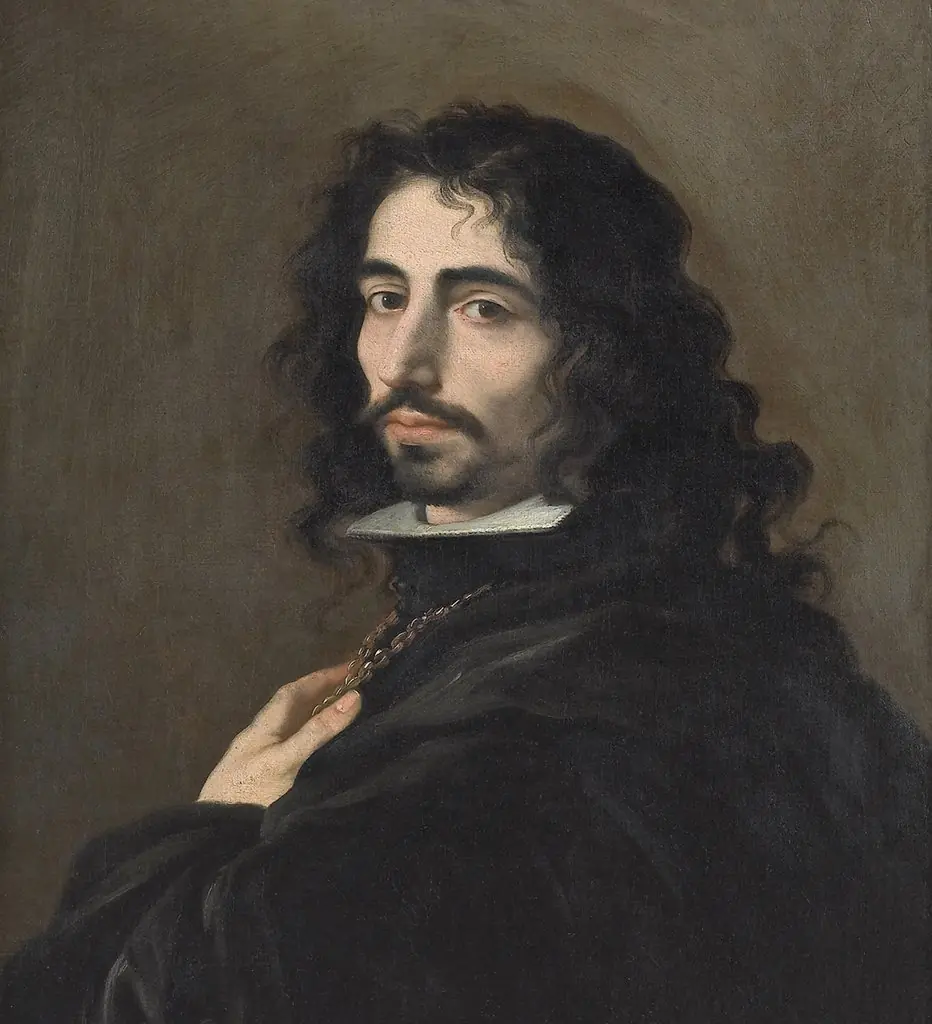 Self-portrait
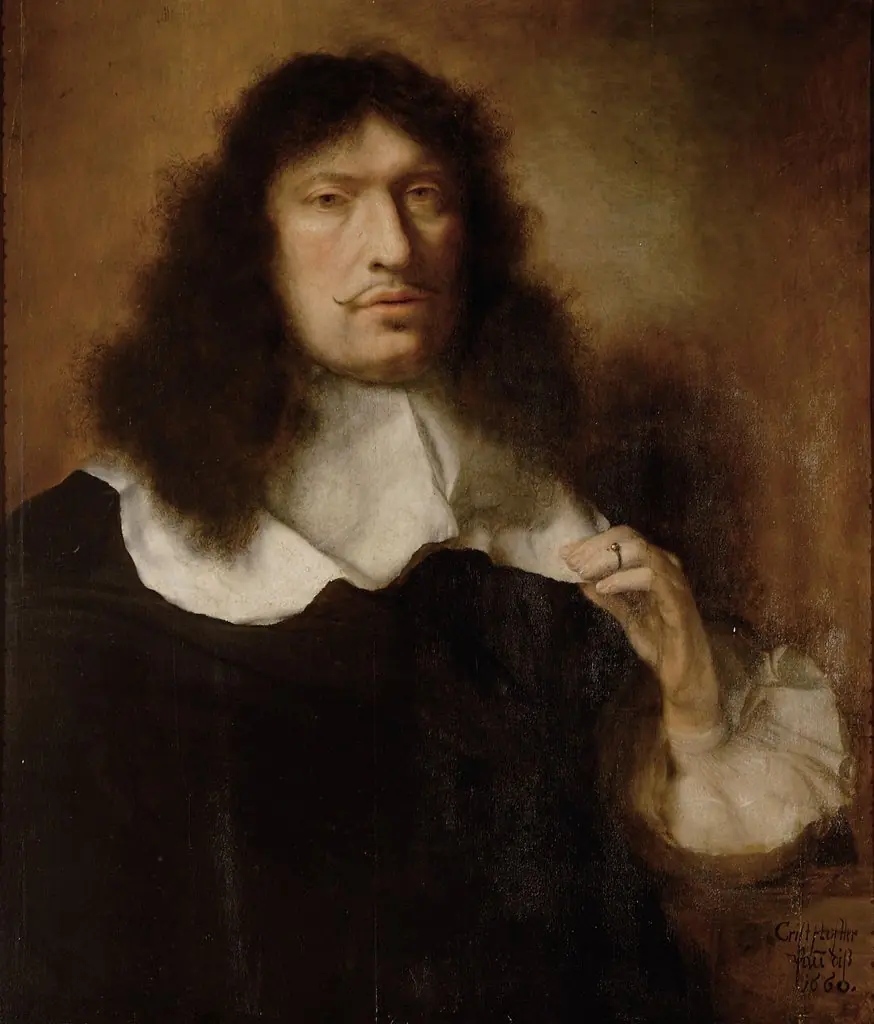 Portrait of a man with dark hair, probably Alphons Zeffiri
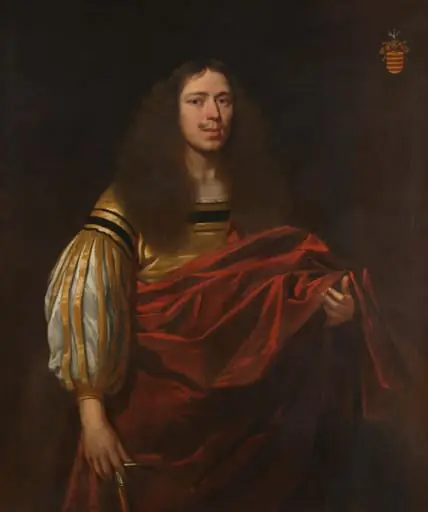 Untitled
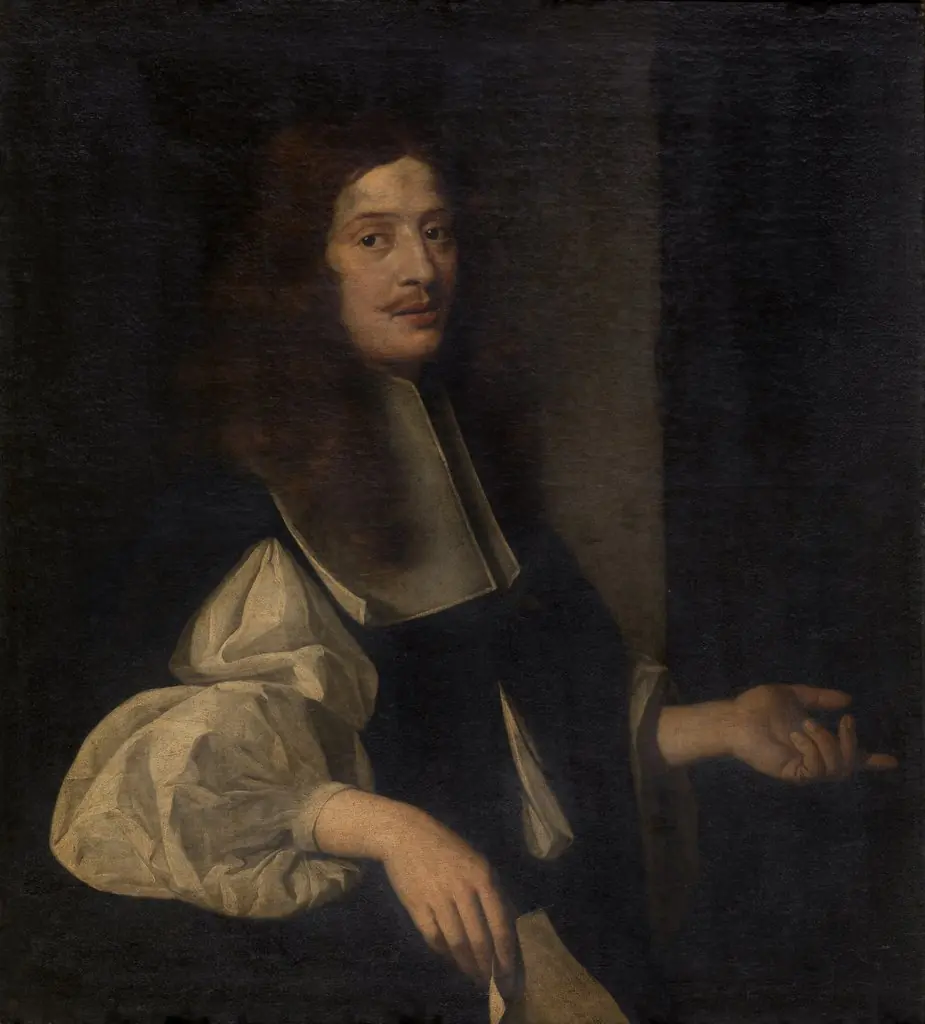 Portrait of a Man
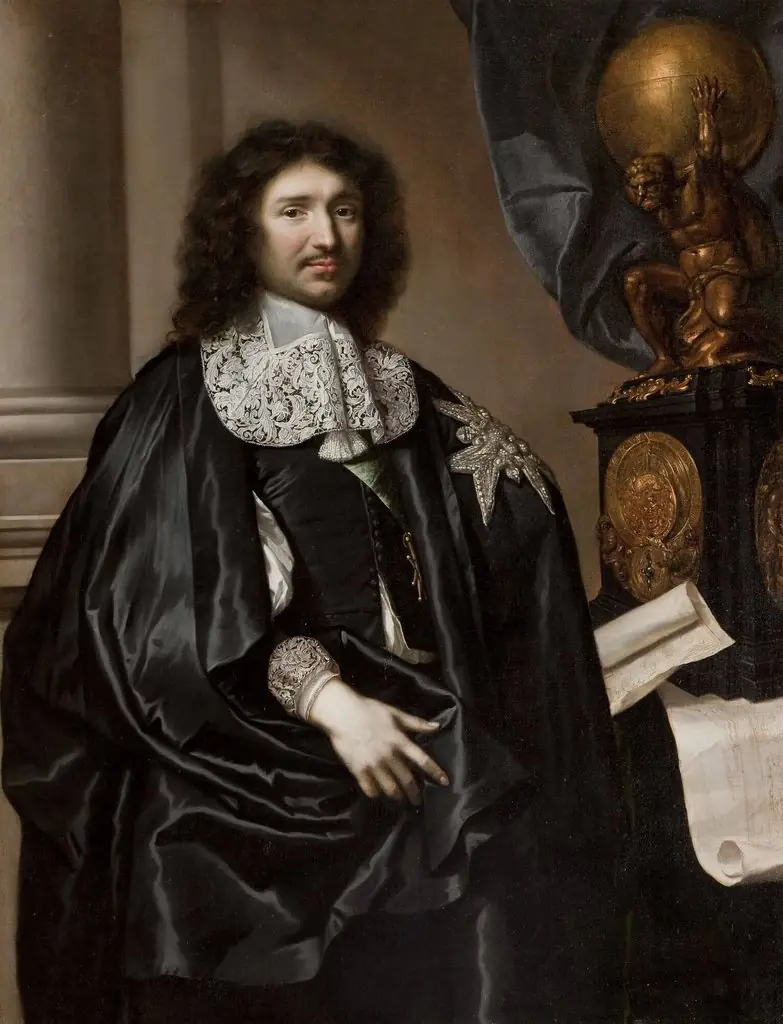 Portrait of Jean-Baptiste Colbert
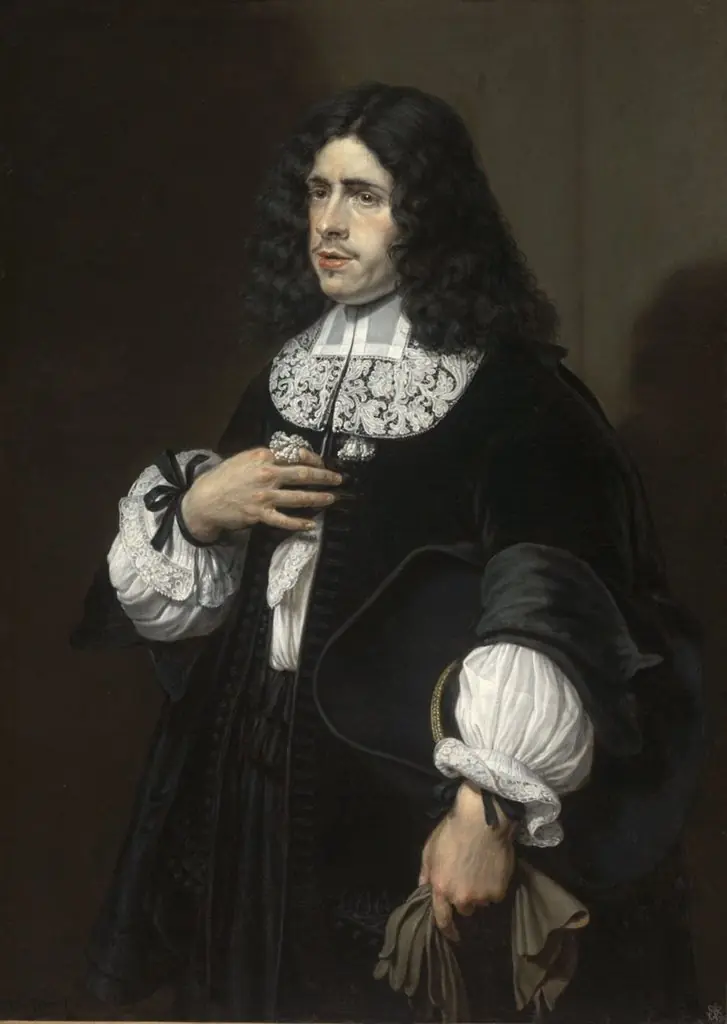 Portrait of a Man
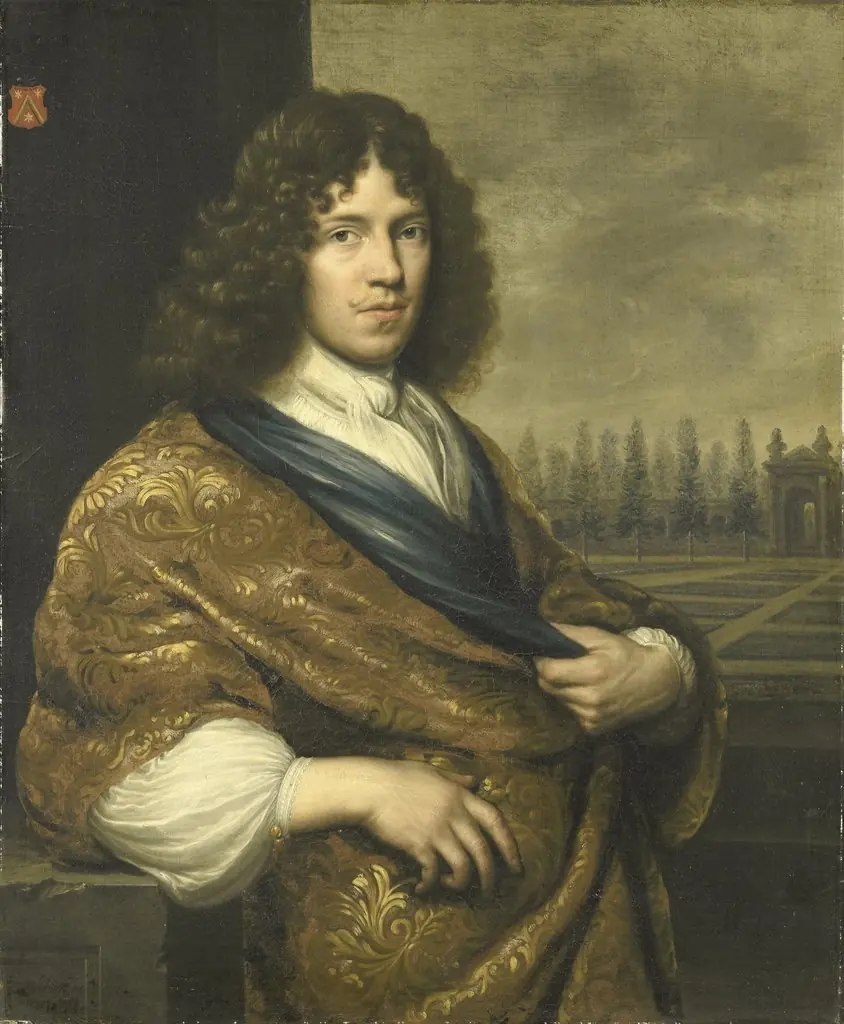 François Leidecker (1650-1718), Auditor General of Zeeland
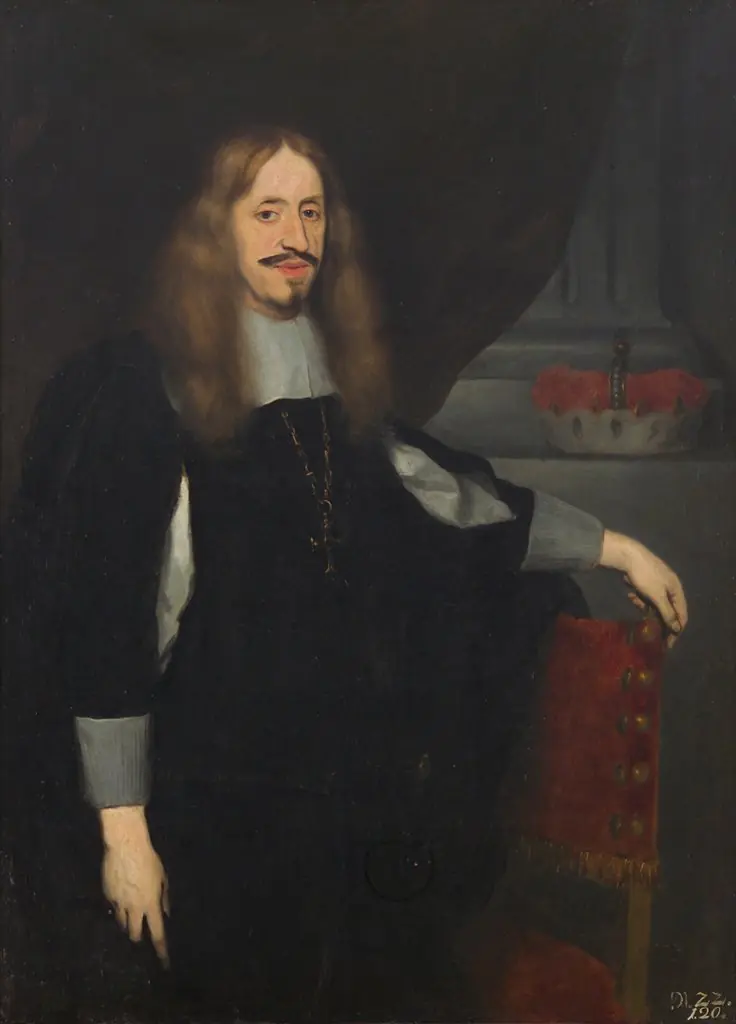 Portrait of archduke Leopold Wilhelm (1614-1662)
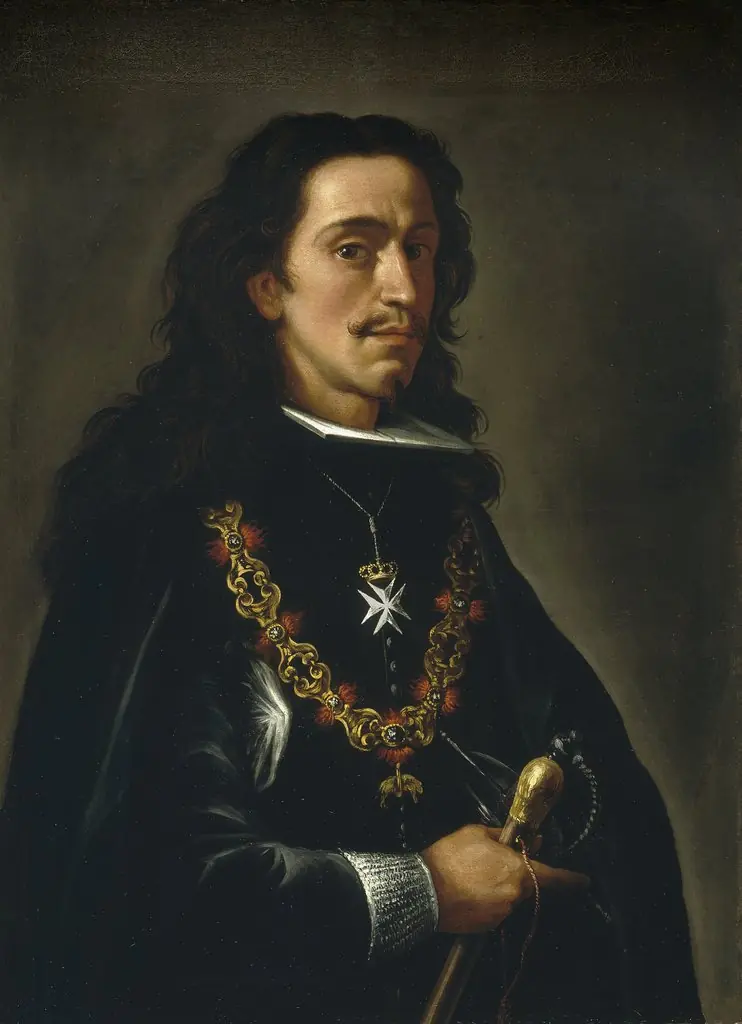 Don Juan José de Austria (¿?)
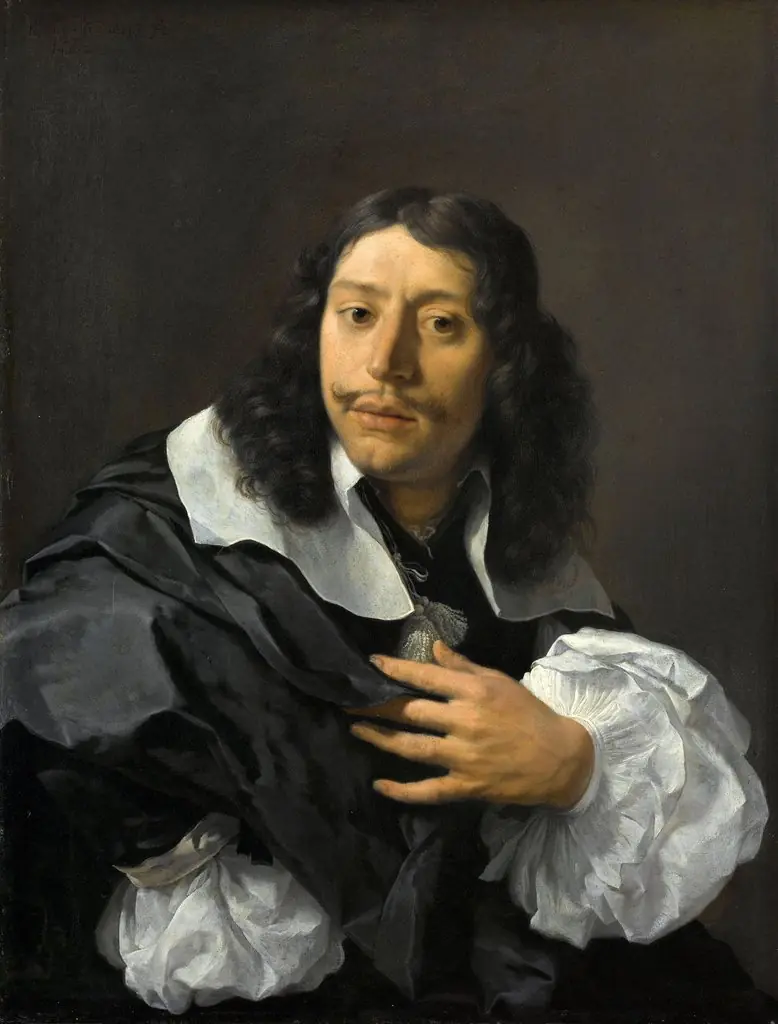 Self-portrait
 Portrait of an artist