Artwork
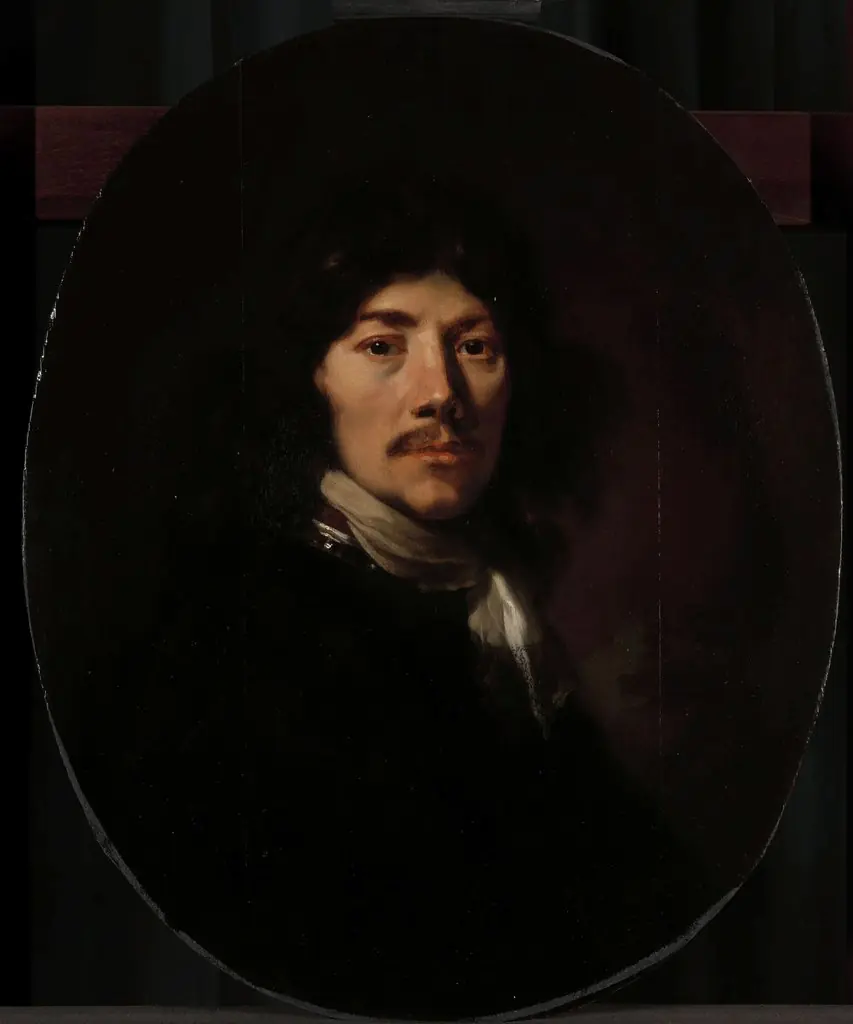
Portrait of a man, thought to be Christoffel van Gangelt
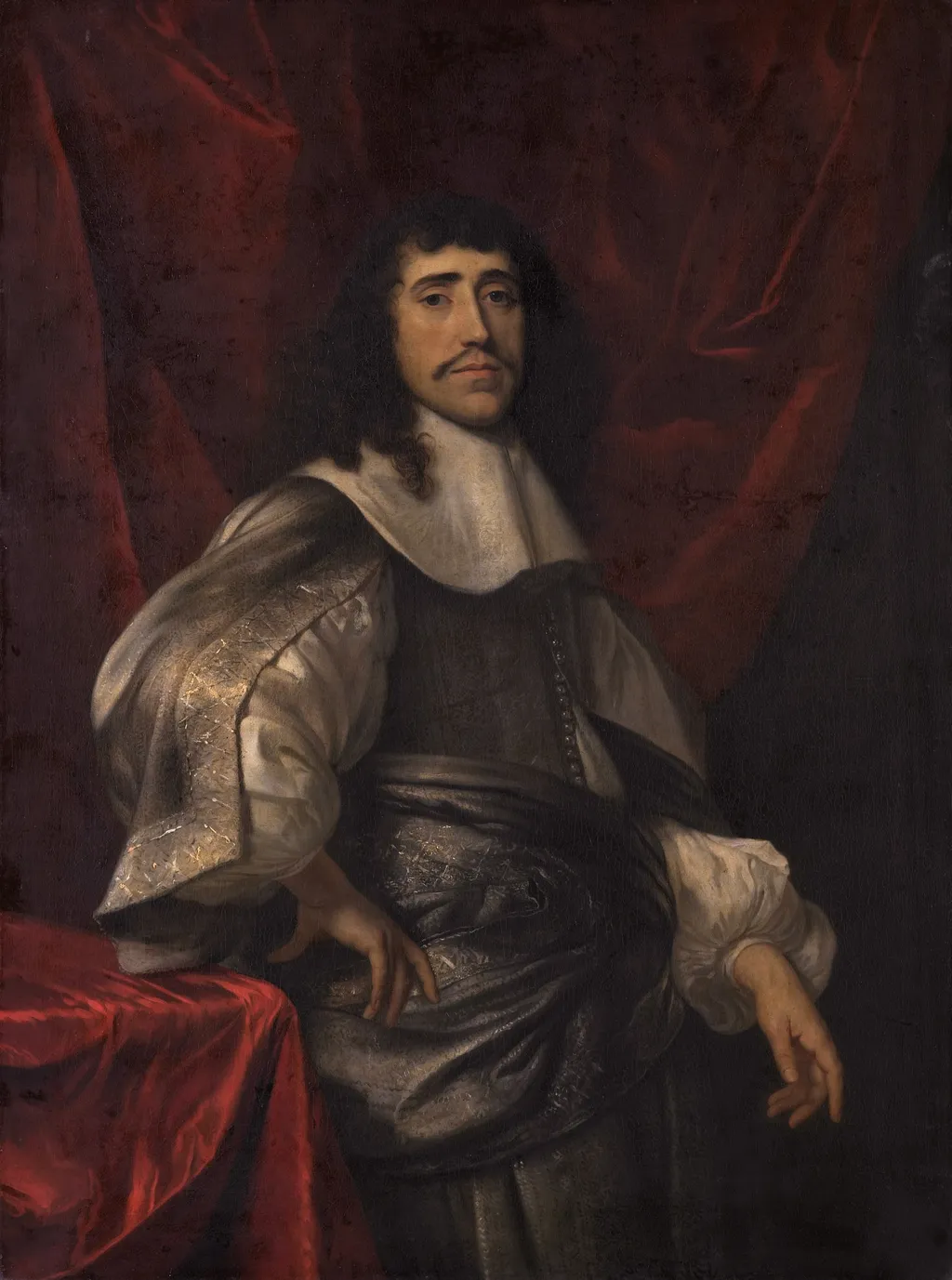
Portrait of a man, thought to be Christoffel van Gangelt is an oil painting by the Dutch Golden Age artist Jacob van Loo. It dates from 1650 and is held in the collection of the Rijksmuseum.
About this work
Overview
Created circa 1650 by Jacob van Loo, a Dutch painter active in Amsterdam before moving to Paris, this oil-on-canvas portrait depicts a formally dressed gentleman. The work belongs to the Rijksmuseum’s collection and exemplifies van Loo’s engagement with portraiture alongside his more celebrated history paintings.
Subject & Meaning
The sitter, identified by scholars as Christoffel van Gangelt, is presented in a dignified pose, his expression calm and composed. Attire of black and gray with a ruffled collar, together with a metallic arm guard, suggests a status of wealth and possibly a military or civic role, reflecting the conventions of mid‑seventeenth‑century Dutch portraiture.
Technique & Style
Van Loo employs a pronounced chiaroscuro, using deep shadows to model the folds of fabric and the sheen of metal. Highlights catch the polished surface of the arm guard and the texture of the cloth, creating a three‑dimensional effect that emphasizes the sitter’s presence against a dark, muted background.
History & Provenance
The painting entered the Rijksmuseum’s holdings through acquisition in the early twentieth century, though earlier ownership records are sparse. Its attribution to van Loo has been affirmed by stylistic analysis and comparison with documented works from his Amsterdam period.
Context
During the Dutch Golden Age, portraiture served both as a record of individual identity and as a display of social standing. Van Loo’s work reflects this dual purpose, integrating the refined elegance of courtly dress with the realistic treatment of light and material that characterized the era’s artistic practice.
Own this work as a print
Artist & collection
Artist
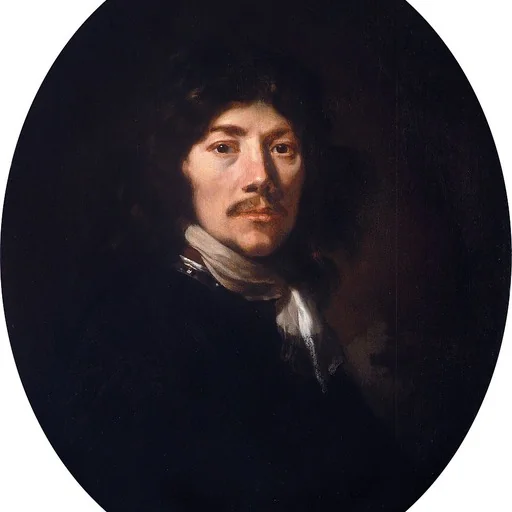
Jacob van Loo (1614 – 26 November 1670) was a painter of the Dutch Golden Age, chiefly active in Amsterdam and, after 1660, in Paris.