Artwork
Cerșetor
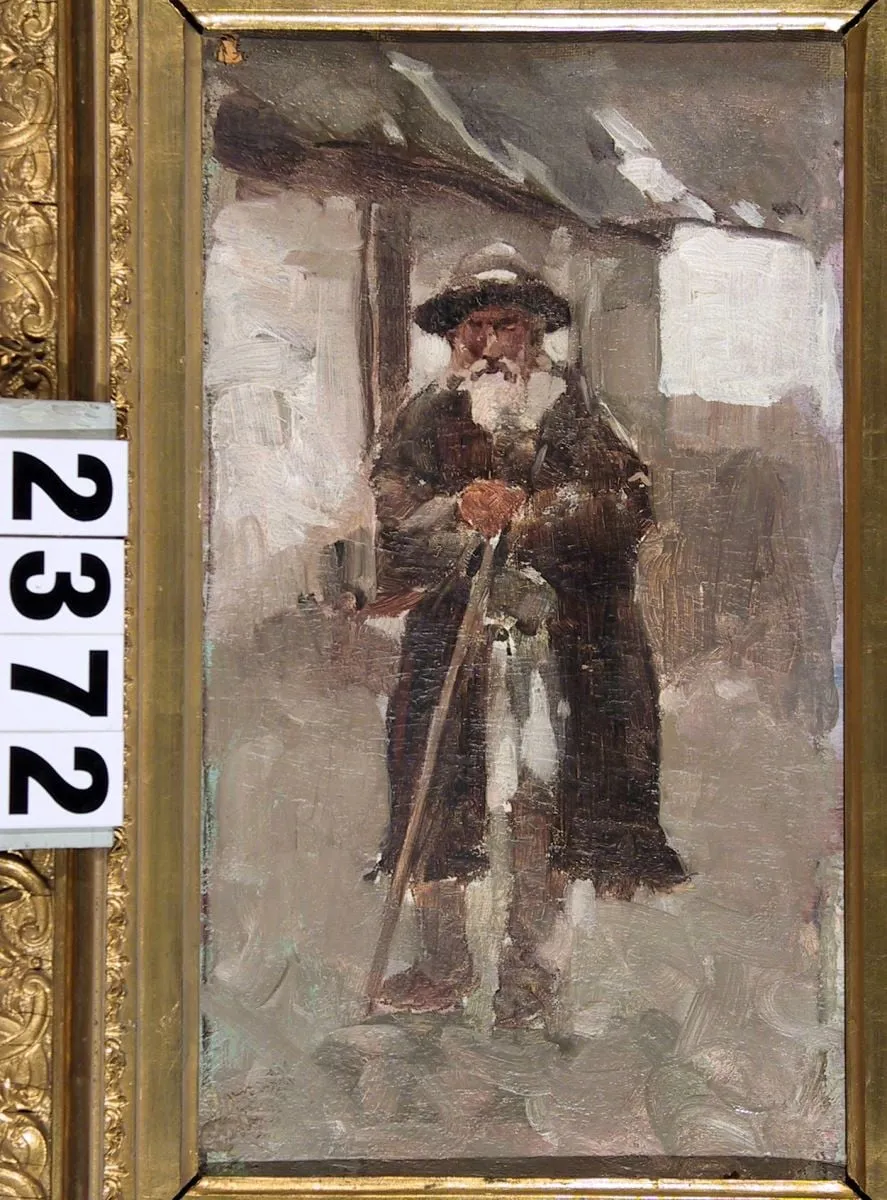
Cerșetor is an unspecified painting by Ștefan Luchian. It is held in the collection of the Brukenthal National Museum.
About this work
Overview
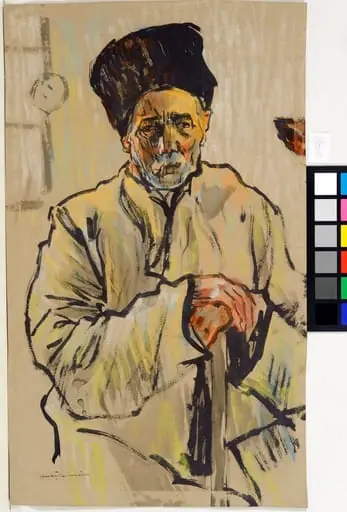
The figure stands alone against a subdued, earth-toned background, his posture and expression conveying stillness and introspection.
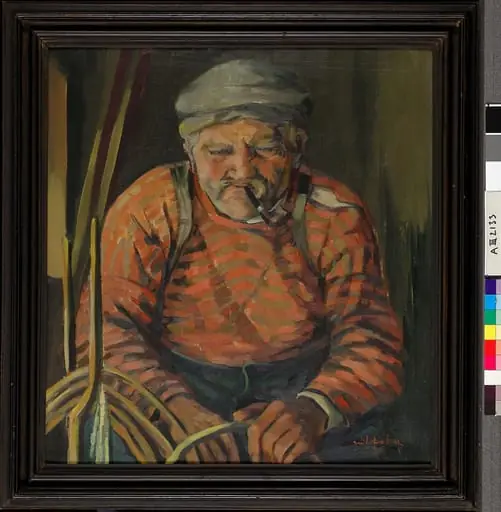
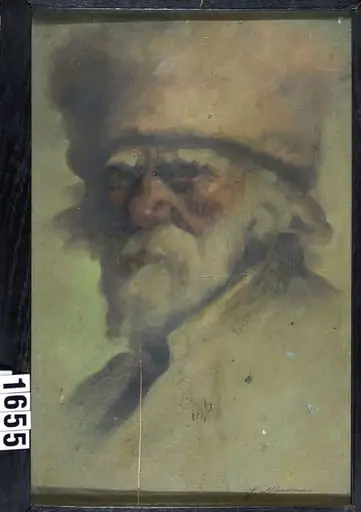
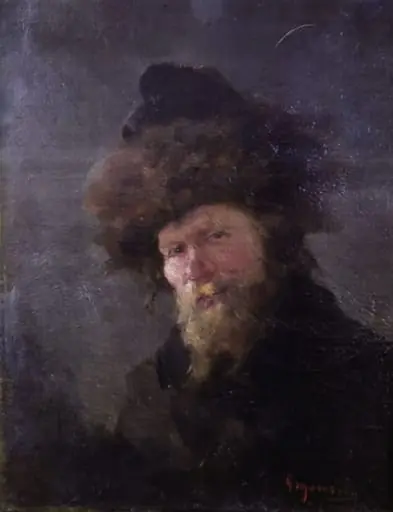
Cerșetor is a portrait of an elderly beggar, rendered in oil on canvas by Romanian artist Ștefan Luchian. The figure stands alone against a subdued, earth-toned background, his posture and expression conveying stillness and introspection. The composition centers on the man’s weathered face and clasped hands, emphasizing dignity amid hardship. Luchian’s restrained palette and deliberate brushwork avoid sentimentality, focusing instead on quiet humanity.
Subject & Meaning
The subject is an aging man, likely marginalized by society, depicted without theatricality or pity. His white beard, worn clothing, and cane suggest years of hardship, yet his composed stance and direct gaze invite empathy rather than charity. The painting resists narrative closure, offering no context for his condition—only a moment of silent presence. This ambiguity deepens its emotional resonance, framing poverty as a human condition rather than a social spectacle.
Technique & Style
Luchian employs a muted, earthy palette dominated by browns, grays, and muted ochres, enhancing the somber mood. His brushwork is textured yet controlled, with thicker impasto on the beard and hands to suggest age and tactile reality. The background is softly blurred, directing focus to the figure’s face and gestures. Light falls subtly across the subject, modeling form without dramatic contrast, reinforcing the painting’s introspective tone.
History & Provenance
Cerșetor was painted by Ștefan Luchian during the late 19th or early 20th century, a period when Romanian artists increasingly turned to realist depictions of everyday life. The work remained in private collections for much of the 20th century before entering a public institution. Its provenance reflects broader shifts in Romanian cultural policy, which later valued such works as expressions of national identity and social conscience.
Context
Luchian created this work amid Romania’s transition from agrarian society to modern statehood. While urbanization accelerated, rural poverty persisted, and artists like him documented the lives of the disenfranchised. Cerșetor aligns with broader European realist traditions but avoids political rhetoric. Its quiet dignity reflects Luchian’s personal philosophy: to portray truth without judgment, honoring the individual within social structures.
Legacy
Cerșetor is regarded as one of Luchian’s most enduring portraits for its emotional restraint and technical precision. It influenced later Romanian realists who sought to depict ordinary lives with psychological depth. Though not widely exhibited internationally, it holds a significant place in Romania’s national art canon, symbolizing the artist’s commitment to humanist observation over idealization.
Artist & collection
Artist
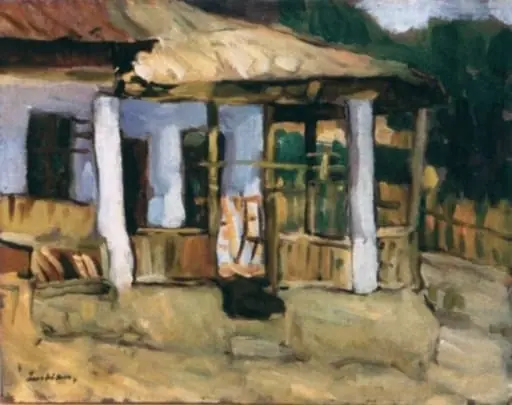
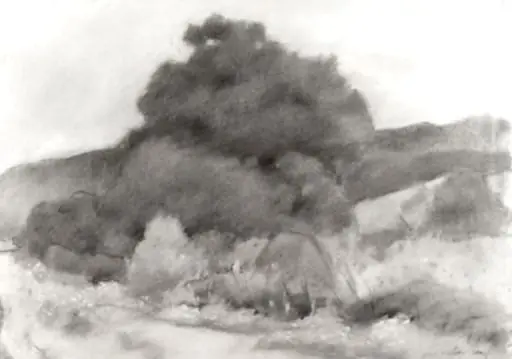
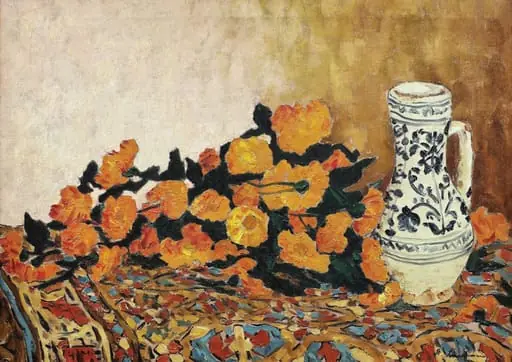
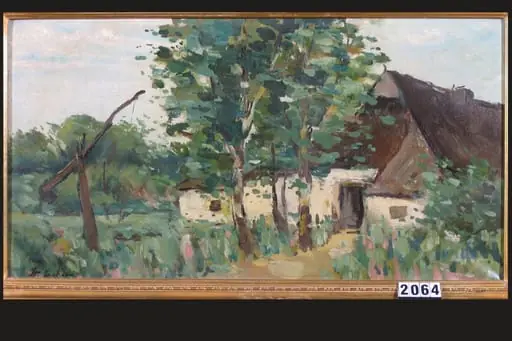
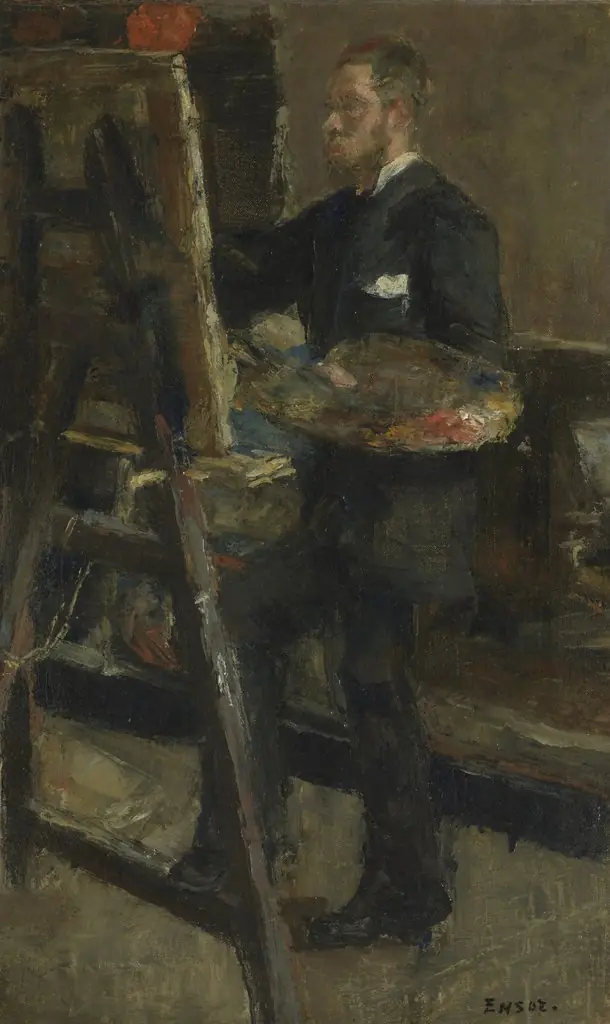
Ștefan Luchian painted quiet scenes of daily life in late-1800s Romania: sunlit houses, country roads, and a single studio work called Atelierul from 1894.