Artwork
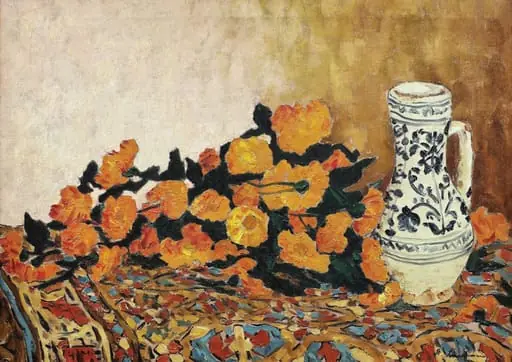
Flori - Anemone
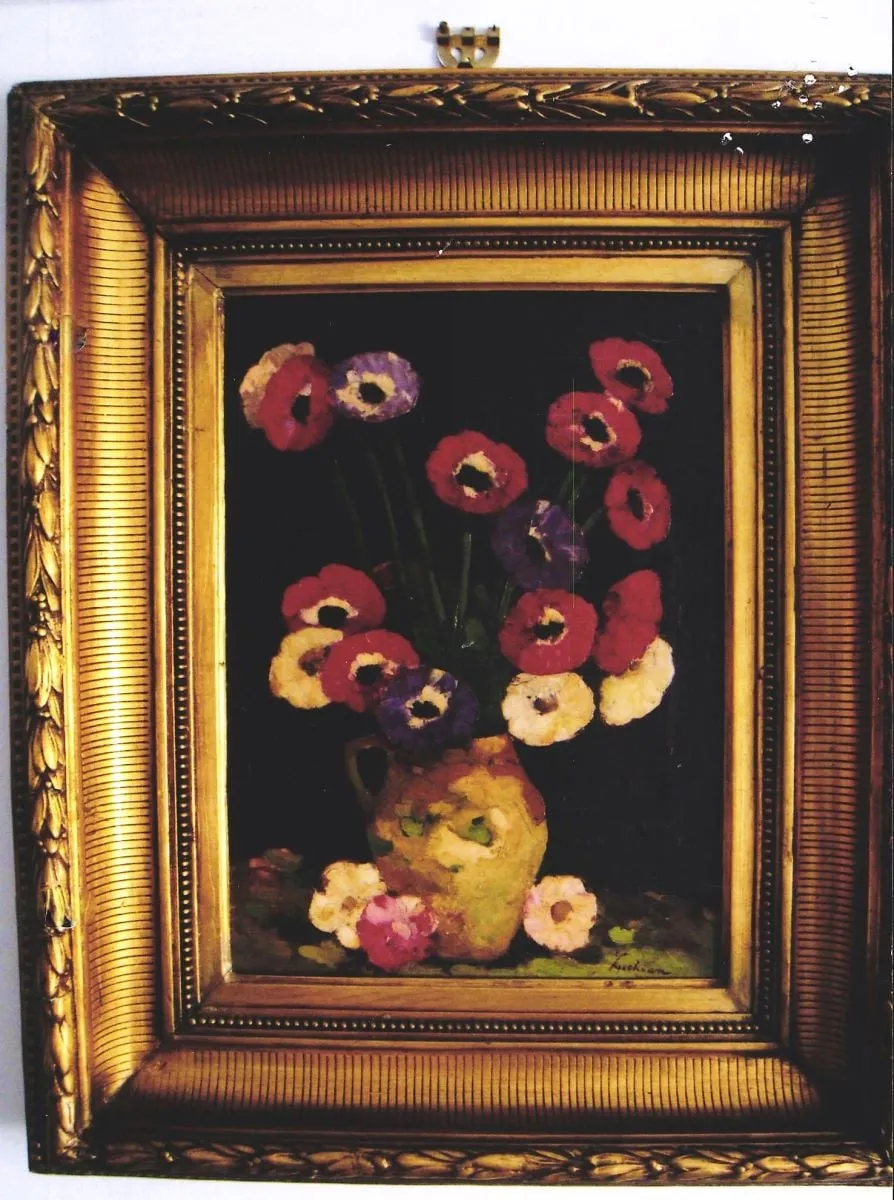
Flori - Anemone is an unspecified painting by Ștefan Luchian. It dates from 1905 and is held in the collection of the Colecție particulară - București.
About this work
Overview
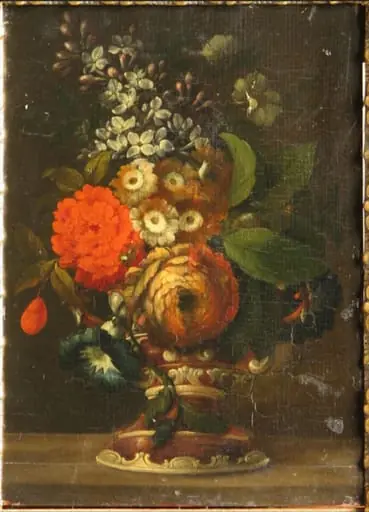
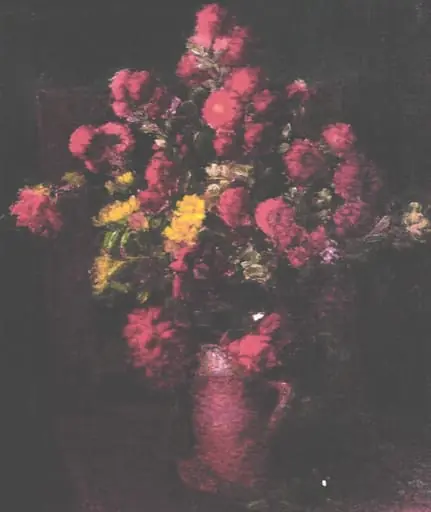
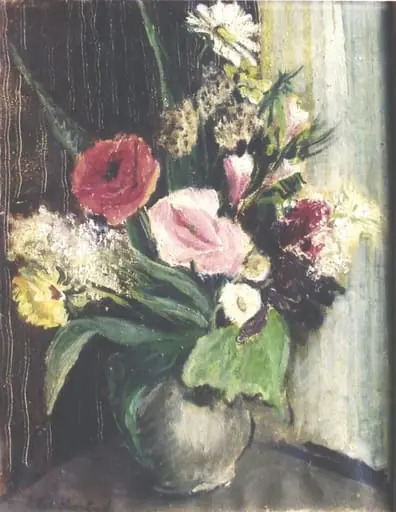
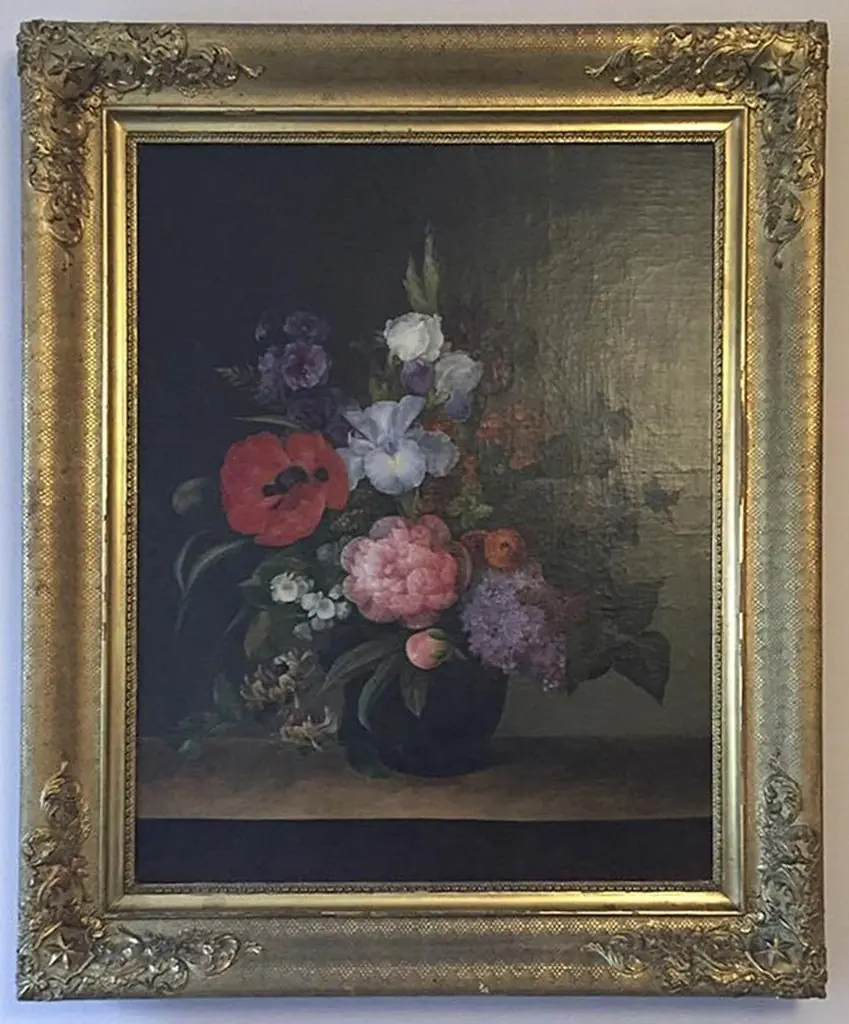
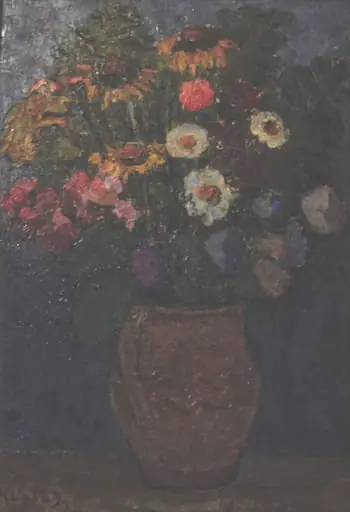
Painted around 1905 by Ștefan Luchian, Flori - Anemone is a still life depicting a cluster of wildflowers in a crude ceramic vessel.
Painted around 1905 by Ștefan Luchian, Flori - Anemone is a still life depicting a cluster of wildflowers in a crude ceramic vessel. The work is part of the Museum of Ethnography’s collection. Its composition emphasizes natural spontaneity over formal arrangement, with flowers spilling loosely from the vase. The dark, nearly black background isolates the blooms, heightening their chromatic intensity and tactile presence.
Subject & Meaning
The painting presents a modest bouquet of red poppies, purple anemones, and pale blossoms, gathered as if from a garden or roadside. There is no symbolic narrative or idealized beauty; instead, the work captures the fleeting, unrefined character of wild flora. The irregular arrangement suggests immediacy—a momentary gathering rather than a staged display—reflecting a quiet reverence for ordinary natural forms.
Technique & Style
Luchian applied paint thickly, especially on the vase, using heavy impasto strokes to convey rough texture and weight. The flowers are rendered with looser, more fluid brushwork, contrasting the vessel’s solidity. The dark background is thinly painted, allowing the vibrant petals to emerge with luminous clarity. This interplay of texture and color prioritizes sensory presence over precise detail.
History & Provenance
Created during Luchian’s mature period, the painting entered the Museum of Ethnography’s holdings in the early 20th century. Its inclusion in an ethnographic institution, rather than a fine arts collection, reflects contemporary interest in folk aesthetics and everyday visual culture. The work remained relatively unaltered since its creation, preserving its original surface and compositional integrity.
Context
Luchian worked amid Romania’s broader artistic shift toward realism and naturalism, distancing from academic conventions. Flori - Anemone aligns with European trends in still life that valued emotional authenticity over polish, echoing contemporaries like Van Gogh and Cézanne. The painting’s informal structure and emphasis on materiality reflect a wider cultural turn toward the unadorned and the local.
Legacy
The painting exemplifies Luchian’s contribution to Romanian modernism through his sensitive handling of light, texture, and organic form. While not widely exhibited outside Romania, it remains a touchstone for understanding his approach to still life as a vehicle for emotional and sensory truth. Its presence in an ethnographic context underscores its role in redefining artistic value through everyday observation.
Artist & collection
Artist
Ștefan Luchian painted quiet scenes of daily life in late-1800s Romania: sunlit houses, country roads, and a single studio work called Atelierul from 1894.