Artwork
Trandafiri
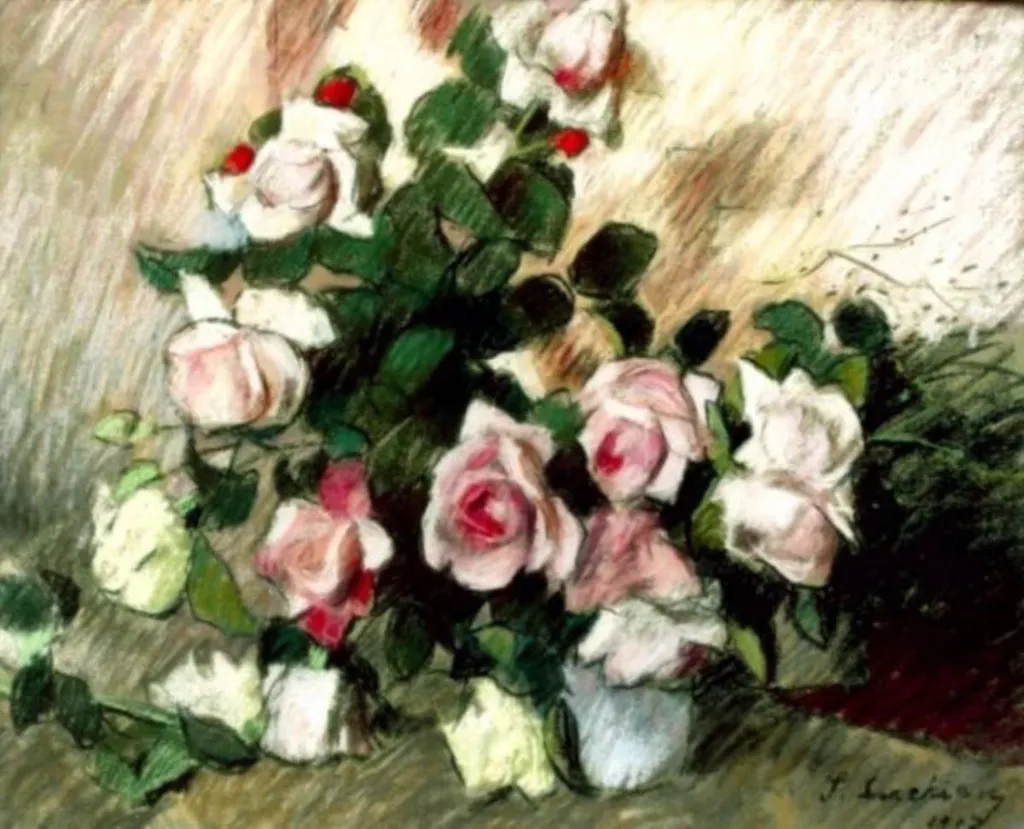
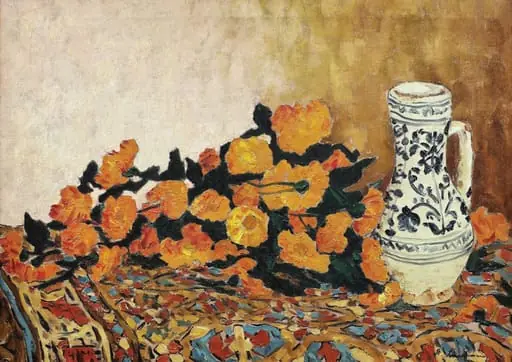
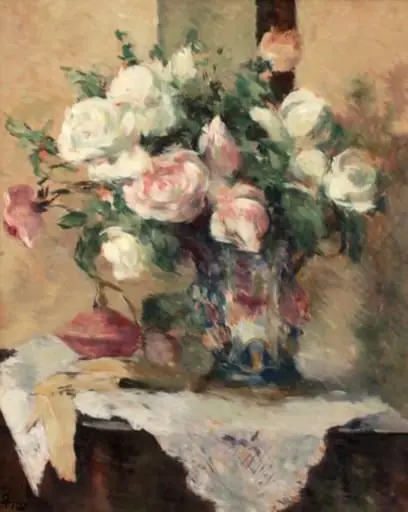
Trandafiri is an unspecified painting by Ștefan Luchian. It dates from 1907 and is held in the collection of the Bucharest Municipality Museum.
About this work
Overview
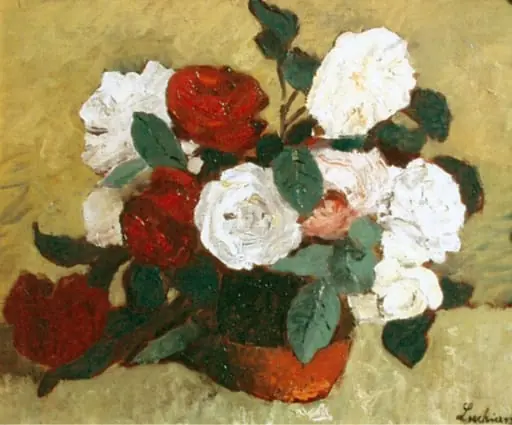
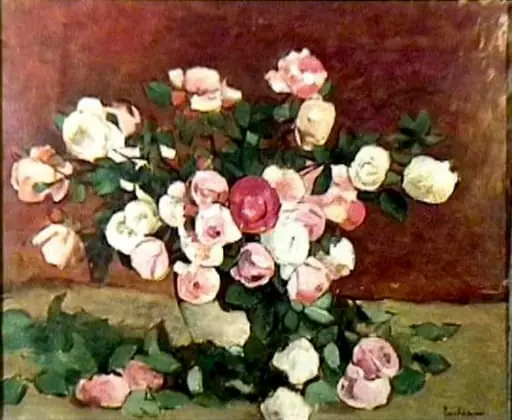
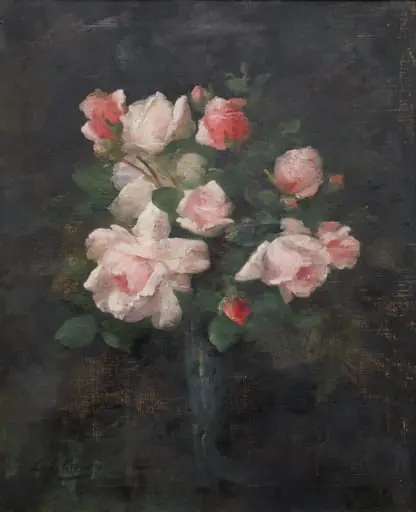
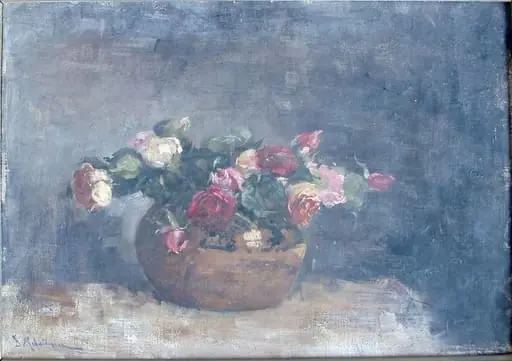
Ștefan Luchian’s 1907 picture titled “Trandafiri” depicts a simple still life: a cluster of roses arranged in a glass vase set against an unadorned, light‑toned wall. The composition isolates the floral subject, allowing the viewer’s attention to rest on the delicate petals and foliage without distraction from surrounding details.
Subject & Meaning
The work presents roses in shades of white and soft pink, interspersed with green leaves. By concentrating on the interplay of light and shadow on the petals, Luchian emphasizes the transient beauty of the flowers, inviting contemplation of natural elegance and the quiet intimacy of everyday objects.
Technique & Style
Luchian employs a pronounced impasto method, laying on thick layers of paint that remain visible on the canvas. This tactile approach creates a textured surface, enhancing the sense of volume and materiality in the blossoms and vase, while the restrained background underscores the three‑dimensional effect.
History & Provenance
Created in the early twentieth century, “Trandafiri” entered the collection of the Museum of Ethnography, where it remains on display. Its acquisition reflects the institution’s interest in Romanian visual culture and the artist’s role in documenting domestic scenes of the period.
Context
The painting belongs to a phase in Luchian’s career when he turned toward still‑life subjects, exploring color harmonies and surface treatment. This period coincides with broader European trends that favored close observation of ordinary objects, aligning his work with contemporaneous explorations of light, texture, and form.
Artist & collection
Artist
Ștefan Luchian painted quiet scenes of daily life in late-1800s Romania: sunlit houses, country roads, and a single studio work called Atelierul from 1894.