Artwork
Trandafiri roz
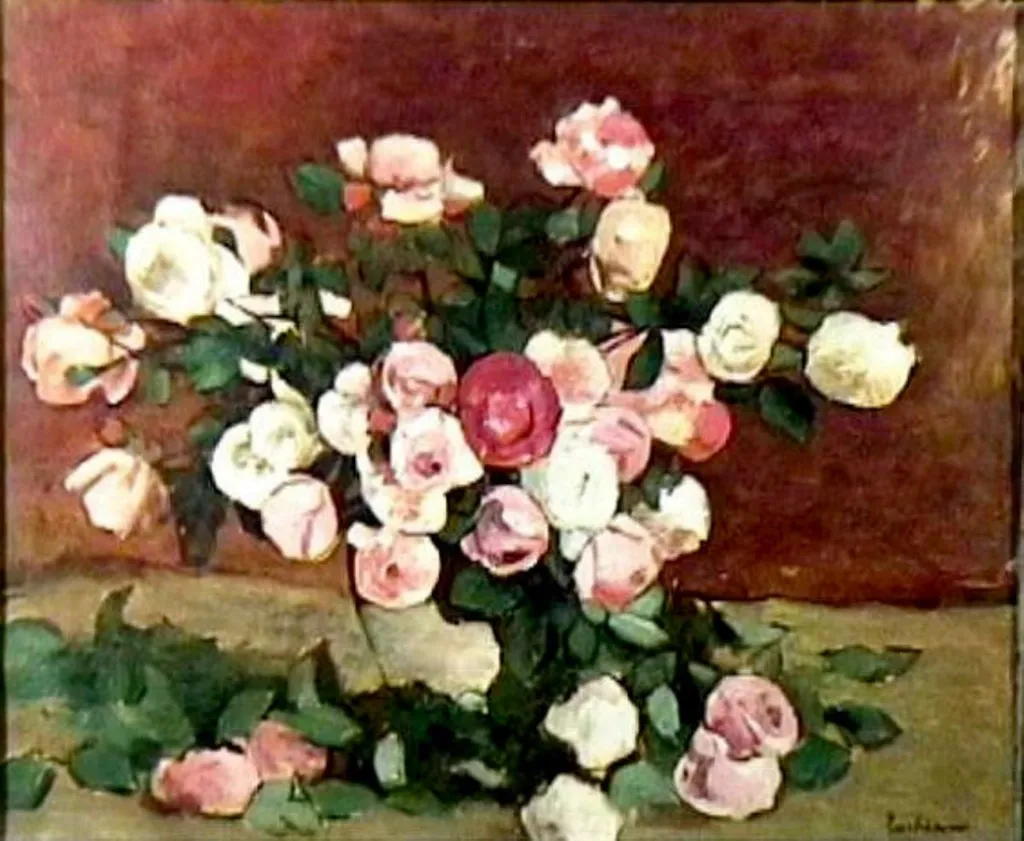
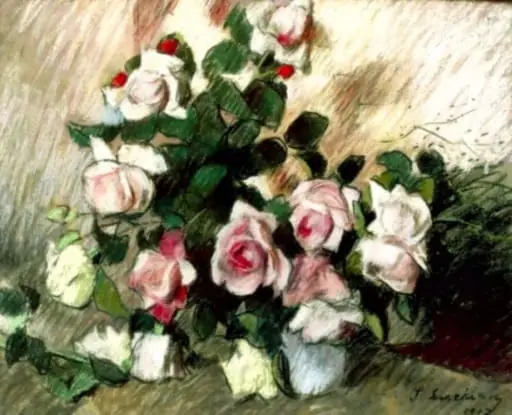
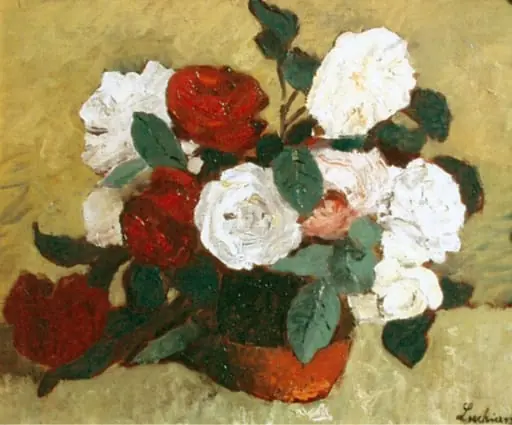
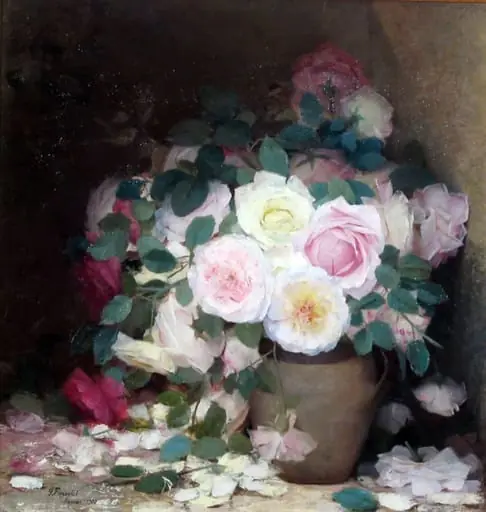
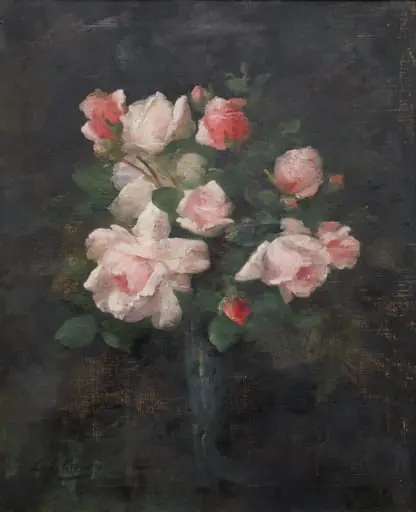
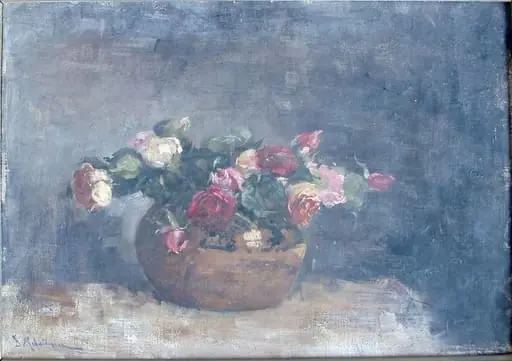
Trandafiri roz is an unspecified painting by Ștefan Luchian. It is held in the collection of the Moldova National Museum Complex. This painting depicts a loose arrangement of roses in soft pinks, whites, and a single deep red bloom, spilling over a dark brown surface.
About this work
Overview
Light is the primary tool for modeling form, with glowing edges contrasting against shadowed recesses to suggest volume without sharp outlines.
This painting depicts a loose arrangement of roses in soft pinks, whites, and a single deep red bloom, spilling over a dark brown surface. Petals drift onto a muted green base, suggesting natural decay. The artist uses thick, tactile brushwork to model the flowers, emphasizing their physical presence. Light is the primary tool for modeling form, with glowing edges contrasting against shadowed recesses to suggest volume without sharp outlines.
Subject & Meaning
The subject is a simple still life of roses, neither idealized nor symbolic in a traditional sense. Their informal arrangement and falling petals imply transience, yet the focus remains on sensory observation rather than allegory. The absence of a vase or container grounds the flowers in a quiet, unadorned space, inviting attention to their material presence and fleeting beauty.
Technique & Style
Thick applications of paint, or impasto, build the petals’ texture, giving them a tactile, almost sculptural quality. The artist manipulates light through color temperature rather than line, using warm highlights against cooler shadows to define form. Brushstrokes vary in direction and density, mirroring the organic irregularity of the blooms. The background remains subdued, ensuring the roses command visual focus.
History & Provenance
The painting’s origin and early ownership are not documented in available records. It appears to be a private study, likely created in a studio setting rather than as a commissioned work. Its intimate scale and focused subject suggest it was made for personal exploration rather than public display, though its current location and acquisition history remain unverified.
Context
This work aligns with late 19th- to early 20th-century trends in still-life painting that prioritized direct observation and materiality over narrative. Artists of this period often turned to flowers as subjects to test light, color, and brushwork. The emphasis on texture and natural decay reflects broader interests in realism and the physicality of paint during a time of shifting artistic priorities.
Legacy
While not widely exhibited or reproduced, the painting exemplifies a quiet strand of modern still-life practice centered on sensory fidelity. Its use of impasto and chromatic modeling influenced later artists interested in the tactile potential of paint. It remains a modest but thoughtful example of how everyday subjects can be transformed through attentive handling of light and material.
Artist & collection
Artist
Ștefan Luchian painted quiet scenes of daily life in late-1800s Romania: sunlit houses, country roads, and a single studio work called Atelierul from 1894.