Artwork
Natură statică
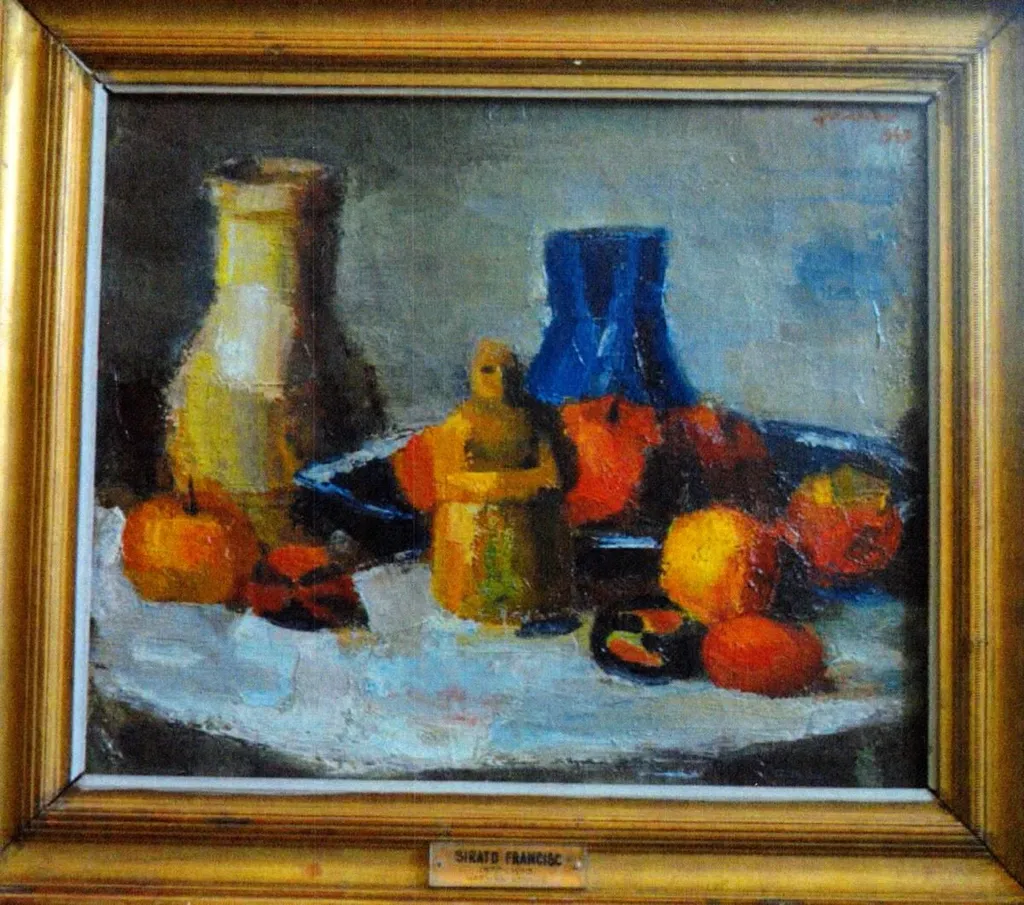
Natură statică is an unspecified painting by Francisc Șirato. It dates from 1947 and is held in the collection of the Bucharest Municipality Museum.
About this work
Overview
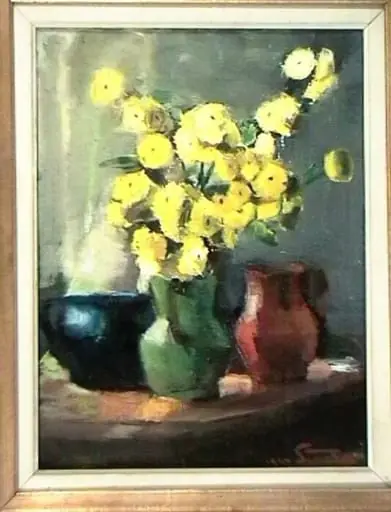
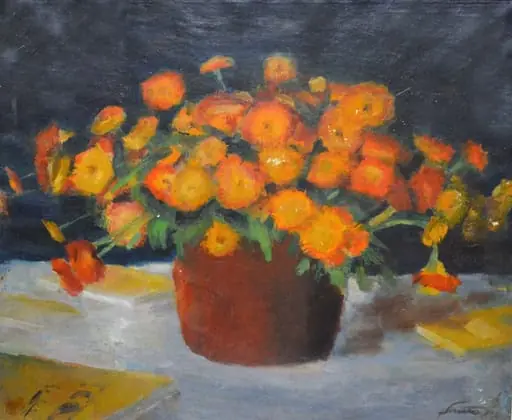
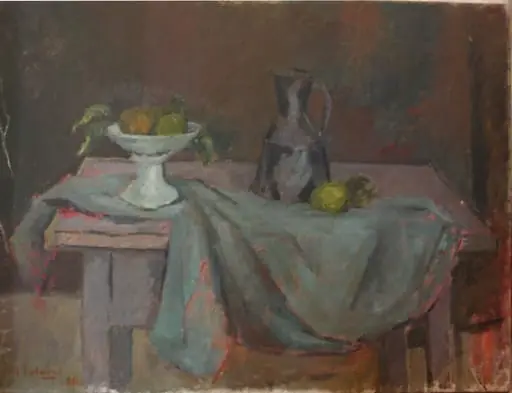
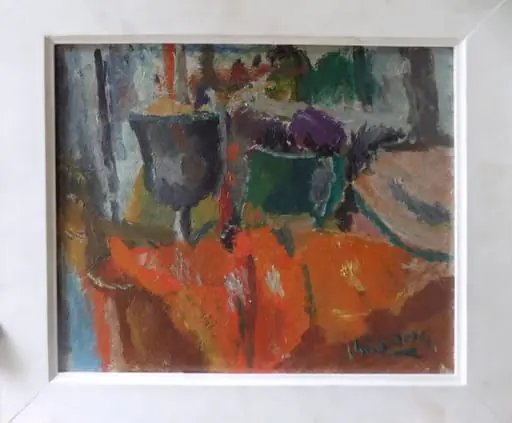
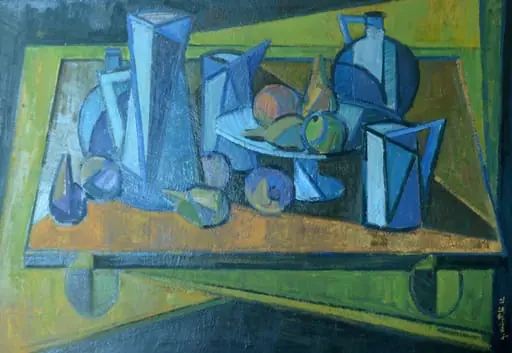
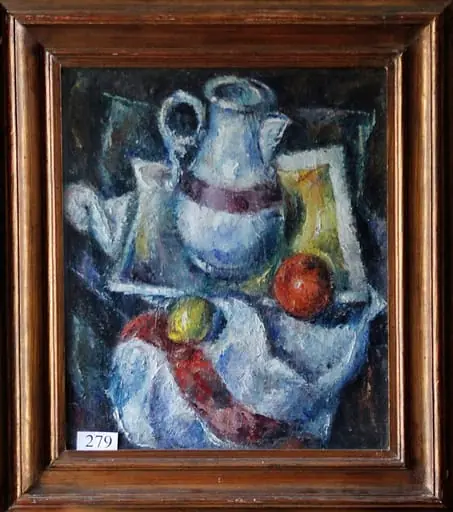
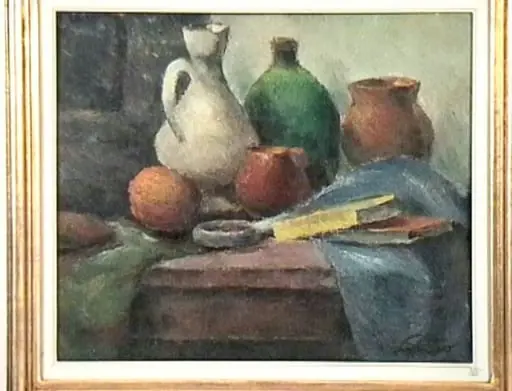
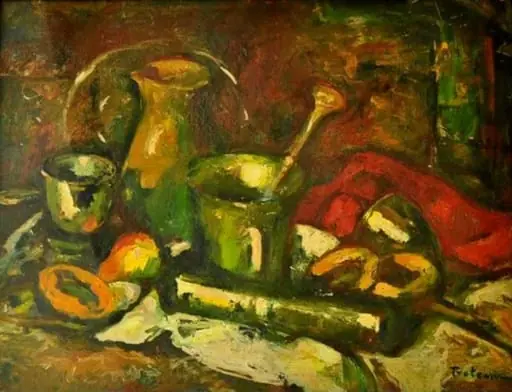
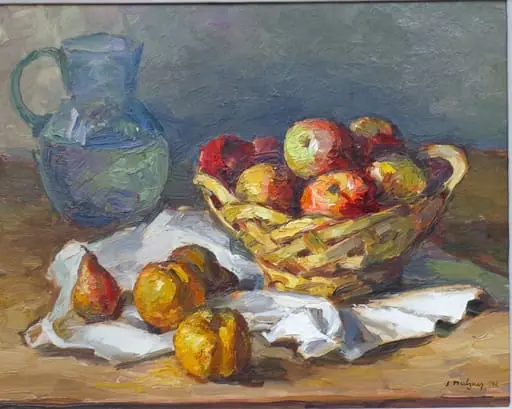
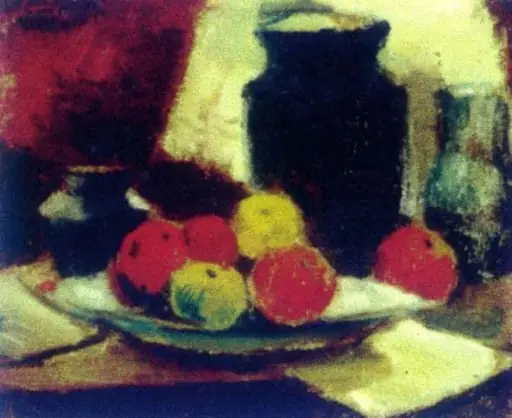
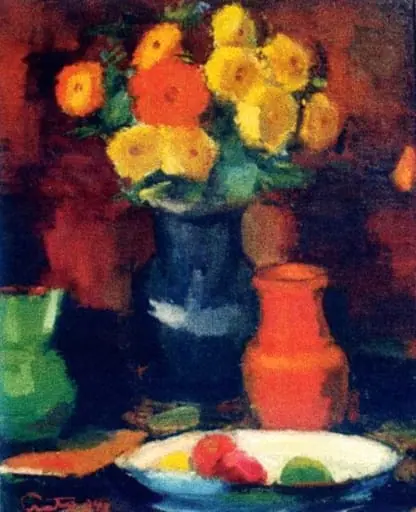
Natură statică, painted by Francisc Șirato in 1947, is a still-life composition featuring everyday objects arranged on a table.
Natură statică, painted by Francisc Șirato in 1947, is a still-life composition featuring everyday objects arranged on a table. The work is part of the collection at the Museum of Ethnography. Its quiet arrangement and restrained palette reflect a deliberate focus on form and atmosphere rather than narrative, aligning with postwar Romanian artistic tendencies that favored introspection over grandeur.
Subject & Meaning
The painting presents common domestic items—fruits, vessels, and unidentified objects—arranged with careful balance. No symbolic or allegorical meaning is overtly expressed; instead, the subject matter emphasizes the quiet dignity of ordinary things. The composition invites contemplation of material presence, suggesting a meditation on simplicity and transience rather than celebration or moral instruction.
Technique & Style
Șirato employs a muted palette dominated by soft yellows, oranges, and blues, with subtle gradations of tone to model form. Light falls unevenly across the surfaces, casting delicate shadows and highlighting contours. This handling of illumination suggests an awareness of chiaroscuro, though applied with restraint—avoiding dramatic contrast in favor of quiet, atmospheric modulation that enhances spatial depth without theatricality.
History & Provenance
Created in 1947, the work emerged during a period of cultural redefinition in Romania under early communist rule. While state-sponsored art often favored socialist realism, Șirato’s still life remained apolitical, focusing on formal qualities. It entered the Museum of Ethnography’s collection shortly after completion, likely through institutional acquisition rather than public exhibition, reflecting its niche status within the era’s artistic discourse.
Context
In postwar Romania, many artists turned to still life as a refuge from ideological pressures. Șirato’s work fits within this trend, drawing from European traditions while avoiding overt modernist experimentation. The subdued tones and careful arrangement echo early 20th-century Romanian realism, yet the sensitivity to light and texture reveals a personal, almost intimate approach to observation, distinct from both academic convention and state-mandated themes.
Legacy
Natură statică remains a quiet example of mid-century Romanian still-life painting, valued for its understated technique and emotional reserve. Though not widely exhibited, it contributes to the understanding of how artists navigated creative autonomy under political constraints. Its preservation in the Museum of Ethnography underscores its role as a cultural artifact of everyday aesthetic sensibility rather than a public monument.
Artist & collection
Artist
Francisc Șirato painted quiet scenes of people and places, often with soft light and gentle colors.