Artwork
Mangalia
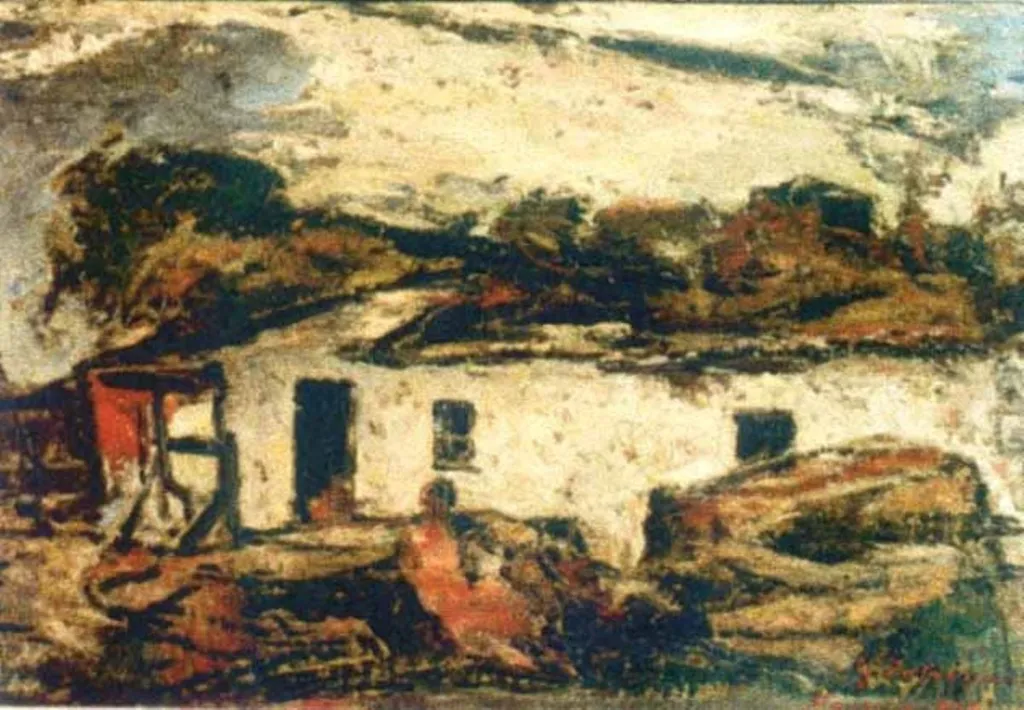
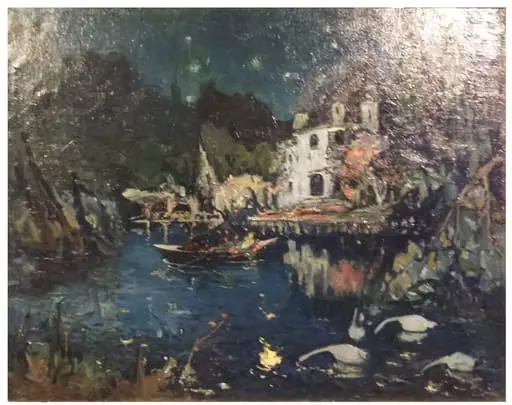
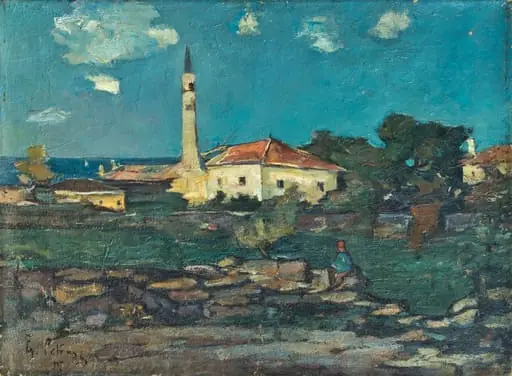
Mangalia is an unspecified painting by Gheorghe Petrașcu. It dates from 1928 and is held in the collection of the Art Museum of Constanta.
About this work
Overview
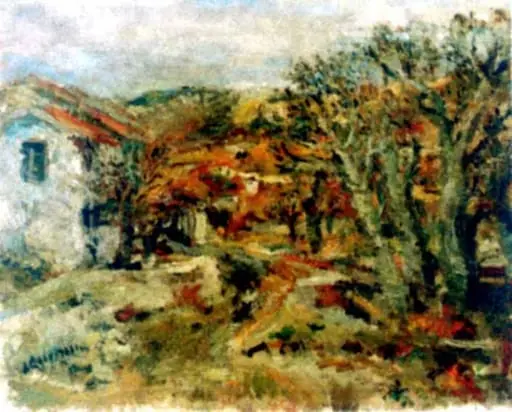
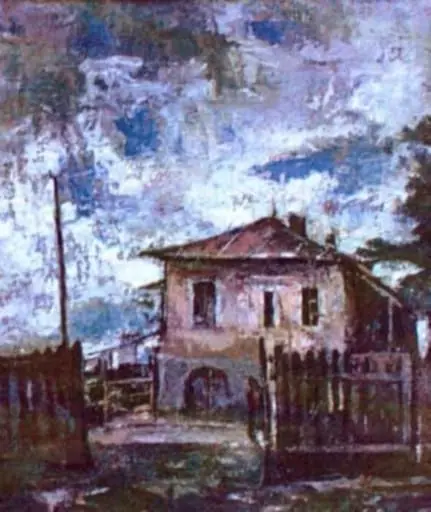
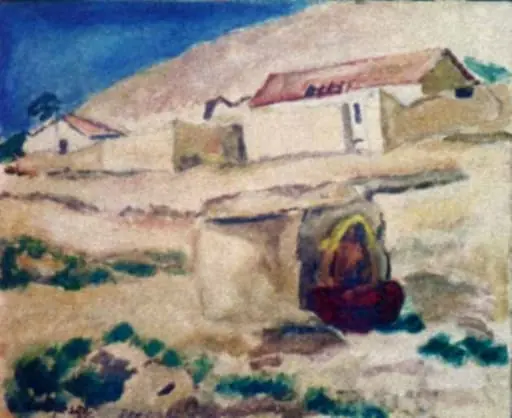
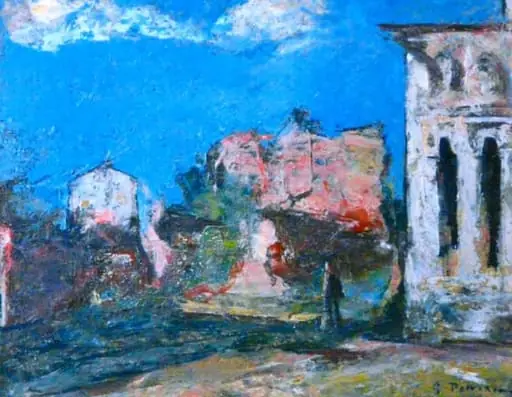
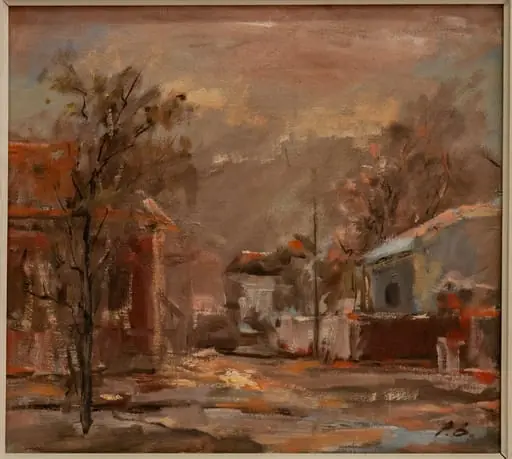
Mangalia, painted by Gheorghe Petrașcu in 1928, is a landscape artwork housed at the Museum of Ethnography. The composition centers on a white building with a dark roof, surrounded by trees and hills, rendered primarily in earthy tones of brown, green, and white.
Subject & Meaning
The subject of Mangalia is a serene, natural landscape dominated by a central architectural element. The emphasis on a singular building amidst lush surroundings may suggest a focus on the harmony between constructed and natural environments, though specific interpretive details are not explicitly documented.
Technique & Style
Characterized by visible, rough brushstrokes and substantial texture, Mangalia exemplifies a painting style that prioritizes expressive brushwork. The thick application of paint, akin to the impasto technique, adds a tactile quality to the artwork, enhancing its visual depth through contrasting light and dark hues.
History & Provenance
Created in 1928 by Romanian artist Gheorghe Petrașcu, Mangalia is currently part of the collection at the Museum of Ethnography, though detailed provenance history prior to its museum acquisition is not provided in the available information.
Context
While specific contextual influences on Mangalia are not detailed, its style and technique reflect broader early 20th-century artistic tendencies emphasizing expressive, textured painting. The choice of a rural or natural setting with a central building might also relate to Petrașcu's interests in capturing Romanian landscapes.
Legacy
Information on the direct legacy or influence of Mangalia on subsequent artistic works or movements is not provided. Its significance appears to be more closely tied to its presence within the Museum of Ethnography's collection, contributing to the institutional representation of Petrașcu's oeuvre.
Artist & collection
Artist
Gheorghe Petrașcu painted quiet scenes of buildings, streets, and still lifes in the 1920s and ’30s Romania.