Artwork
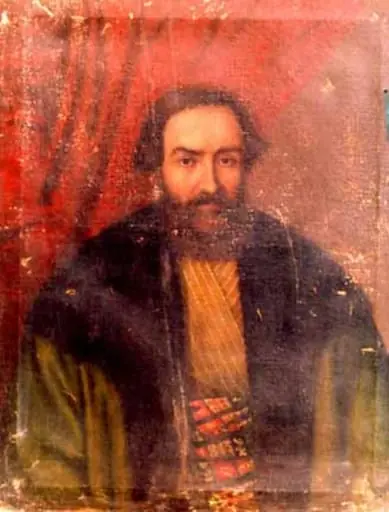
Portret de bărbat
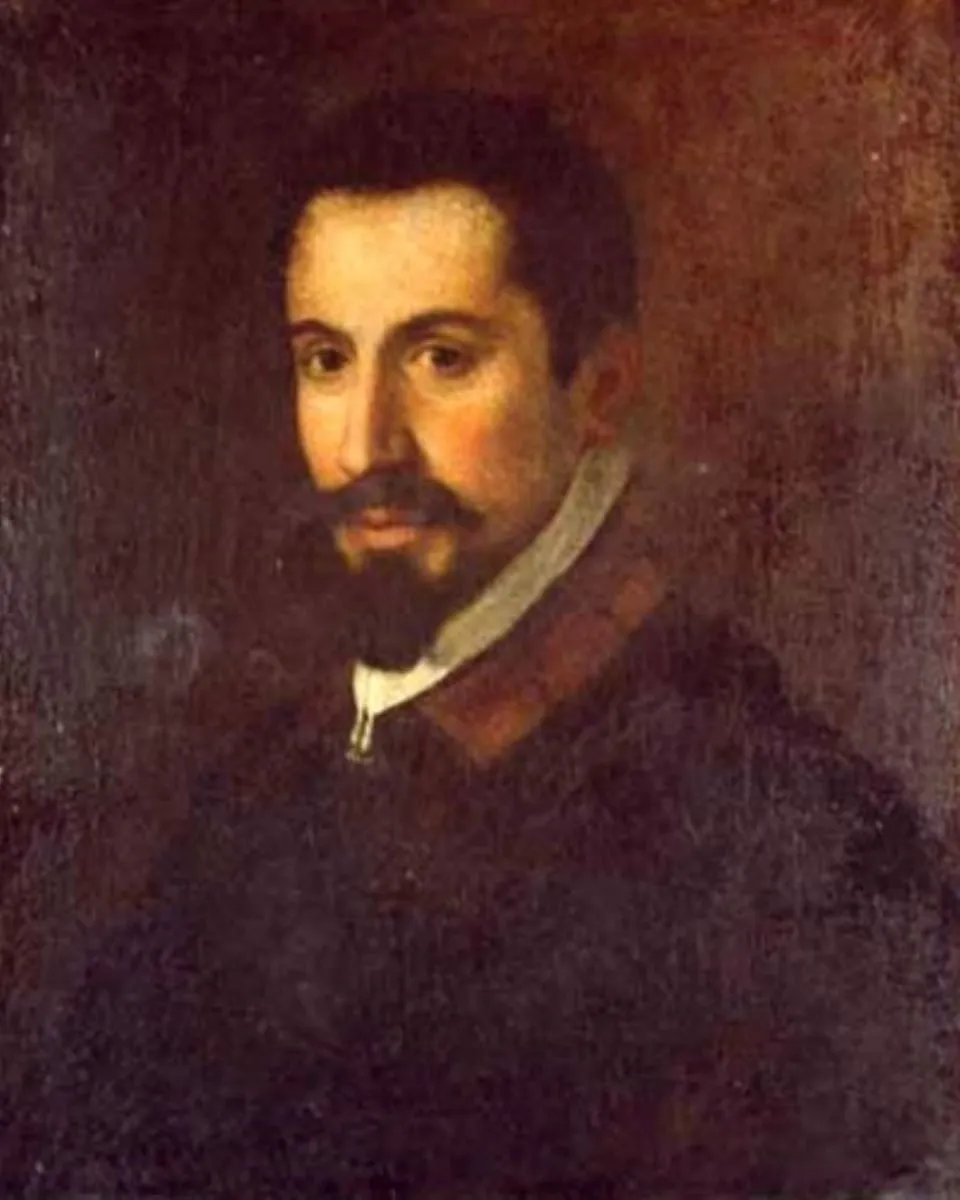
Portret de bărbat is an unspecified painting by Giovanni Battista Tiepolo. It dates from 1550 and is held in the collection of the National Museum of Art of Romania.
About this work
Overview
This portrait, attributed to Giovanni Battista Tiepolo, dates to around 1550 and presents a focused depiction of a man’s face. Rendered in oil on panel, the work emphasizes the subject’s presence through tightly framed composition and dramatic lighting. The background recedes into deep shadow, isolating the figure and drawing attention to his facial features and attire.
Subject & Meaning
The sitter is a man with a full dark beard and mustache, his gaze direct and composed. His expression conveys quiet dignity rather than emotion, suggesting a figure of social standing or professional gravity. The absence of identifying symbols or context leaves his identity ambiguous, but the careful rendering implies respect for the individual portrayed.
Technique & Style
Tiepolo employs chiaroscuro to model the face with precision, using warm highlights against a shadowed brown backdrop to define the contours of the cheeks, jaw, and forehead. The white collar contrasts subtly with the dark clothing, adding texture without distraction. Brushwork is controlled, favoring smooth transitions over visible strokes, typical of mid-16th-century portraiture.
History & Provenance
The painting’s early ownership is undocumented, and its attribution to Tiepolo remains tentative, as his known works from this period are rare. It entered public collections in the 20th century, where it was cataloged as a work from his early career. No records confirm its commission or original location, leaving its historical context partially obscure.
Context
Created during the height of Renaissance portraiture in Italy, the work reflects a shift toward psychological depth and naturalistic lighting. While Tiepolo is better known for grand frescoes, this small-scale portrait aligns with contemporary trends in private commissions, where individual character was valued over symbolic display.
Legacy
Though not widely exhibited, the portrait contributes to understanding Tiepolo’s range beyond monumental decoration. It stands as an example of how Venetian artists adapted intimate portraiture techniques, balancing realism with restrained elegance. Its preservation offers insight into lesser-known facets of his artistic development.
Artist & collection
Artist
Giovanni Battista Tiepolo painted grand, lively portraits that feel like windows into 18th-century Europe.

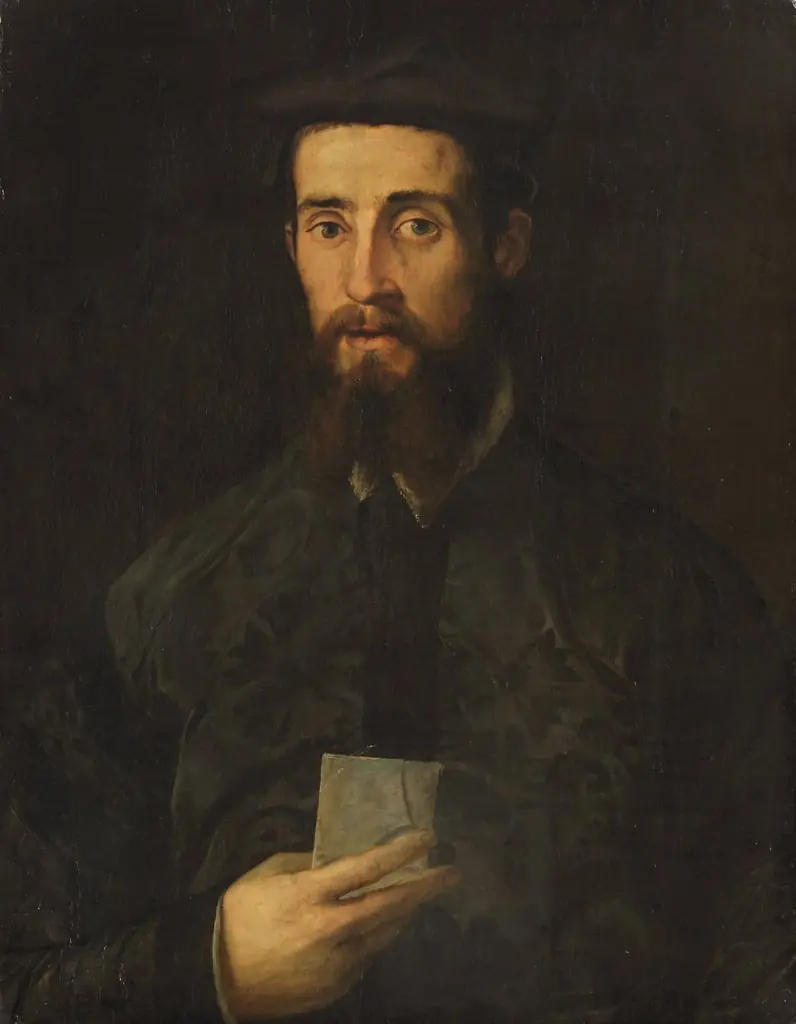 Giovanni della Casa (1503-1556)
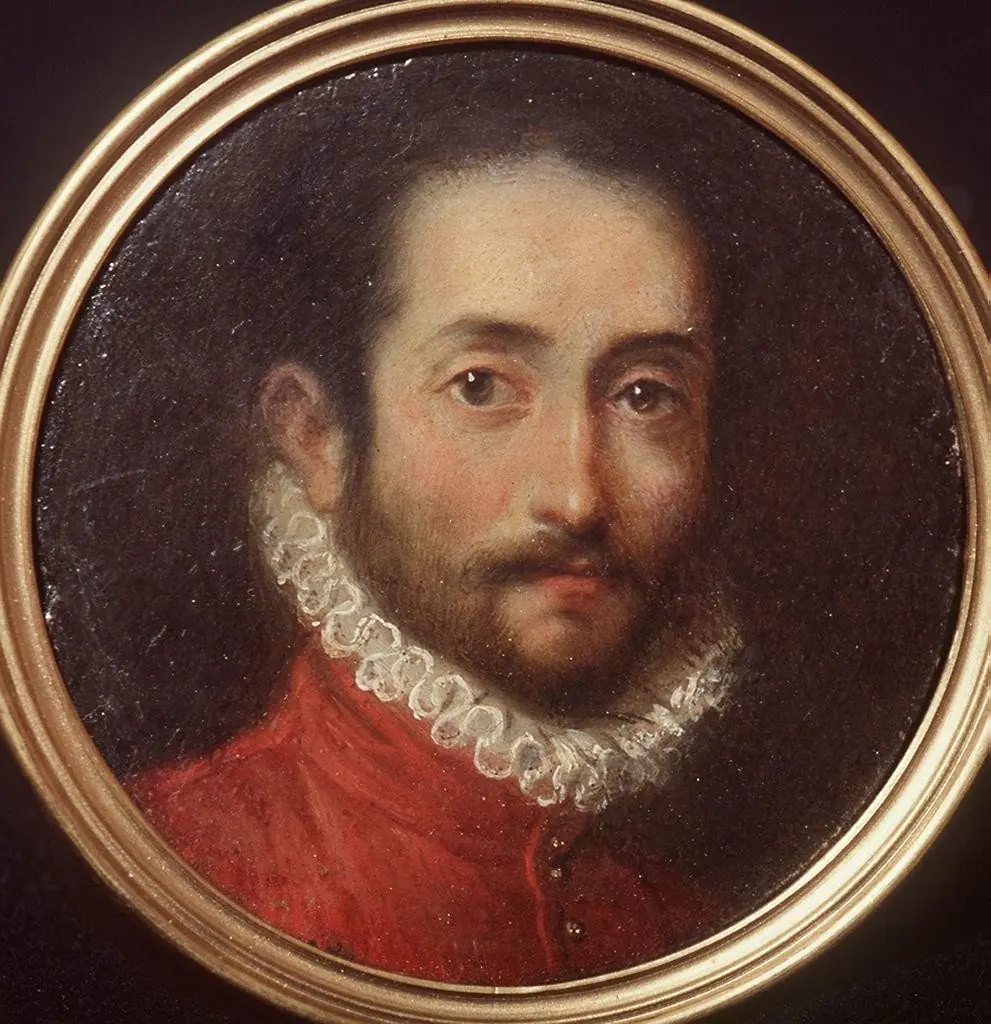 Ritratto di Francesco Maria II della Rovere duca d' Urbino
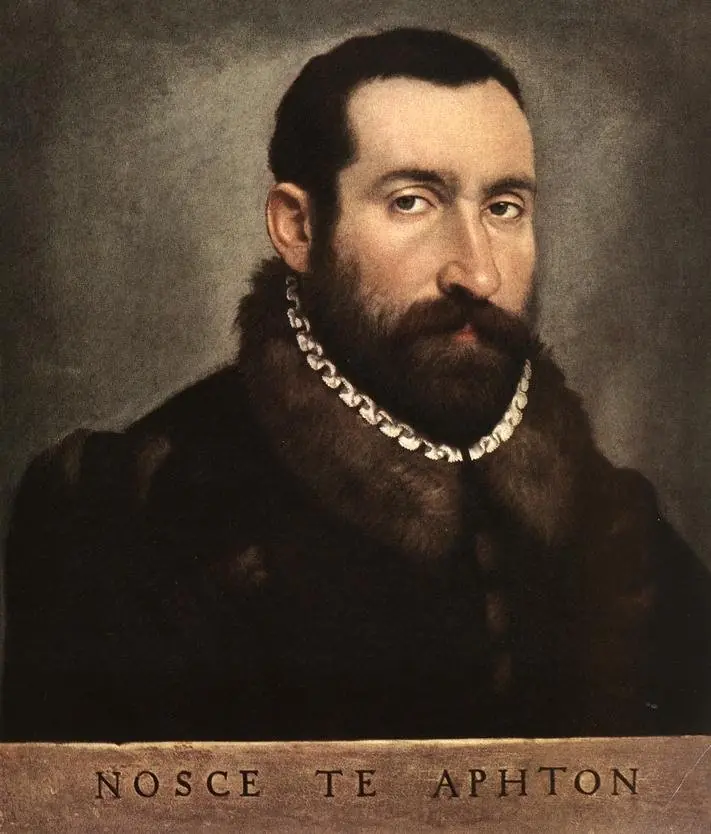 Portrait of a Man
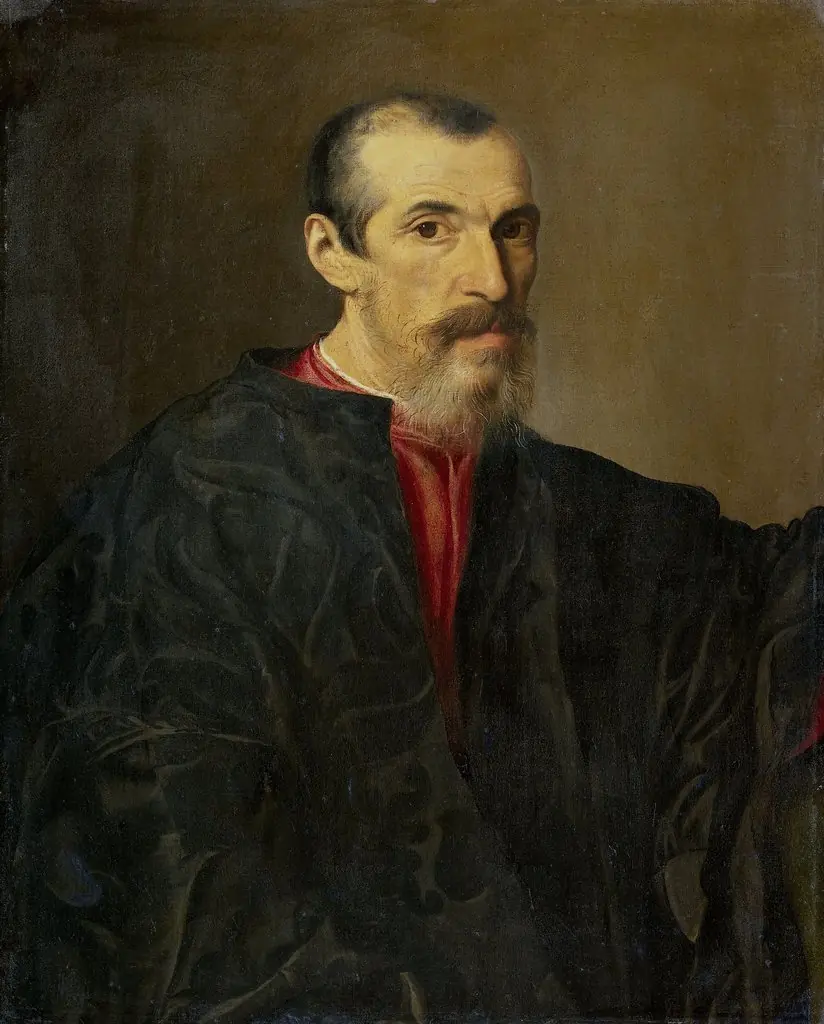 Portrait of a man in Brescia
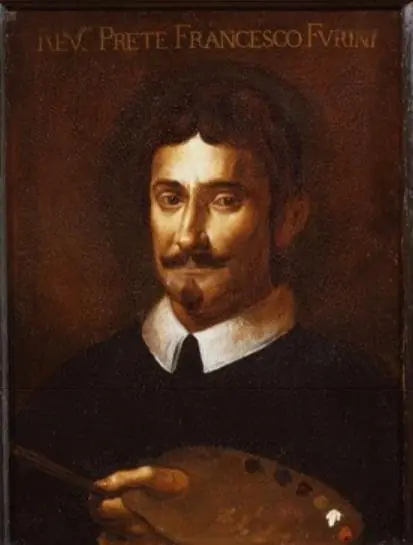 Self-portrait holding a palette
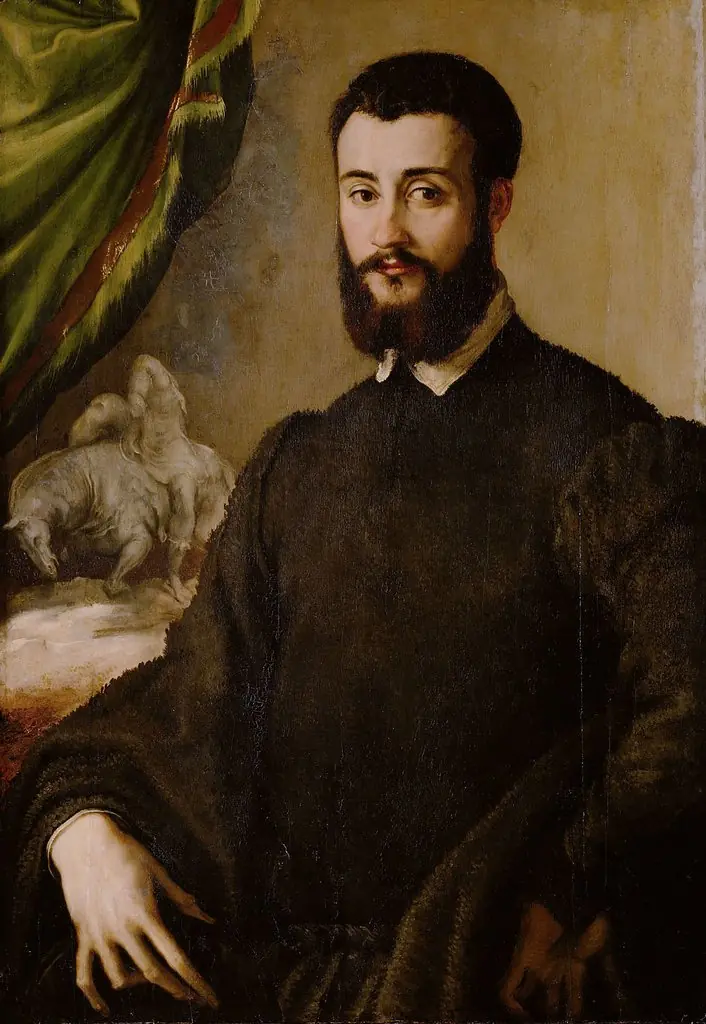 Bildnis eines Mannes aus der Familie Santacroce
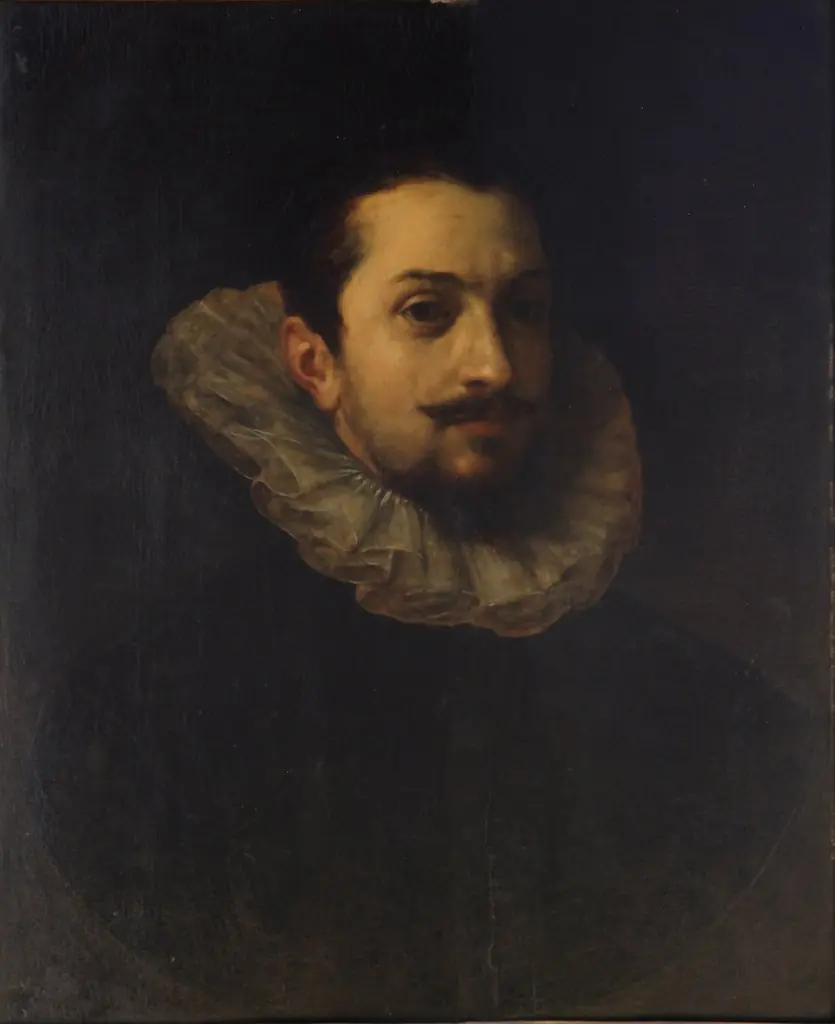 Portrait of a man
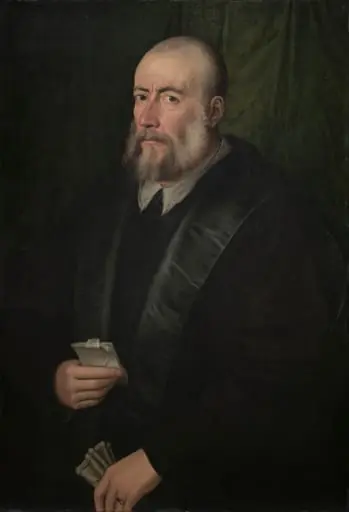 Portrait of an Old Man
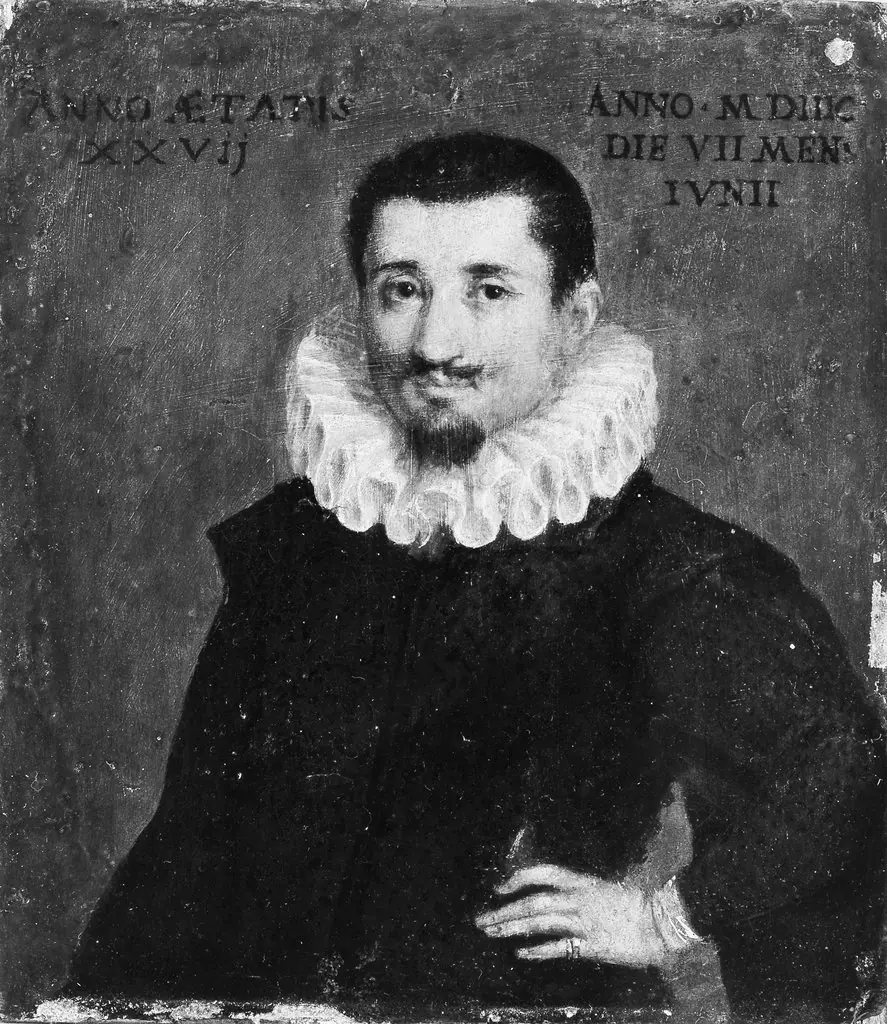 Portrait of a Man
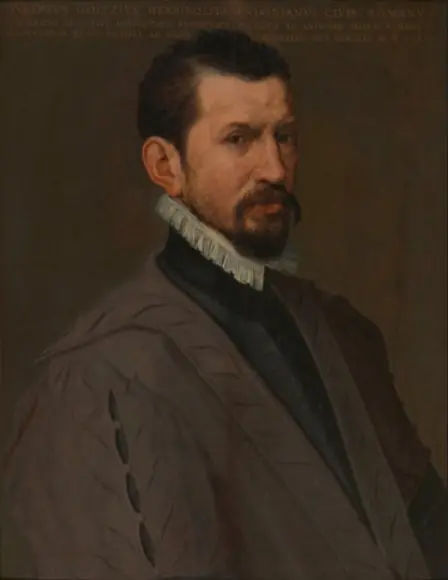 Portrait of Hubert Goltzius
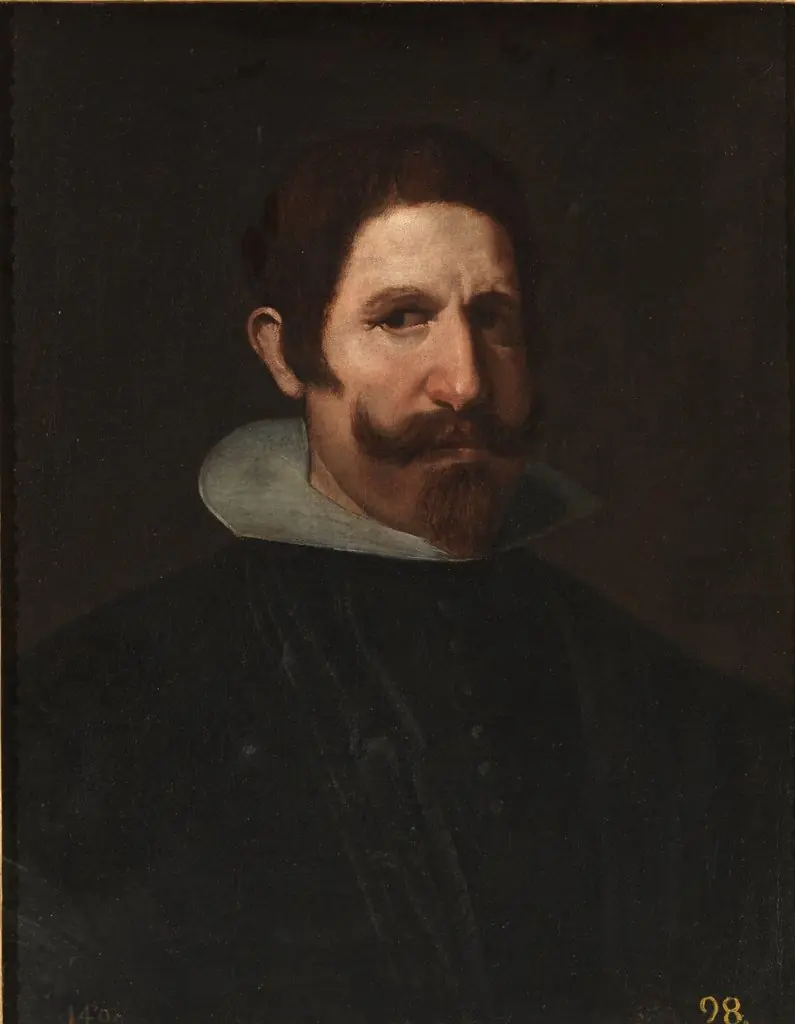 Alonso Martínez de Espinar (¿?)
 Portret de bărbat