Artwork
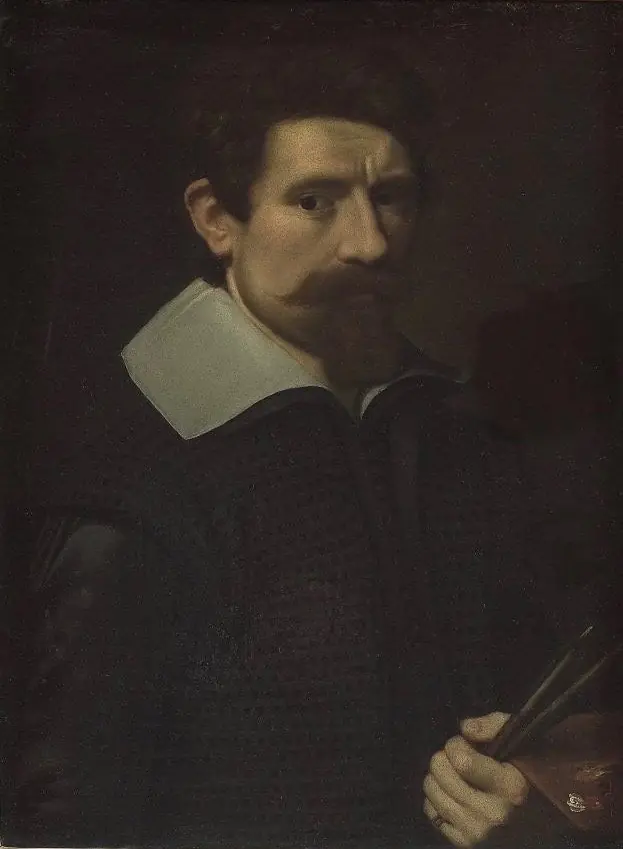
Self-portrait holding a palette
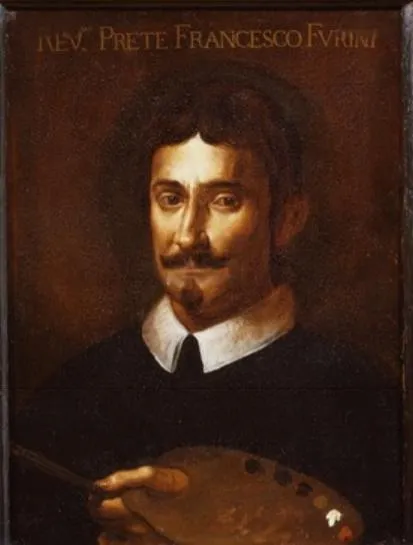
Self-portrait holding a palette is an oil painting by the Early Baroque Italian artist Francesco Furini. It dates from 1638 and is held in the collection of the Uffizi Gallery.
About this work
Overview
Known for his poetic sensibility and religious roles, Furini depicted himself with the tools of his trade: a palette in his left hand and a brush in his right.
Painted in 1638, this oil-on-canvas work is a self-portrait by Francesco Furini, an Italian artist active in Florence and Rome during the mid-17th century. Known for his poetic sensibility and religious roles, Furini depicted himself with the tools of his trade: a palette in his left hand and a brush in his right. The dark, muted background focuses attention on the figure, emphasizing his identity as a painter through quiet, direct presentation.
Subject & Meaning
The portrait presents Furini not as a noble or religious figure, but as a working artist. By holding his palette and brush, he asserts his profession and creative agency. The absence of allegory or symbolic objects grounds the image in realism, reflecting a personal, introspective moment. His gaze meets the viewer without pretense, suggesting an unembellished acknowledgment of his role in the artistic tradition.
Technique & Style
Furini employed a soft, blended handling of paint, characteristic of his sfumato approach, to model the face and hands with subtle gradations of tone. The transition between light and shadow is gentle, avoiding harsh contrasts. His brushwork is refined yet unobtrusive, favoring atmospheric cohesion over sharp definition. The dark brown background enhances the three-dimensionality of the figure without distracting from his form.
History & Provenance
The painting entered the Uffizi Gallery’s collection in the 17th century, likely through Florentine artistic networks. It remained within the Medici holdings, which systematically documented works by contemporary Tuscan painters. Its inclusion in the gallery’s permanent display reflects its early recognition as a representative example of Florentine self-portraiture, preserving Furini’s presence among his peers.
Context
In mid-17th-century Florence, artists increasingly used self-portraits to assert professional identity amid growing institutional recognition of the arts. Furini’s work aligns with this trend, though his style diverges from the dramatic chiaroscuro of Caravaggisti. Instead, his muted palette and tender modeling reflect a more intimate, introspective current in Florentine painting, influenced by earlier Renaissance portraiture and poetic ideals.
Legacy
Though less widely known than contemporaries, Furini’s self-portrait endures as a quiet testament to the artist’s self-awareness and technical restraint. It contributes to the broader understanding of how painters in post-Renaissance Italy defined themselves beyond religious or mythological themes. The work remains a reference point for studies of personal representation in Baroque Italy.
Artist & collection
Artist
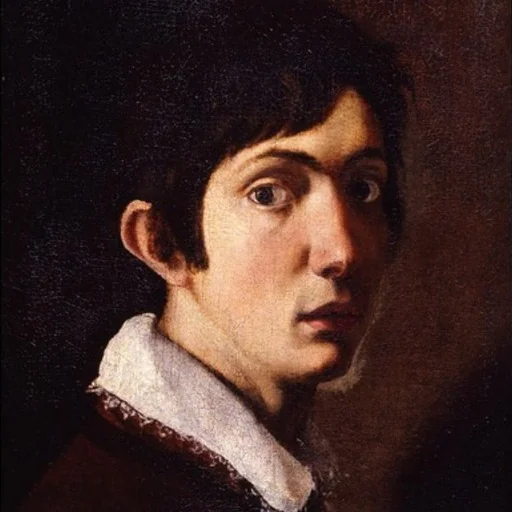
Francesco Furini ( 10 apr. 1603 – 19 August 1646) was an Italian Baroque painter, poet and priest. He was a leading painter in Florence in the second quarter of the 17th century and also worked in Rome. He was noted for…

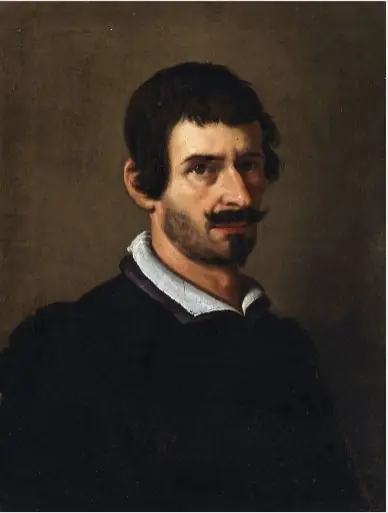 Portrait of a Man
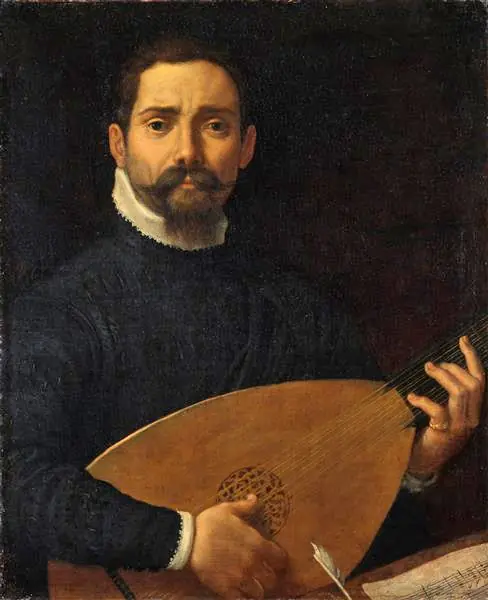 Portrait of the lute player Giulio Mascheroni
 Self-portrait
 Portret de bărbat
 Torquato Tasso
 Portrait of Giovanni Battista Brignole
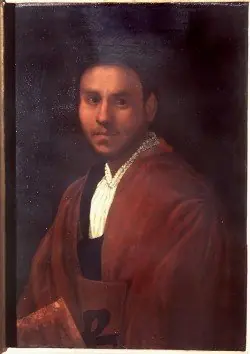 autoportrait of Giovanni Antonio Lappoli
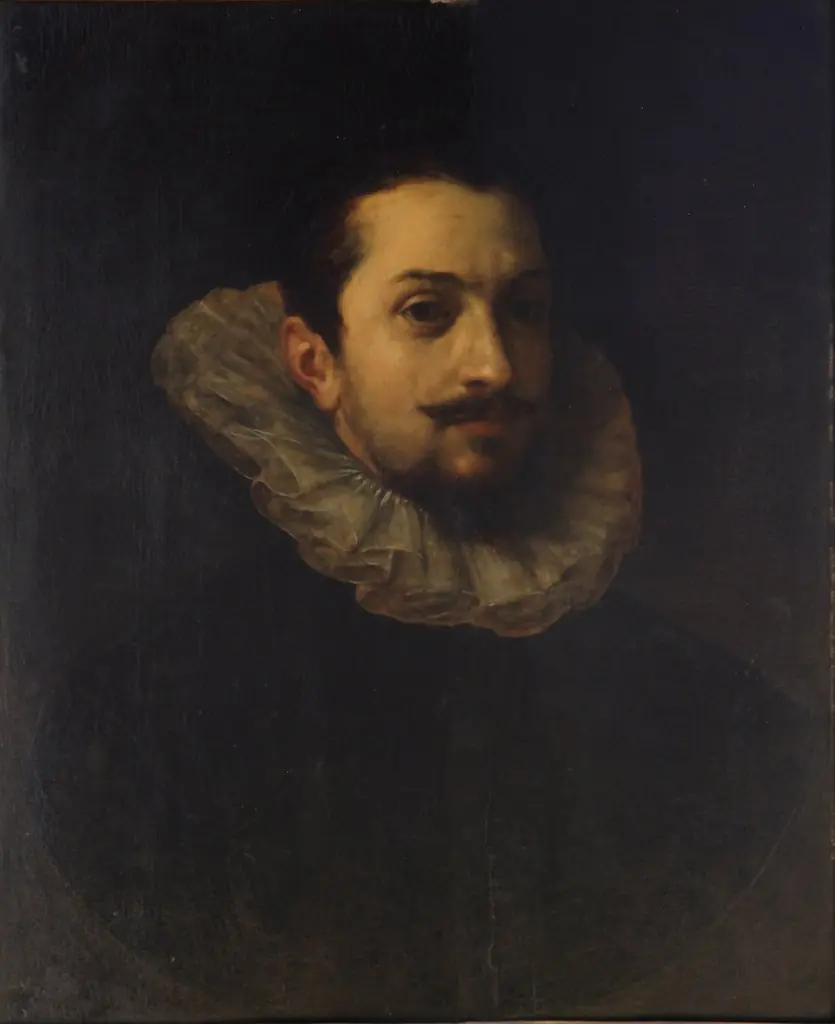 Portrait of a man
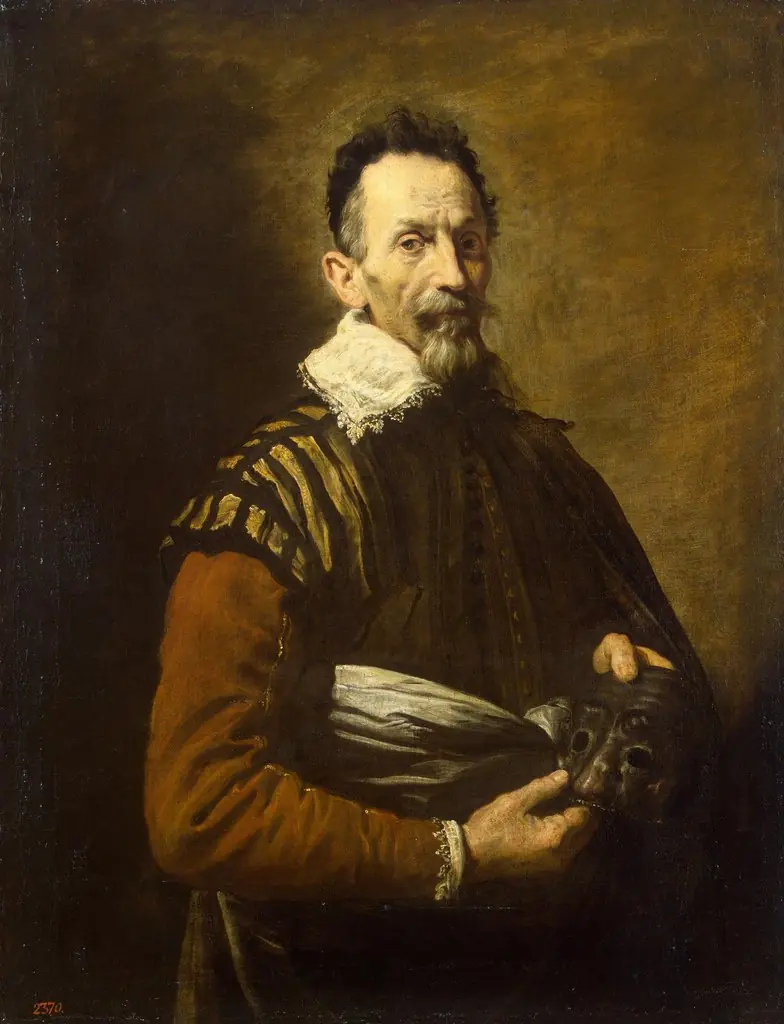 Portrait of an Actor
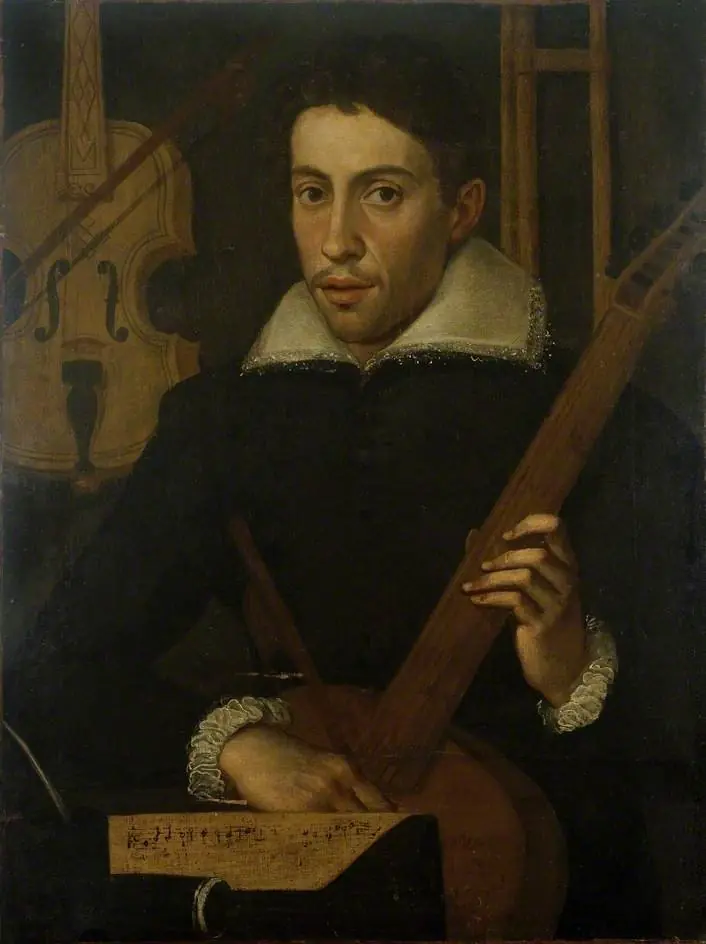 Portrait of a Musician
 Self-portrait of Giulio Cesare Procaccini
 Portrait of a man