Artwork
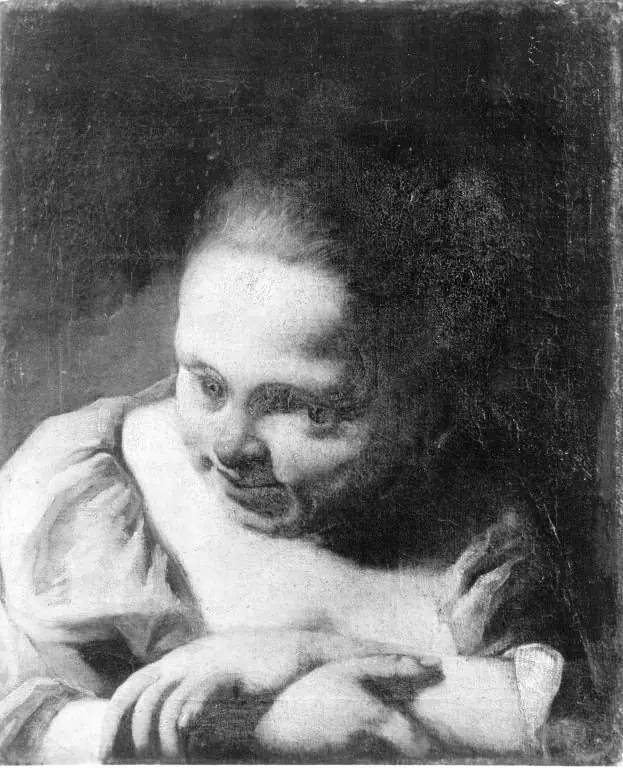
Cap de femeie (studiu)
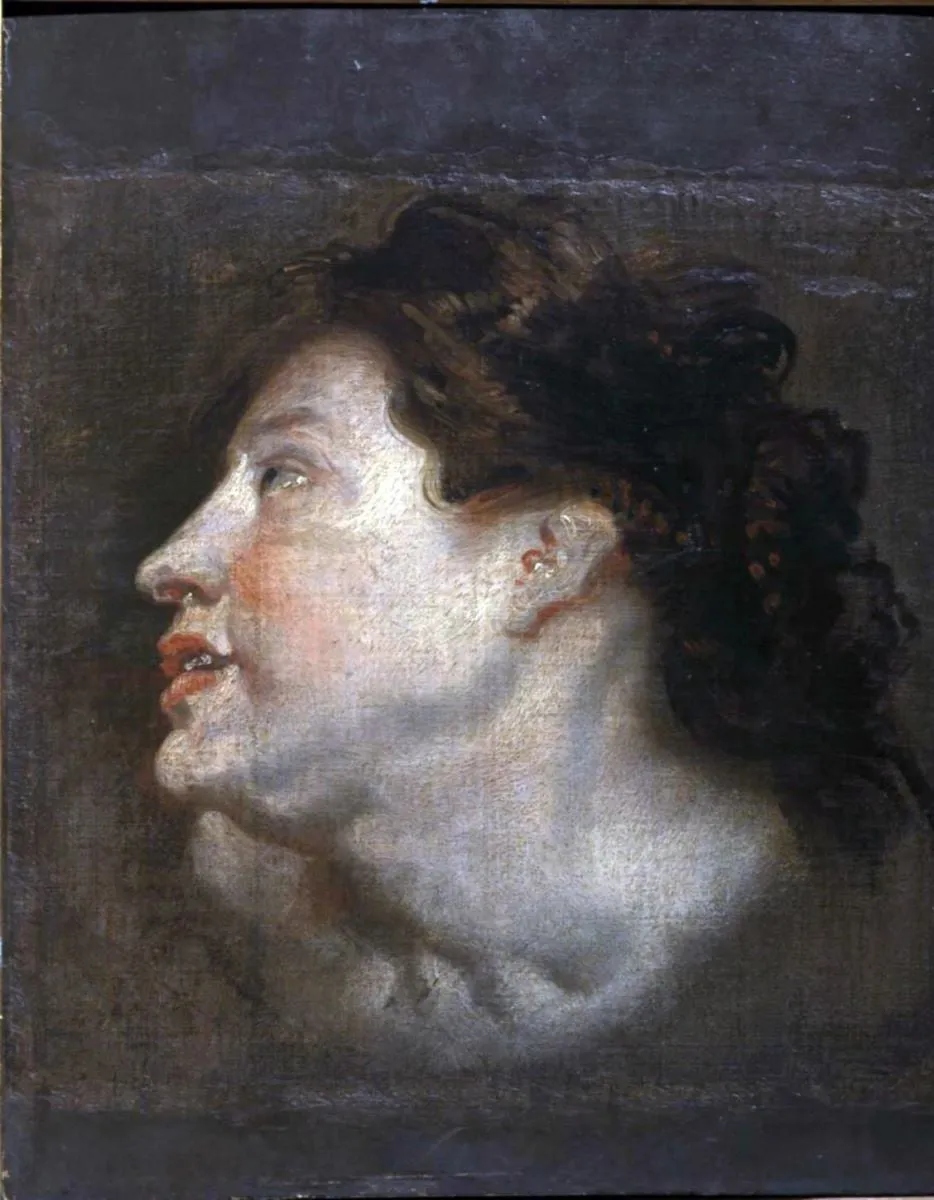
Cap de femeie (studiu) is an unspecified painting by Anthony van Dyck. It dates from 1650 and is held in the collection of the National Museum of Art of Romania.
About this work
Overview
This portrait study by Anthony van Dyck depicts a woman’s head and upper shoulders, rendered in oil on panel around 1650. The composition is intimate, focusing tightly on the subject’s face and neck. The background is deep and unbroken, enhancing the prominence of the figure. The work appears to be a preparatory study, capturing a fleeting moment rather than a formal commission.
Subject & Meaning
The absence of jewelry or elaborate attire shifts focus to her presence alone, emphasizing naturalism over status.
The woman’s identity remains unknown, and the painting lacks symbolic attributes typical of formal portraiture. Her slightly turned head and parted lips suggest quiet introspection or a pause in motion. The absence of jewelry or elaborate attire shifts focus to her presence alone, emphasizing naturalism over status. This study reflects van Dyck’s interest in capturing individual character through subtle expression.
Technique & Style
Van Dyck employed soft, blended brushwork to model the skin, using delicate gradations of light to suggest volume. The dark background heightens the contrast, drawing attention to the face. Some areas, particularly around the hair and neckline, reveal looser, more hurried strokes, indicating rapid execution. The lighting follows chiaroscuro principles, with strong tonal shifts defining form without harsh outlines.
History & Provenance
The painting is dated to van Dyck’s final years in England, likely produced during his time as court painter to Charles I. It was probably made as a study for larger portraits or as an independent exploration of expression. Its survival suggests it was valued by the artist or his circle, though it was never intended for public display. Ownership history remains partially undocumented.
Context
In mid-17th century England, van Dyck was refining a style that balanced elegance with psychological depth. This study aligns with his shift toward more intimate, spontaneous portraits, moving beyond rigid courtly conventions. Similar head studies by his workshop indicate a practice of observing and recording facial types for later use in commissioned works.
Legacy
Though not widely exhibited, this study exemplifies van Dyck’s influence on later portrait traditions, particularly in the use of naturalistic lighting and psychological nuance. Its unfinished quality reveals the artist’s working process, offering insight into how formal portraits were developed from direct observation. It remains a quiet testament to his skill in capturing transient human presence.
Artist & collection
Artist

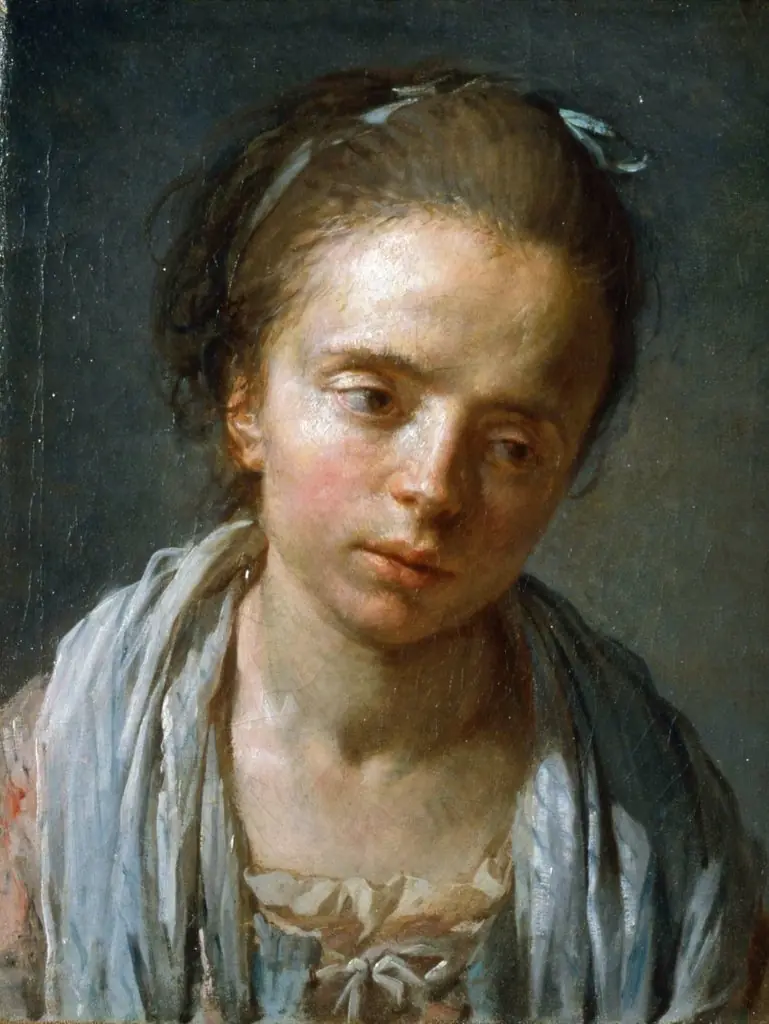 Portrait of a Girl
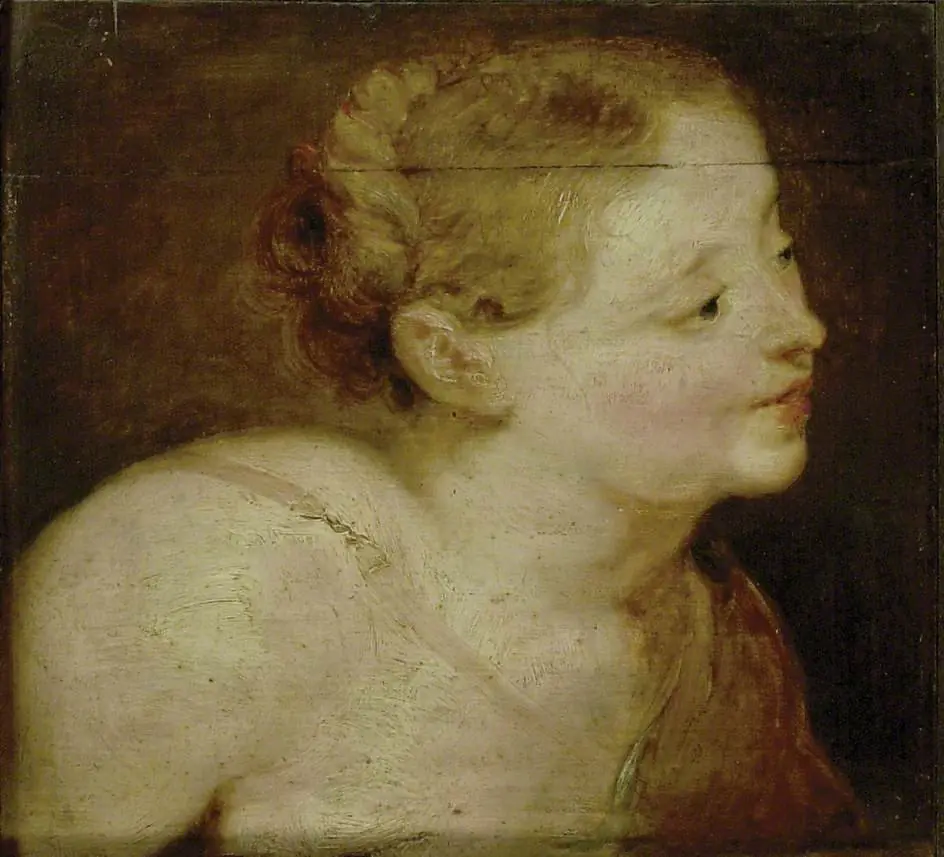 Head of a Huntress (Diana?)
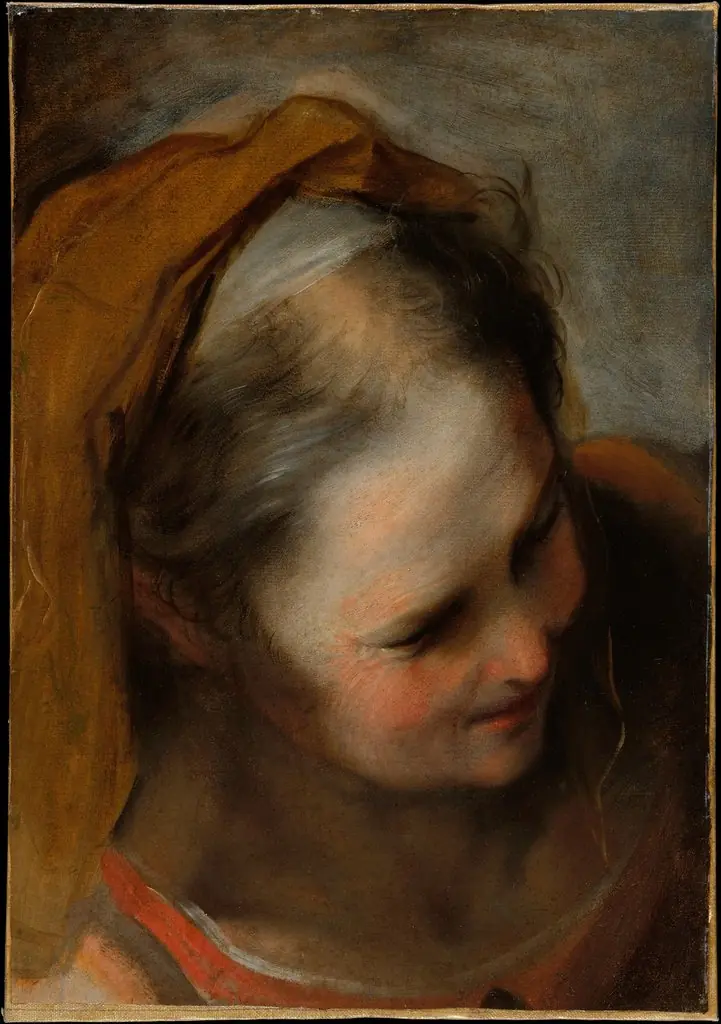 Head of an Old Woman Looking to Lower Right (Saint Elizabeth)
![Portrait of Emma Hart [later Lady Hamilton] as Miranda, by George Romney](https://artifactworldgallery.com/img/george-romney--portrait-of-emma-hart-later-lady-hamilton-as-miranda--017a44cbae021a04-w320.webp) Portrait of Emma Hart [later Lady Hamilton] as Miranda
Portrait of Emma Hart [later Lady Hamilton] as Miranda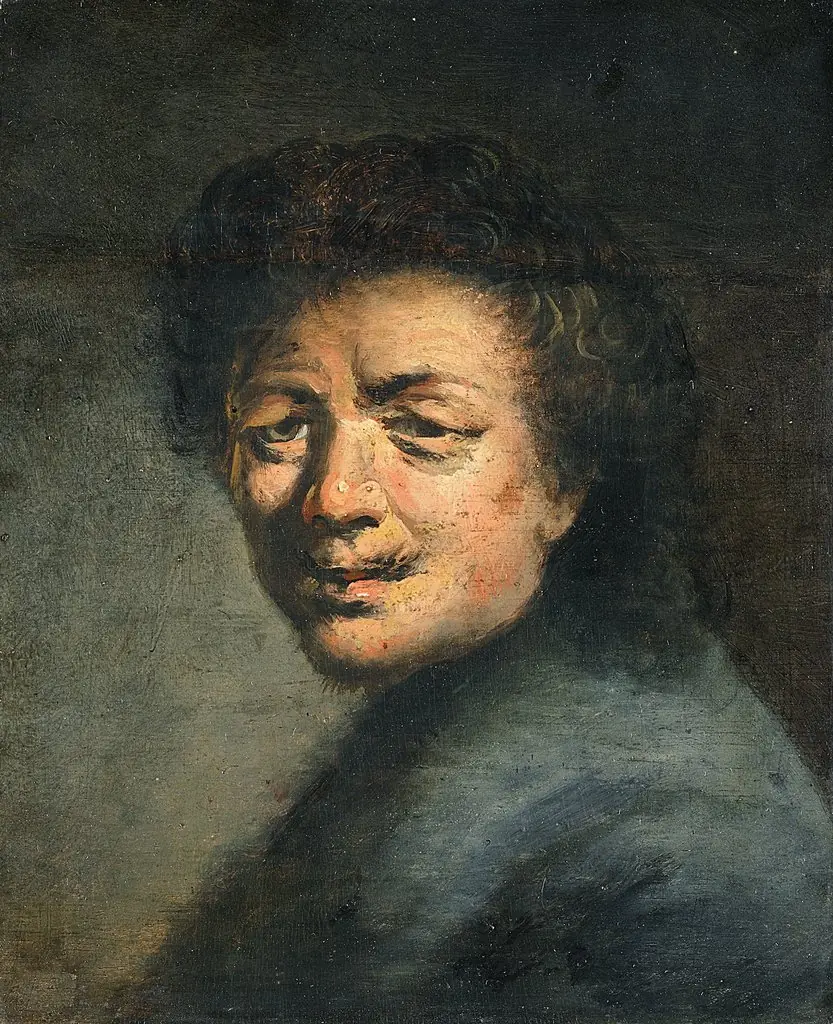 Study of the Head of a Young Man
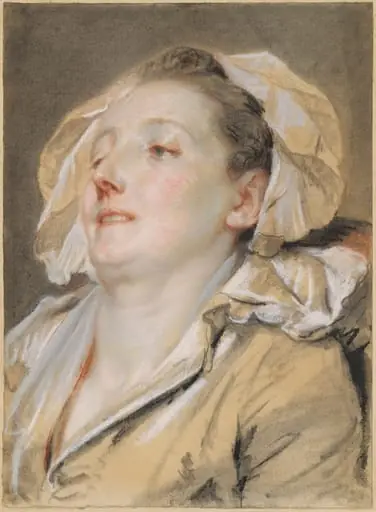 The Well-Loved Mother
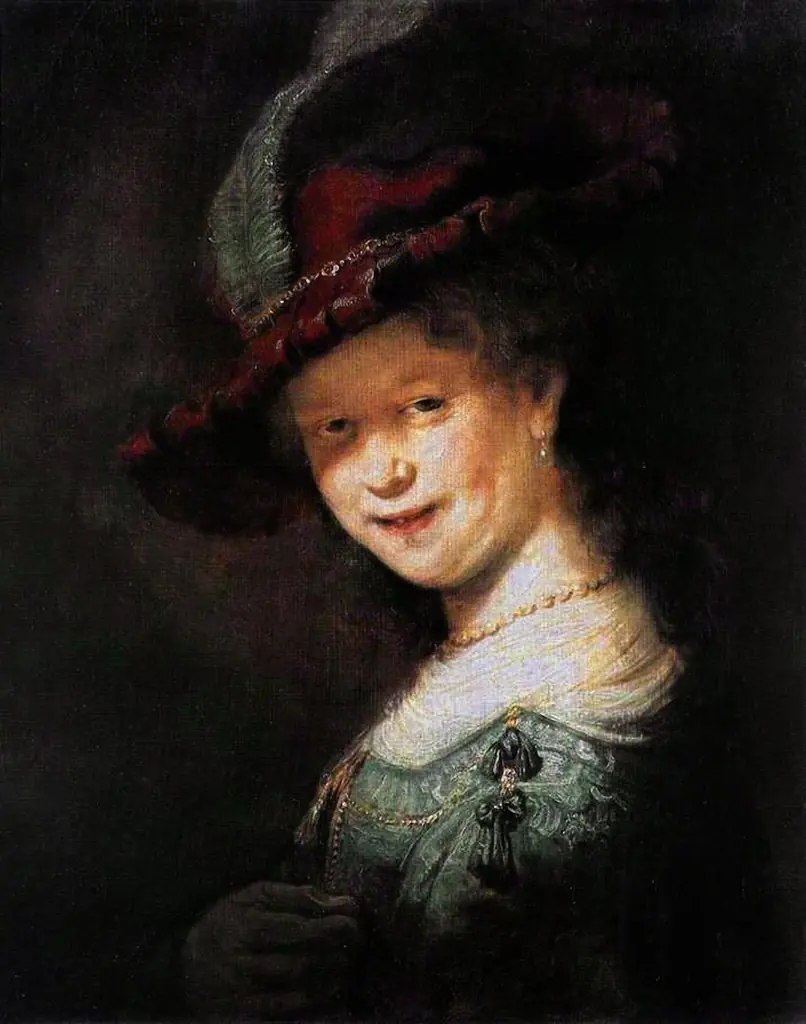 Bust of a Young Woman Smiling, possibly Saskia van Uylenburgh
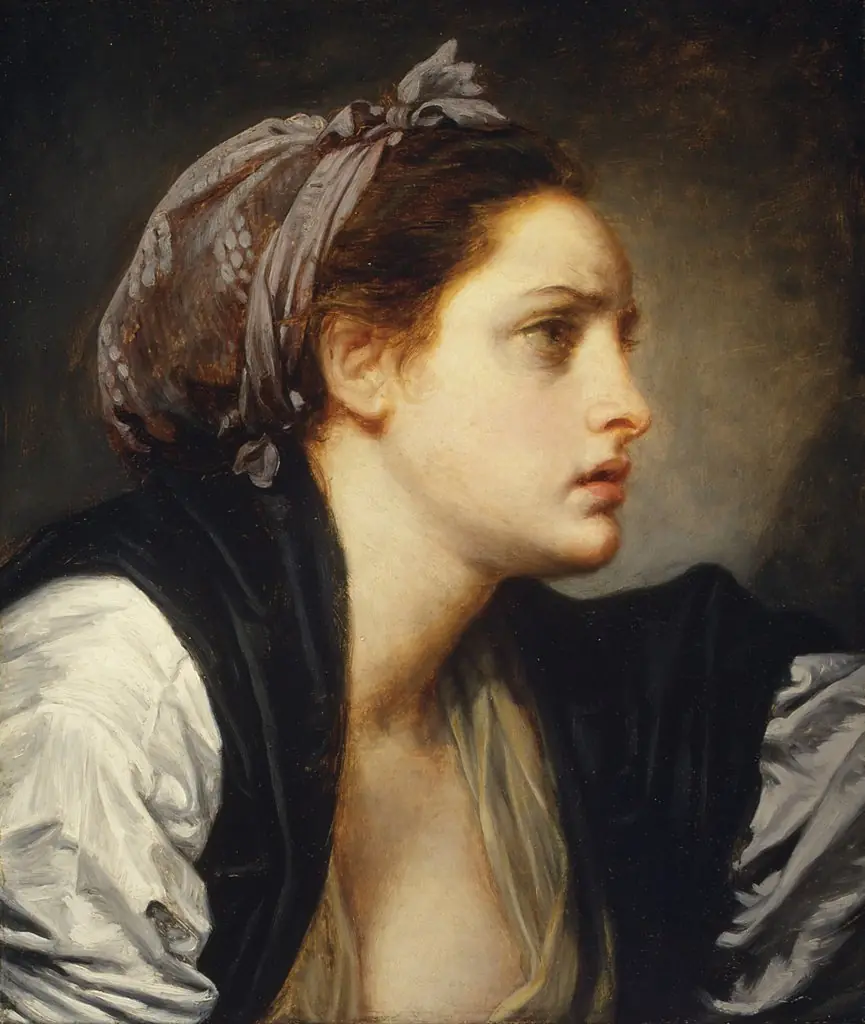 Study Head of a Woman
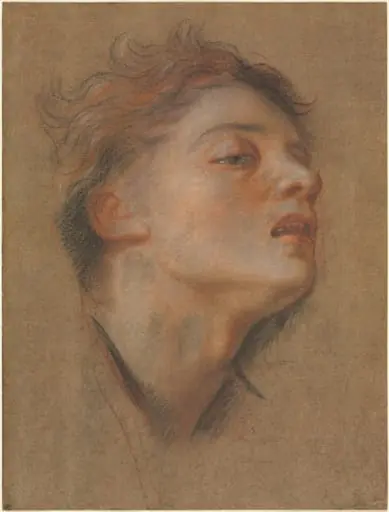 Head of a Young Man
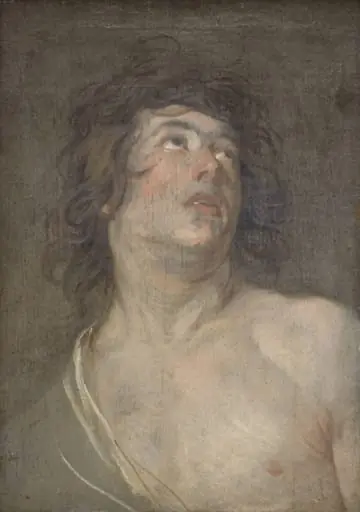 Study Head of a Young Man Looking Upwards. St Sebastian
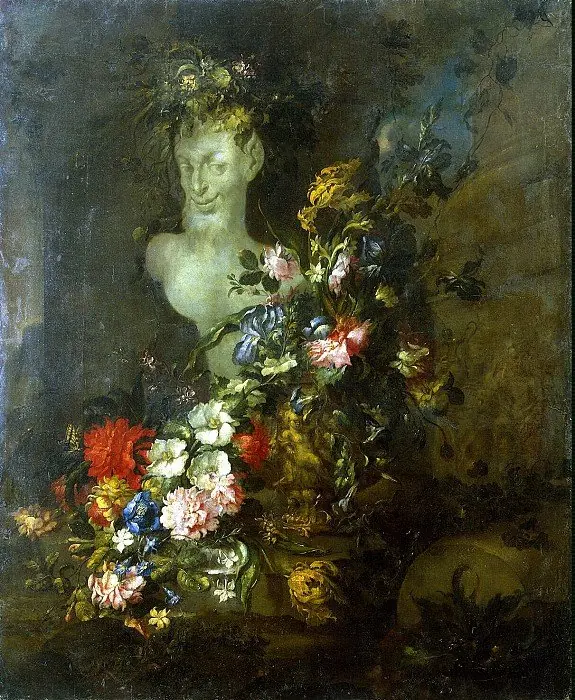 Flowers and the Bust of Pan
 Bildnis eines Mädchens