Artwork
Head of a Huntress (Diana?)
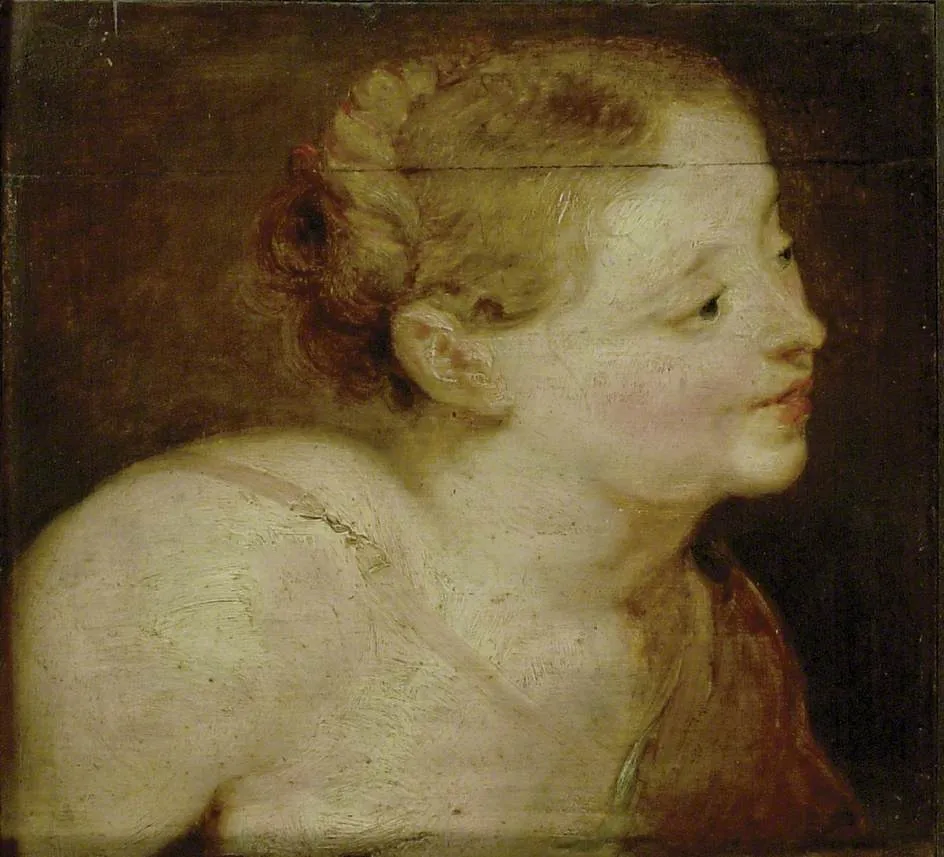
Head of a Huntress (Diana?) is an oil painting by the Flemish Baroque painting artist Peter Paul Rubens. It dates from 1618 and is held in the collection of the Ashmolean Museum.
About this work
Overview
Painted around 1618 by Peter Paul Rubens, this oil-on-panel work presents a half-length portrait of a woman, likely representing the Roman goddess Diana.
Painted around 1618 by Peter Paul Rubens, this oil-on-panel work presents a half-length portrait of a woman, likely representing the Roman goddess Diana. Executed during Rubens’s mature period, it reflects his engagement with classical mythology and the expressive potential of oil paint. The composition focuses intently on the figure’s upper body, isolating her from any narrative context to emphasize presence and character.
Subject & Meaning
The figure is thought to depict Diana, goddess of the hunt, identified by her attire and poised dignity. Her hair is bound tightly, and a crimson cloak drapes over one shoulder, suggesting both practicality and regal bearing. The calm, direct gaze and restrained expression convey composure rather than action, inviting contemplation of divine grace rather than narrative drama. The ambiguity of her identity allows for layered interpretations within classical iconography.
Technique & Style
Rubens employs chiaroscuro to model the face and shoulders with subtle gradations of light, enhancing the three-dimensionality of flesh and fabric. The brushwork is precise on the skin and folds of the cloak, while the background remains softly blurred, directing focus to the figure. His handling of oil paint achieves both luminosity and texture, demonstrating mastery in rendering subtle transitions between light and shadow without overt theatricality.
History & Provenance
The painting entered the Ashmolean Museum’s collection in the 19th century, having passed through private European hands since its creation. Its attribution to Rubens has been consistently supported by stylistic analysis and archival records. Though not part of a larger known series, it aligns with other studies Rubens made of mythological figures during his time in Antwerp, likely serving as a preparatory work or independent devotional image.
Context
Created during the height of the Flemish Baroque, the painting reflects the era’s interest in classical themes and emotional resonance. While the Counter-Reformation encouraged religious imagery, secular mythological subjects remained popular among patrons seeking intellectual and aesthetic refinement. Rubens’s ability to blend human realism with mythological symbolism made such works desirable across Catholic and Protestant courts.
Legacy
This portrait exemplifies Rubens’s capacity to distill grand themes into intimate studies. Its focus on a single figure, rendered with psychological nuance and technical precision, influenced later portrait traditions in both religious and mythological contexts. Though not widely exhibited, it remains a key example of how Baroque artists used the head-and-shoulders format to explore identity, divinity, and the limits of representation.
Artist & collection
Artist
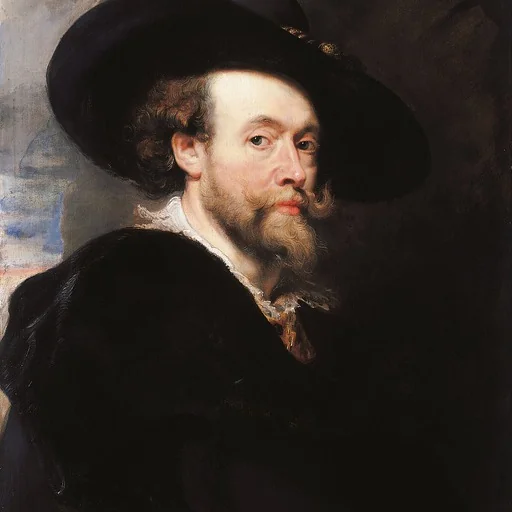
Sir Peter Paul Rubens ( ROO-bənz; Dutch: ; 28 June 1577 – 30 May 1640) was a Flemish artist and diplomat.

 Head of a Woman Looking Back Over Her Shoulder
 Head of an Angel
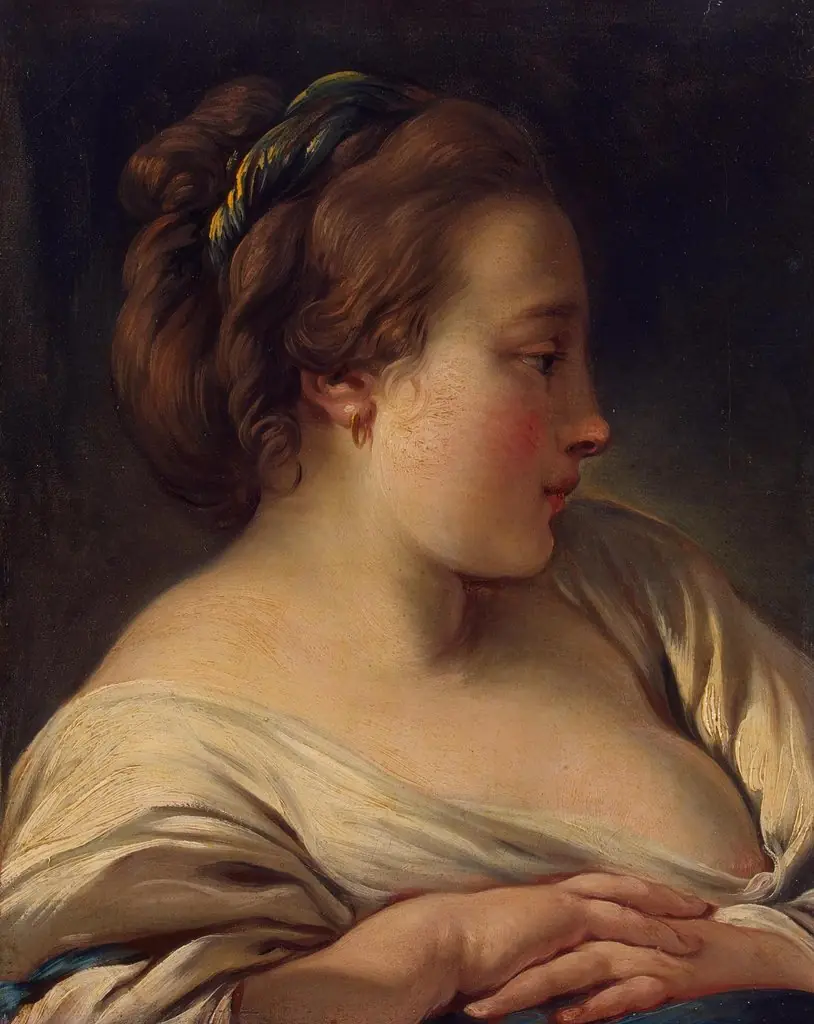 Head of a Young Girl
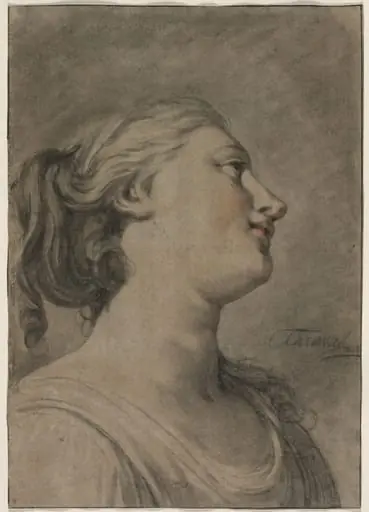 Head of a Female Figure in Profile, Turned to the Right
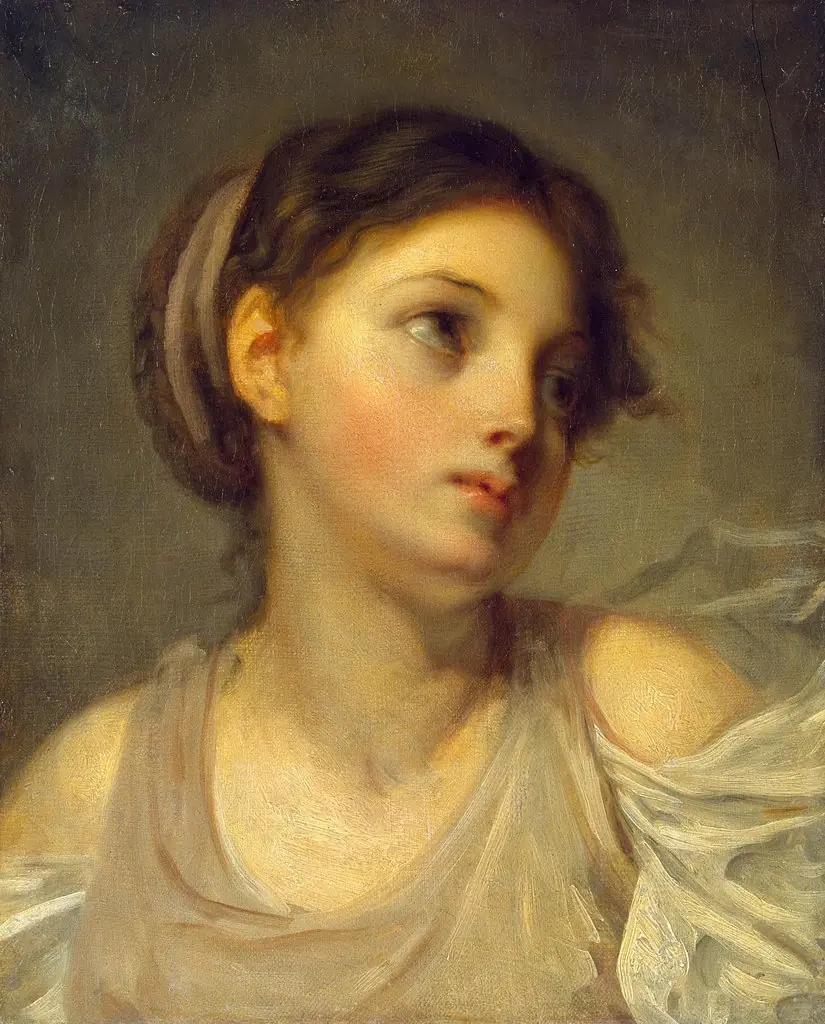 Young Girl in a Lilac Tunic
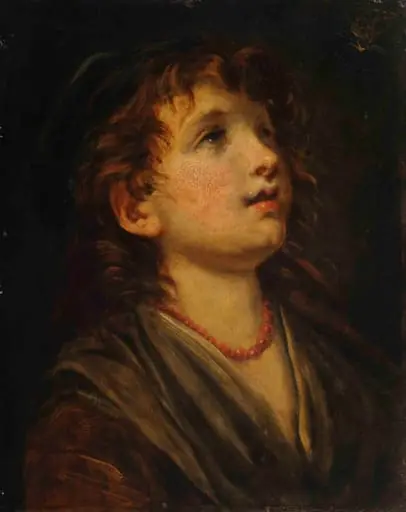 Copilul cu fluturele
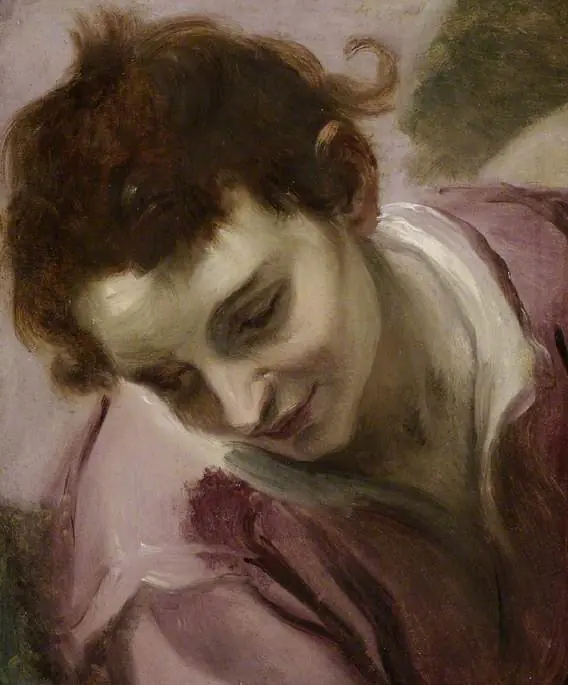 Study of head and bust of youth, looking to lower left
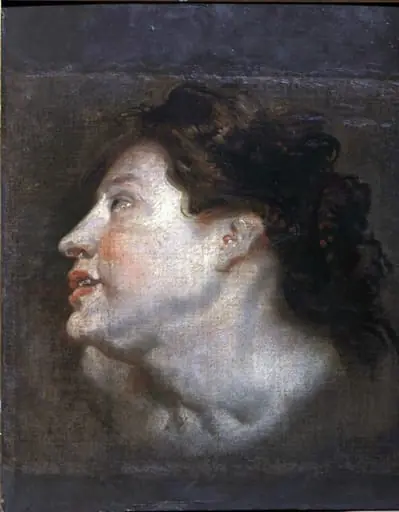 Cap de femeie (studiu)
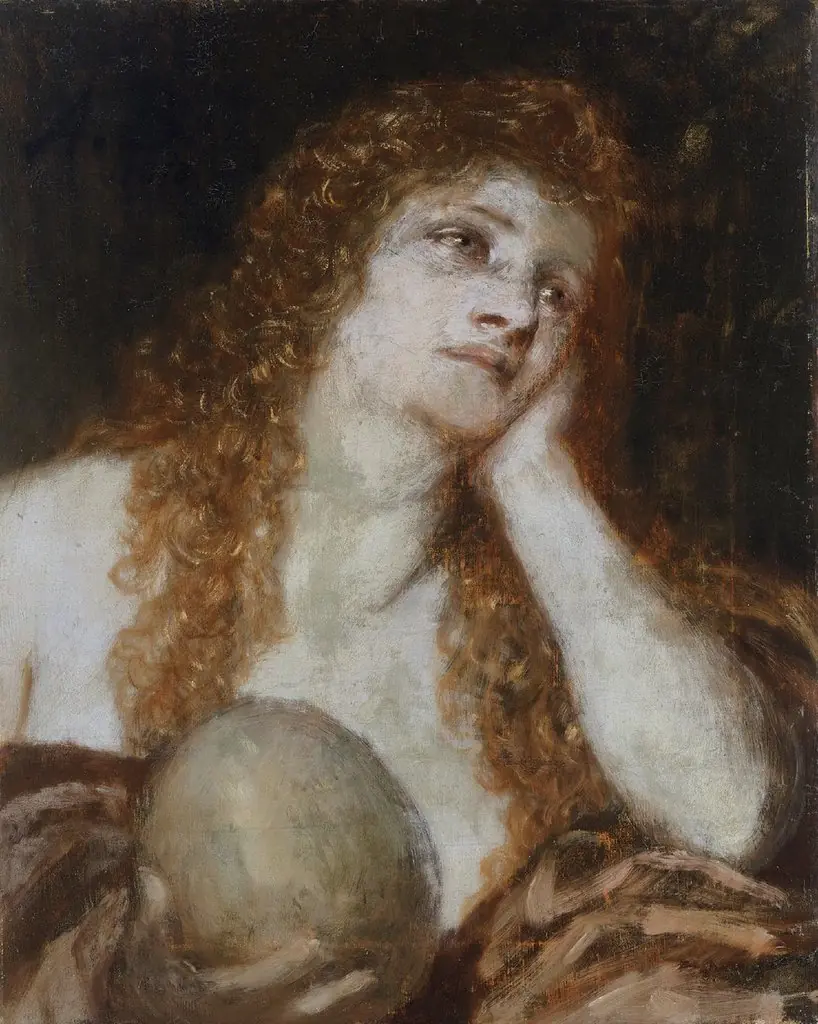 The penitent Maria Magdalena
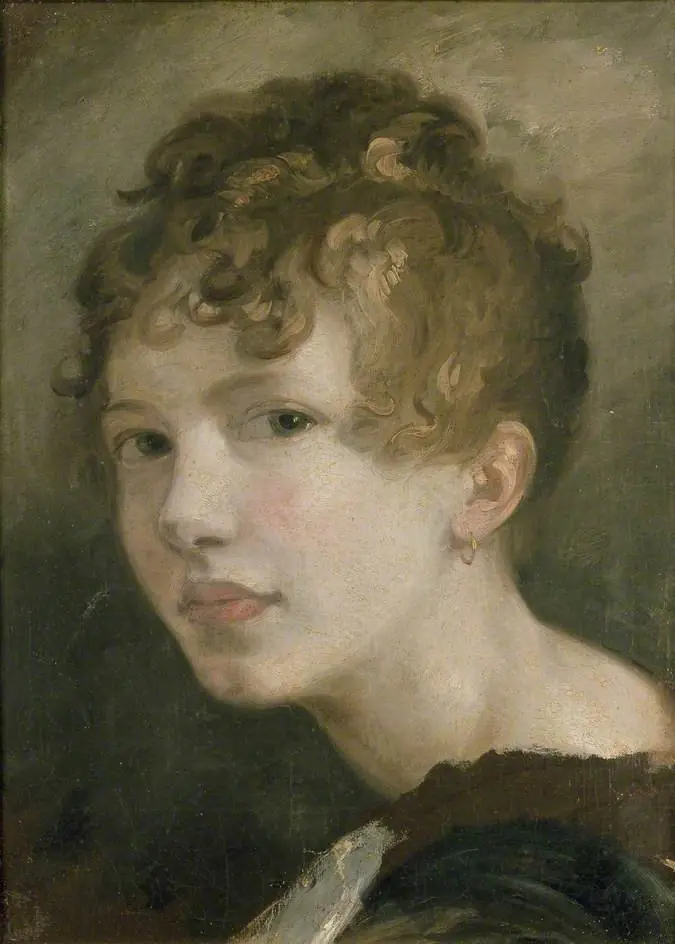 Hannah Mary de Cardonnel Lawson
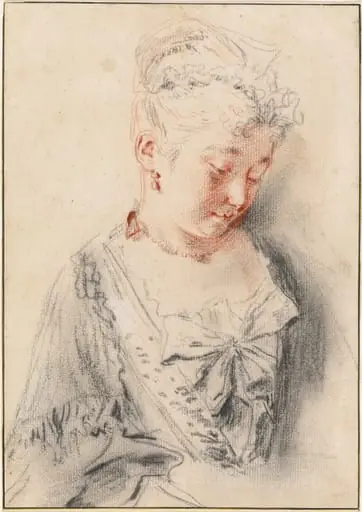 Seated Woman Looking Down
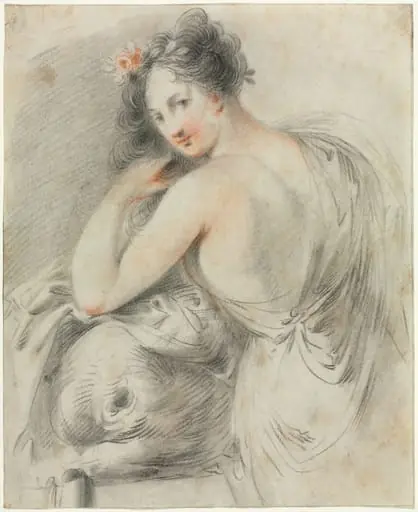 Baccante