Artwork
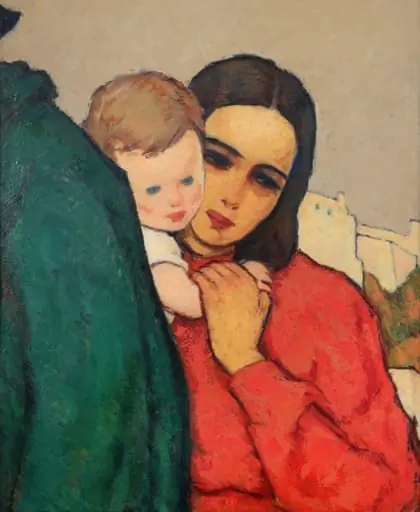
Țărancă cu copil în brațe
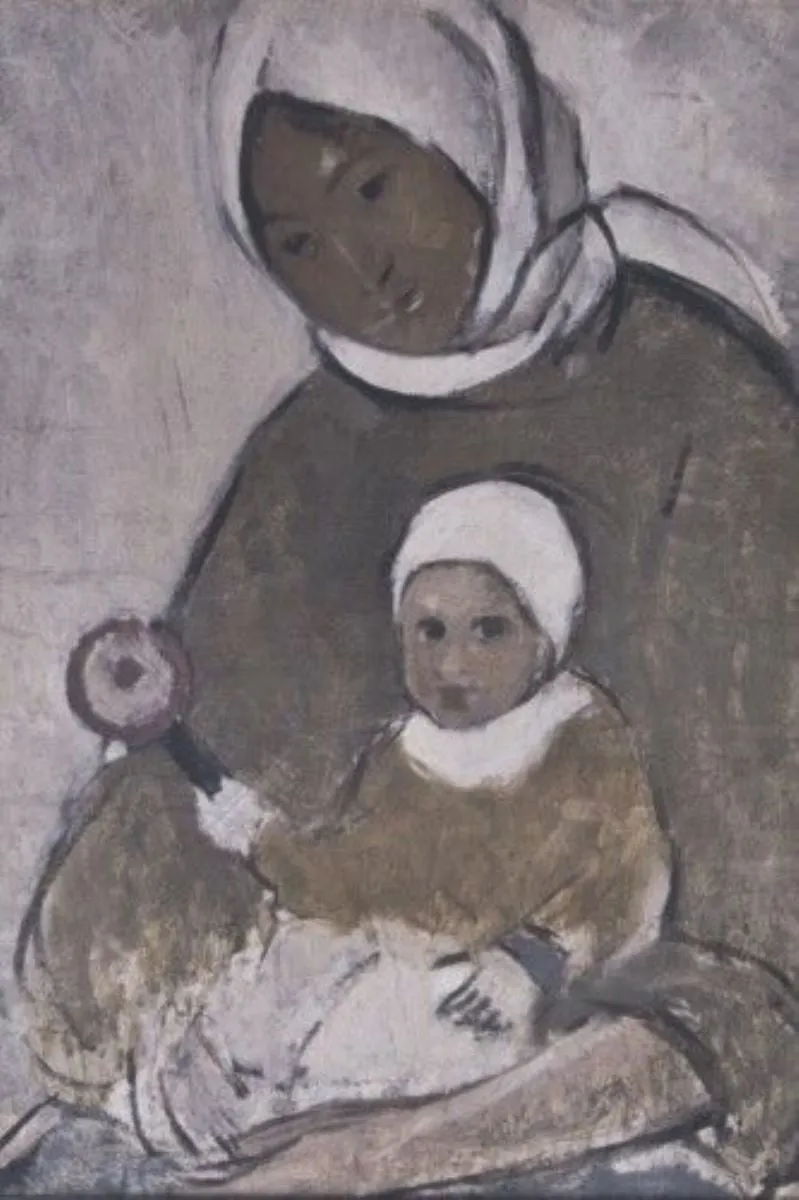
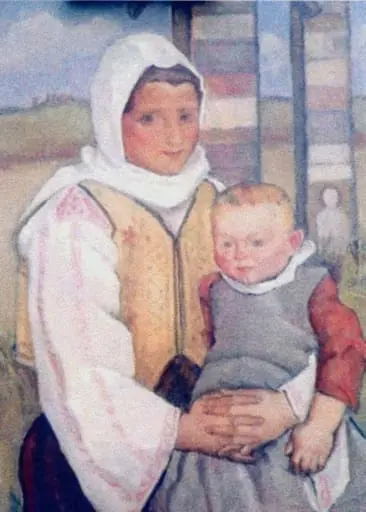
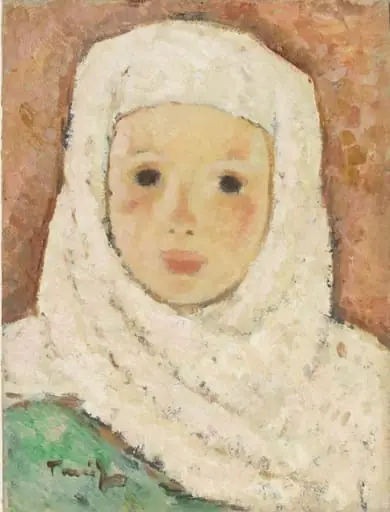
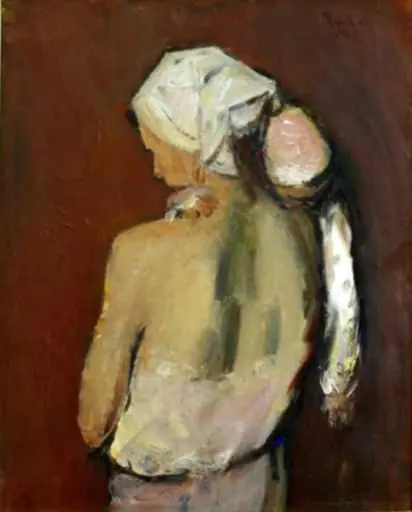
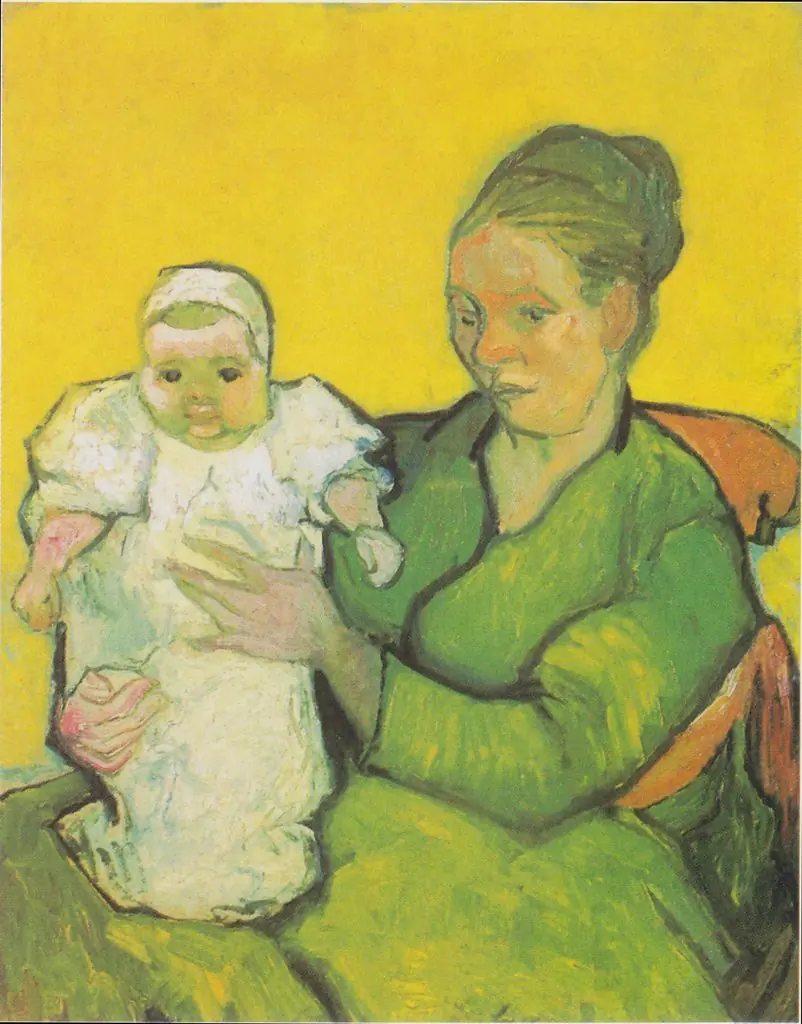
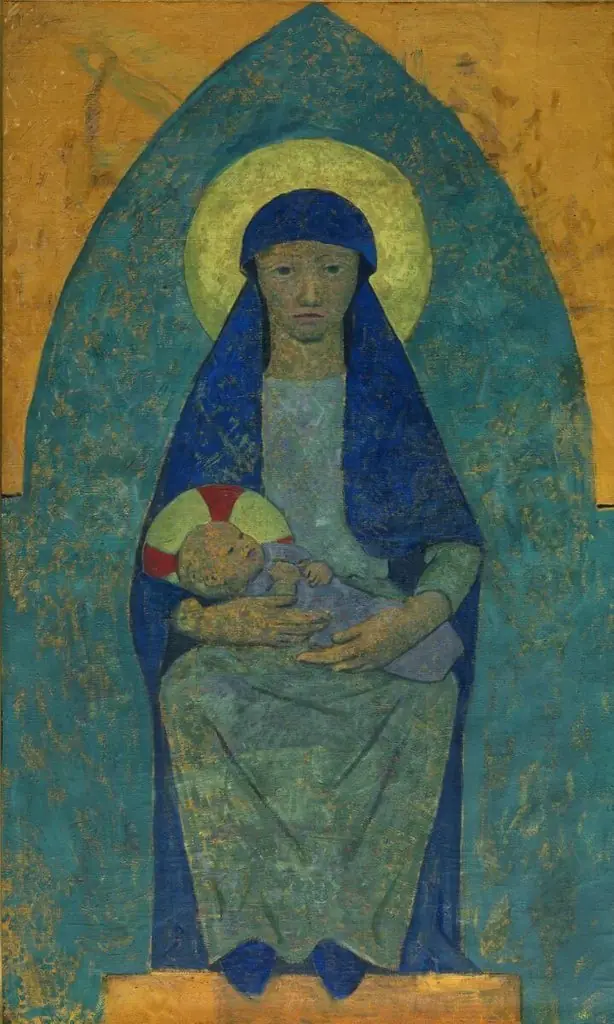
Țărancă cu copil în brațe is an unspecified painting by Nicolae Tonitza. It is held in the collection of the National Museum of Art of Romania. This image presents a quiet domestic scene: a woman cradles an infant against a plain, light-toned wall.
About this work
Overview
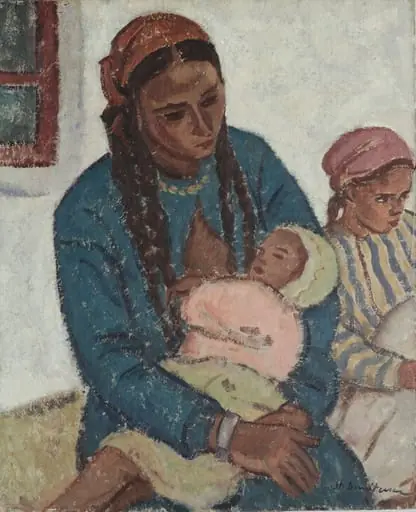
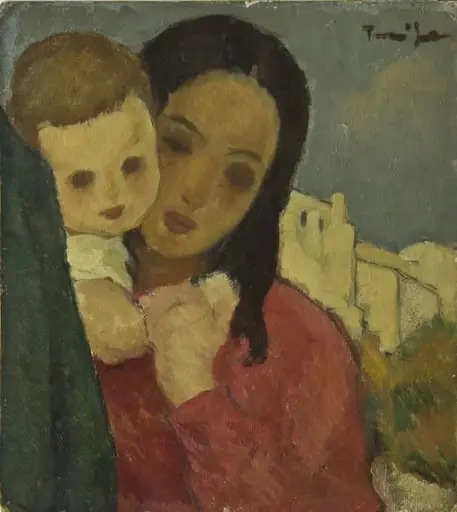
This image presents a quiet domestic scene: a woman cradles an infant against a plain, light-toned wall. The composition centers on the pair, their forms rendered with subdued tonal contrasts that lend volume and presence. The work avoids narrative drama, instead conveying a moment of everyday intimacy through restrained gesture and expression.
Subject & Meaning
The painting captures a peasant woman holding a child, a common motif in rural genre scenes. The woman’s neutral expression and downward gaze suggest quiet attentiveness, while the infant’s direct, unfocused look reinforces the ordinariness of the moment. The absence of overt emotion or allegorical reference directs attention to the simplicity of maternal care within a modest setting.
Technique & Style
The brushwork remains largely unobtrusive, with muted color transitions and a limited palette that emphasizes the interplay of light and shadow.
Executed in a naturalistic manner, the work employs chiaroscuro to model the figures’ forms, creating a sense of three-dimensionality. The brushwork remains largely unobtrusive, with muted color transitions and a limited palette that emphasizes the interplay of light and shadow. The plain background serves to isolate the subjects, focusing the viewer’s gaze on their physical and emotional presence.
History & Provenance
Details regarding the painting’s creation, early ownership, and subsequent circulation remain limited. The image aligns with broader traditions of rural genre painting, though its specific origins and attribution require further documentation. Such works often entered private collections or regional exhibitions, reflecting local artistic practices and social themes of their time.
Context
Paintings of peasant life emerged across Europe in the 19th and early 20th centuries, often depicting rural labor, family bonds, or domestic routines. This image fits within that tradition, offering a glimpse into the daily experiences of agrarian communities. The focus on ordinary individuals rather than idealized figures reflects a shift toward realism and social observation in art.
Legacy
While not widely recognized in major art historical narratives, this painting contributes to the documentation of rural life through visual culture. Its straightforward depiction of motherhood and peasant identity resonates with broader themes in genre painting. Such works remain valuable for their representation of social realities and artistic responses to everyday existence.
Artist & collection
Artist
Nicolae Tonitza painted quiet still lifes and village scenes, often showing colorful vegetables on a table or blooming flowers in simple pots.