Artwork
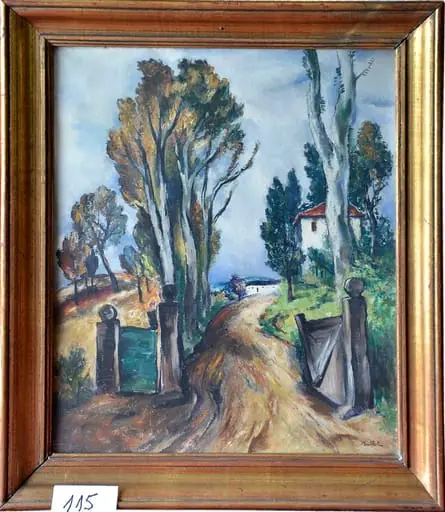
Poartă din Mangalia
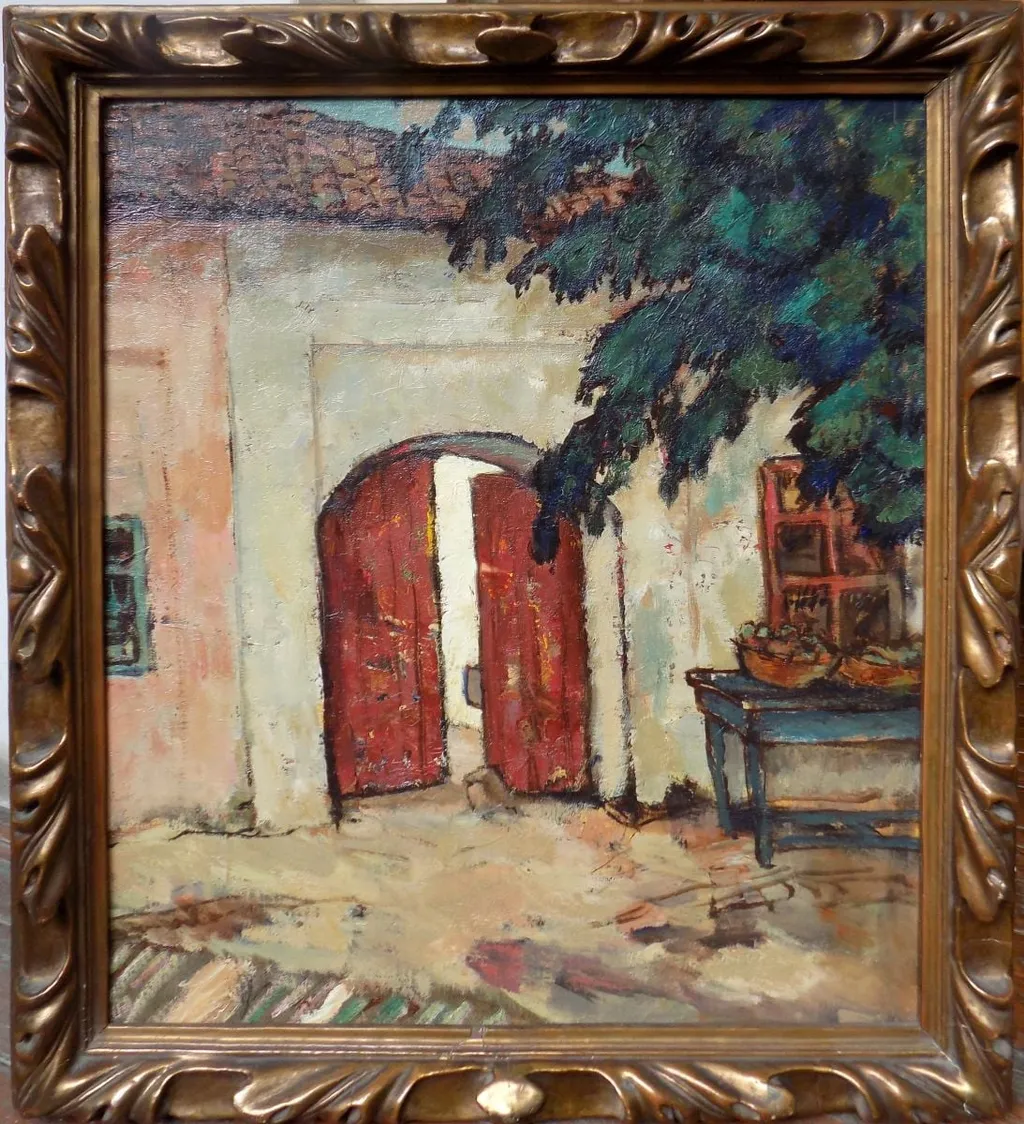
Poartă din Mangalia is an unspecified painting by Nicolae Tonitza. It dates from 1927 and is held in the collection of the Bucharest Municipality Museum.
About this work
Overview
The work is part of the Museum of Ethnography’s collection and reflects Tonitza’s interest in rural Romanian architecture and everyday scenes.
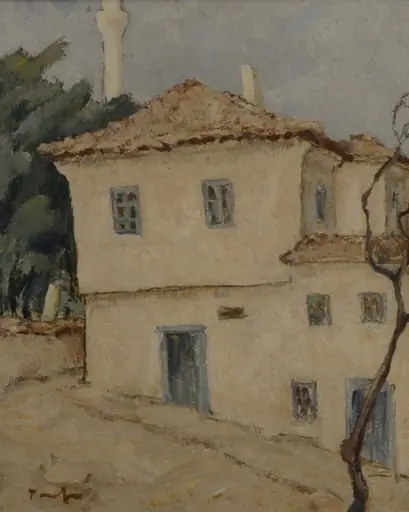
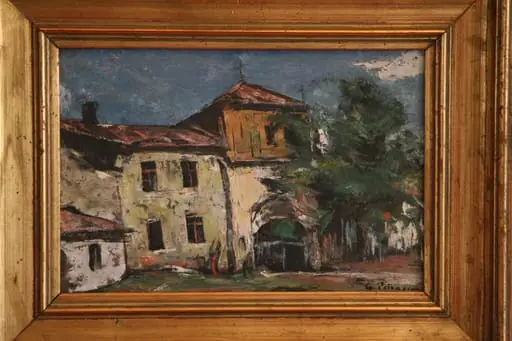
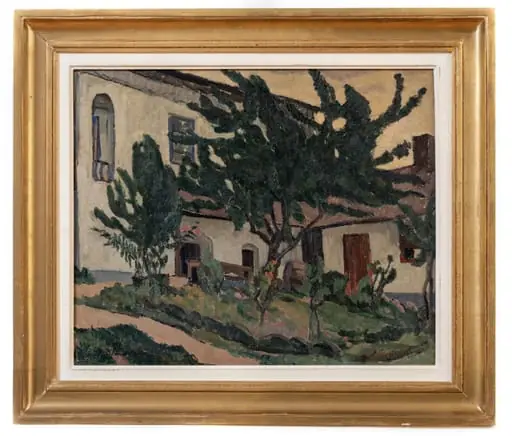
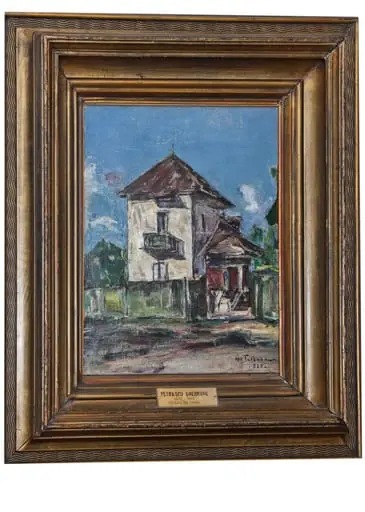
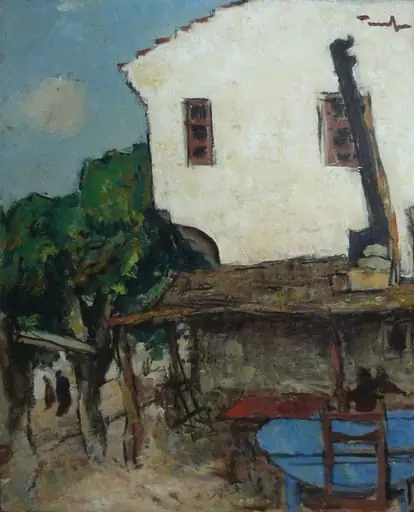
Painted in 1927 by Nicolae Tonitza, Poartă din Mangalia depicts a weathered wooden door embedded in a decaying stone wall. The work is part of the Museum of Ethnography’s collection and reflects Tonitza’s interest in rural Romanian architecture and everyday scenes. Rendered with expressive brushwork and layered pigment, the painting captures the quiet endurance of ordinary structures in a coastal village.
Subject & Meaning
The subject is a solitary entrance in a modest settlement, framed by natural elements and signs of neglect. The door, though faded and worn, remains intact, suggesting resilience amid decay. Nearby, a table with a basket and a leaning tree imply human presence, however minimal. The scene evokes solitude and the passage of time, without overt narrative, inviting contemplation of daily life in a marginalized region.
Technique & Style
Tonitza employed thick, tactile applications of paint—impasto—to emphasize texture in the wall, door, and ground. His brushstrokes are rapid and deliberate, creating a sense of movement and materiality. Earth tones dominate: rust-red wood, ochre stone, and muted greens from the foliage. The surface is uneven, mirroring the terrain, and the lack of fine detail reinforces a raw, immediate perception rather than idealized representation.
History & Provenance
Created during Tonitza’s period of deep engagement with Romanian folk life, the painting was acquired by the Museum of Ethnography shortly after its completion. It has remained in the museum’s collection since, without significant changes in ownership. Its preservation reflects institutional interest in documenting regional visual culture during the interwar years, rather than its status as a commercial work.
Context
In the late 1920s, Tonitza turned from urban subjects to rural and coastal communities, drawn to their architectural simplicity and social quietude. Mangalia, a Black Sea port town, offered a landscape of modest dwellings and weathered structures. This painting aligns with broader Romanian artistic movements seeking authenticity in vernacular life, away from academic conventions and urban modernity.
Legacy
Poartă din Mangalia exemplifies Tonitza’s contribution to Romanian modernism through his empathetic portrayal of overlooked environments. While not widely exhibited outside Romania, it remains a key reference in studies of interwar regional art. Its unembellished realism and material focus influenced later artists interested in the poetic potential of decay and everyday space.
Artist & collection
Artist
Nicolae Tonitza painted quiet still lifes and village scenes, often showing colorful vegetables on a table or blooming flowers in simple pots.