Artwork
Calypso
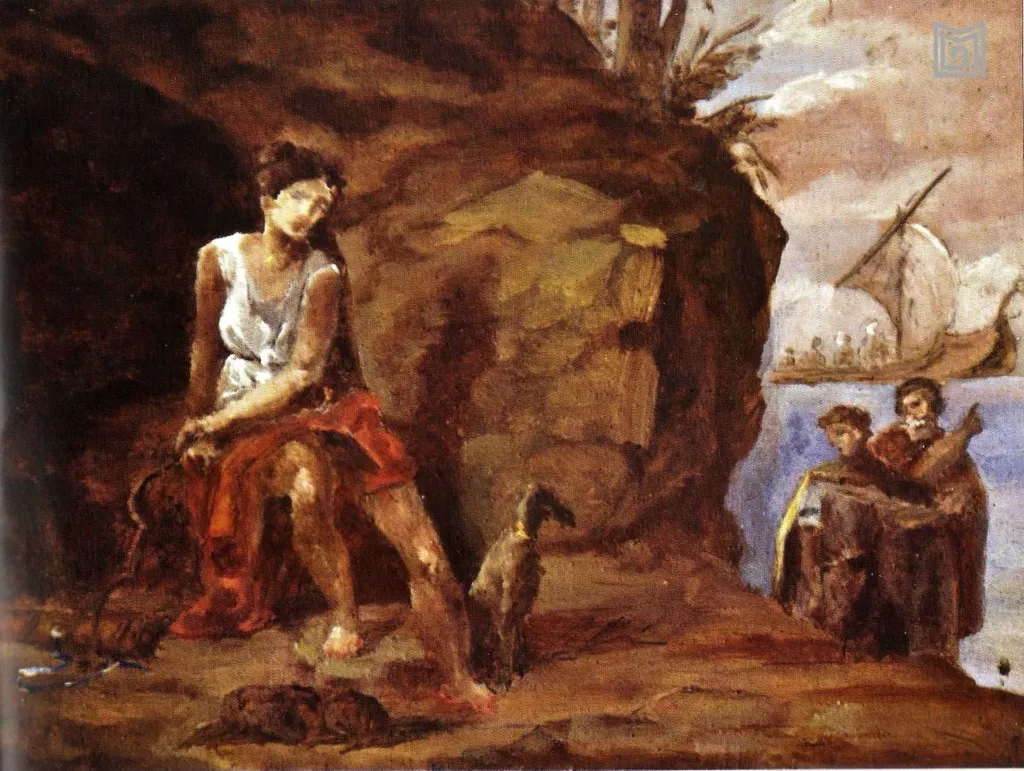
Calypso is an unspecified painting by Gheorghe Tattarescu. It dates from 1850 and is held in the collection of the Bucharest Municipality Museum.
About this work
Overview
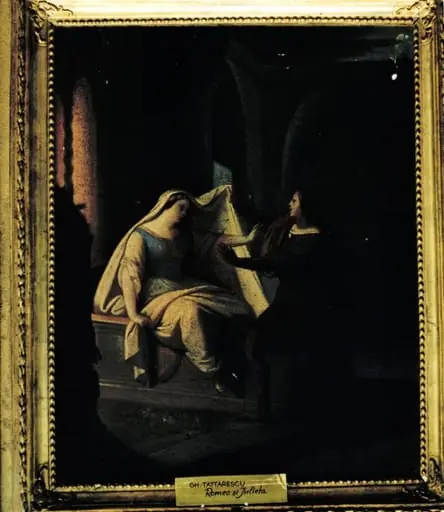
Gheorghe Tattarescu’s oil painting titled Calypso, dated to around 1850, is part of the collection of the Museum of Ethnography. The composition presents a solitary female figure seated on a rocky outcrop, draped in a vivid red mantle, against a rugged cavern wall. In the background, two youths are positioned near a winged vessel that emits a luminous glow beneath a somber sky.
Subject & Meaning
The central woman, rendered with a tranquil demeanor, appears detached from the activity unfolding behind her. The two boys, poised beside the illuminated ship, suggest anticipation or watchfulness. The juxtaposition of calm and expectancy, along with the mythic allusion to a winged ship, invites interpretations linked to themes of exile, rescue, or the passage between worlds.
Technique & Style
Tattarescu employs a pronounced chiaroscuro scheme, contrasting deep shadows on the cavernous rock with the bright, almost ethereal light radiating from the ship. This stark illumination isolates the figures, emphasizing their forms and gestures. The palette is restrained except for the striking red cloth, which serves as a focal point within the otherwise muted tonal range.
History & Provenance
Created circa 1850, Calypso entered the Museum of Ethnography’s holdings at an unspecified date, where it remains on display. The work reflects Tattarescu’s mid‑nineteenth‑century output, a period when he was integrating Western academic techniques with Romanian subject matter.
Context
During the mid‑1800s, Romanian artists like Tattarescu were engaging with Romantic and Neoclassical currents while seeking a national visual language. The painting’s mythic title and dramatic lighting echo contemporary European trends, yet its setting and figures retain a distinctly local atmosphere, bridging broader artistic movements with regional identity.
Artist & collection
Artist

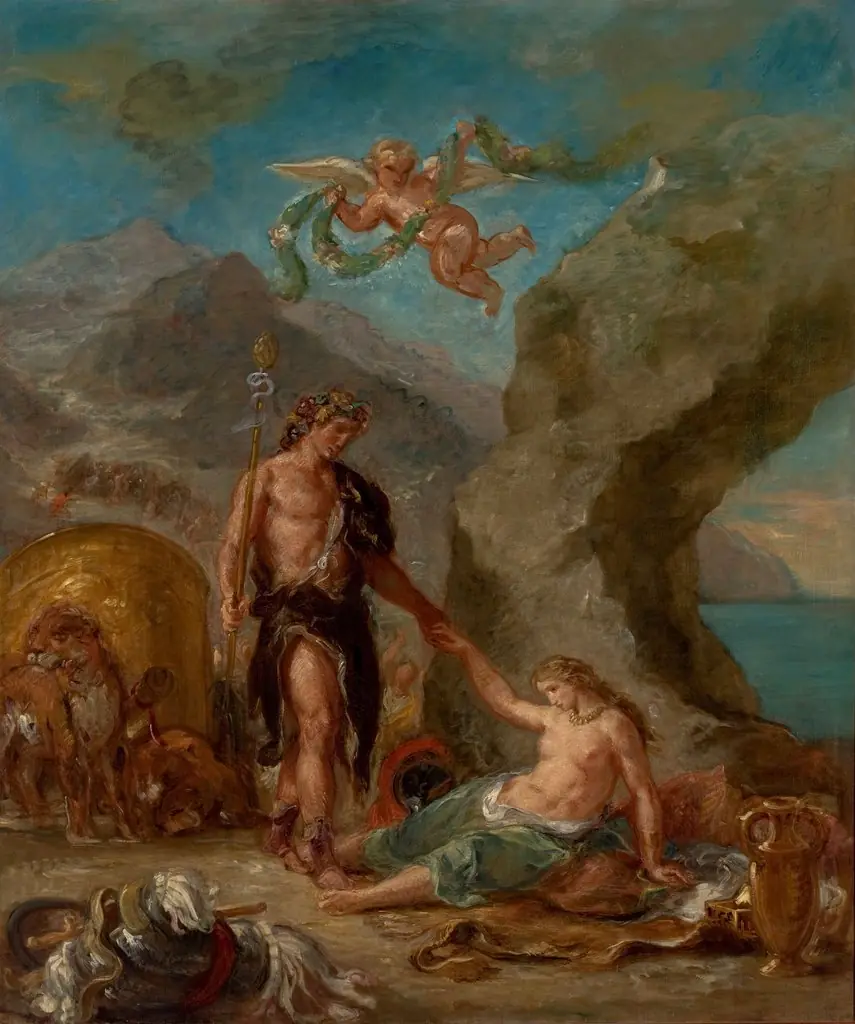 The Autumn - Baccus and Ariadne
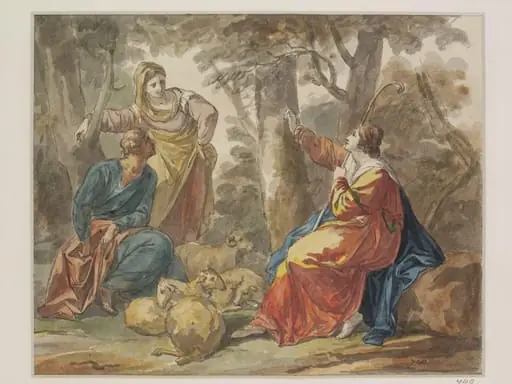 Orlando Furioso
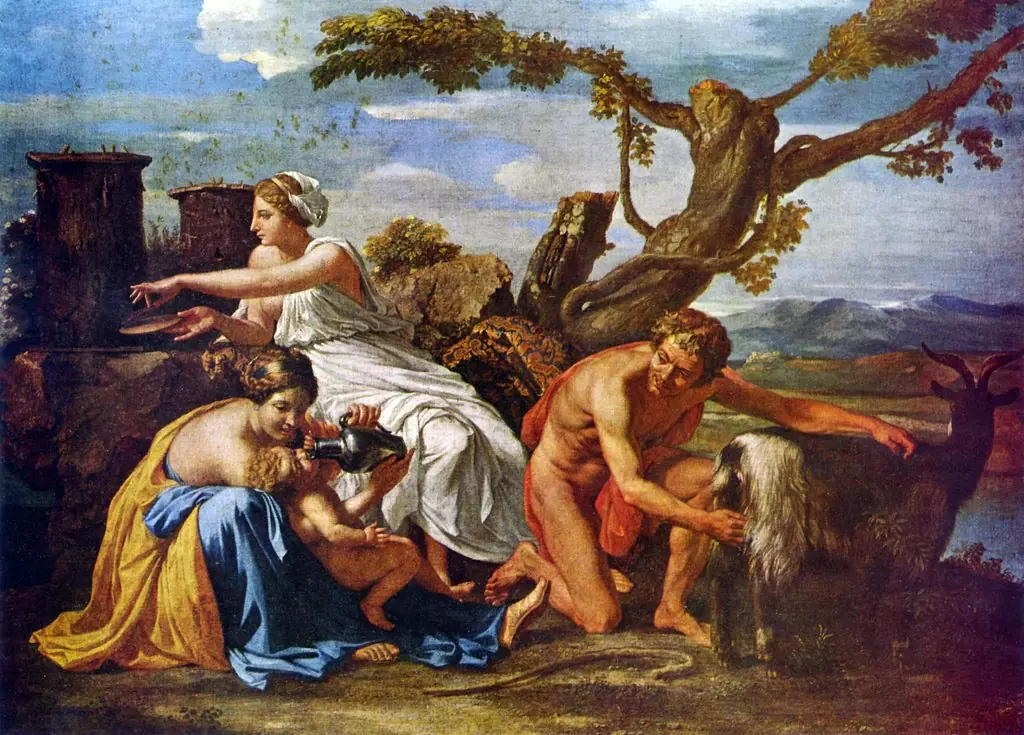 Jupiter als Kind von der Ziege Amalthea genährt
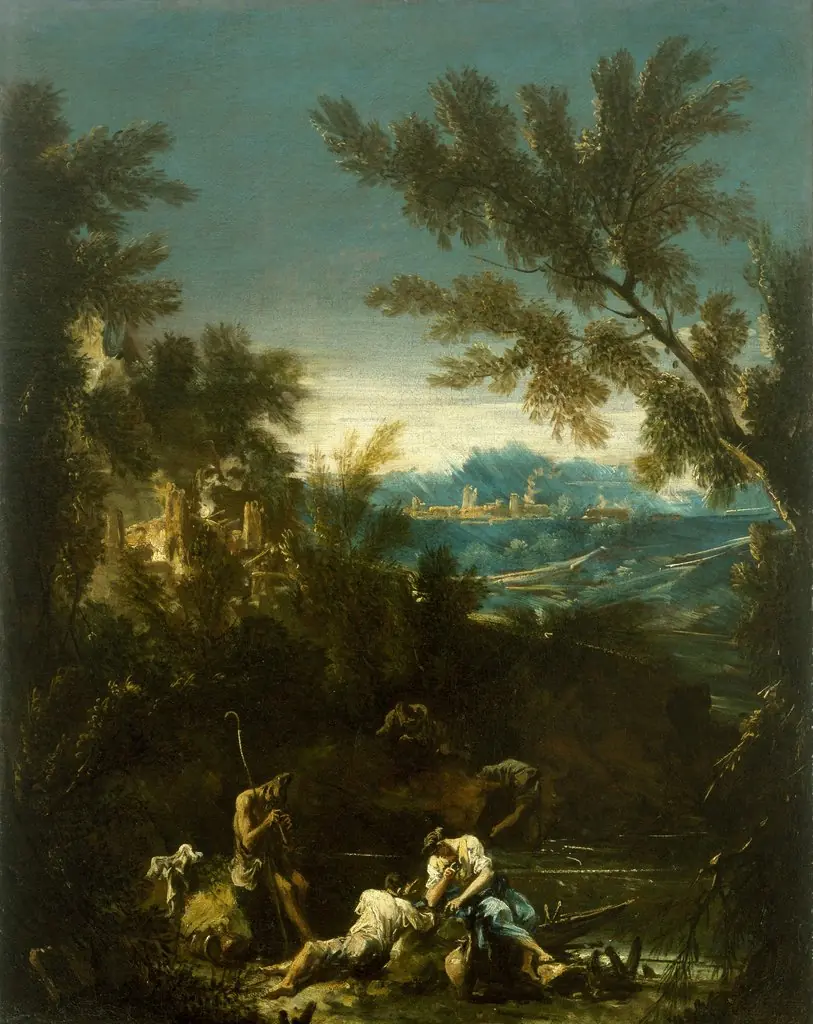 Landscape with Figures
 Boar Hunt
 Italienische Küstenlandschaft
 Landscape with Two Praying Monks
 Landscape with Saint Bruno ?
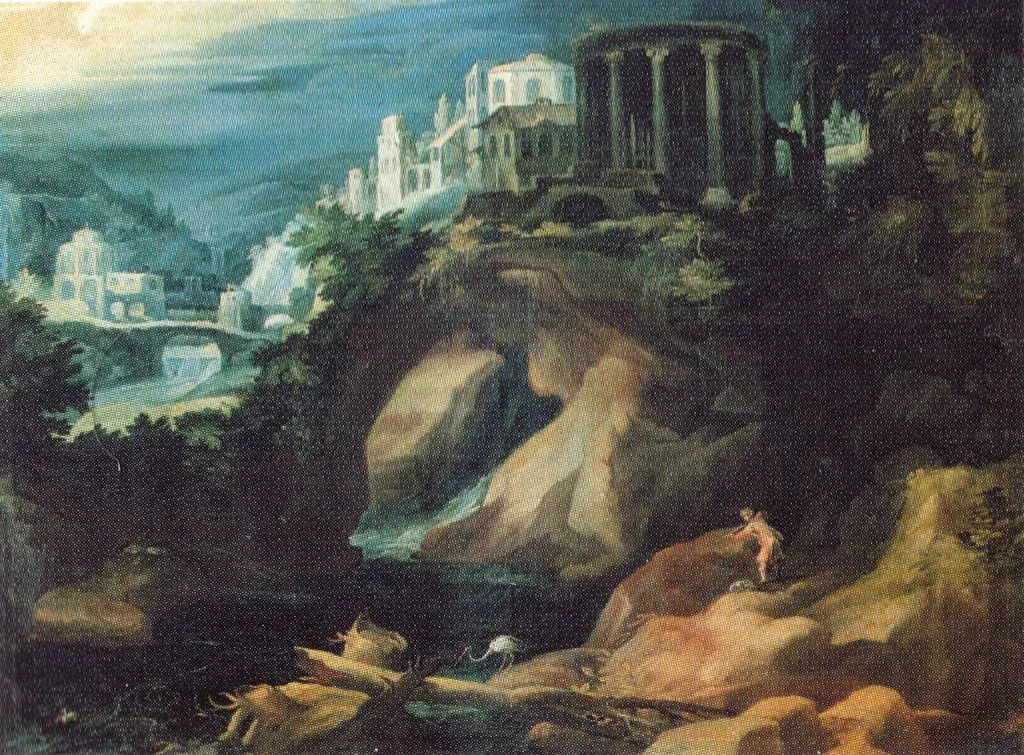 Landschaft mit Sibyllentempel
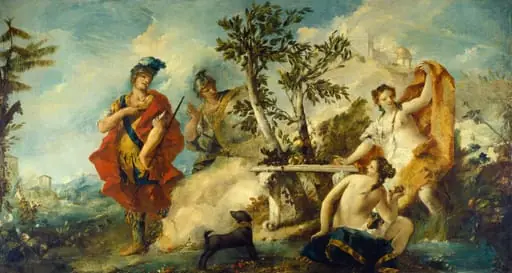 Carlo and Ubaldo Resisting the Enchantments of Armida's Nymphs
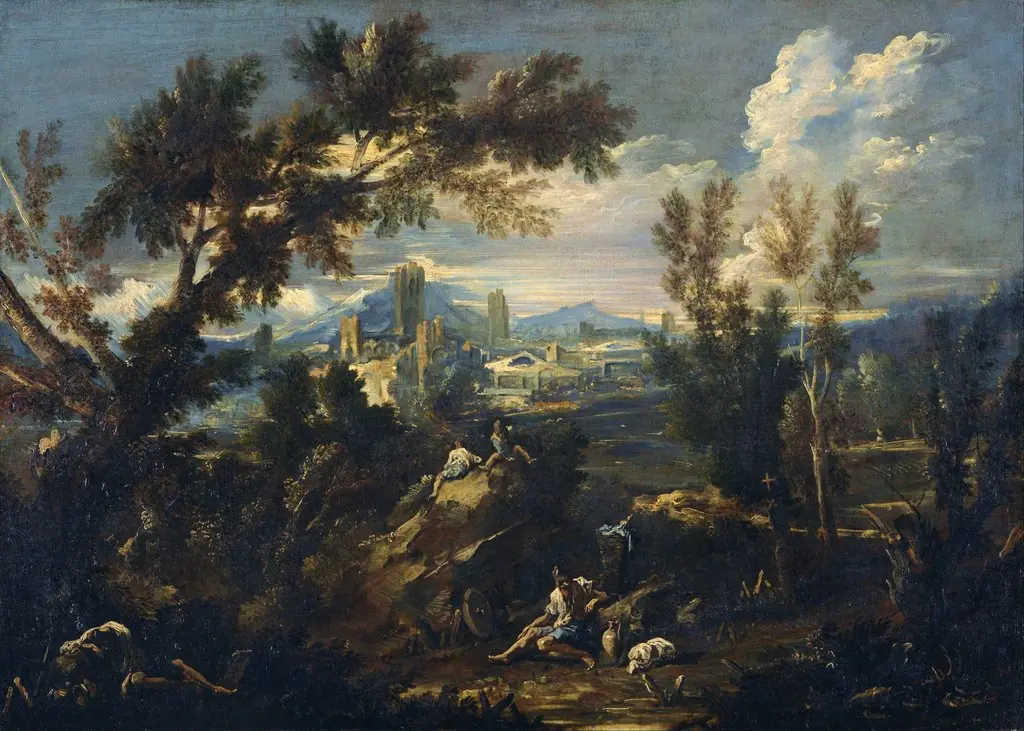 Landscape with Shepherds
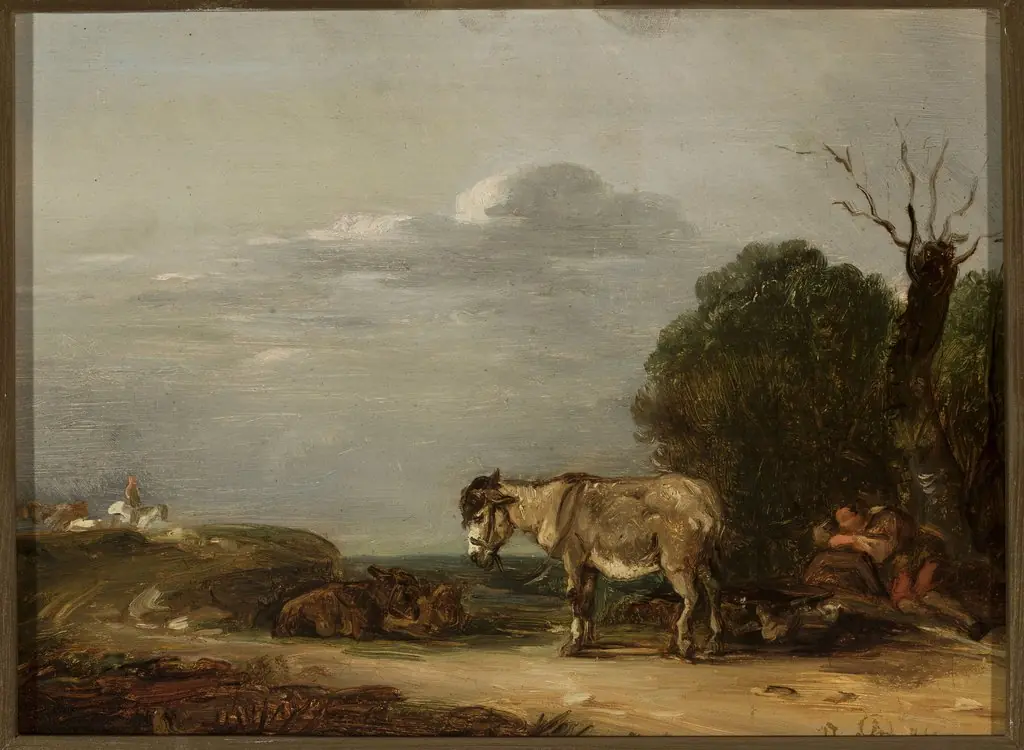 Landscape with a donkey