Artwork
Dâmbovicioara
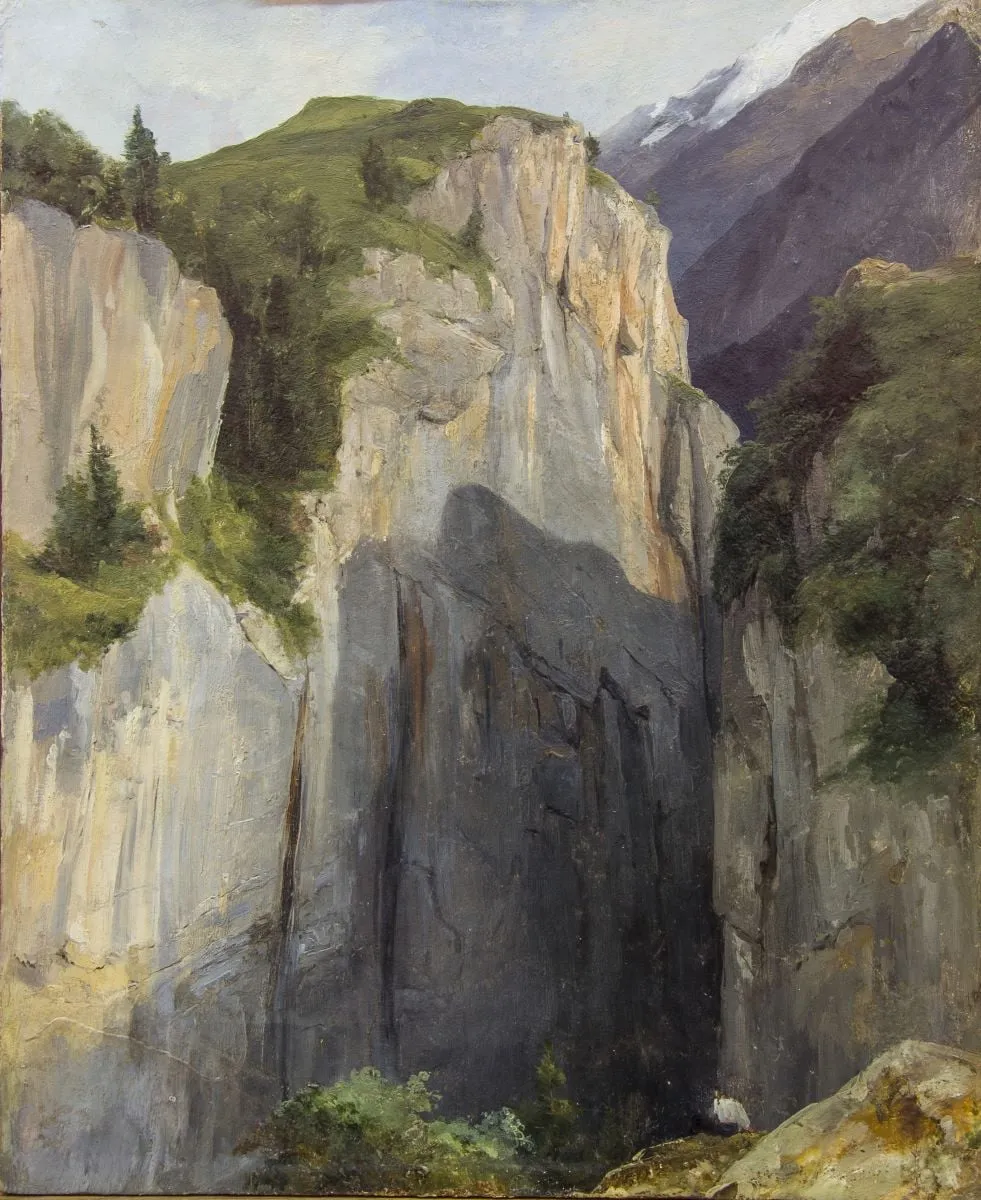
Dâmbovicioara is an unspecified painting by Gheorghe Tattarescu. It dates from 1850 and is held in the collection of the National Museum of Art of Romania.
About this work
Overview
Gheorghe Tattarescu’s mid‑nineteenth‑century canvas, Dâmbovicioara, depicts a narrow mountain gorge cut by a central waterfall. The composition is framed by towering cliffs that rise on both sides, their surfaces mottled in warm ochres and cool grays. A thin veil of pale sky hovers above, while sparse vegetation clings to the rock faces, adding a touch of green to the rugged landscape.
Subject & Meaning
The painting presents a dramatic natural scene, emphasizing the power of water as it cascades through a confined valley. The juxtaposition of solid stone and flowing water may suggest a dialogue between permanence and transience, a theme often explored in Romantic landscape art of the period.
Technique & Style
Tattarescu employs a pronounced impasto technique, applying thick layers of paint to the cliff faces to convey texture and volume. The brushwork varies from broad, sculptural strokes on the rocks to finer, more fluid marks in the waterfall, creating a contrast that highlights the interaction of light and surface.
History & Provenance
Created around 1850, Dâmbovicioara belongs to the early phase of Tattarescu’s career, when he was developing a national school of painting in Romania. The work has remained in public collections, reflecting its role in documenting the country’s natural scenery during a period of burgeoning cultural identity.
Artist & collection
Artist



 Vorderer Gosausee against Dachstein
 Trees and a Stream on a Hillside
 Trees and a Stream on a Hillside
 Alpine Landscape in Tyrol with Chamois Herd
 Lumiset vuorenrinteet
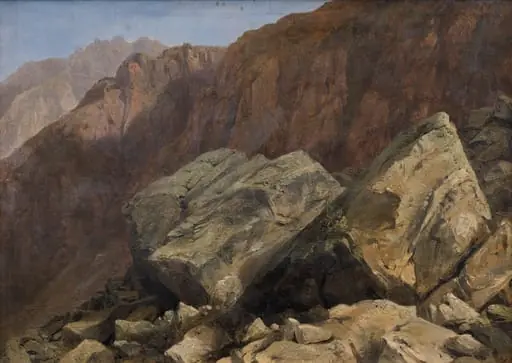 Stânci
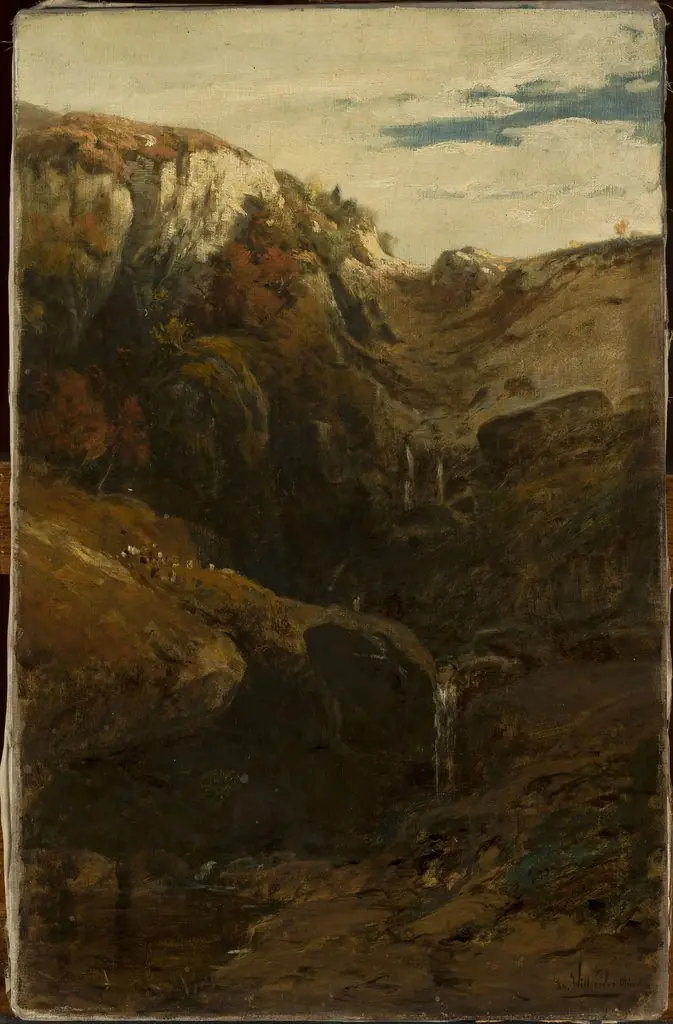 Waterfall
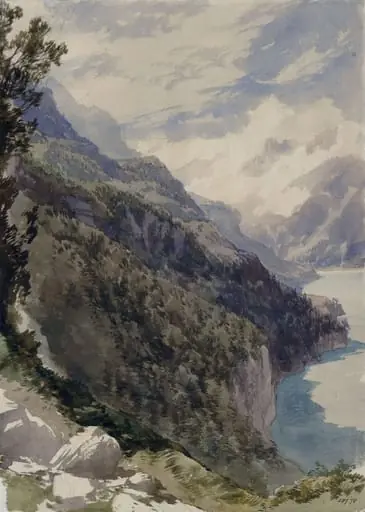 Bay of Uri, Lake of Lucerne
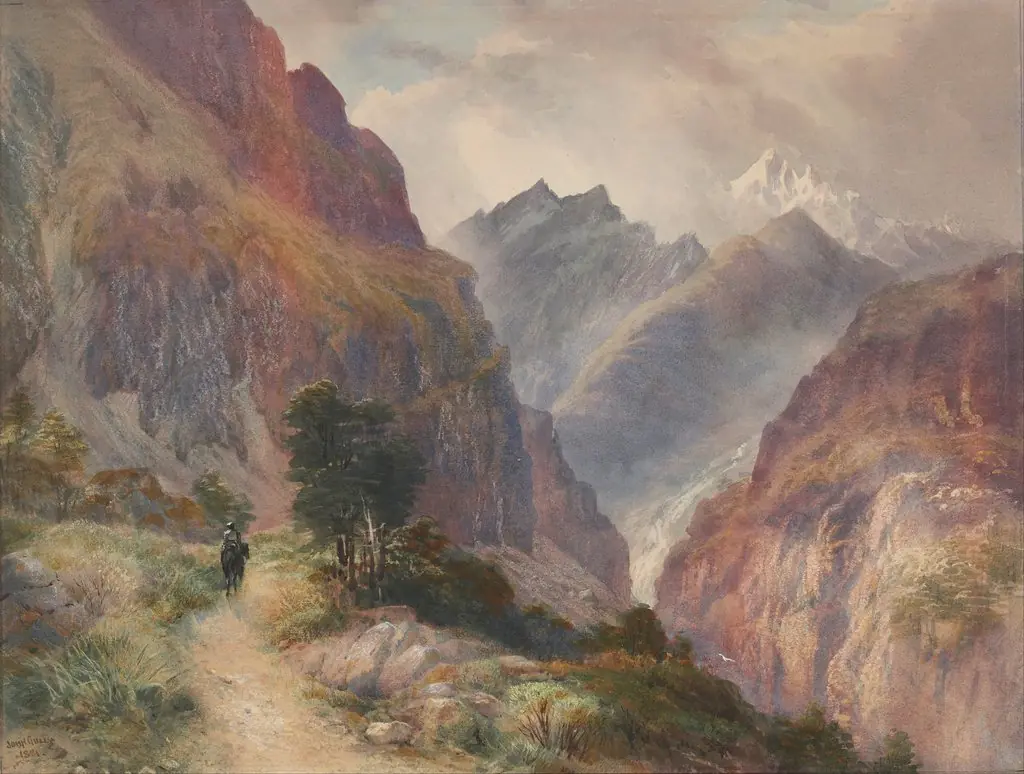 In the Southern Alps
 Berglandschap in Tirol met gemzen
 Berglandschap in Voreppe, Dauphiné
 Mount Pyszna in the Tatra Mountains