Artwork
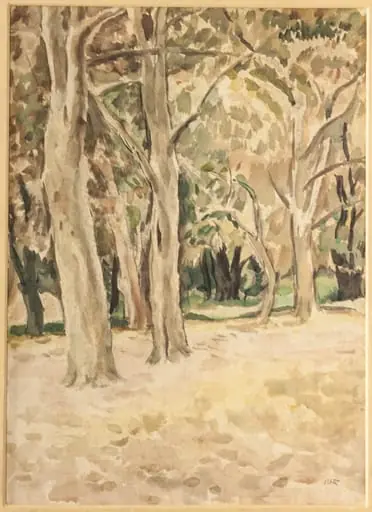
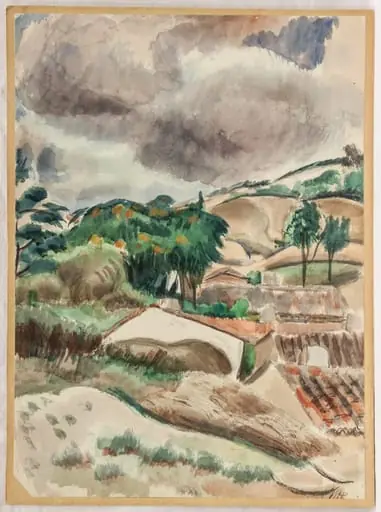
Peisaj la Silistra
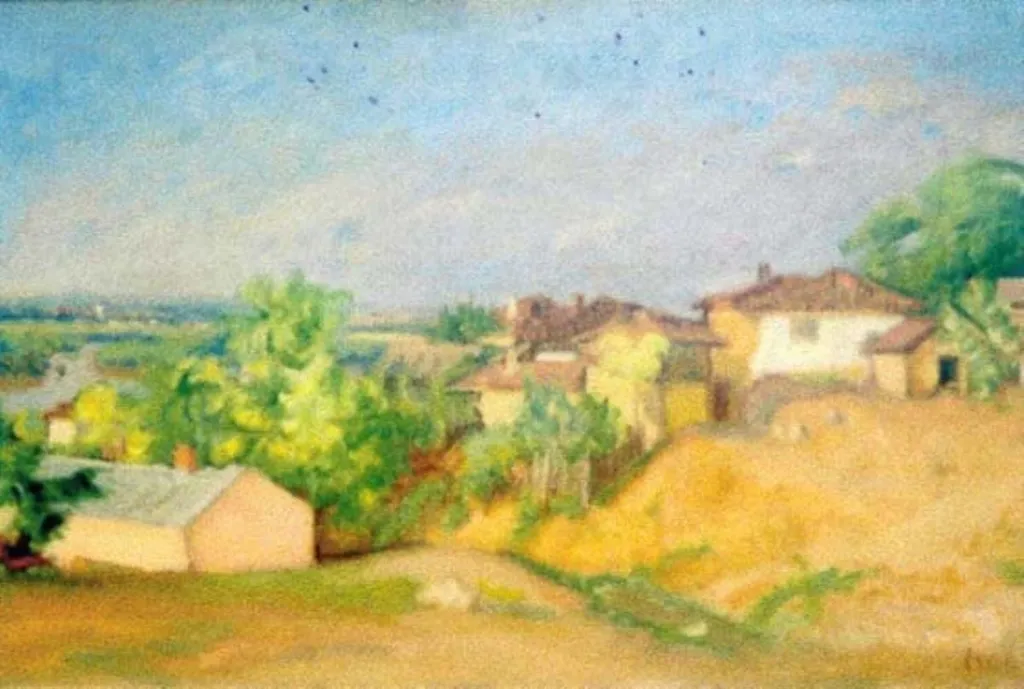
Peisaj la Silistra is an unspecified painting by Iosif Iser. It dates from 1938 and is held in the collection of the Art Museum of Constanta.
About this work
Overview
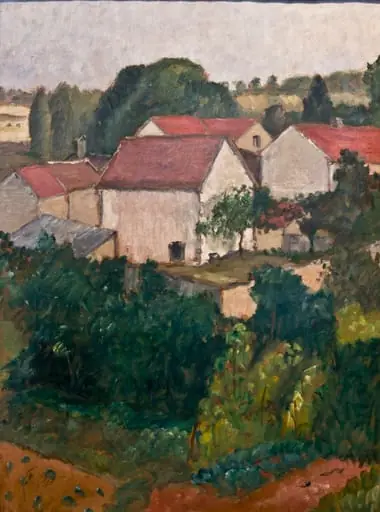
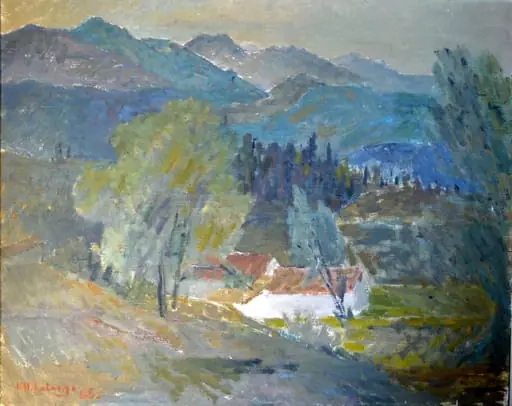
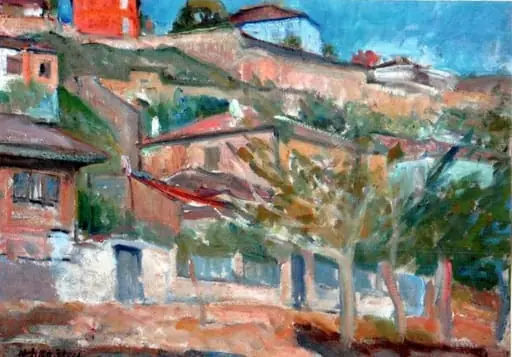
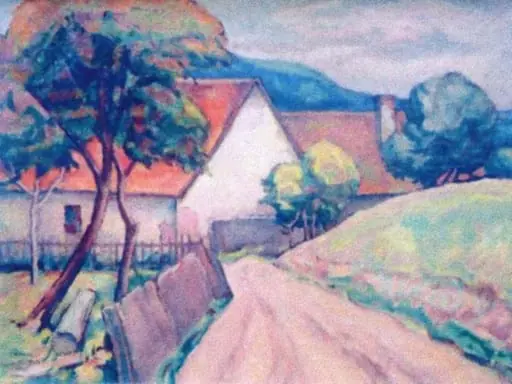
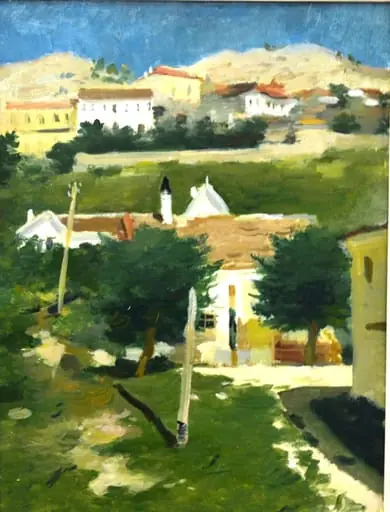
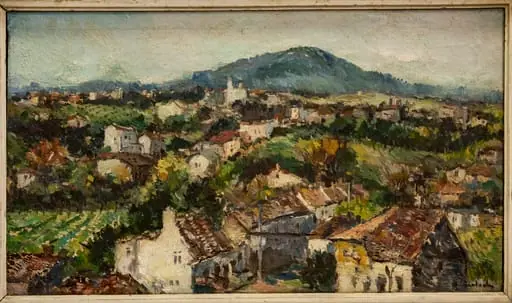
Peisaj la Silistra, painted by Iosif Iser in 1938, depicts a tranquil village scene set within a valley. The composition is held in the collection of the Museum of Ethnography, where it is displayed as an example of early twentieth‑century Romanian landscape work.
Subject & Meaning
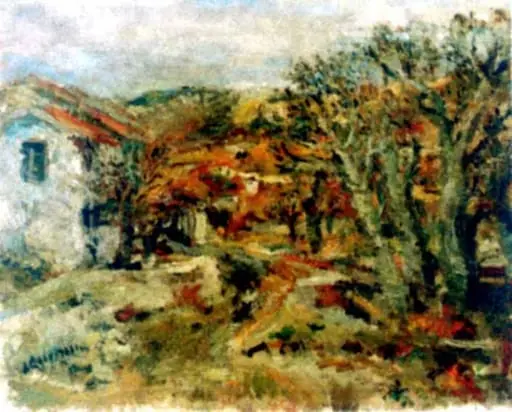
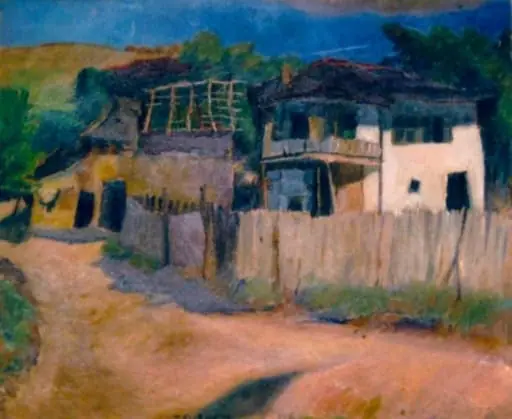
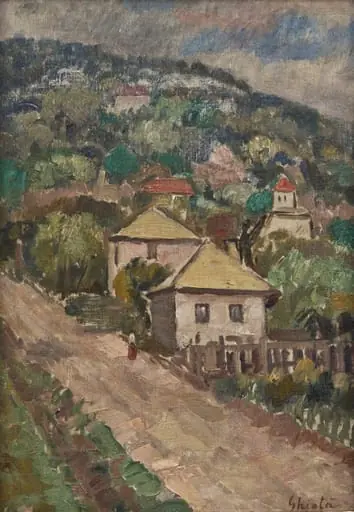
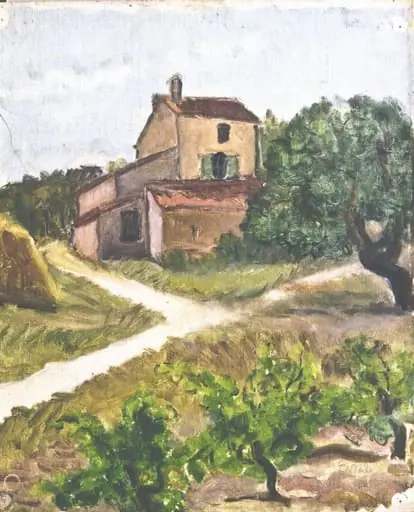
The canvas presents a modest settlement of low‑lying houses with earthen roofs, surrounded by cultivated fields and scattered trees. A pale blue sky stretches overhead, and the overall atmosphere suggests a calm, late‑afternoon moment, emphasizing the harmony between human habitation and the surrounding countryside.
Technique & Style
Iser employs loose, fluid brushstrokes that merge adjacent hues, creating a soft, naturalistic surface. The handling of light is understated yet purposeful, allowing the illumination to gently wrap the hills and structures, while the modest use of chiaroscuro adds modest depth without overt dramatization.
History & Provenance
Created in the interwar period, the work entered the Museum of Ethnography’s holdings sometime after its completion, where it remains part of the institution’s permanent collection. Its presence there reflects the museum’s broader interest in documenting regional visual culture through the eyes of native artists.
Artist & collection
Artist
Iosif Iser painted everyday life with a focus on people and places. His 1933 work *Paris. Strada Mouffetard* shows a lively street scene in Paris, while *Nud pe fotoliu* depicts a seated nude figure. His brushwork…