Artwork
Țărancă
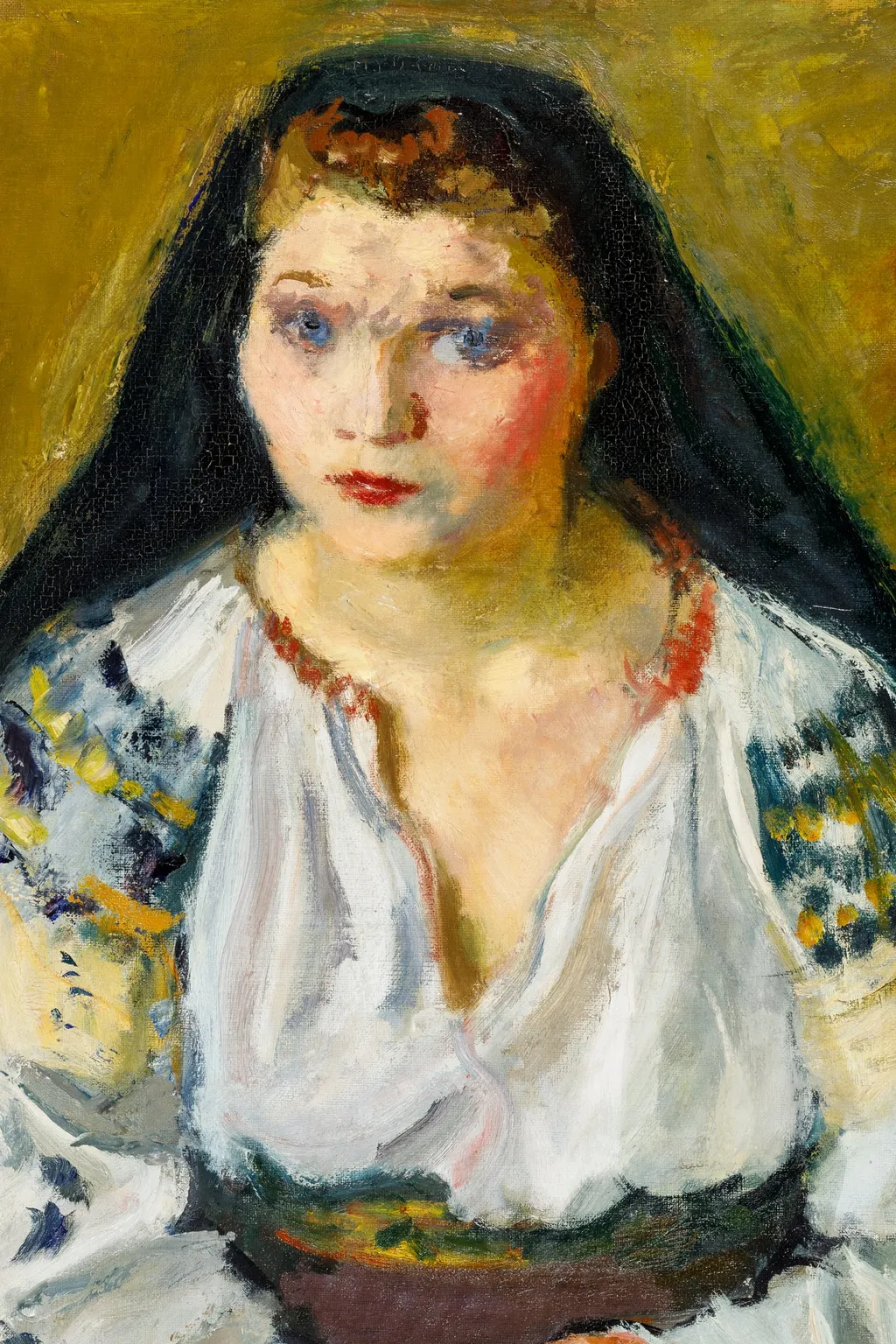
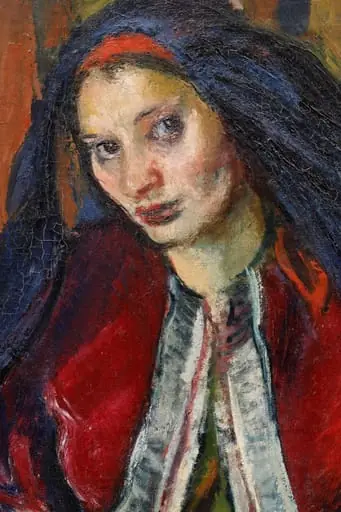
Țărancă is an unspecified painting by Iosif Iser. It dates from 1850 and is held in the collection of the National Museum of Art of Romania.
About this work
Overview
The painting is held in the Museum of Ethnography, where it functions as a record of regional identity rather than a decorative object.
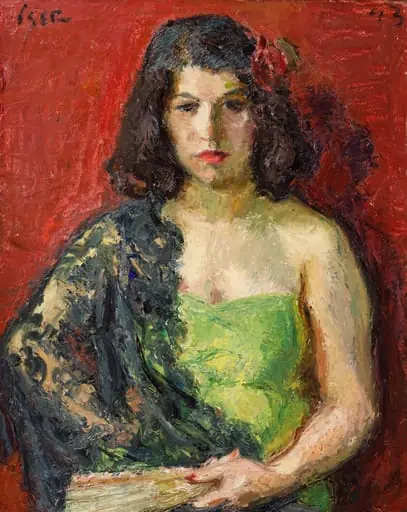
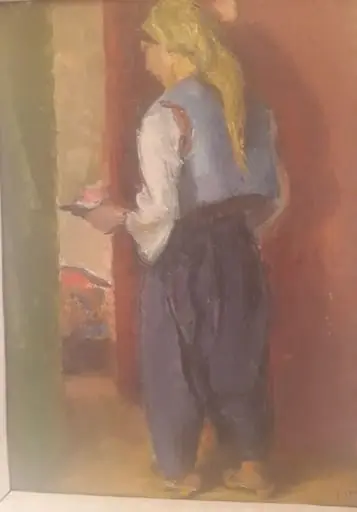
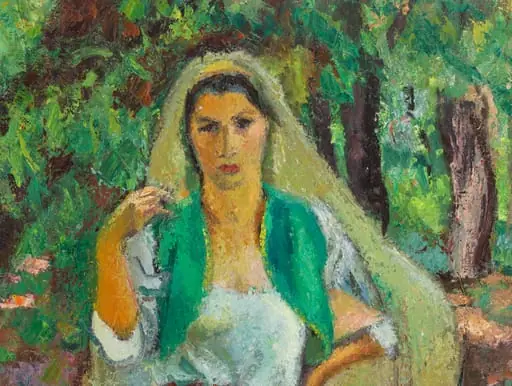
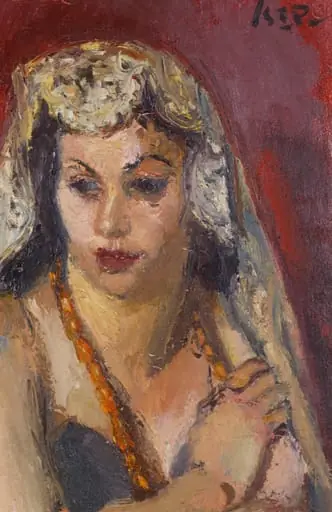
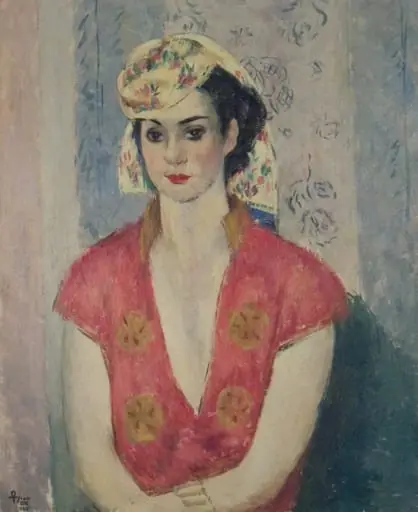
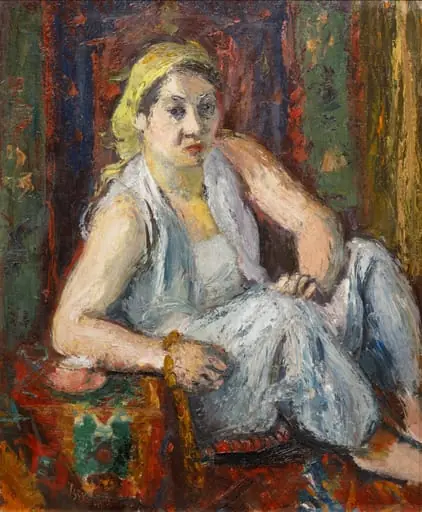
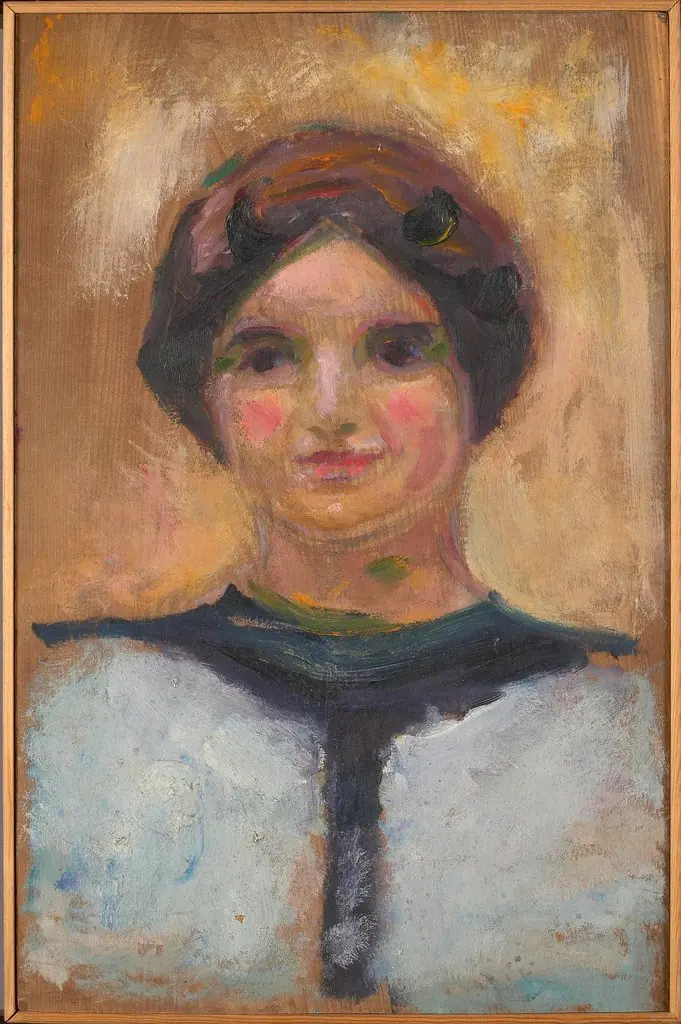
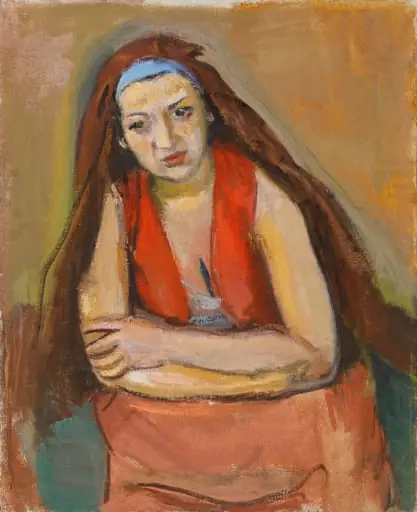
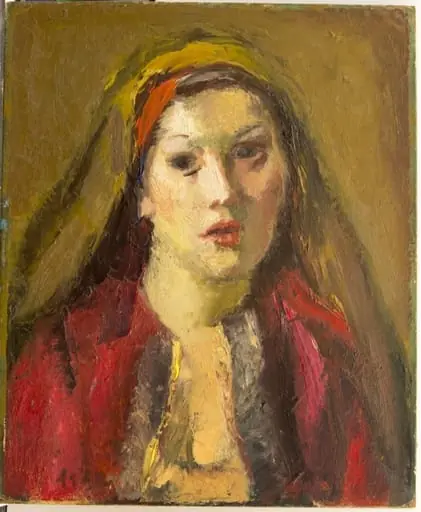
Created around 1850 by Iosif Iser, Țărancă is a portrait of a rural woman rendered in oil on canvas. The work belongs to a small group of early Romanian paintings that prioritize emotional presence over idealized form. Its intimate scale and direct gaze invite quiet contemplation, distinguishing it from formal portraiture of the period. The painting is held in the Museum of Ethnography, where it functions as a record of regional identity rather than a decorative object.
Subject & Meaning
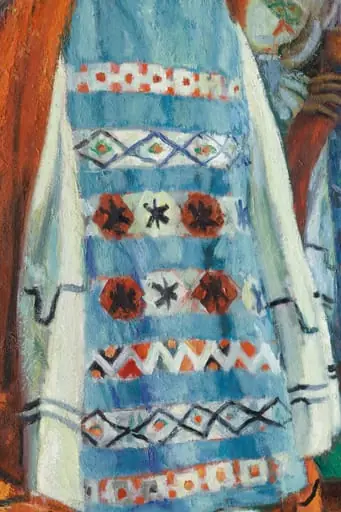
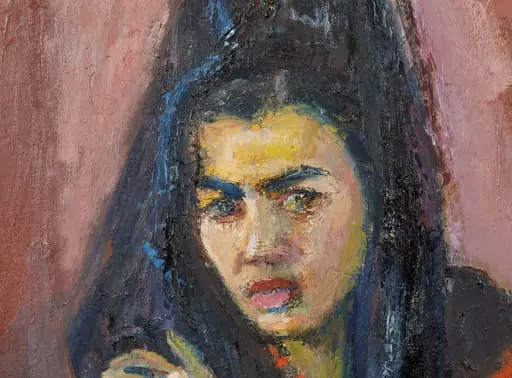
The subject is a woman dressed in traditional rural attire: a white linen blouse and a dark headscarf, typical of peasant women in 19th-century Romania. Her expression is neither idealized nor sentimental, suggesting a focus on authenticity. The inclusion of her specific garments and hairstyle anchors the image in a particular cultural context, possibly reflecting regional customs from Moldavia or Wallachia. The painting does not narrate a story but preserves a visual trace of everyday life.
Technique & Style
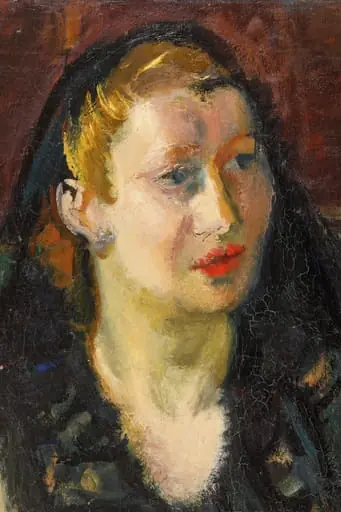
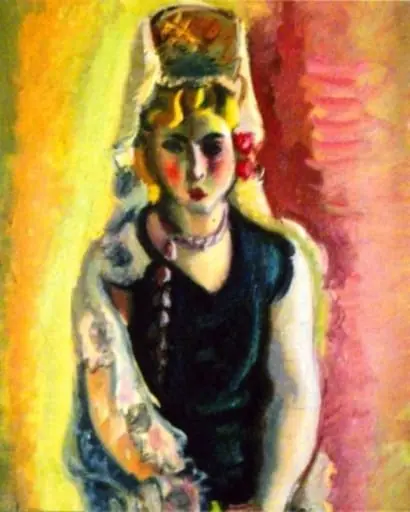
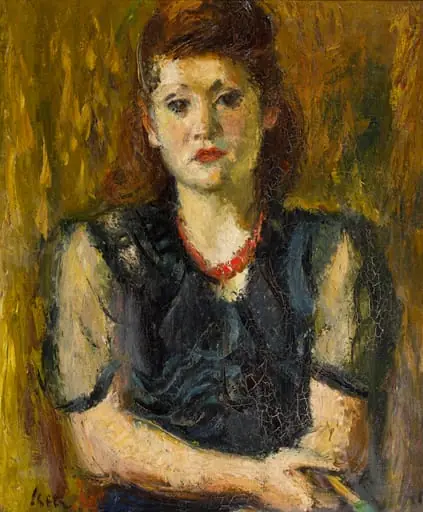
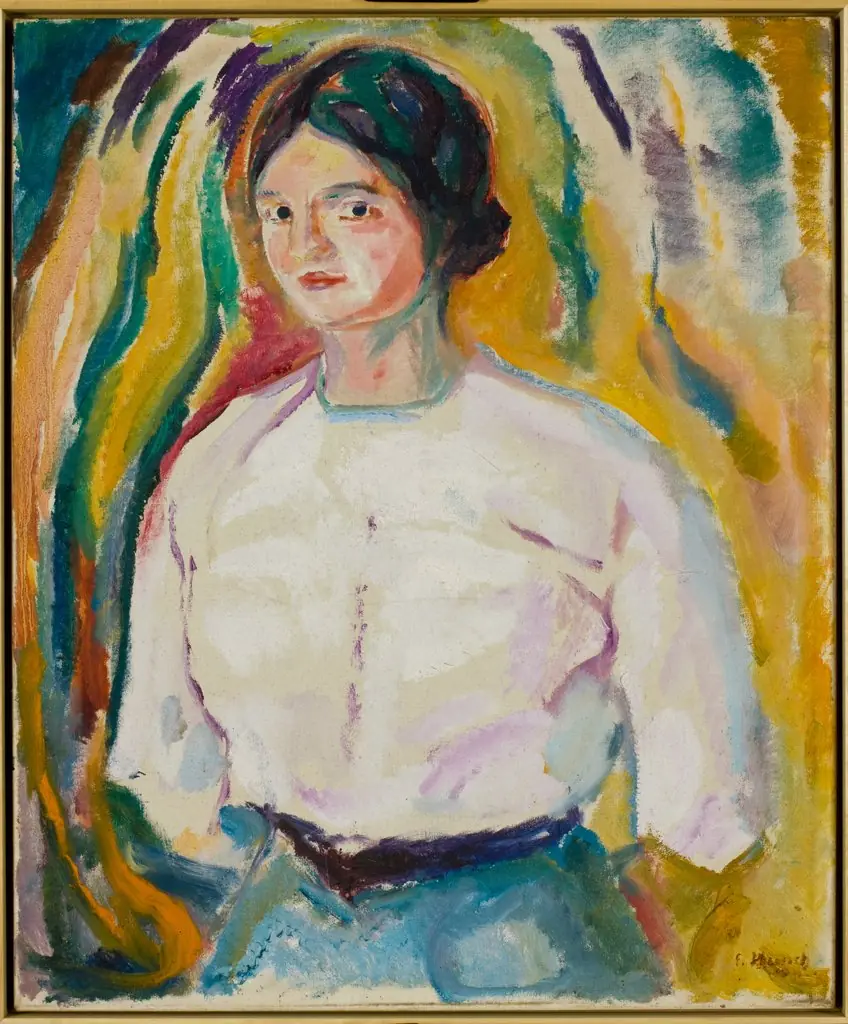
Iser employs loose, visible brushwork and a limited palette dominated by earth tones with accents of red, blue, and yellow on the face. The background is a flat, warm yellow, creating contrast without depth. Facial features are suggested rather than meticulously modeled, emphasizing character over anatomical precision. This expressive approach aligns with emerging tendencies in Eastern European art to prioritize emotional truth over academic realism.
History & Provenance
The painting’s early history is undocumented, but its acquisition by the Museum of Ethnography indicates it was collected in the late 19th or early 20th century as part of efforts to preserve folk traditions. Unlike commissioned portraits, it likely originated from personal or local patronage. Its presence in an ethnographic collection, rather than a fine arts institution, reflects contemporary interest in documenting rural life as a cultural heritage.
Context
In mid-19th century Romania, national identity was being redefined through cultural revival. Artists and scholars began documenting peasant life as a source of authentic national character. Țărancă emerges within this movement, offering a non-romanticized depiction of rural womanhood. It contrasts with contemporary academic paintings by focusing on the ordinary, not the heroic or exoticized.
Legacy
Though not widely exhibited outside ethnographic circles, Țărancă remains a significant early example of Romanian portraiture rooted in local life. It influenced later artists seeking to depict the peasantry with dignity rather than stereotype. Its preservation in a museum of ethnography underscores its role as a cultural artifact, bridging art and anthropology in the formation of national visual memory.
Own this work as a print
Artist & collection
Artist
Iosif Iser painted everyday life with a focus on people and places. His 1933 work *Paris. Strada Mouffetard* shows a lively street scene in Paris, while *Nud pe fotoliu* depicts a seated nude figure. His brushwork…