Artwork
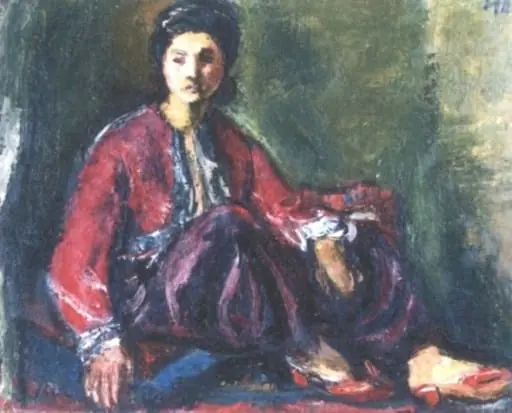
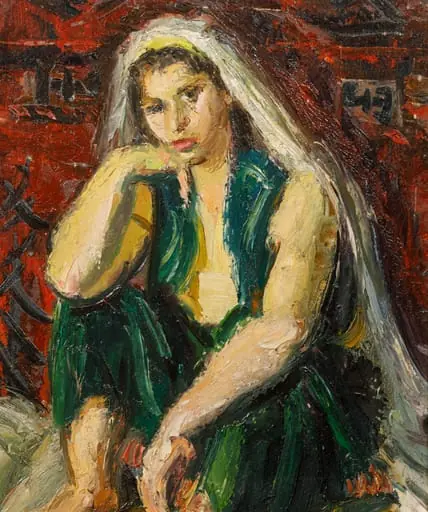
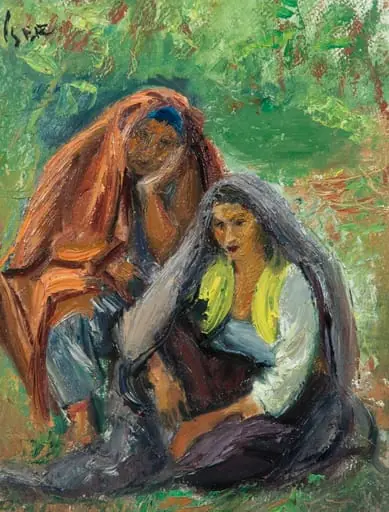
Turcoaică în plein-air - Paulina
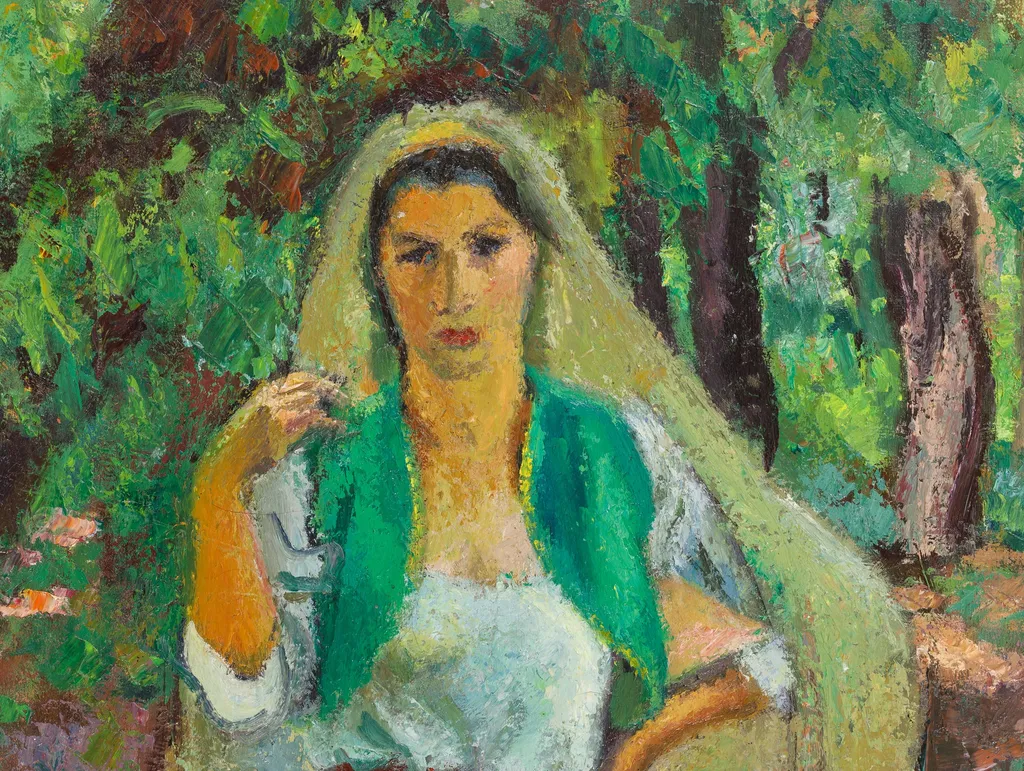
Turcoaică în plein-air - Paulina is a print by Iosif Iser. It dates from 1945 and is held in the collection of the National Museum of Art of Romania.
About this work
Overview
The work belongs to a series of intimate, observational studies Iser made during the postwar period, focusing on individuals in their natural environments.
Painted in 1945 by Iosif Iser, Turcoaică în plein-air - Paulina is a quiet portrait of a woman in an outdoor setting. The work belongs to a series of intimate, observational studies Iser made during the postwar period, focusing on individuals in their natural environments. The title suggests a connection to a regional identity, while the plein-air technique reflects a commitment to direct observation of light and atmosphere.
Subject & Meaning
The subject, identified as Paulina and possibly of Turkish descent, is depicted with stillness and dignity. Her direct gaze invites a moment of quiet connection with the viewer, while her raised hand and headscarf suggest a gesture of modesty or adjustment. The painting avoids narrative drama, instead emphasizing presence and inner calm, reflecting Iser’s interest in ordinary lives rendered with emotional restraint.
Technique & Style
Iser employed loose, impressionistic brushwork to capture the play of light through foliage and the texture of fabric. The green jacket and white headscarf contrast subtly against the dense, muted greens of the background. There is no sharp definition between figure and environment; the woman emerges from the landscape as if part of it. The palette is restrained, favoring earth tones and soft contrasts to sustain the painting’s meditative tone.
History & Provenance
Created shortly after the end of World War II, the painting emerged during a period of cultural reevaluation in Romania. Iser, known for his humanist approach, turned increasingly toward domestic and rural subjects in his later years. The work’s provenance is not widely documented, but it is held within Romanian public collections, suggesting its recognition as a representative example of postwar Romanian realism with lyrical overtones.
Context
In mid-1940s Romania, artists like Iser navigated shifting political pressures while maintaining a focus on personal and regional identity. Turcoaică în plein-air - Paulina reflects a broader trend among Romanian painters to depict everyday people with empathy, resisting ideological grandeur. The choice of a woman from a minority community, rendered without exoticism, signals a quiet commitment to inclusive representation during a time of national consolidation.
Legacy
The painting endures as a quiet testament to Iser’s ability to elevate the mundane through attentive observation. It contributes to a body of work that redefined Romanian portraiture by centering individual dignity over spectacle. Though not widely exhibited internationally, it remains a touchstone in discussions of postwar Romanian art that prioritized humanity over ideology.
Artist & collection