Artwork
Tătăroaică
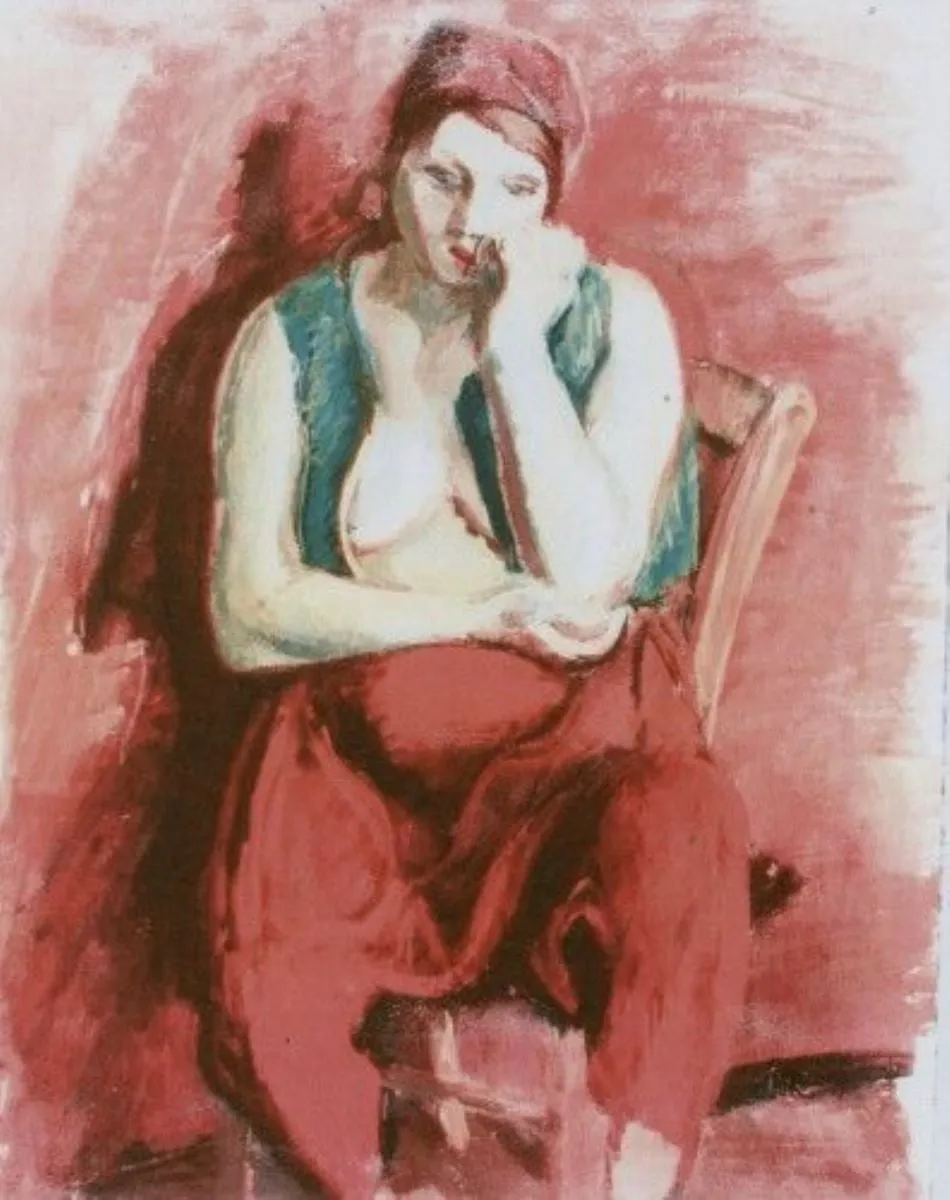
Tătăroaică is an unspecified painting by Iosif Iser. It dates from 1931 and is held in the collection of the National Museum of Art of Romania.
About this work
Overview
The title, likely referencing a Romani woman, grounds the image in a specific cultural context without overtly stating it.
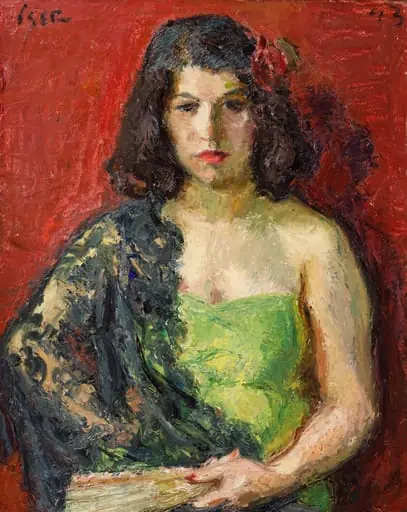
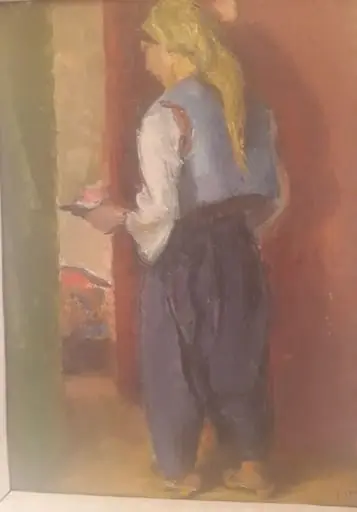
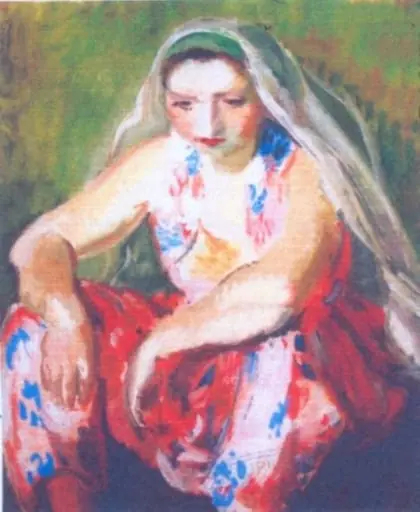
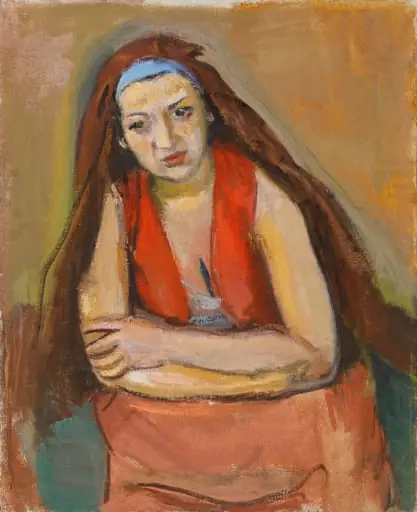
Tătăroaică, painted in 1931 by Iosif Iser, is a portrait of a woman rendered in oil on canvas. The work is part of the collection at the Museum of Ethnography in Romania. It captures a quiet, inward moment, emphasizing stillness and emotional depth rather than narrative action. The title, likely referencing a Romani woman, grounds the image in a specific cultural context without overtly stating it.
Subject & Meaning
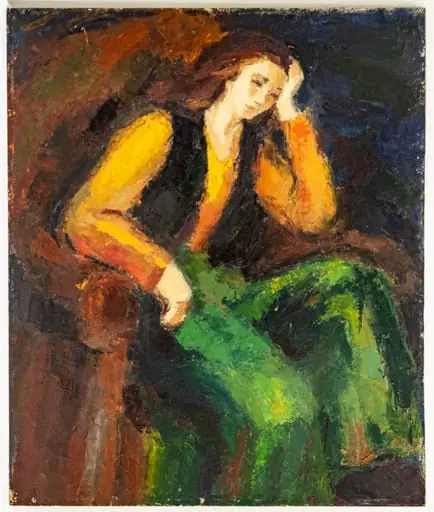
The subject is a seated woman, her posture relaxed yet tense—elbow on knee, hand cradling her head. Her gaze is lowered, suggesting introspection or fatigue. The absence of identifiable surroundings focuses attention on her presence. The title implies Romani identity, and the painting may reflect Iser’s interest in marginalized communities, portraying dignity through quietude rather than stereotype.
Technique & Style
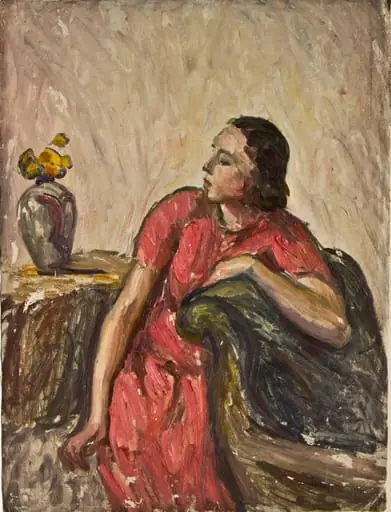
Iser employs chiaroscuro to model the figure with subtle gradations of light and shadow, lending volume and emotional weight. The palette is restrained: reds and whites dominate the background, contrasting with the woman’s blue vest and red dress. Brushwork is controlled, avoiding flourish; forms are softened, enhancing the sense of solitude. Composition centers the figure, isolating her within a shallow, ambiguous space.
History & Provenance
Created in 1931, the painting entered the collection of the Museum of Ethnography in Bucharest, where it remains today. Iser, known for his interest in Romanian folk life and urban realism, often depicted working-class and ethnic subjects during this period. Tătăroaică aligns with his broader project of documenting everyday life with psychological nuance, though its specific commission or exhibition history is not widely documented.
Context
In early 20th-century Romania, artists like Iser turned toward social realism, moving away from academic idealism. Tătăroaică reflects this shift, portraying a Romani woman not as exoticized figure but as an individual in repose. The era saw increased ethnographic interest in minority groups, and Iser’s work contributes to a visual record that prioritizes quiet humanity over spectacle.
Legacy
Tătăroaică endures as a quiet example of Romanian interwar portraiture that values emotional resonance over dramatic gesture. While not widely reproduced, it is recognized within Romanian art history for its restrained technique and empathetic gaze. The painting contributes to a broader understanding of how artists of the time engaged with identity, class, and ethnicity through understated visual language.
Artist & collection
Artist
Iosif Iser painted everyday life with a focus on people and places. His 1933 work *Paris. Strada Mouffetard* shows a lively street scene in Paris, while *Nud pe fotoliu* depicts a seated nude figure. His brushwork…