Artwork
Mihai Racoviță
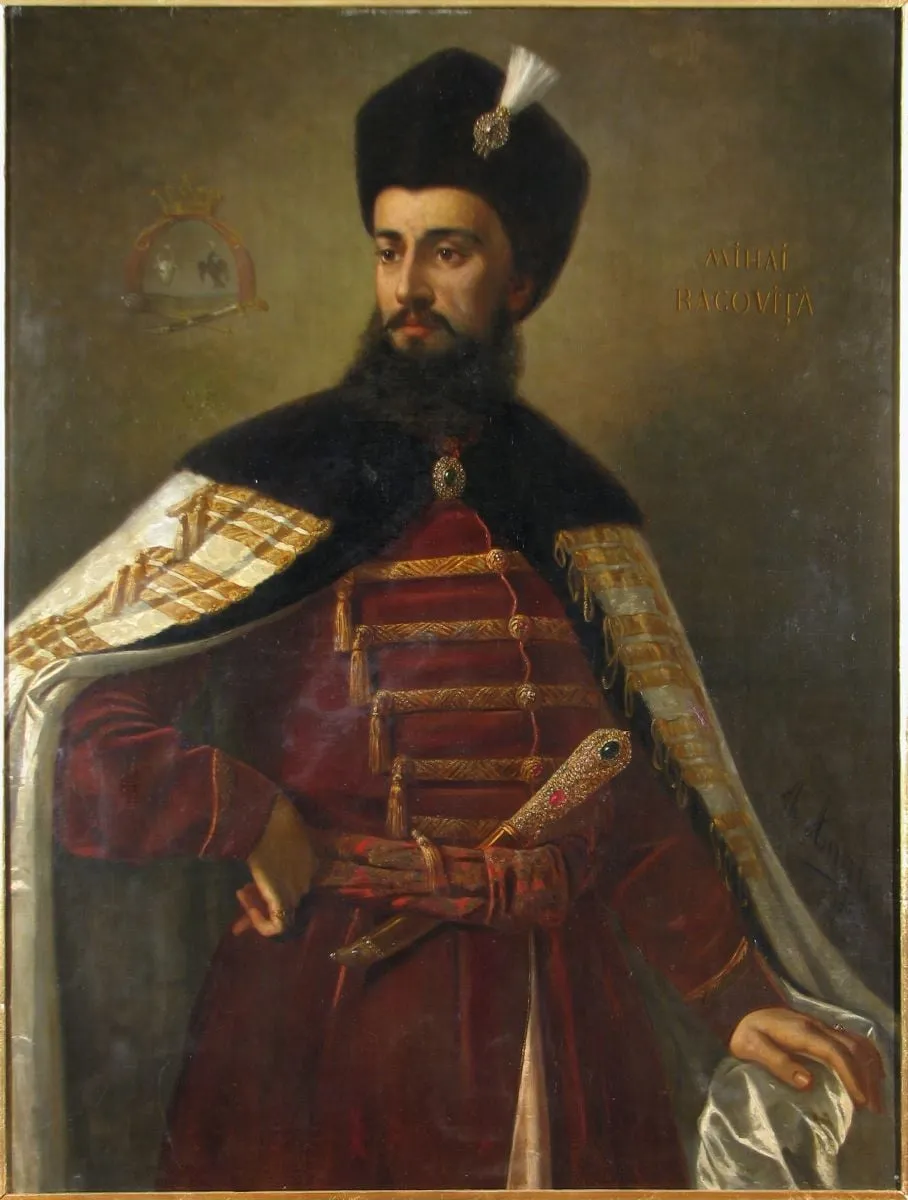
Mihai Racoviță is an unspecified painting by the Academic Art artist Theodor Aman. It is held in the collection of the Brukenthal National Museum.
About this work
Overview
The painting’s smooth brushwork and subtle lighting reflect a tradition of European portraiture adapted to local aristocratic tastes in the early 18th century.
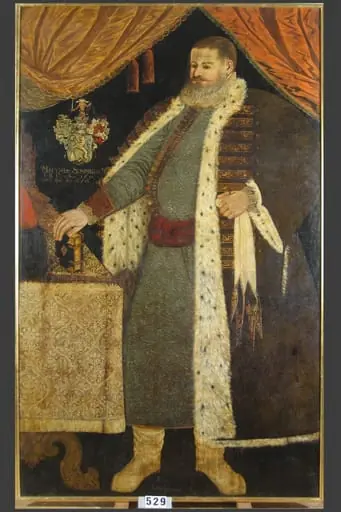
This portrait depicts Mihai Racoviță, a Wallachian nobleman, rendered in a formal, half-length composition against a dark, unadorned background. His attire and accessories signal high status, while the restrained setting focuses attention on his presence. The painting’s smooth brushwork and subtle lighting reflect a tradition of European portraiture adapted to local aristocratic tastes in the early 18th century.
Subject & Meaning
Mihai Racoviță is portrayed as a man of authority, his rich red robes and fur-lined cloak indicating wealth and rank. The curved sword and gold chain suggest military or political power, while the white sash may denote an honorific order. The inclusion of his name in gold script reinforces identity and legacy, aligning the image with dynastic or official portraiture meant to assert status within a hierarchical society.
Technique & Style
The painting employs soft chiaroscuro to model the face and fabric, creating depth without dramatic contrast. Surface detail is rendered with precision—jewels on the sword hilt, the texture of fur, and the sheen of silk are carefully observed. The background remains muted and indistinct, isolating the figure and emphasizing his form. The faded emblem hints at a once-prominent heraldic symbol, now partially lost to time.
History & Provenance
The portrait likely originated in the early 1700s during Racoviță’s tenure as a ruling prince of Wallachia. Its preservation suggests it was kept within family or institutional collections, possibly in Bucharest or Iași. The faded shield implies the original context—perhaps a palace or chapel—has been lost, leaving only the figure and inscription as enduring markers of his identity.
Context
This portrait reflects the cultural blending of Ottoman-influenced Balkan elites and Western European artistic conventions. While the pose and attire echo Venetian or Habsburg portraiture, the emphasis on personal insignia and local titles reveals distinct regional identity. Such images served both as personal memorials and political statements in a region navigating shifting imperial alliances.
Legacy
The portrait stands as a quiet testament to the visual language of Wallachian nobility during a period of transition. Though not widely known outside regional art history, it preserves the aesthetics and symbolism of a ruling class that sought legitimacy through refined imagery. Its restrained elegance continues to offer insight into how power was visually constructed in the Danubian principalities.
Artist & collection
Artist

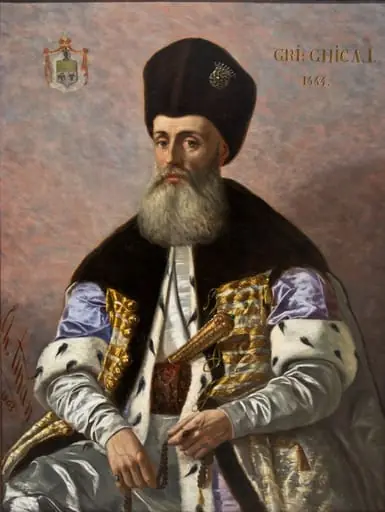 Grigore Ghica I
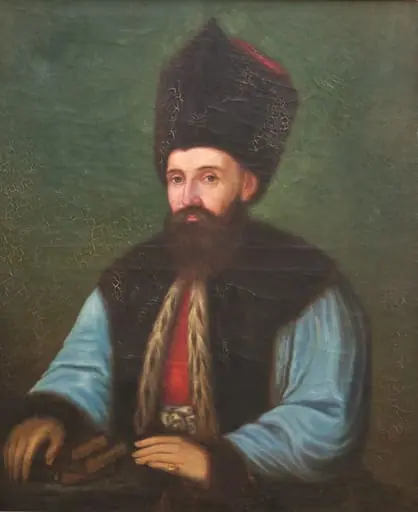 Portretul lui Grigore Brâncoveanu
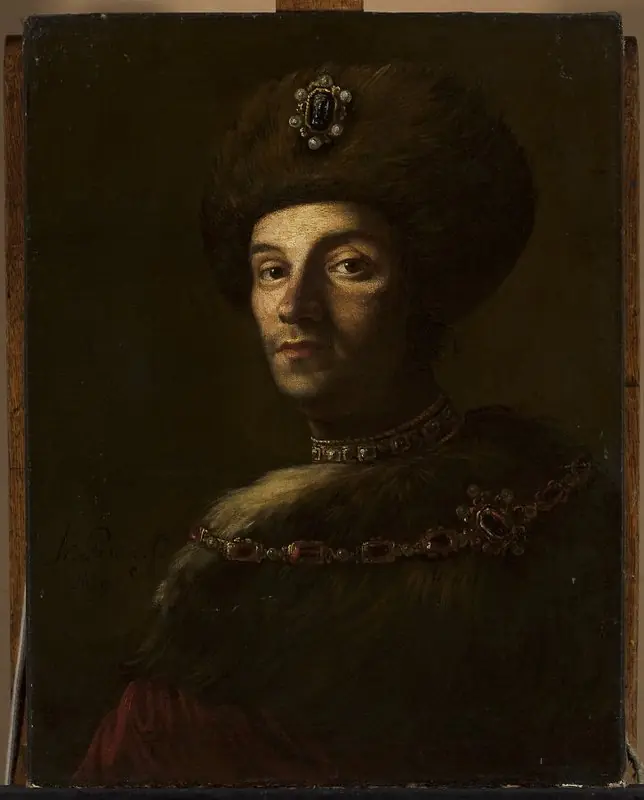 Portrait of a man in a turban
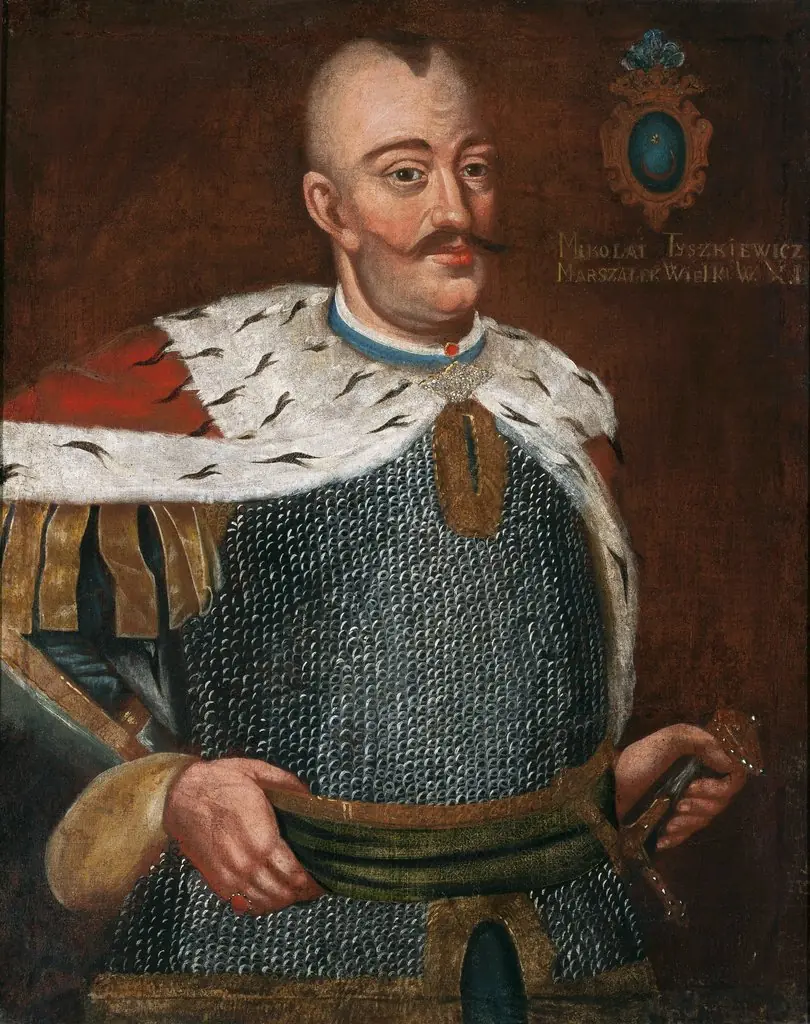 Portrait of Mikołaj Tyszkiewicz, Leliwa coat of arms, marshal of the Grand Duchy of Lithuania
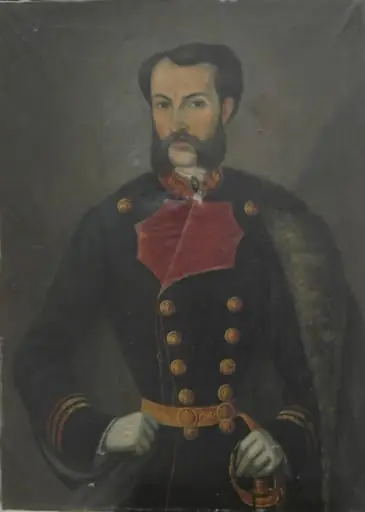 Radu Fărcășanu
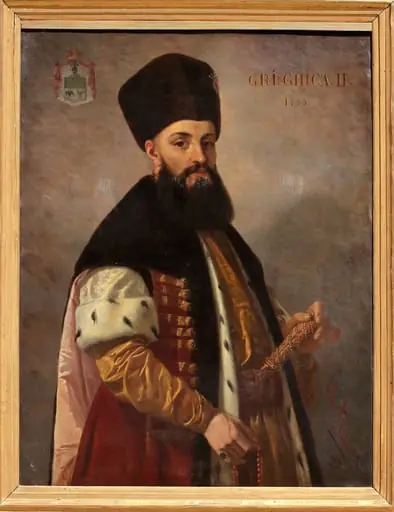 Portret Grigore Ghica II
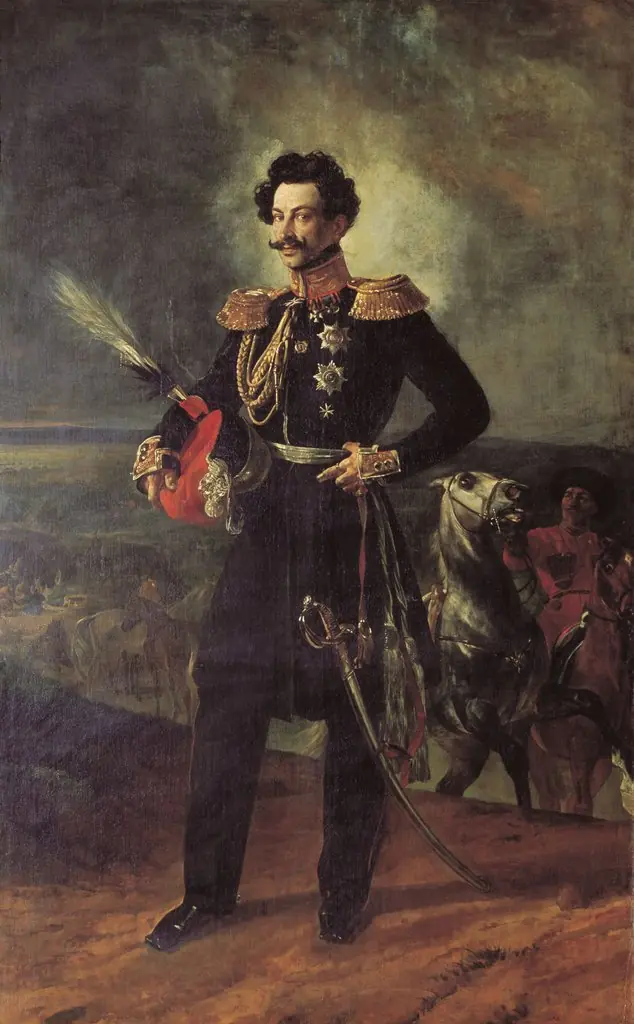 Portrait of General-Adjutant Count Vasily Alekseevich Perovsky
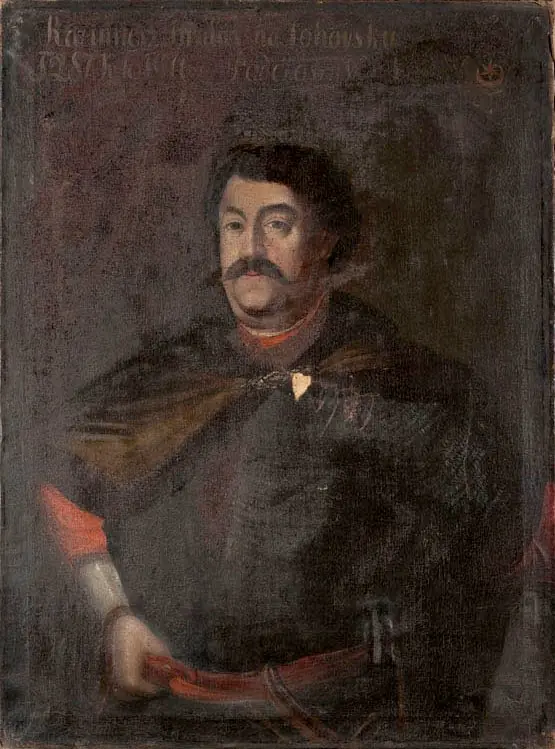 Portrait of Kazimierz Tyszkiewicz, Leliwa coat of arms (?–1652), cup-bearer of the Grand Duchy of Lithuania
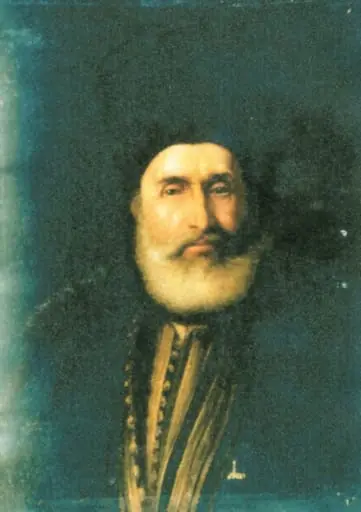 Marele Ban Năsturel Herescu
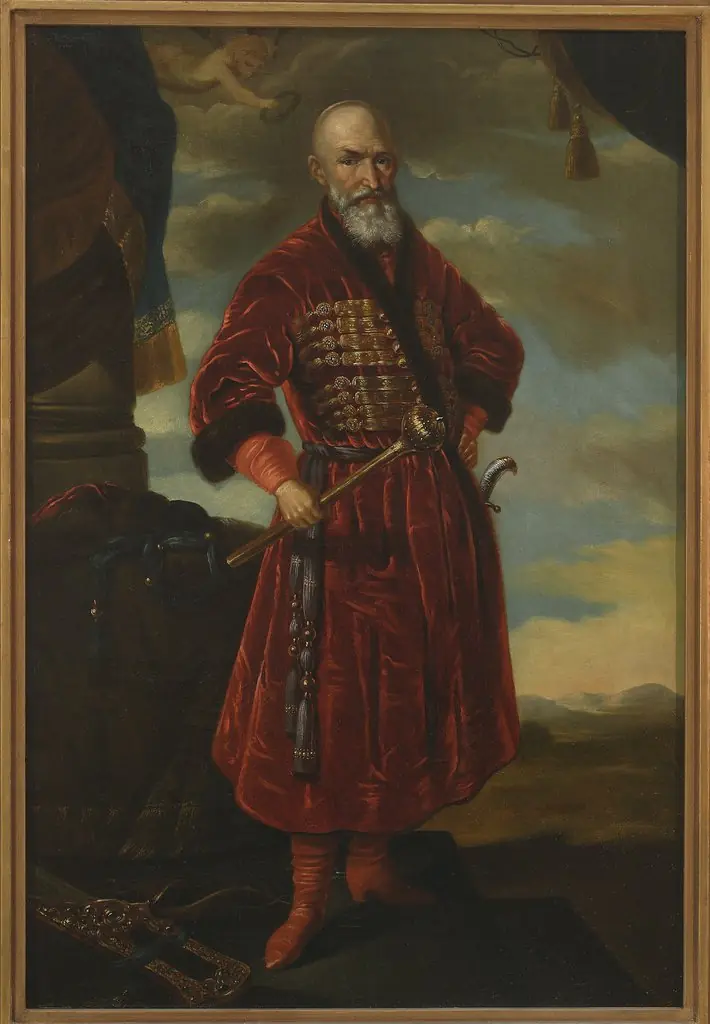 Portrait of Stefan Czarniecki (1599–1665)
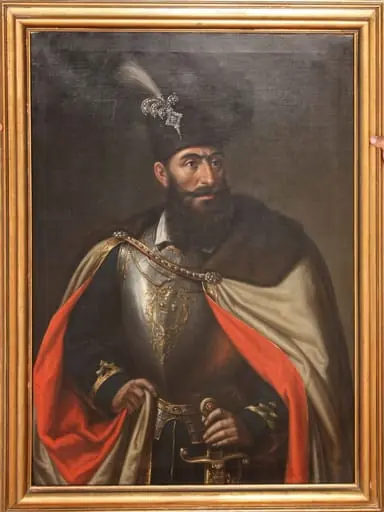 Mihai Viteazul
 Matthias Semriger, comite al sașilor