Artwork
Radu Fărcășanu
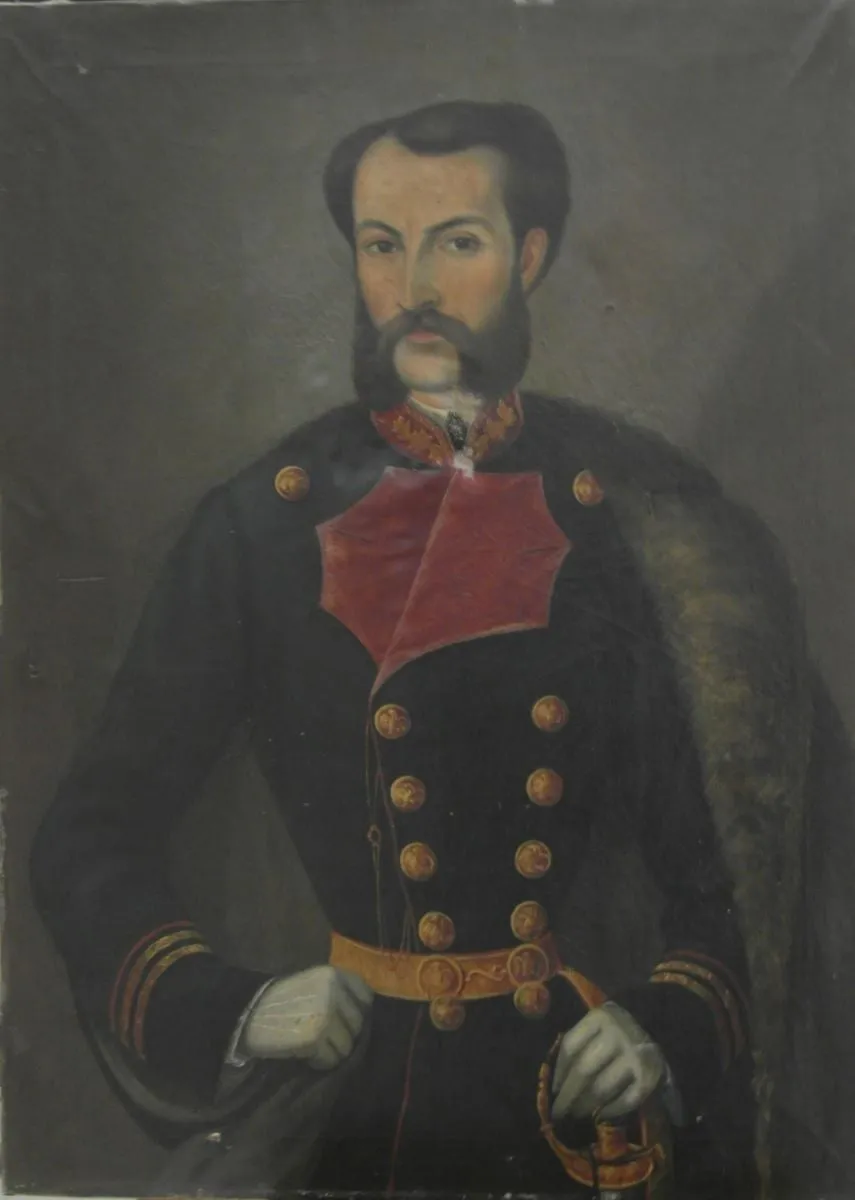
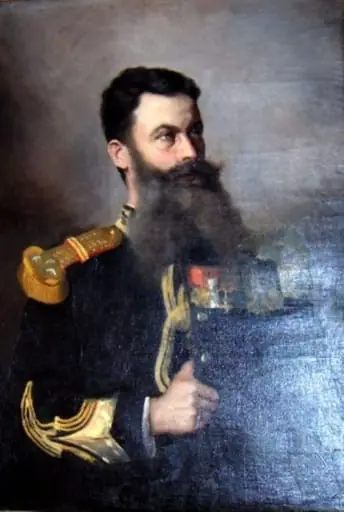
Radu Fărcășanu is an unspecified painting by Unknown. It dates from 1850 and is held in the collection of the National Museum of Romanian History.
About this work
Overview
The composition prioritizes the subject’s presence, using controlled lighting to define form and texture without overt theatricality.
This portrait presents Radu Fărcășanu in full military attire, rendered with precise attention to costume and posture. The figure stands rigidly, hands resting on a sword hilt, against a neutral gray backdrop that eliminates distraction. The composition prioritizes the subject’s presence, using controlled lighting to define form and texture without overt theatricality. The style suggests a deliberate, formal approach typical of official portraiture in early 20th-century Eastern Europe.
Subject & Meaning
The subject, Radu Fărcășanu, is depicted as a military officer, his uniform and weapon signaling authority and duty. His direct gaze and composed expression convey solemnity rather than aggression, suggesting a figure defined by discipline and restraint. The absence of symbolic elements or landscape implies an emphasis on personal bearing over narrative context, aligning with traditions of military portraiture that valorize character over achievement.
Technique & Style
The painting employs subtle tonal contrasts to model the figure’s form, particularly in the folds of the uniform and the sheen of metal accents. Light falls evenly across the face and chest, enhancing three-dimensionality without dramatic shadows. Brushwork is restrained, favoring smooth transitions over visible strokes. The muted background and focused illumination reflect a classical approach to portraiture, prioritizing clarity and dignity over expressive flair.
History & Provenance
The painting’s origins are tied to Radu Fărcășanu’s role in Romanian military and political circles during the interwar period. Likely commissioned as an official portrait, it may have been displayed in institutional or private settings associated with his service. Its survival suggests continued recognition of his status, though specific ownership history prior to modern documentation remains unrecorded in public sources.
Context
Created during a period when Eastern European nations were consolidating national identities through visual culture, such portraits served to reinforce ideals of order and leadership. Military figures like Fărcășanu were often depicted in formal attire to project stability amid political change. The restrained aesthetic reflects broader trends in official portraiture that favored understated gravitas over romanticized heroism.
Legacy
The portrait remains a documented representation of a lesser-known historical figure, preserving his appearance and perceived demeanor for posterity. While not widely exhibited or studied, it contributes to the visual record of Romanian interwar elites. Its preservation underscores the role of portraiture in sustaining institutional memory, even for individuals whose public prominence has since faded.
Artist & collection

 Domestic Scene
 Giacomo and Cardinal Marco, investing Andrea, Abbot of San Zeno, with his Benefice
 The Nymph of Fontainebleau
 Portrait of a Woman
 Madonna and Child with Saints in the Enclosed Garden
 Venus and Minerva
 Family Group of Four on Sofa
 Wall painting from Room H of the Villa of P. Fannius Synistor at Boscoreale
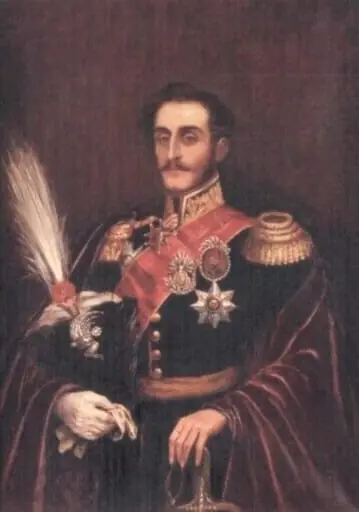 Domnitorul Mihail Sturdza
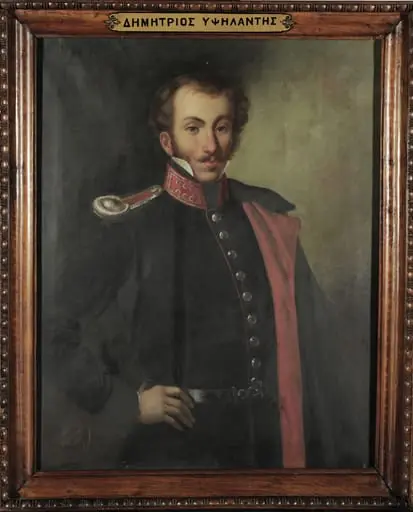 Προσωπογραφία του Δημητρίου Υψηλάντη
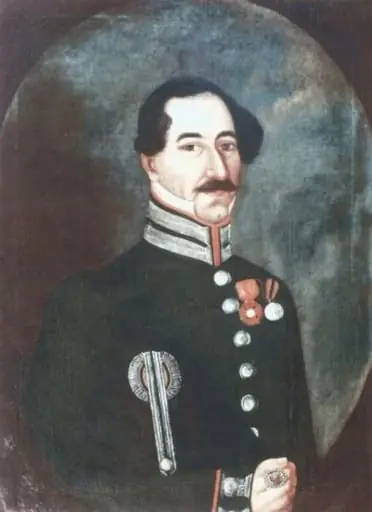 Generalul Negulici
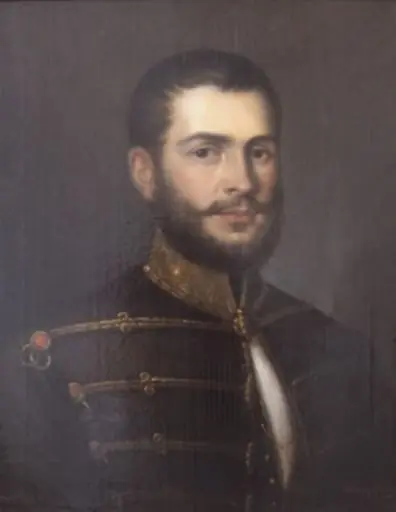 Colonelul Asztalos Sandor
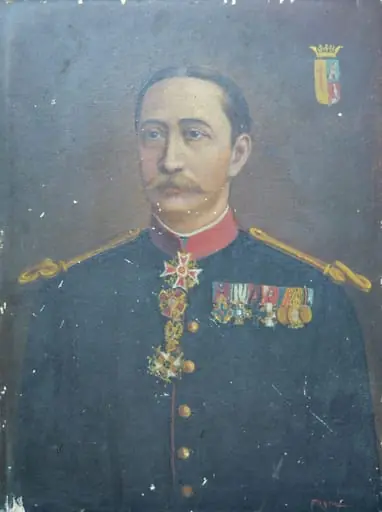 Portret de ofițer (Colonel C. Budișteanu)
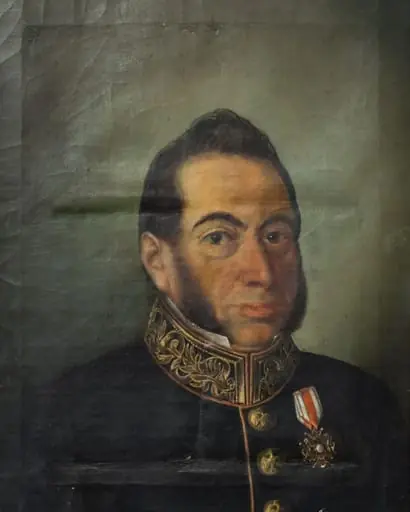 Portret (de) militar
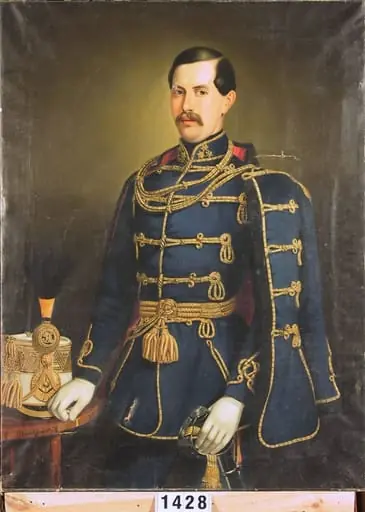 Căpitanul Carl Ehrenreich Hartmayer, auditor al Regimentului chezaro-crăiesc de husari nr. 2 (în registrul inventar: C. E. Hartmayer)
 Portrait of Nikolai Monsey
 Avram Iancu
 Hidvegi Gr. Miko Imre
 Ofițer de cavalerie
 Moise Groza