Artwork
Portret de bărbat
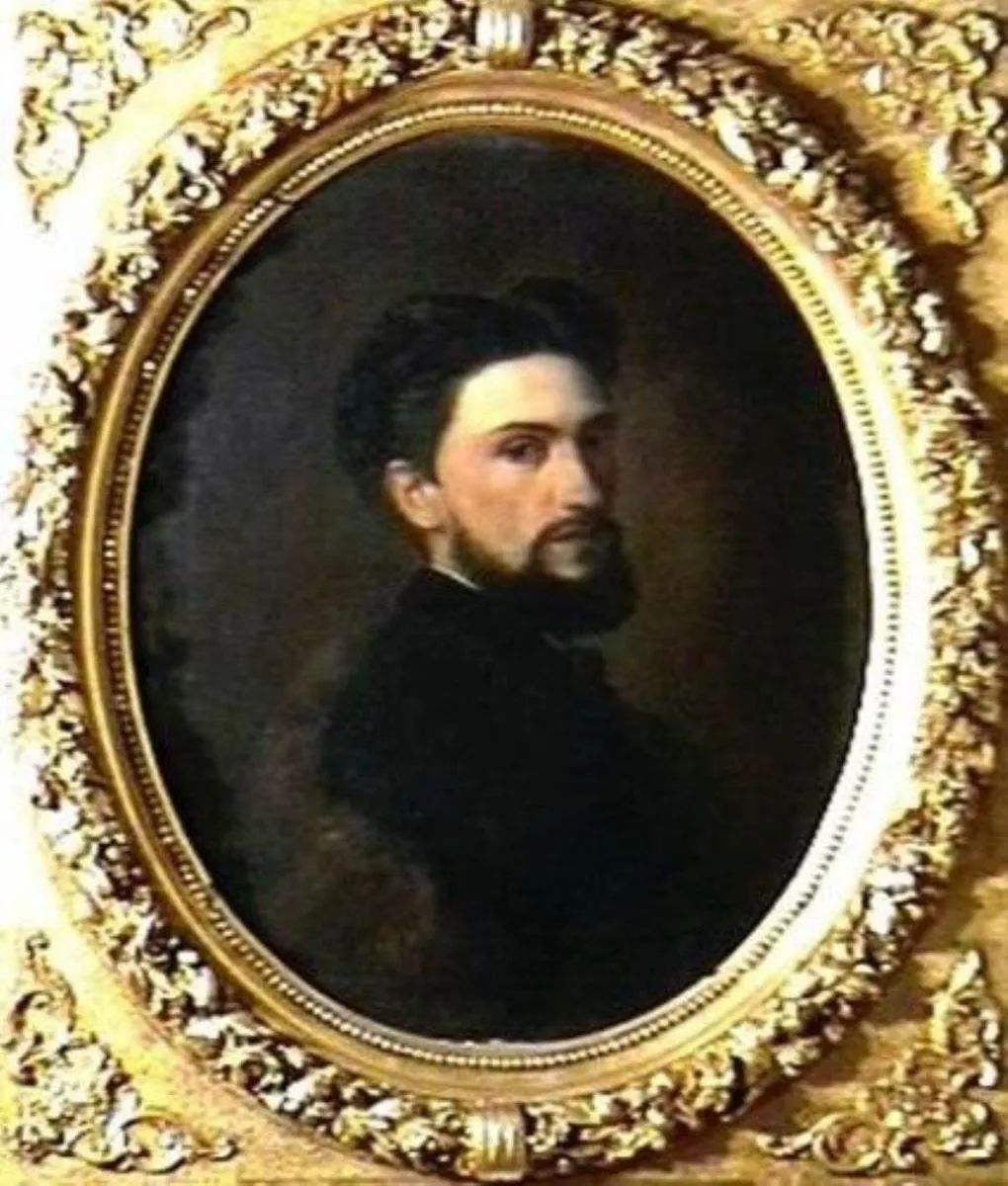
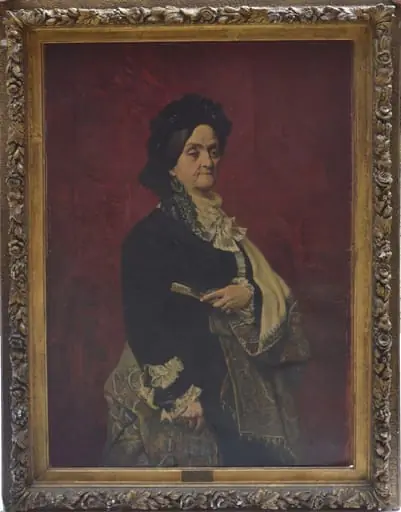
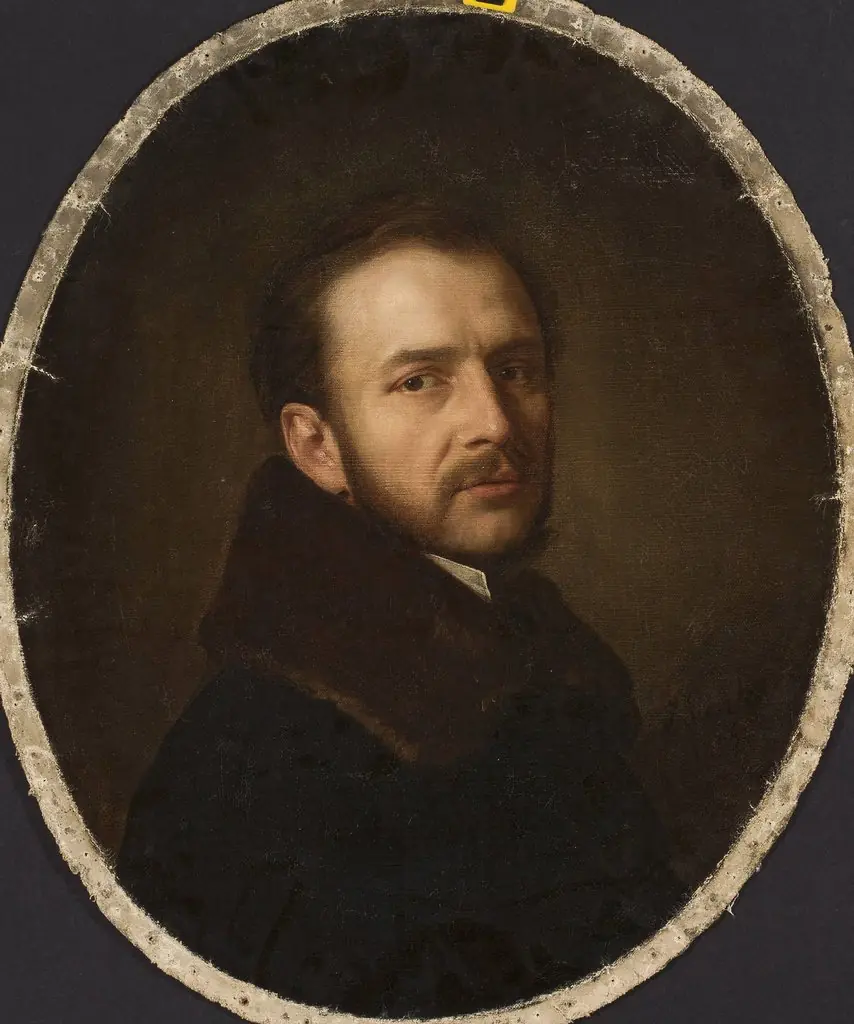
Portret de bărbat is an unspecified painting by the Impressionist artist Theodor Aman. It dates from 1872 and is held in the collection of the Moldova National Museum Complex.
About this work
Overview
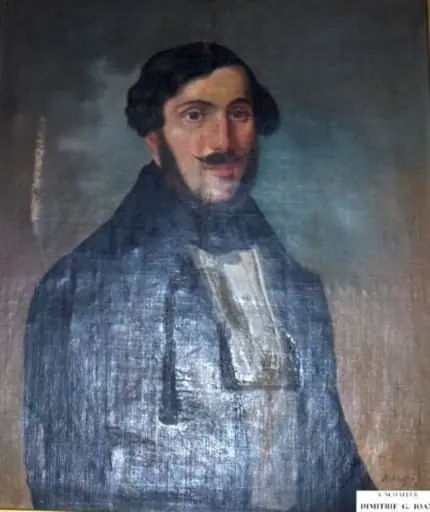
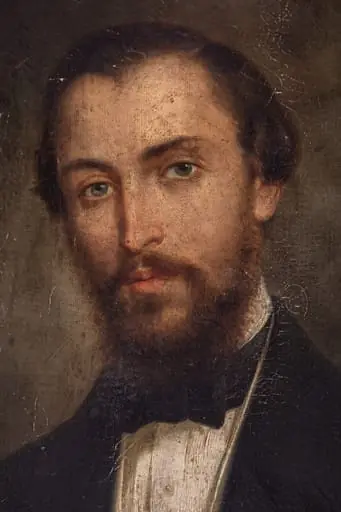
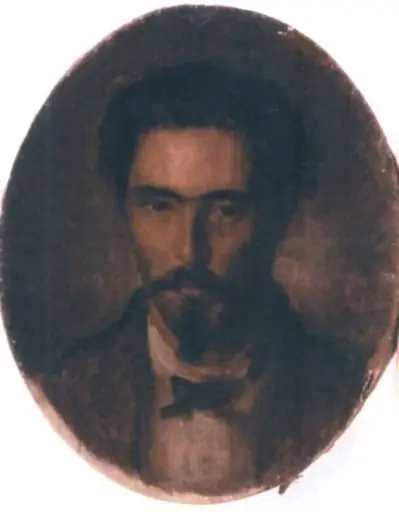
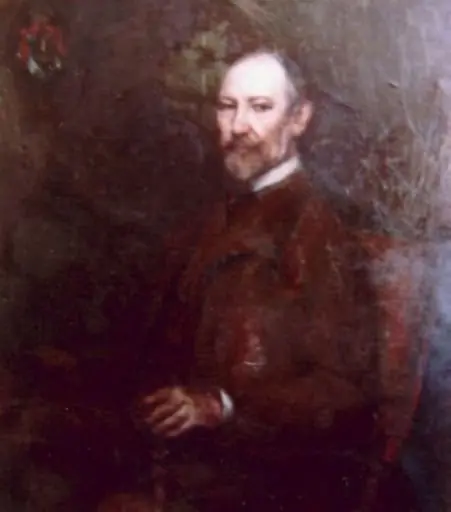
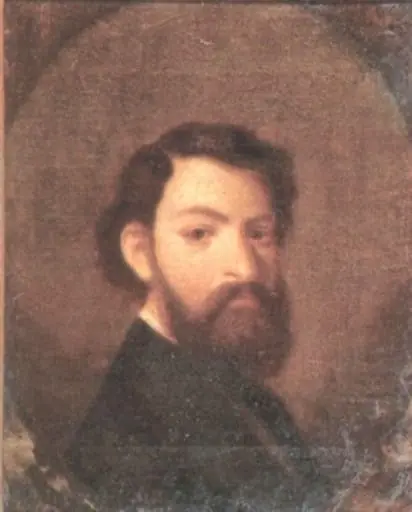
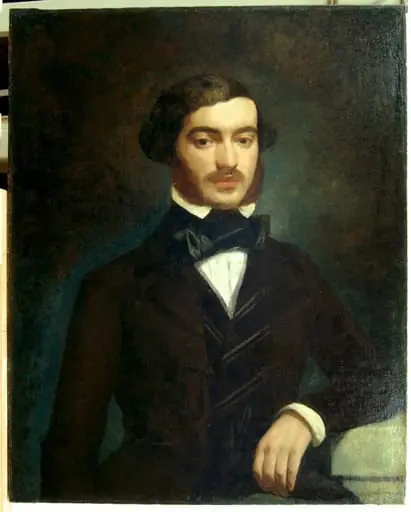
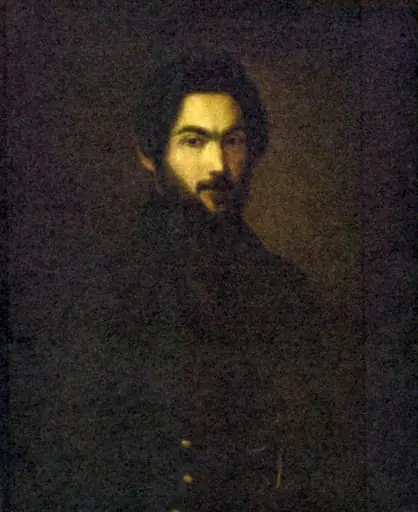
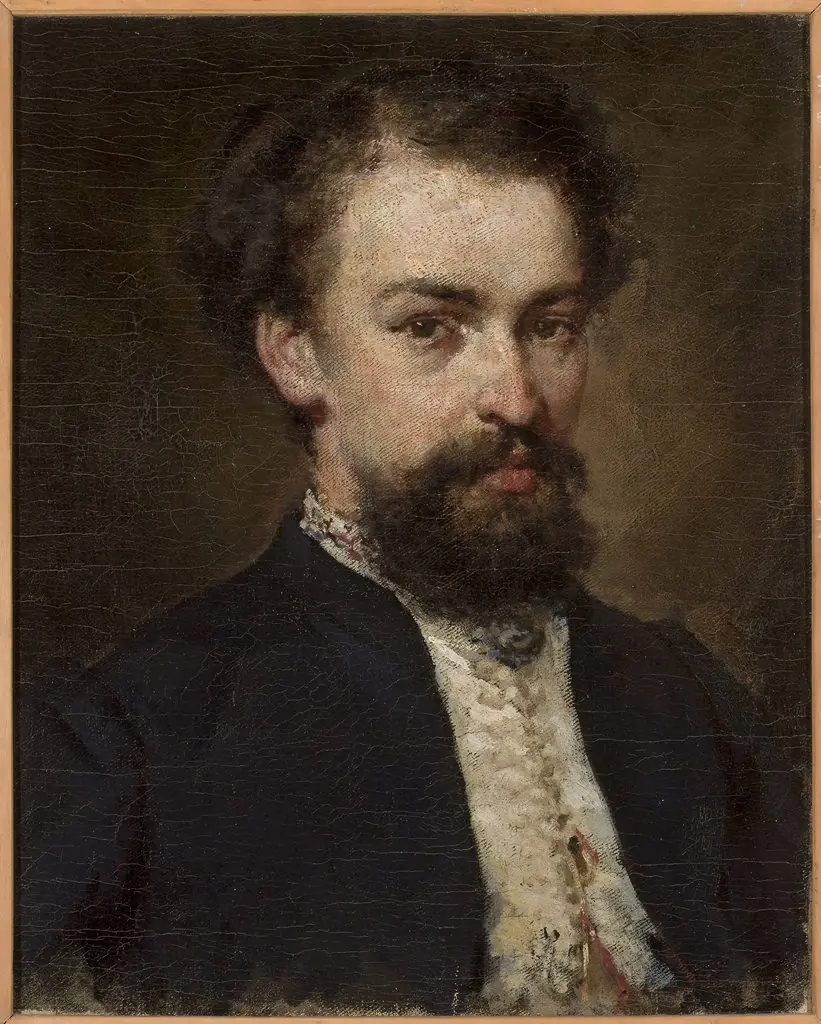
Painted in 1872 by Theodor Aman, this portrait depicts a man rendered in a dark, oval format. The composition emphasizes depth through strong contrasts between light and shadow, focusing attention on the subject’s face and upper torso. The elaborate gold frame, with its carved motifs and scalloped border, complements the painting’s somber tone and formal presence.
Subject & Meaning
The identity of the sitter remains unconfirmed, but his demeanor suggests introspection or authority. His face, partially obscured by shadow, conveys quiet intensity rather than overt emotion. The absence of contextual details isolates him as a figure of contemplation, inviting focus on his expression and presence rather than social status or narrative.
Technique & Style
Aman employs chiaroscuro to sculpt the figure with subtle gradations of light and dark. The illumination falls sparingly across the beard and collar, leaving much of the face in deep tone. This technique enhances volume and mood, aligning the work with 19th-century academic traditions that valued dramatic modeling over bright color or detail.
History & Provenance
Created during Aman’s mature period, the portrait reflects his engagement with European portraiture norms while retaining a distinctly Romanian sensibility. It entered public collections in Romania after his death, likely through institutional acquisition or bequest, and has since been exhibited as part of national art heritage.
Context
In the 1870s, Romanian artists like Aman were navigating between Western academic styles and emerging national identity. Portraits such as this one served as both personal studies and cultural statements—emphasizing dignity and inner life over ornamentation, reflecting broader intellectual currents in post-independence Romania.
Legacy
The portrait endures as an example of Aman’s skill in psychological portraiture and his command of tonal harmony. While not widely reproduced, it remains a key reference in Romanian art history for its restrained elegance and technical discipline, influencing later generations of local painters seeking depth over spectacle.
Artist & collection
Artist