Artwork
Portrait of Włodzimierz de Rosenwerth Rużycki
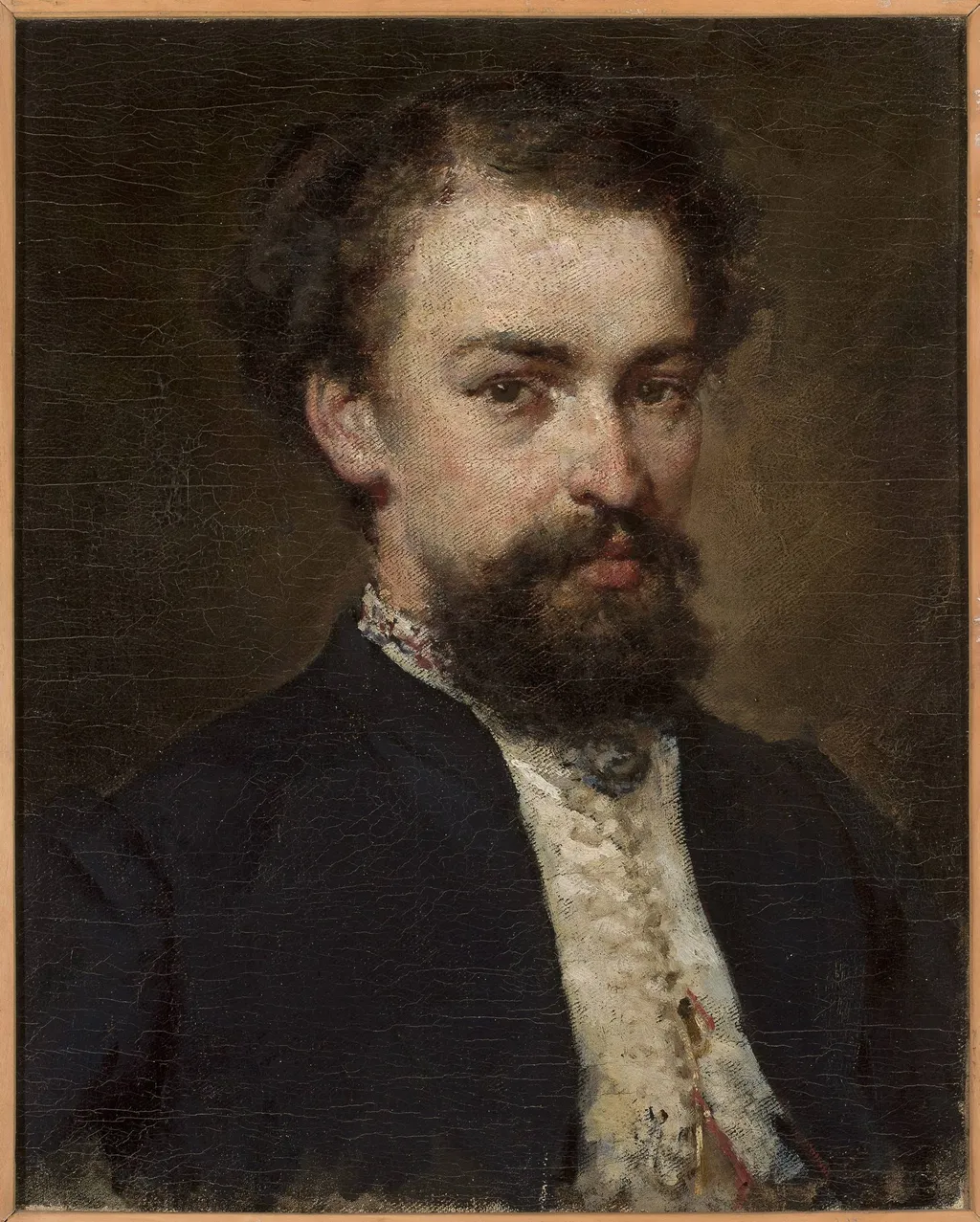
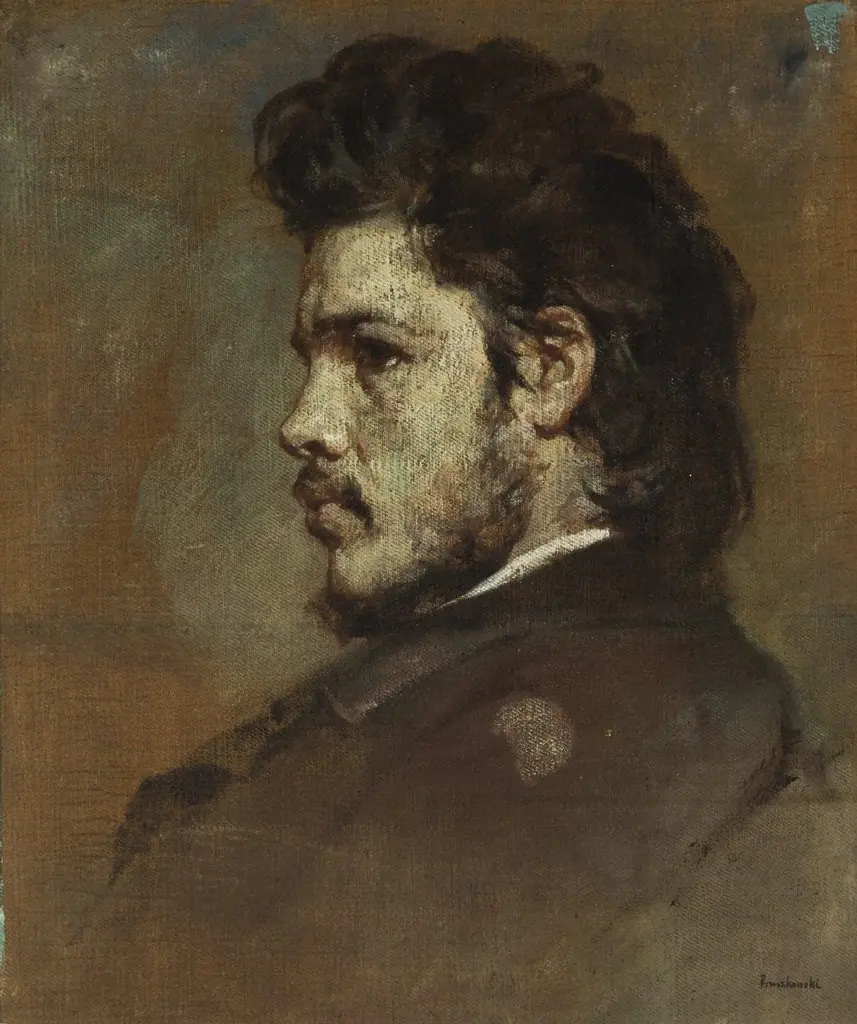
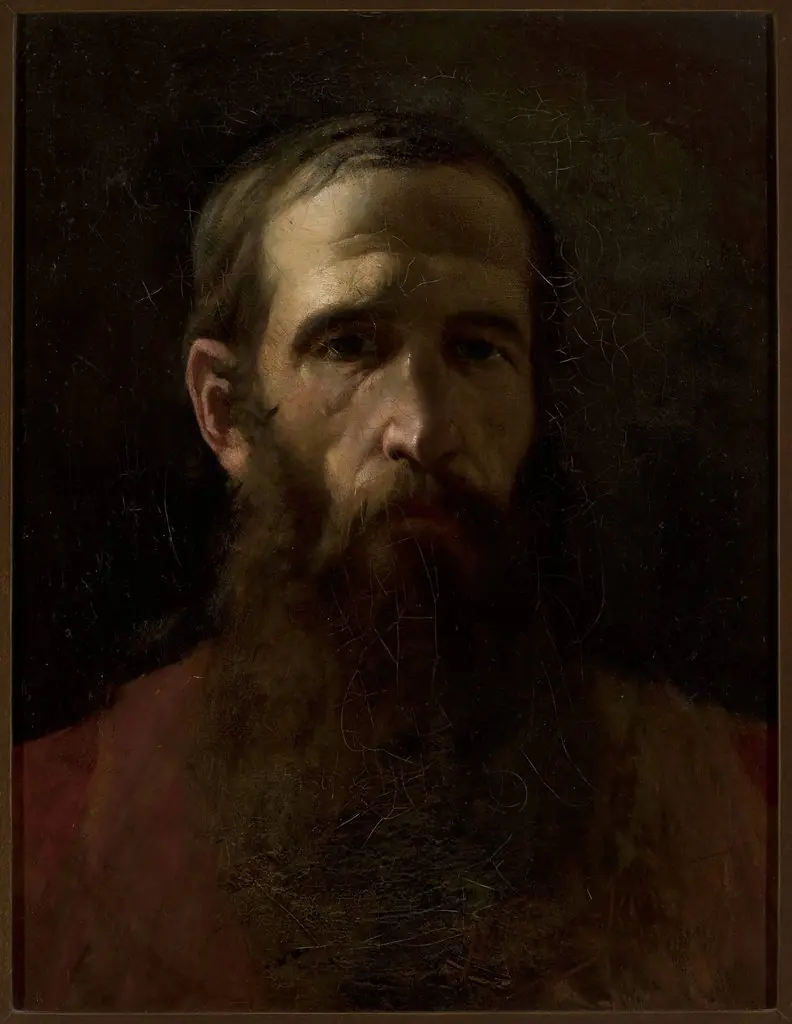
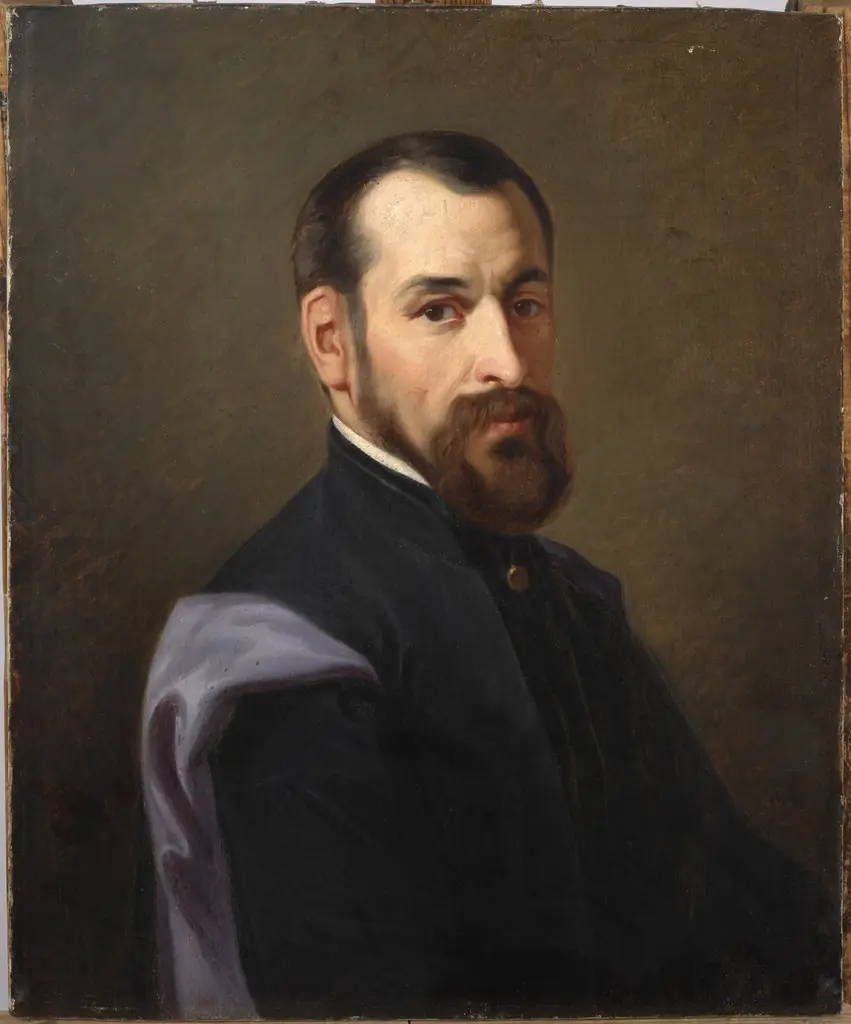
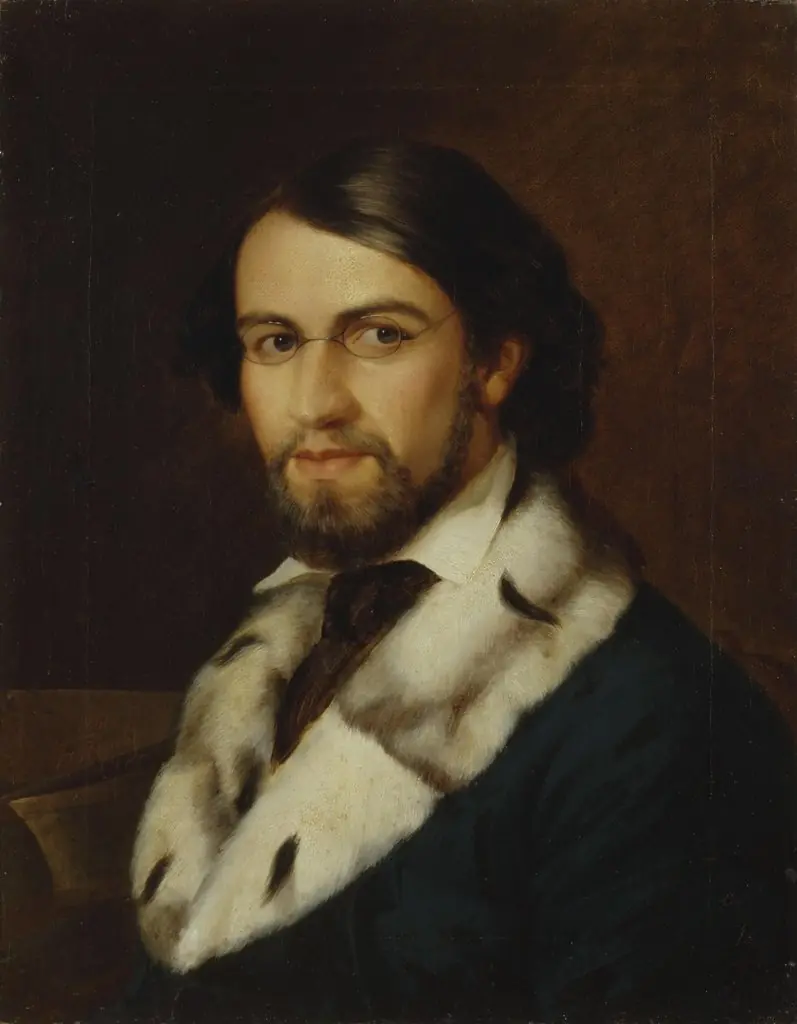
Portrait of Włodzimierz de Rosenwerth Rużycki is an oil painting by Witold Pruszkowski. It dates from 1865 and is held in the collection of the National Museum in Warsaw.
About this work
Overview
Though associated with Symbolism in his broader oeuvre, this piece leans toward realism, emphasizing quiet dignity over allegorical suggestion.
Painted in 1865 by Witold Pruszkowski, this oil portrait captures Włodzimierz de Rosenwerth Rużycki, a Polish nobleman. The work belongs to the National Museum in Warsaw’s collection and reflects Pruszkowski’s engagement with 19th-century Polish portraiture. Though associated with Symbolism in his broader oeuvre, this piece leans toward realism, emphasizing quiet dignity over allegorical suggestion.
Subject & Meaning
The sitter, Włodzimierz de Rosenwerth Rużycki, is depicted with a composed demeanor, his dark beard and tailored attire suggesting aristocratic refinement. His gaze, directed slightly off-center, avoids direct engagement, fostering an introspective tone. The absence of symbolic objects or narrative context shifts focus to the individual’s presence, inviting contemplation rather than interpretation.
Technique & Style
Pruszkowski employs chiaroscuro to model the sitter’s face and clothing, creating a sense of three-dimensionality against a deep, unbroken background. Fine brushwork renders the texture of fabric and the softness of facial hair with precision. The palette is restrained—dominated by blacks, grays, and muted whites—enhancing the portrait’s solemnity and focus on form.
History & Provenance
Completed in 1865, the portrait remained within Polish collections and was later acquired by the National Museum in Warsaw. Its preservation reflects its status as a representative work of mid-19th-century Polish portraiture. No significant alterations or documented restorations are recorded, and its provenance traces steadily from the artist to institutional custody.
Context
In 1865, Poland was partitioned, and cultural expression often emphasized national identity through individual portraiture. Pruszkowski, though later linked to Symbolism, worked in a realist mode during this period, aligning with broader European trends that valued psychological depth over ornamentation. This portrait reflects a moment when art served as a quiet assertion of personal and cultural continuity.
Legacy
While not among Pruszkowski’s most widely exhibited works, the portrait remains a key example of his early realism. It contributes to the understanding of how Polish artists navigated identity and technique under foreign rule. Its restrained aesthetic continues to inform scholarly discussions on 19th-century Polish portraiture beyond overtly nationalistic themes.
Artist & collection
Artist
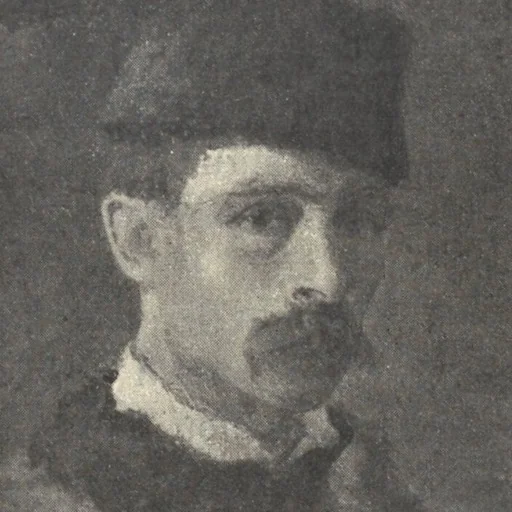
Witold Pruszkowski Polish pronunciation: (14 January 1846, Bershad - 10 October 1896, Budapest) was a Polish painter and graphic artist in the Symbolist style.