Artwork
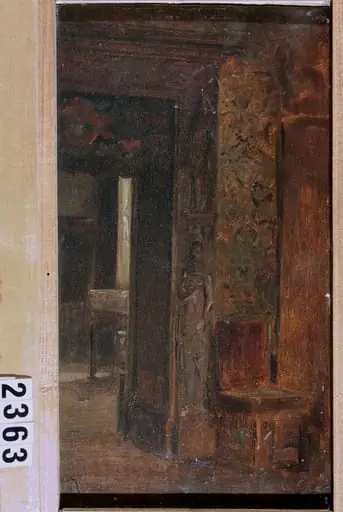
Țărani petrecând cu lăutari/Interior atelier (verso)
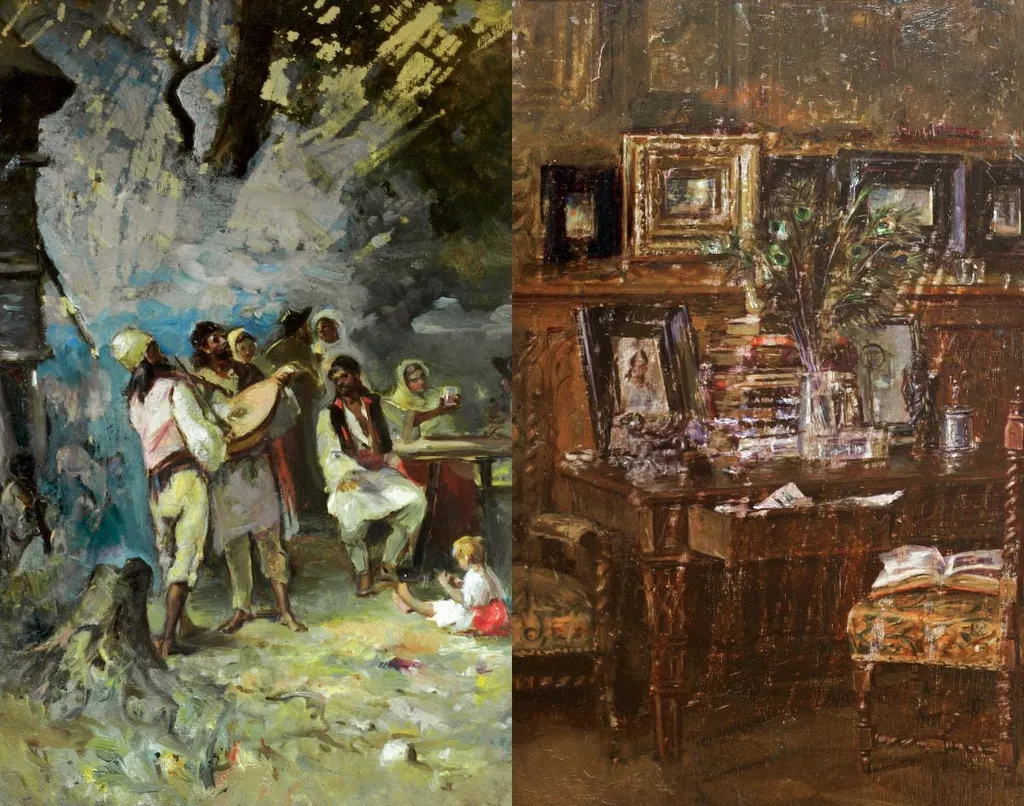
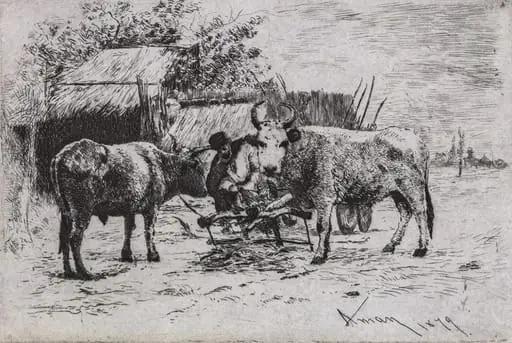
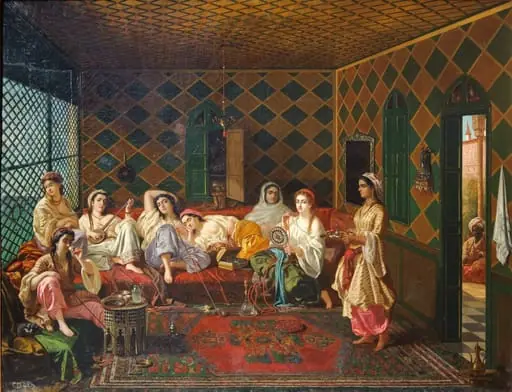
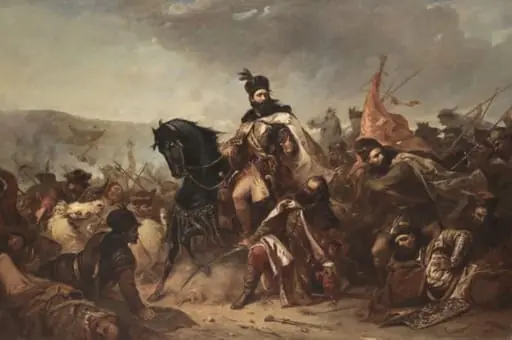
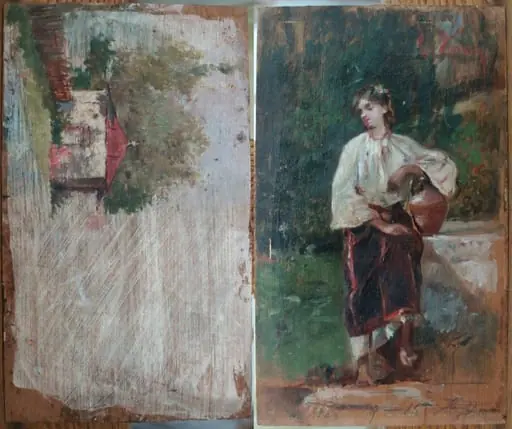
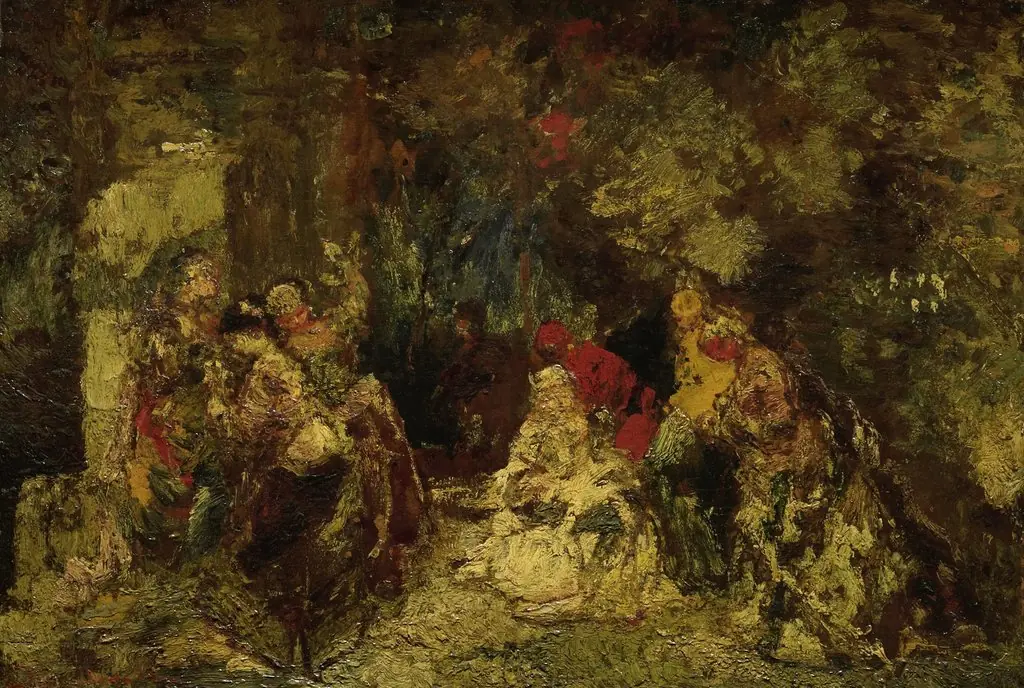
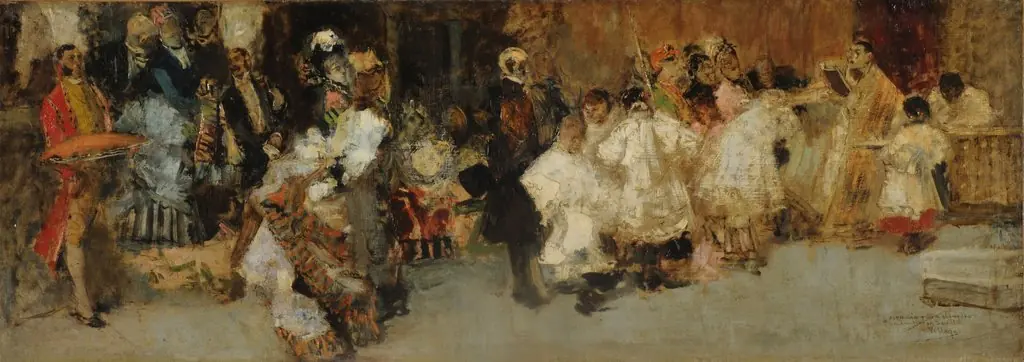
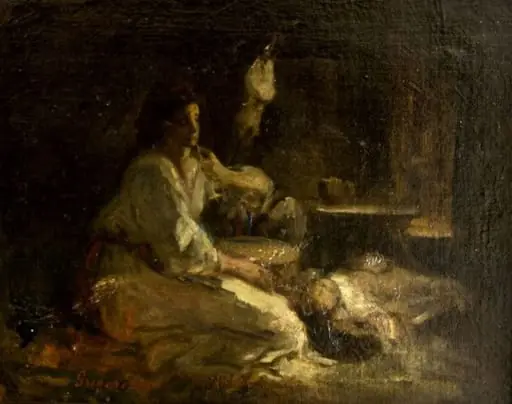
Țărani petrecând cu lăutari/Interior atelier (verso) is an unspecified painting by Theodor Aman. It dates from 1850 and is held in the collection of the Bucharest Municipality Museum.
About this work
Overview
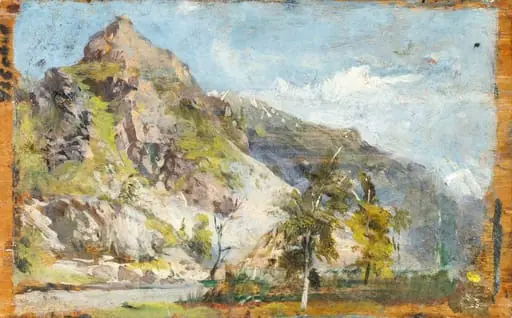
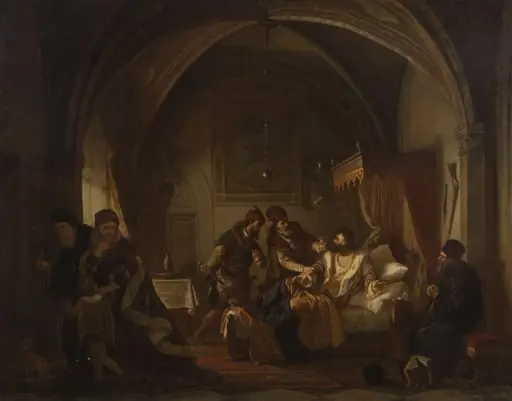
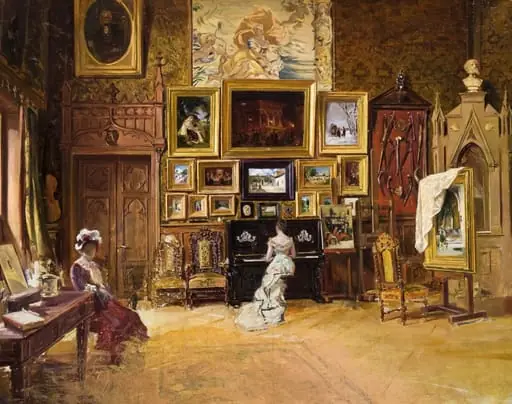
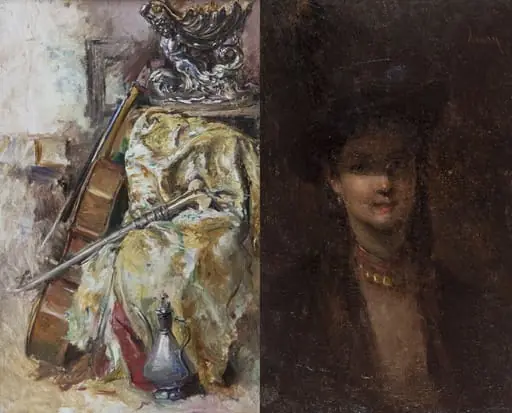
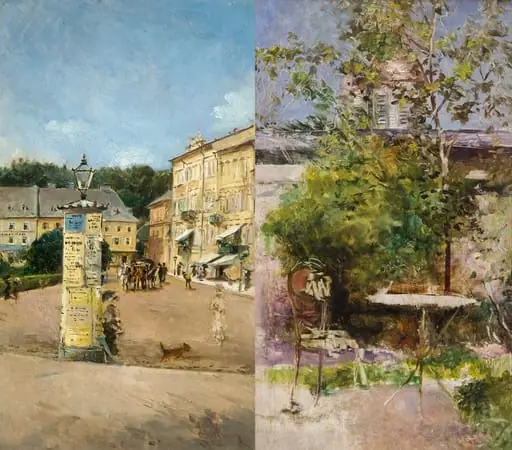
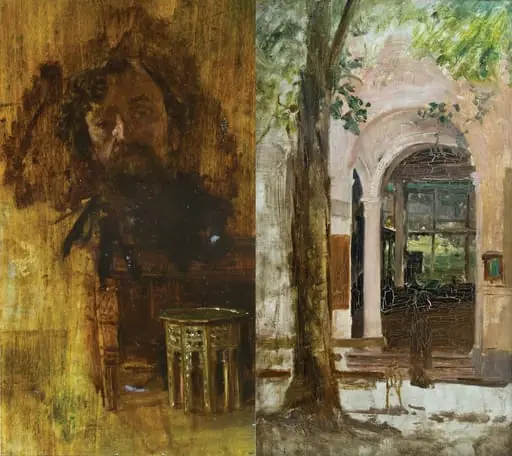
This double-sided work by Theodor Aman, dated around 1850, presents two distinct scenes on a single panel.
This double-sided work by Theodor Aman, dated around 1850, presents two distinct scenes on a single panel. One side depicts a rural gathering with musicians, while the reverse shows an artist’s studio interior. The dual imagery suggests a deliberate contrast between public celebration and private creative space, reflecting Aman’s interest in documenting both folk life and the conditions of artistic production in mid-19th-century Romania.
Subject & Meaning
The left panel portrays peasants engaged in music and communal festivity, their traditional attire and relaxed posture signaling cultural authenticity. The right panel reveals a studio cluttered with books, papers, and a vase of flowers—objects associated with intellectual labor. Together, the scenes may imply a dialogue between rural tradition and the emerging modern artist’s world, positioning creativity as rooted in everyday life.
Technique & Style
Aman employs soft, diffused lighting to distinguish the two scenes: the outdoor gathering is rendered with loose brushwork and muted tones, suggesting movement and atmosphere; the studio side is darker, more detailed, with sharper focus on objects. The contrast in texture and clarity between the two sides underscores their thematic separation while maintaining compositional balance across the panel.
History & Provenance
The work has been held since its acquisition by the Museum of Ethnography, where it is preserved as part of Romania’s cultural heritage. Its survival in original condition, with both sides intact, is uncommon for works of this period. While its early ownership is undocumented, its inclusion in the museum’s collection reflects early 20th-century efforts to preserve vernacular and artistic expressions from the 1800s.
Context
Created during a period of national awakening in Romania, Aman’s work aligns with broader cultural movements seeking to define a distinct national identity through depictions of folk customs and the artist’s role within society. The pairing of peasant festivity with the studio interior mirrors contemporary debates about modernization, tradition, and the place of art in public life.
Legacy
This dual-panel work remains a rare example of Aman’s engagement with genre scenes and studio practice in tandem. It influenced later Romanian artists interested in documenting social life and the material conditions of art-making. Its preservation in a museum of ethnography, rather than fine art, highlights its dual significance as both cultural record and artistic object.
Artist & collection
Artist