Artwork
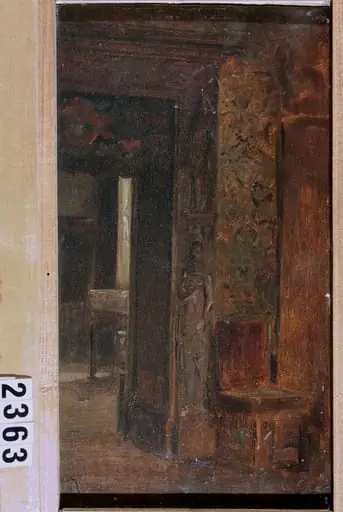
Scenă de interior
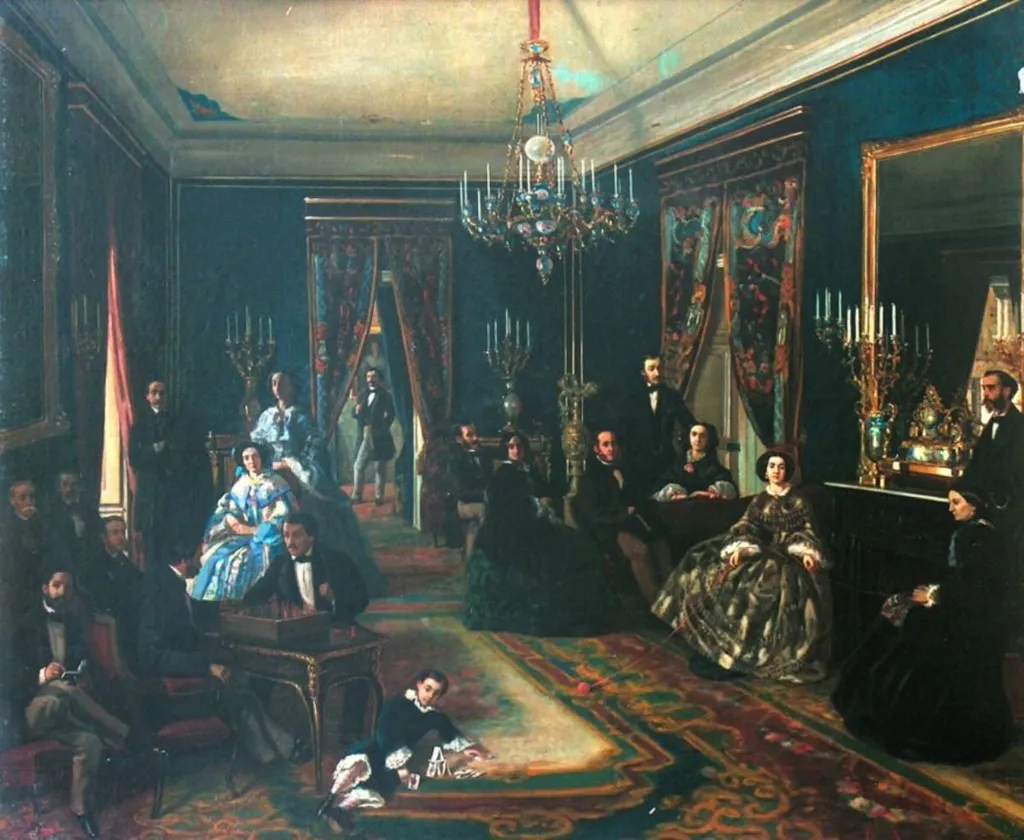
Scenă de interior is an unspecified painting by the Academic Art artist Theodor Aman. It dates from 1858 and is held in the collection of the Iulian Antonescu Bacău Museum Complex.
About this work
Overview
Scenă de interior, painted by Theodor Aman in 1858, is part of the collection of the Museum of Ethnography. The canvas captures a domestic interior populated by elegantly dressed figures engaged in music, conversation, and leisure. A central female figure in blue performs at a piano while onlookers gather around a richly patterned rug beneath a chandelier that illuminates the scene.
Subject & Meaning
The work portrays a moment of social interaction within a well-appointed room, highlighting the customs of middle‑class leisure in mid‑nineteenth‑century Romania. The presence of a child reclining on the floor and a gentleman in a dark suit near a lamped table suggests a blend of familial intimacy and formal gathering, reflecting contemporary values of hospitality and cultured entertainment.
Technique & Style
Aman employs a careful chiaroscuro scheme, contrasting the warm glow of the chandelier with the deeper tones of the dark wooden walls. This handling of light creates a three‑dimensional effect on faces and objects, while the precise rendering of fabrics and textures underscores his academic training and attention to detail.
History & Provenance
Completed in 1858, the painting entered the Museum of Ethnography’s holdings at an early stage, where it has remained on display as a representative example of domestic genre painting from the period. Its acquisition reflects the museum’s broader mission to document everyday cultural practices through visual art.
Context
Created during a time when Romanian artists were increasingly engaging with European academic traditions, Aman’s interior scene aligns with the genre‑painting trend that emphasized everyday life and moral narratives. The composition echoes similar works by his contemporaries, who often used interior settings to explore social hierarchies and the role of music in domestic culture.
Artist & collection
Artist
Museum
Iulian Antonescu Bacău Museum Complex
Continue through works from the same source collection.

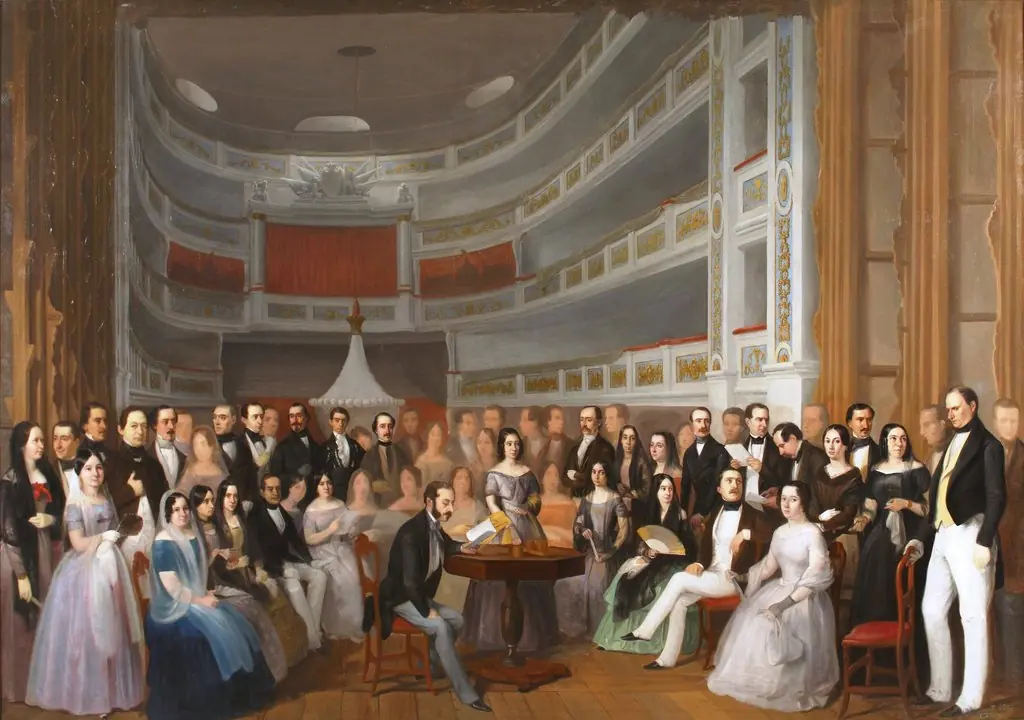 Ventura de la Vega reading a play at the Teatro del Príncipe
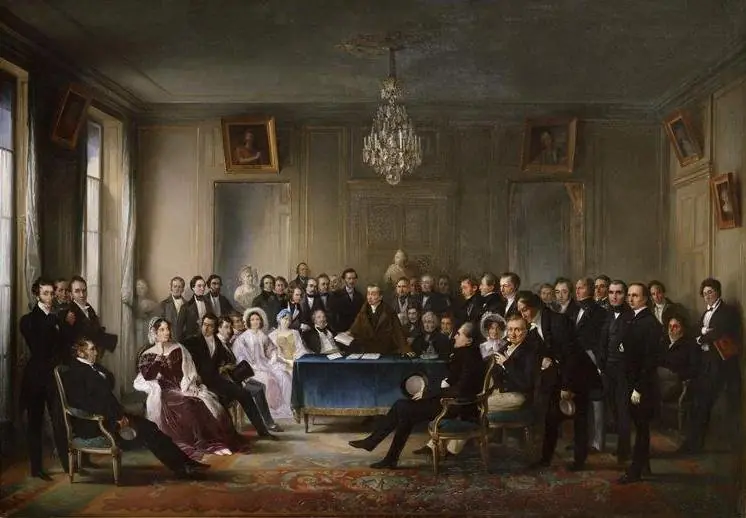 Andrieux faisant une lecture dans le foyer de la Comédie Française
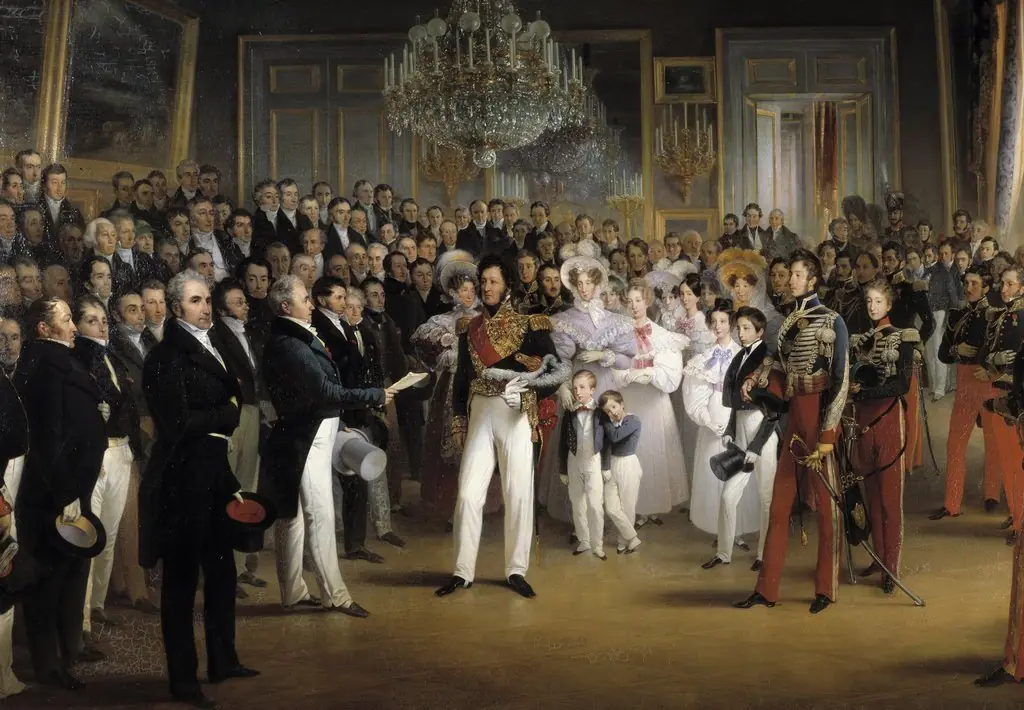 The Chamber of Deputies Received at the Palais-Royal by the Duke of Orleans
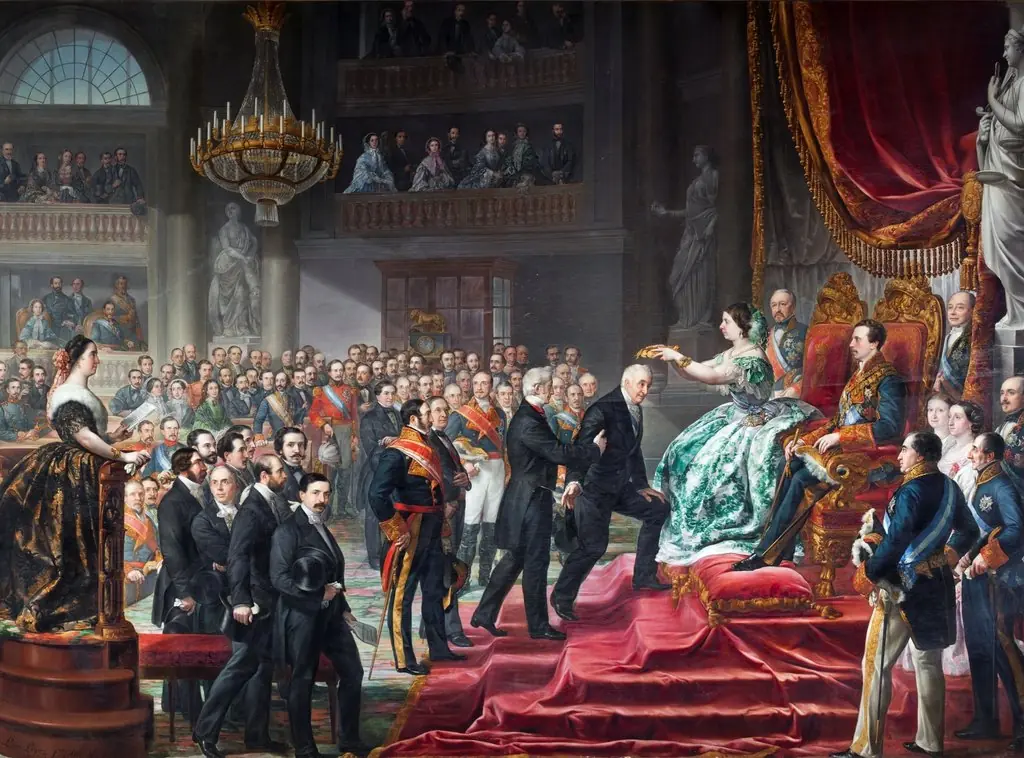 The Coronation of the Quintana
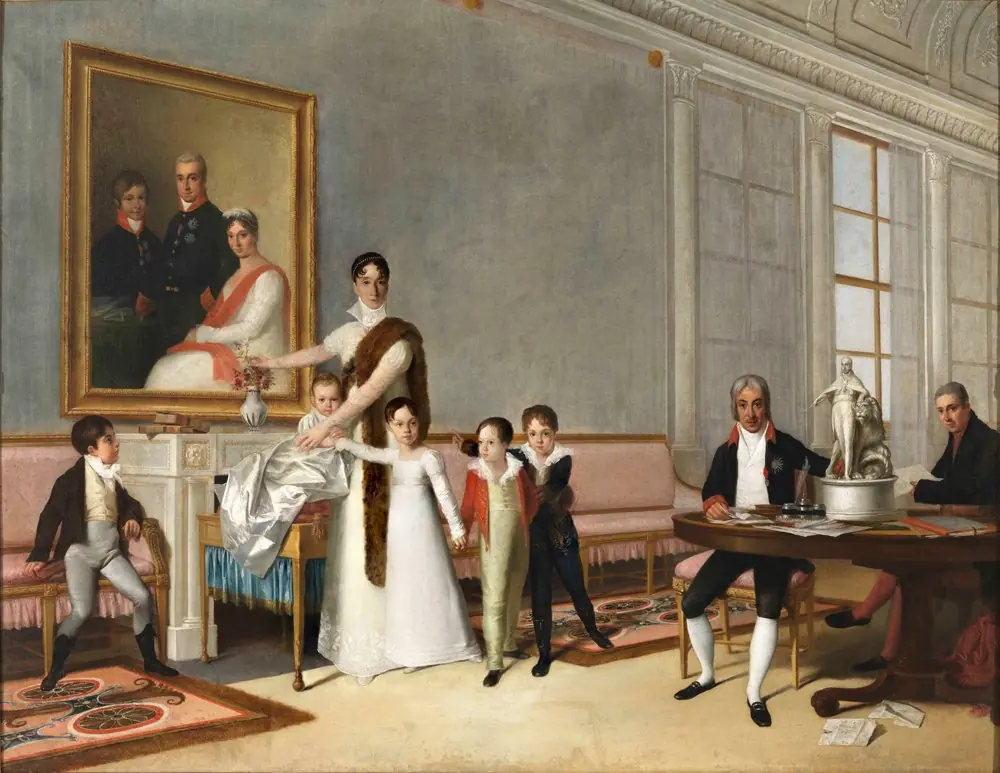 Portrait of the Family of the 1st Viscount of Santarém
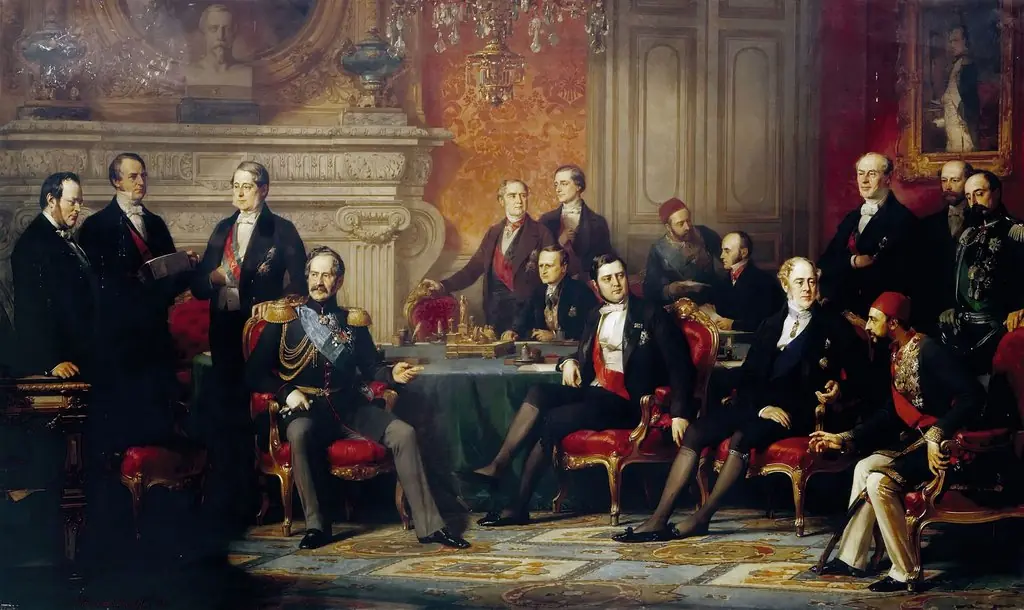 The Congress of Paris
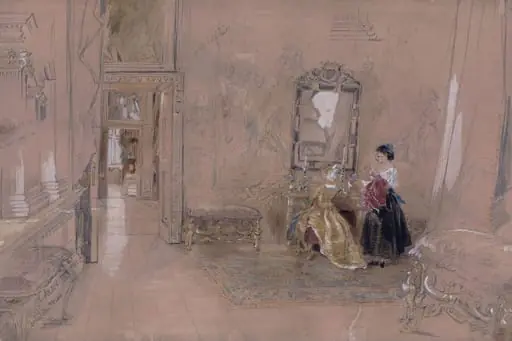 The Venetian Ambassador's Room at Knole, Kent
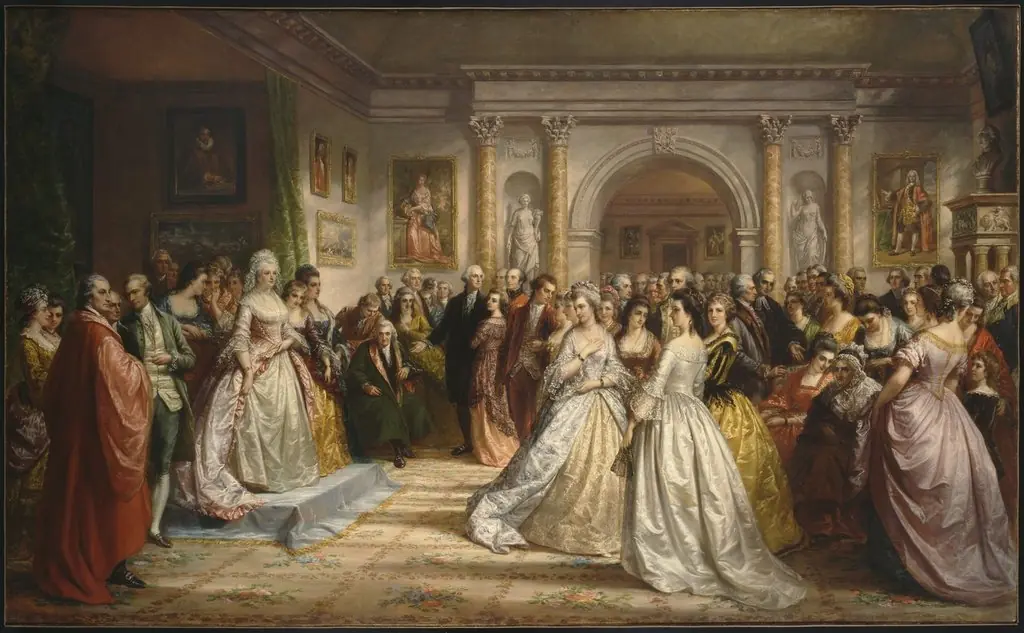 The Republican Court (Lady Washington's Reception Day)
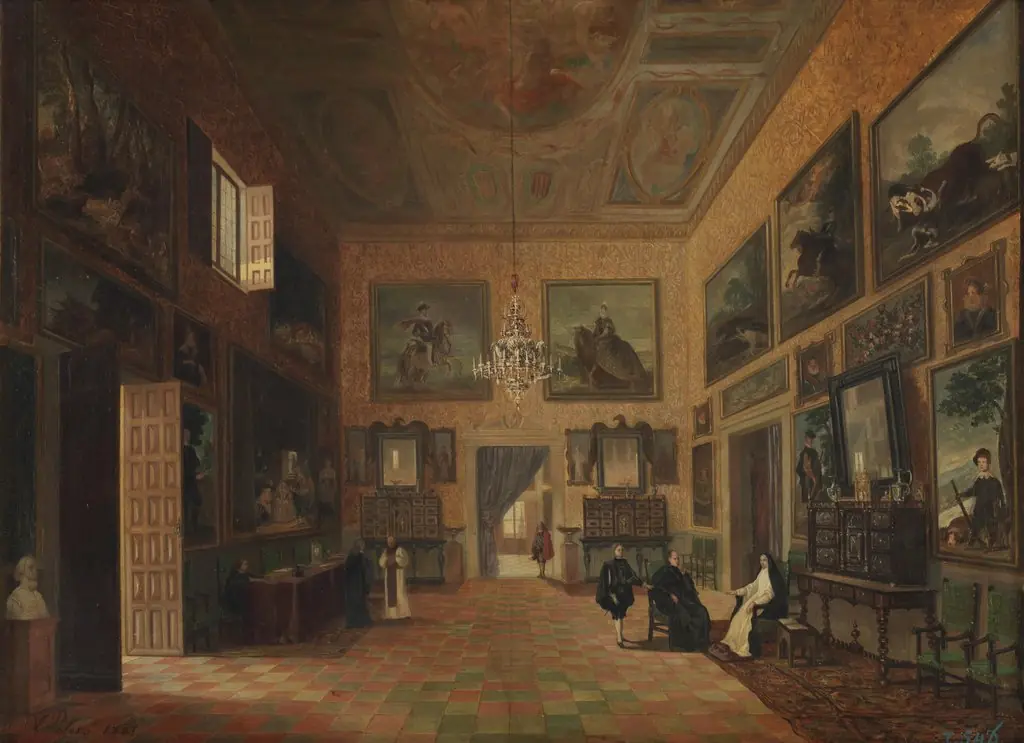 The chamber of Philip IV in the Buen Retiro Royal Palace
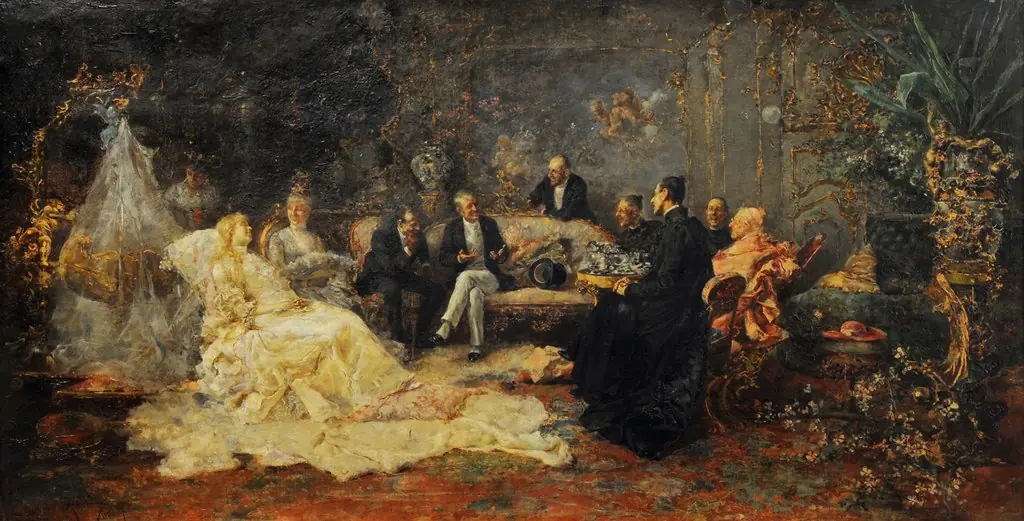 The convalescent
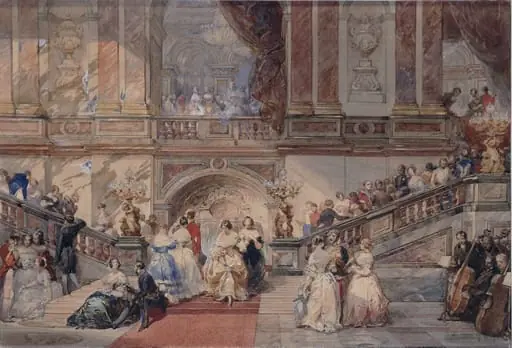 Ball at the Hotel de Ville, Paris
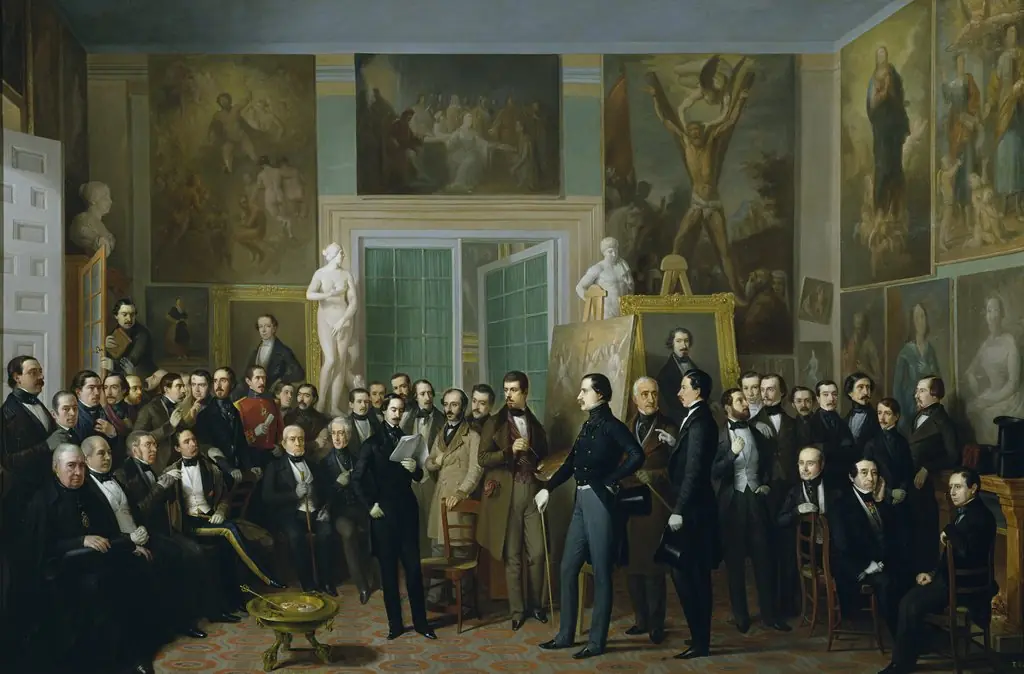 The Contemporary Poets. A Reading of Zorrilla in the Artist's Studio