Artwork
Υδροχόος - Μελέτη για μια κρήνη
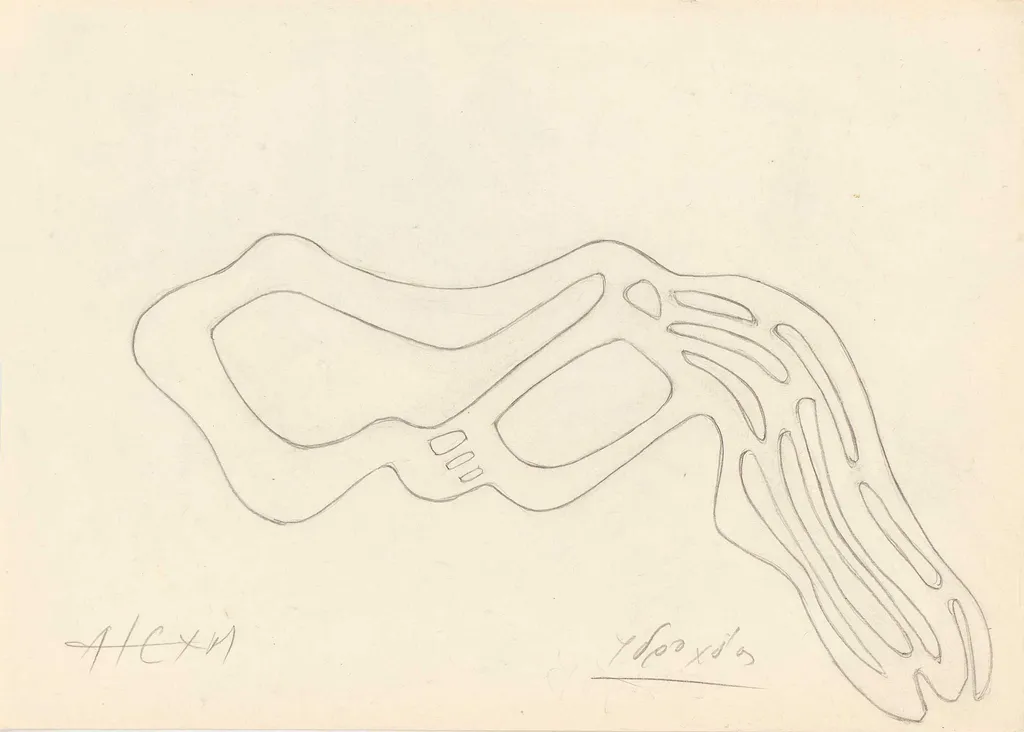
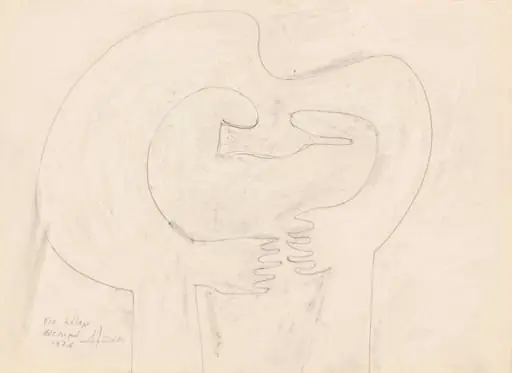
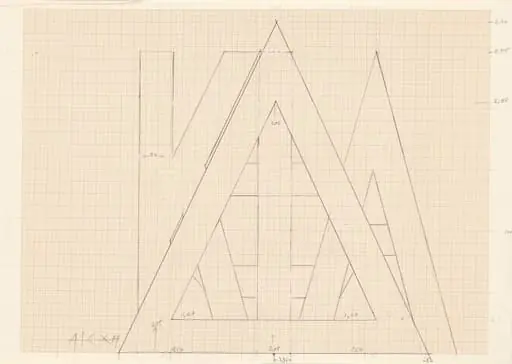
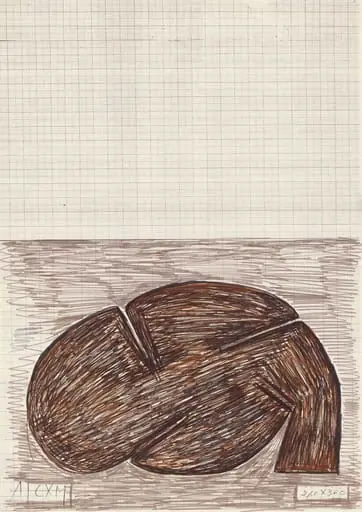
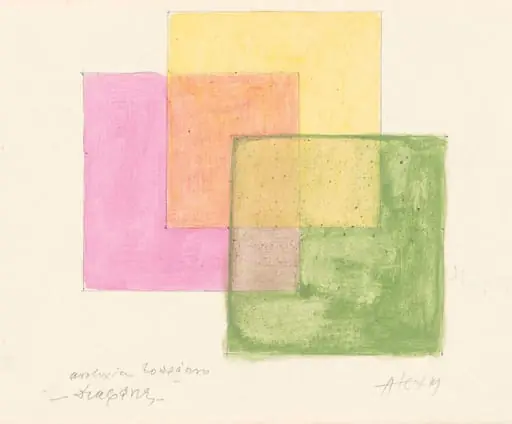
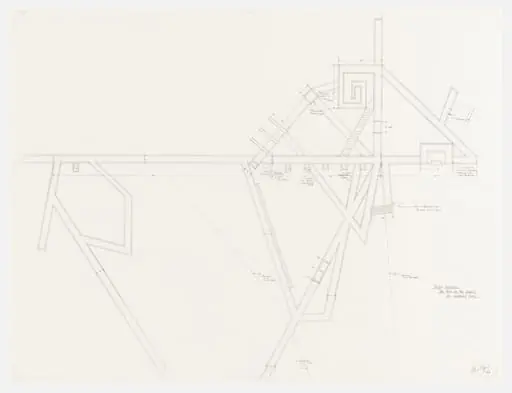
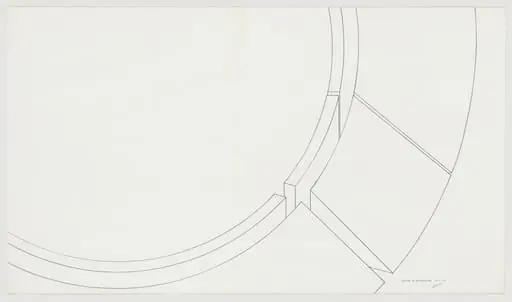
Υδροχόος - Μελέτη για μια κρήνη is a drawing by Mylona Alex. It dates from 1972 and is held in the collection of the Metropolitan Organisation of Museums of Visual Arts of Thessaloniki – MOMus. This 1972 architectural drawing by Alex Mylona, titled Υδροχόος, presents a detailed study for a public water fountain.
About this work
The drawing shows how water would flow from hidden spouts into a basin below.
You see a 1972 architectural drawing of a water fountain. It’s all sharp lines and angles, like a puzzle of glass and metal. The artist sketched every joint and pipe so you’d know how it fits together.
This isn’t just a pretty fountain. It’s designed to work as sculpture and machine at once. The drawing shows how water would flow from hidden spouts into a basin below.
Next, look up Alex Mylona at the Museum of Ethnography.
Overview
This 1972 architectural drawing by Alex Mylona, titled Υδροχόος, presents a detailed study for a public water fountain. It merges functional design with sculptural form, treating the fountain not merely as a utility but as an integrated element of built space. Every component — joints, pipes, spouts — is meticulously rendered to convey both structural logic and aesthetic intent.
Subject & Meaning
The work explores the relationship between water, architecture, and public interaction. By embedding the fountain’s mechanics into its visual form, Mylona emphasizes transparency of function. The design invites viewers to consider how everyday infrastructure can carry symbolic weight, transforming a utilitarian object into a quiet monument to civic life and engineered harmony.
Technique & Style
Rendered in precise linework, the drawing employs sharp geometric forms and orthogonal perspectives to depict a complex assembly of glass and metal. No decorative flourishes obscure the structure; instead, clarity of construction dominates. Each element is labeled and positioned with technical rigor, reflecting a design ethos rooted in modernist precision and functional honesty.
History & Provenance
Created during a period of renewed interest in public space design in Greece, the drawing emerged from Mylona’s broader investigations into architecture as lived experience. Though never constructed, the study was retained in her personal archive and later entered institutional collections, including the Museum of Ethnography, where it remains as a record of speculative urban design.
Context
In early 1970s Greece, post-war reconstruction prompted reevaluations of public infrastructure. Mylona’s work responded to this climate by proposing fountains as both social anchors and sculptural interventions. Her approach aligned with international movements that sought to dissolve boundaries between art, architecture, and everyday utility, prioritizing user experience over ornament.
Legacy
Though unrealized, Υδροχόος stands as a significant example of conceptual architectural practice in late 20th-century Greece. It influenced later discussions on participatory design and the aesthetics of infrastructure. The drawing continues to be referenced in academic circles for its synthesis of engineering clarity and poetic spatial thinking.
Artist & collection
Artist
Museum
Metropolitan Organisation of Museums of Visual Arts of Thessaloniki – MOMus
Continue through works from the same source collection.