Artwork
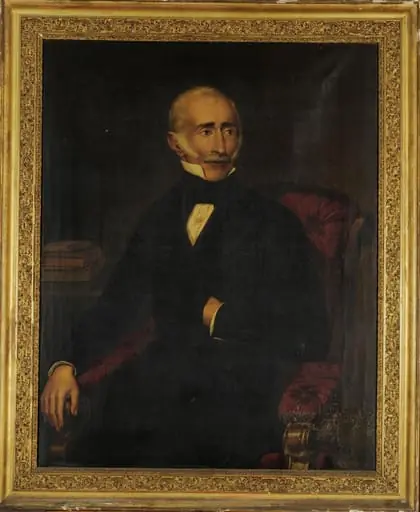
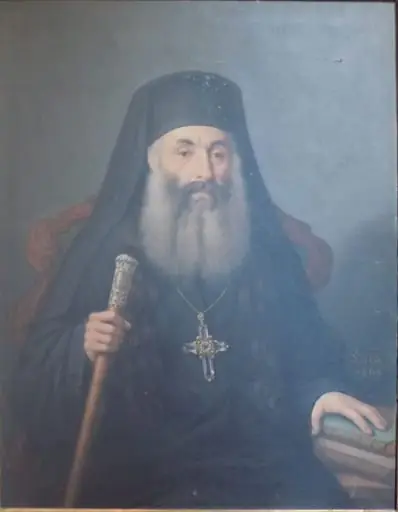
Προσωπογραφία του Γρηγορίου Ε' Πατριάρχη Κωνσταντινουπόλεως
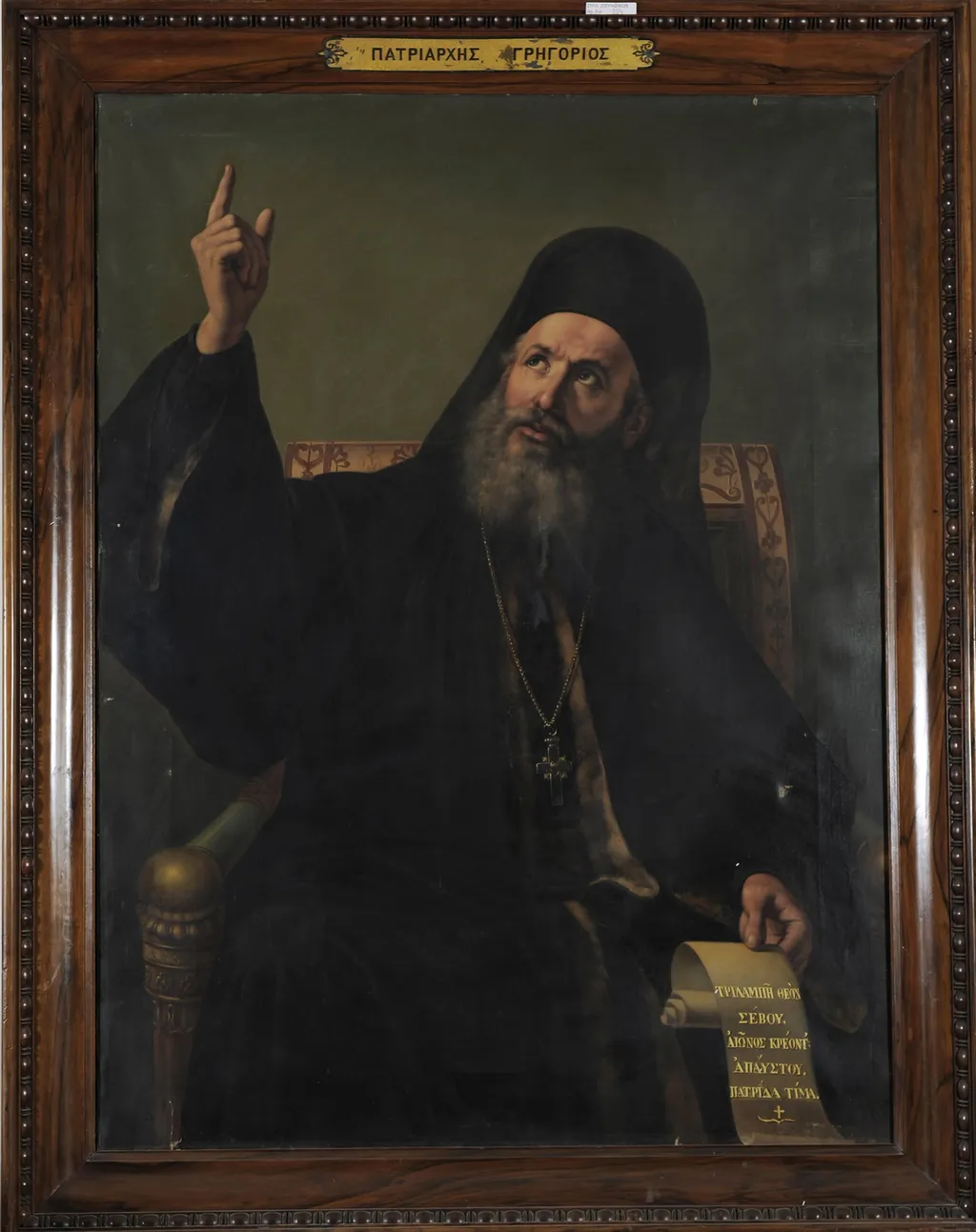
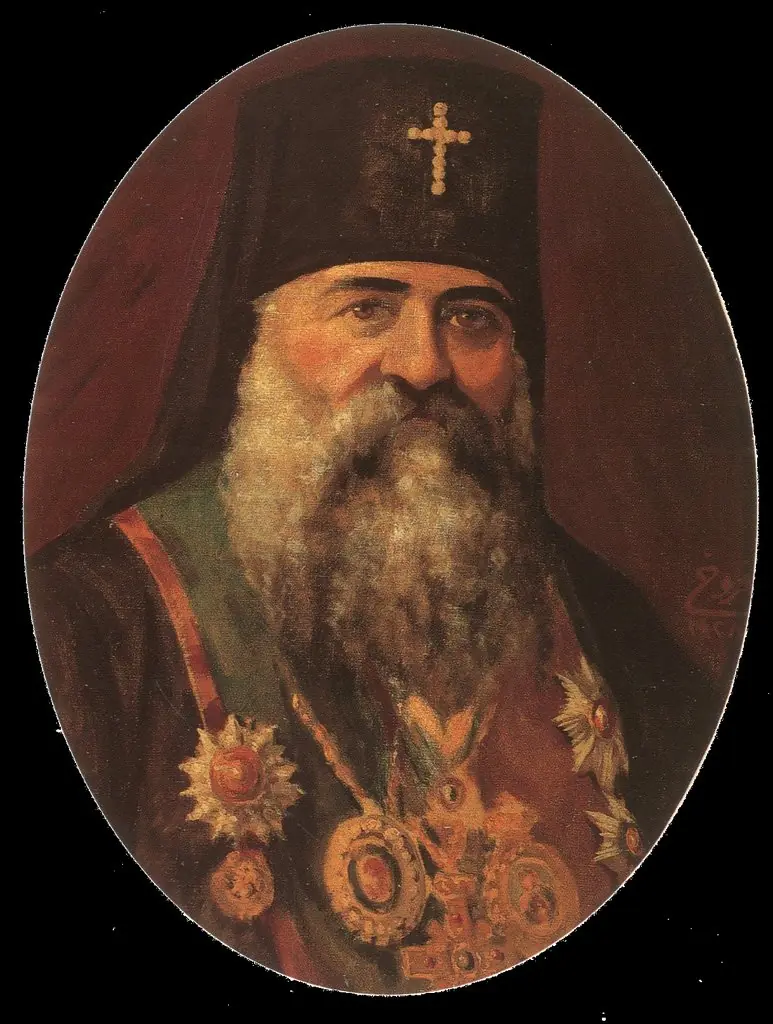
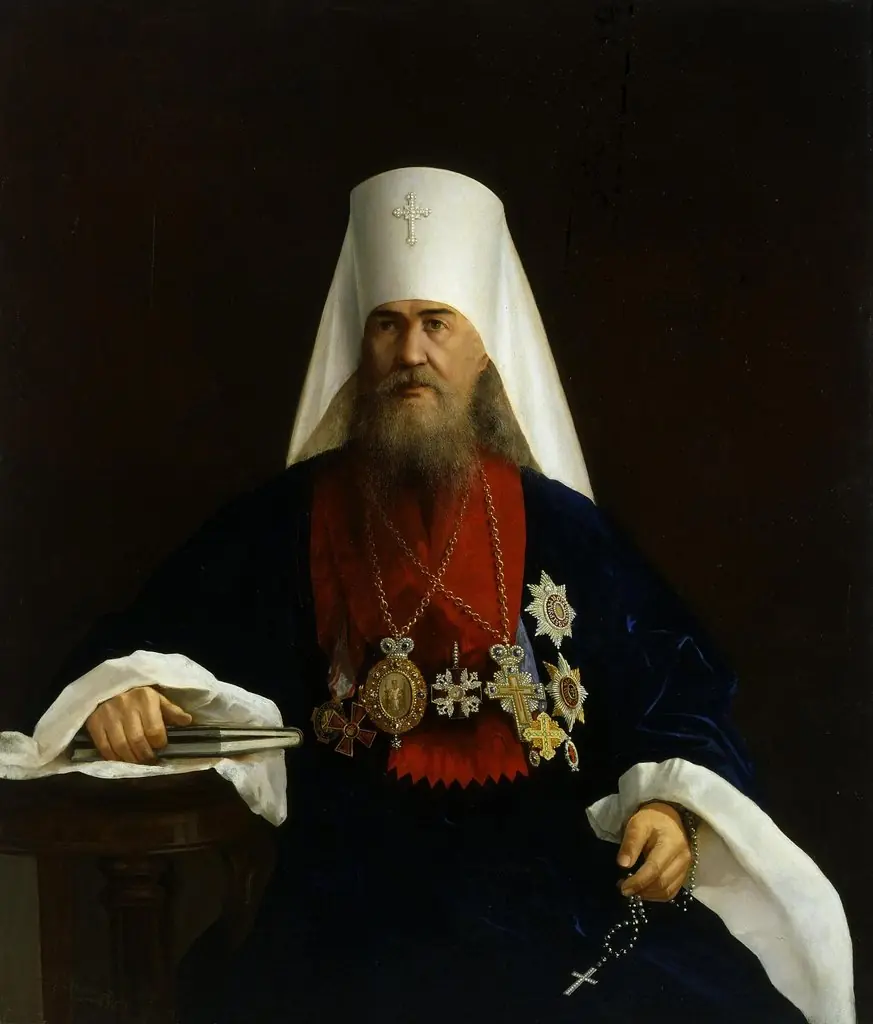
Προσωπογραφία του Γρηγορίου Ε' Πατριάρχη Κωνσταντινουπόλεως is an unspecified painting by the Byzantine icon painting artist Tsokos Dionysios. It dates from 1861 and is held in the collection of the Historical & Ethnological Society of Greece. Painted in 1861 by Dionysios Tsokos, this portrait depicts Gregory V, Patriarch of Constantinople, in formal ecclesiastical attire.
About this work
Overview
Painted in 1861 by Dionysios Tsokos, this portrait depicts Gregory V, Patriarch of Constantinople, in formal ecclesiastical attire.
Painted in 1861 by Dionysios Tsokos, this portrait depicts Gregory V, Patriarch of Constantinople, in formal ecclesiastical attire. Executed in oil on canvas, the work is part of the collection at the Museum of Ethnography. Tsokos, a Greek artist trained in Munich, employed a naturalistic approach typical of mid-19th-century academic portraiture, emphasizing individual presence over idealized symbolism.
Subject & Meaning
Gregory V, Patriarch of Constantinople from 1806 to 1821 and again briefly in 1822 and 1824, is shown holding a pastoral staff and a scroll, symbols of his spiritual authority. His right hand gestures upward, invoking divine sanction, while a cross rests against his chest. The plain green background focuses attention on his solemn expression, reflecting his role as a religious leader during a turbulent period in Ottoman-ruled Greece.
Technique & Style
Tsokos rendered the patriarch with careful attention to texture and light, capturing the sheen of silk robes, the weight of the golden staff, and the fine detail of facial hair. The composition is tightly framed, eliminating distractions. The palette is restrained, dominated by dark tones relieved by metallic accents. This realism aligns with European academic traditions Tsokos absorbed during his studies in Germany.
History & Provenance
Commissioned after Gregory V’s execution in 1821, the portrait likely served as a commemorative tribute. It entered the Museum of Ethnography’s holdings in the late 19th or early 20th century, possibly through ecclesiastical or national collections. The Greek inscription along the frame identifies the subject and reinforces its cultural significance within Greek Orthodox memory.
Context
Created during a period of rising Greek national identity, the portrait reflects the intertwining of religious and ethnic leadership. Gregory V’s martyrdom made him a symbol of resistance, and Tsokos’s depiction aligns with broader efforts to visually affirm Orthodox Christian identity amid Ottoman rule and emerging nation-state formation in the Balkans.
Legacy
Tsokos’s portrait remains one of the most recognized images of Gregory V, influencing later iconographic representations. Its academic realism distinguishes it from traditional religious icons, marking a shift toward secular portraiture within ecclesiastical contexts. The work continues to serve as a historical reference in studies of 19th-century Greek religious and cultural life.
Artist & collection
Artist
Museum
Historical & Ethnological Society of Greece
Continue through works from the same source collection.