Artwork
Aurélie
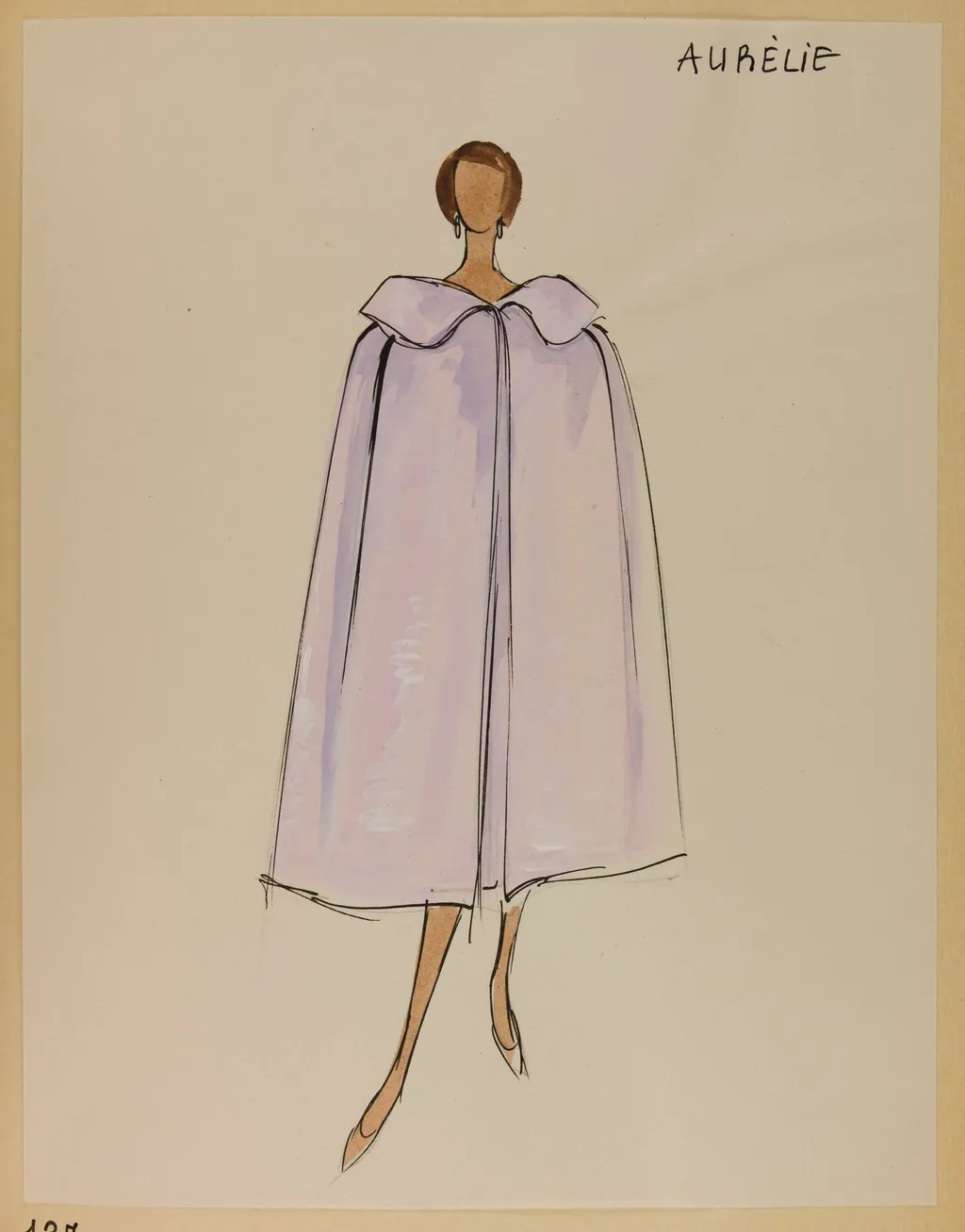
Aurélie is a drawing by Marie-Louise Carven. It dates from 1955 and is held in the collection of the Palais Galliera - Musée de la Mode de la Ville de Paris.
About this work
Overview
The minimal facial details and restrained brushwork reflect Carven’s focus on silhouette and movement rather than ornamentation.
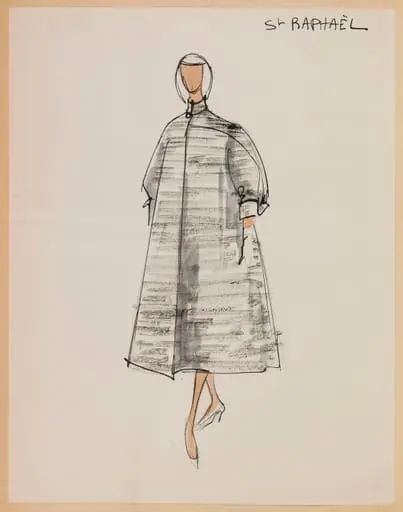
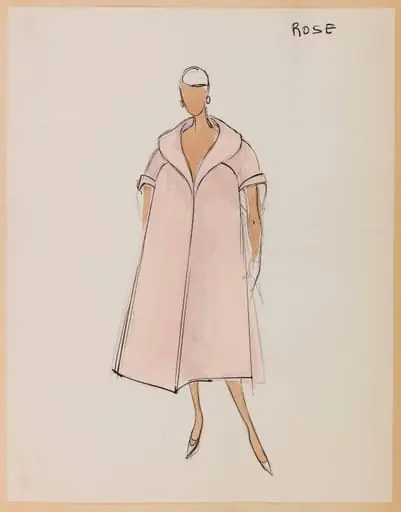
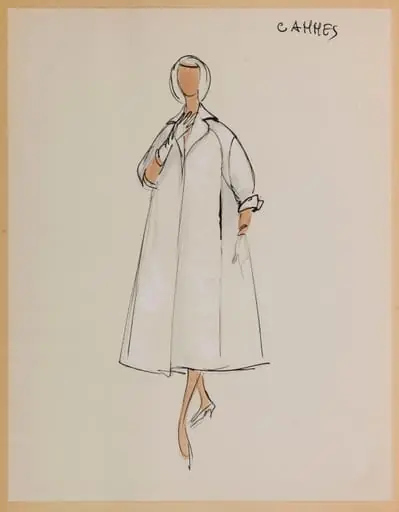
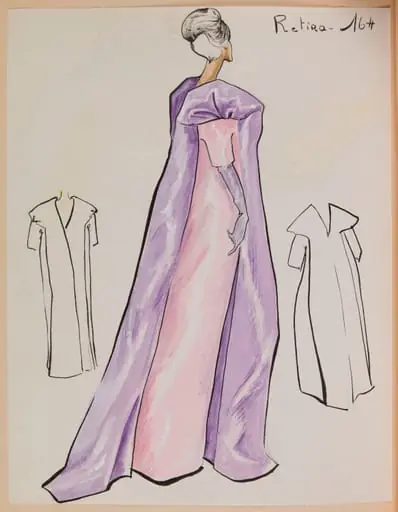
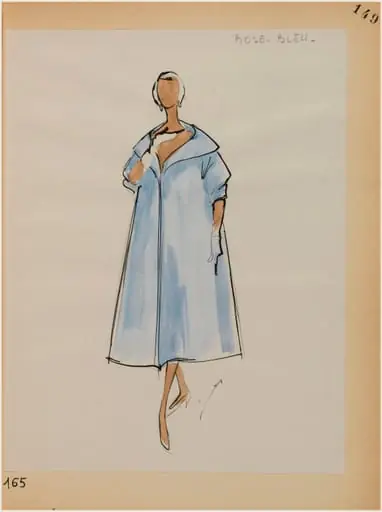
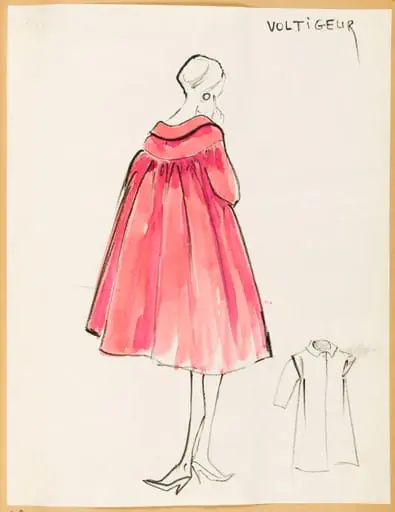
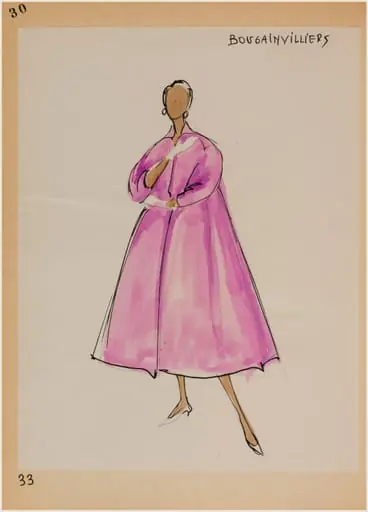
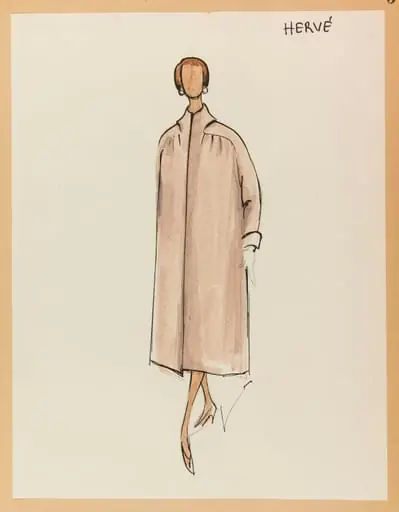
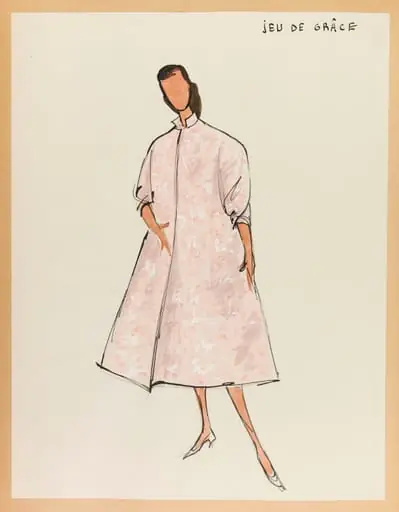
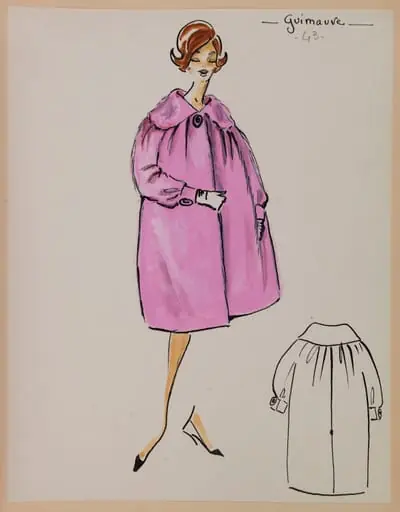
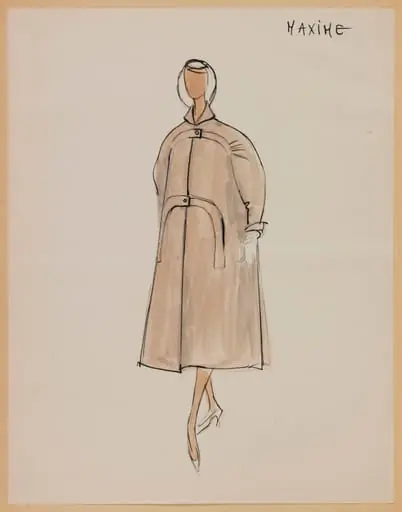
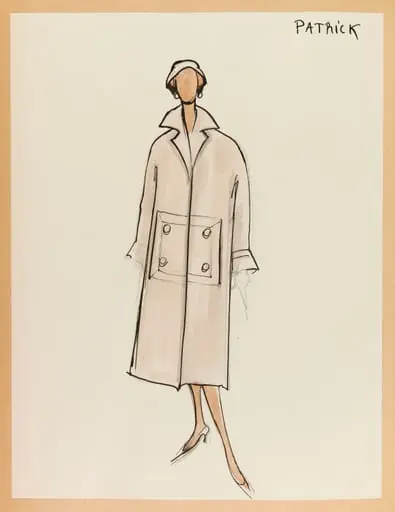
Aurélie is a fashion sketch created around 1955 by Marie-Louise Carven, founder of the Parisian fashion house Carven. Executed in watercolor and ink, the drawing captures a slender, full-length figure in a long, loose coat with a high collar. The minimal facial details and restrained brushwork reflect Carven’s focus on silhouette and movement rather than ornamentation. The sketch is part of the Museum of Ethnography’s collection, underscoring its significance as a document of mid-century design.
Subject & Meaning
The figure, named Aurélie, embodies Carven’s ideal of understated elegance for petite frames. The coat’s flowing lines and ankle-length hem suggest ease and grace, aligning with her philosophy of clothing that moves with the body. The absence of elaborate detail and the neutral palette emphasize form over decoration. The name, inscribed in the corner, personalizes the design, possibly referencing a client or muse, reinforcing Carven’s intimate approach to couture.
Technique & Style
Carven employed soft watercolor washes and delicate ink outlines to convey texture and volume without heavy shading. The sketch’s speed and clarity suggest it was a working drawing, not a finished presentation piece. The figure’s simplified anatomy and tucked arms focus attention on the garment’s drape and proportion. This restrained technique reflects her modernist sensibility—prioritizing function and fluidity over theatricality.
History & Provenance
Created during Carven’s active years as a couturier, Aurélie dates to a period when she was expanding into prêt-à-porter, making high fashion more accessible. The sketch entered the Museum of Ethnography’s collection as part of a broader effort to preserve design artifacts that reflect everyday life and cultural taste. Its preservation highlights its role not merely as fashion, but as a cultural artifact of postwar French aesthetics.
Context
In the mid-1950s, Parisian fashion was transitioning from rigid haute couture toward more practical, wearable designs. Carven, one of the first designers to launch a ready-to-wear line, responded to changing social norms and the rise of the modern woman. Aurélie’s simplicity reflects this shift—its unadorned form speaks to a new emphasis on mobility, comfort, and quiet sophistication in women’s clothing.
Legacy
Aurélie exemplifies Carven’s enduring influence on accessible, body-conscious design. Her innovations in fit and fabric, including the patented push-up bra, reshaped women’s undergarments and outerwear alike. Though the sketch is modest in scale, it captures a pivotal moment in fashion history: the move toward democratic design. Today, it remains a quiet testament to her vision of elegance rooted in practicality.
Artist & collection
Artist
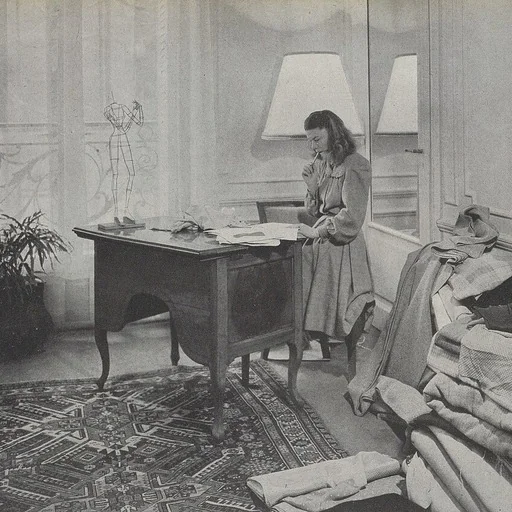
Marie-Louise Carven (31 August 1909 – 8 June 2015), born Carmen de Tommaso, was a French fashion designer who founded the house of Carven in 1945.
Museum
Palais Galliera - Musée de la Mode de la Ville de Paris
Continue through works from the same source collection.
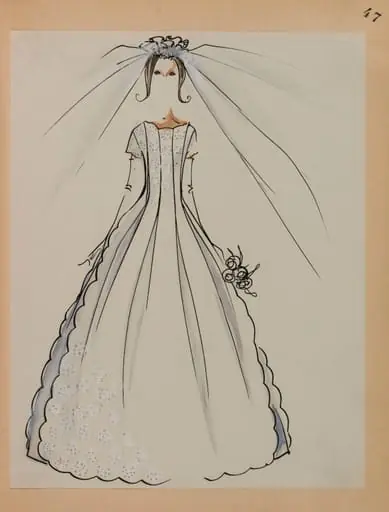 Robe de mariée festonnée et son voile
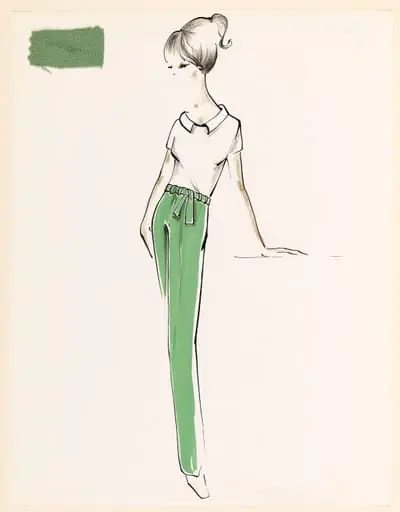 Haut blanc à manches courtes et pantalon vert à ceinture nouée
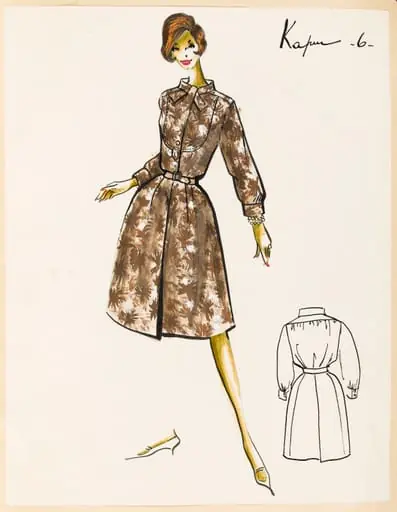 Kapur
Kapur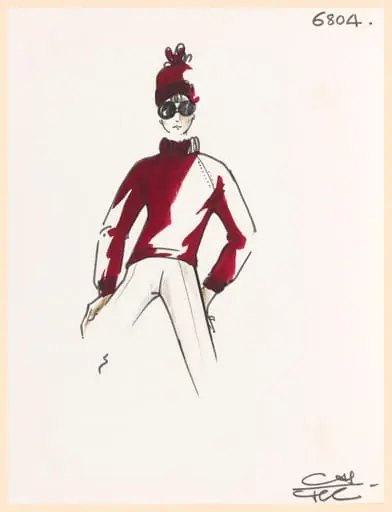 Pull-over à manches longues pourpre, bonnet assorti, pantalon et lunettes de soleil
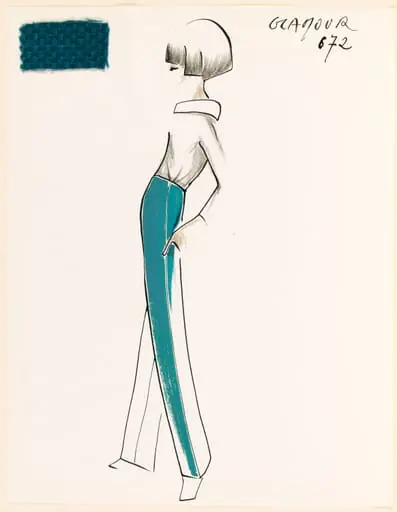 GLAMOUR
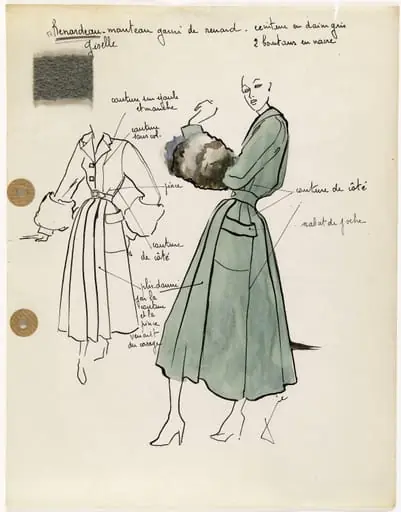 'Renardeau'
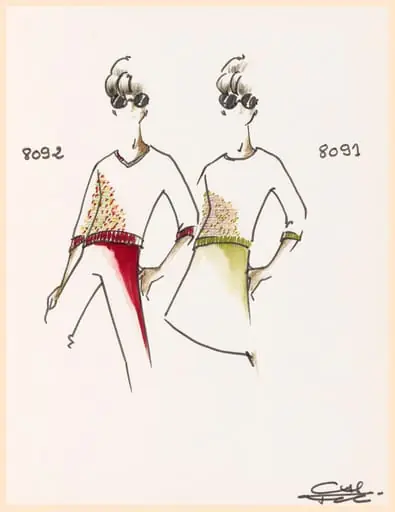 Pull-over à manches trois quarts et à encolure V à motifs multicolores, pantalon cerise et lunettes de soleil
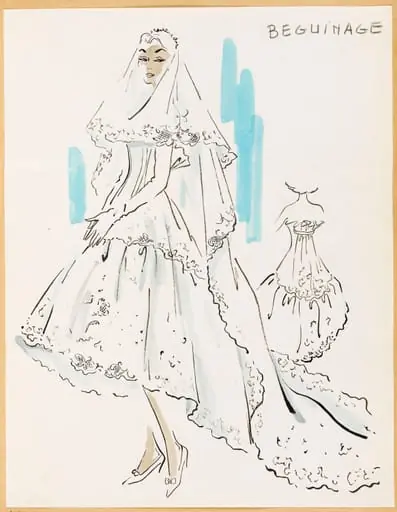 Béguinage