Artwork
Bamako
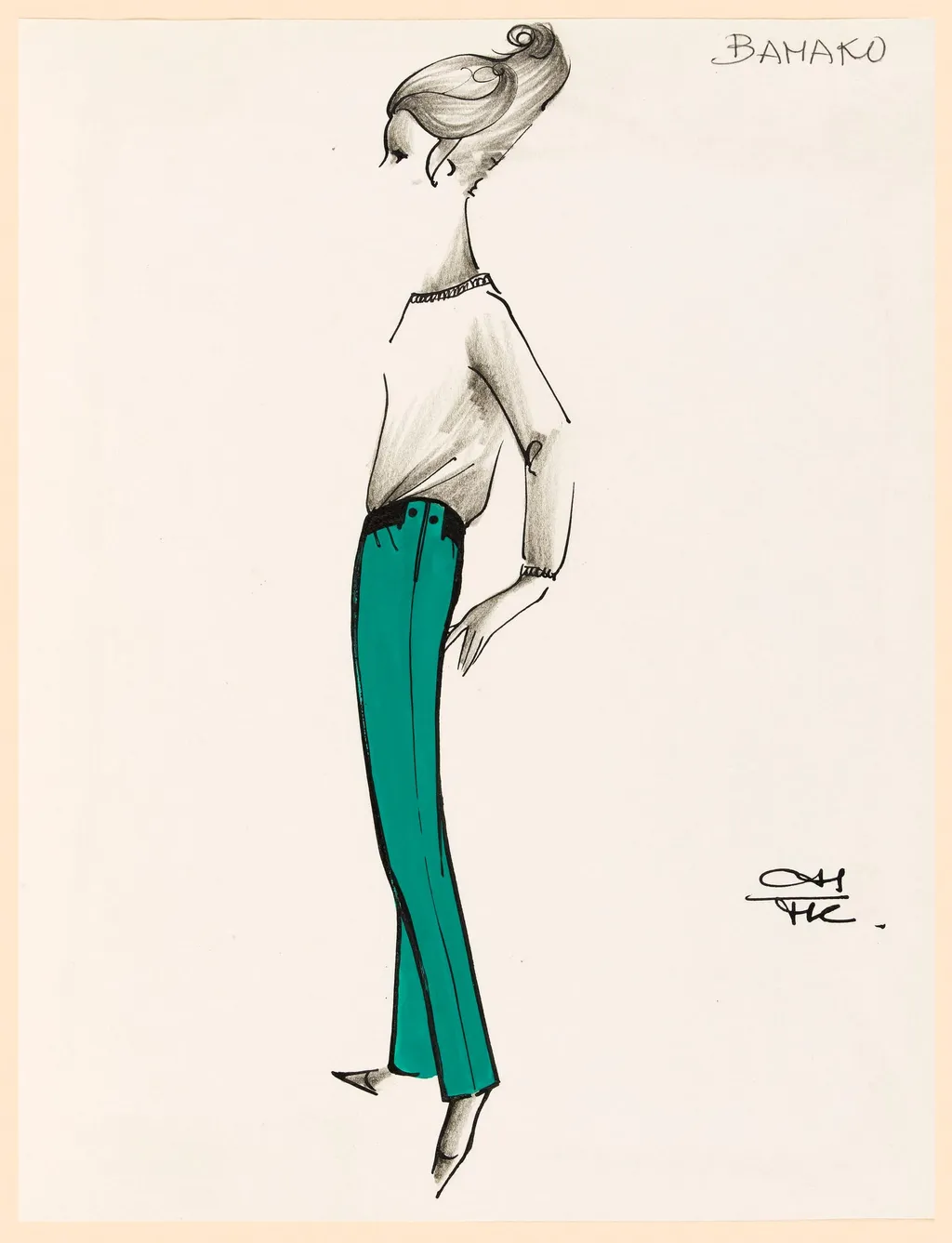
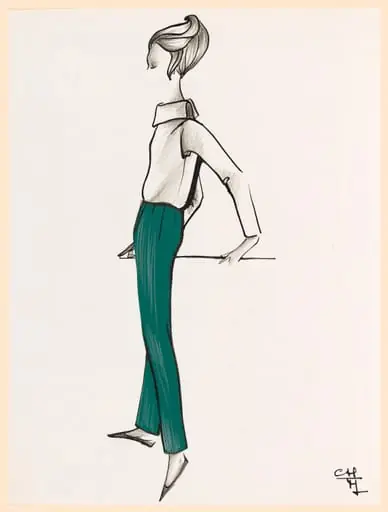
Bamako is a drawing by Marie-Louise Carven. It dates from 1963 and is held in the collection of the Palais Galliera - Musée de la Mode de la Ville de Paris.
About this work
Overview
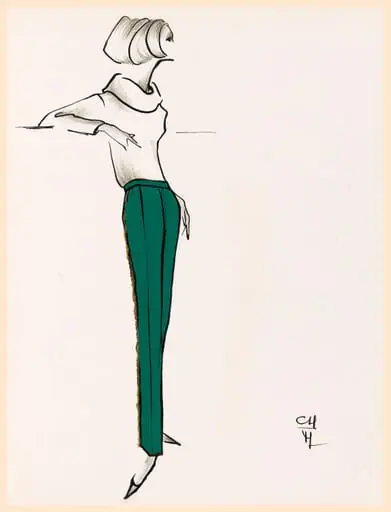
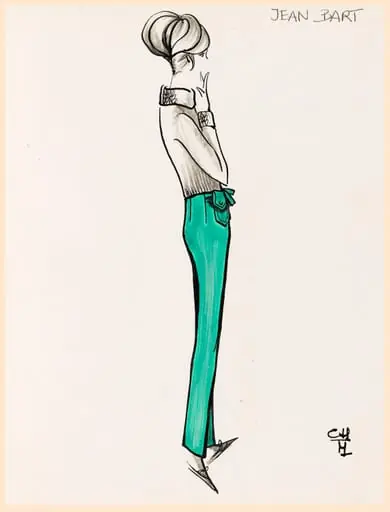
It depicts a woman in profile, dressed in a white top and vivid green trousers, with her hair gathered in an updo.
Created around 1963, *Bamako* is a black-and-white drawing by French fashion designer Marie-Louise Carven. It depicts a woman in profile, dressed in a white top and vivid green trousers, with her hair gathered in an updo. The piece stands apart as a rare visual artifact from Carven’s design practice, distinct from her clothing production yet reflecting her aesthetic sensibilities. It resides in the collection of the Museum of Ethnography.
Subject & Meaning
The figure in *Bamako* is rendered with quiet poise, her relaxed stance and undefined features suggesting an idealized calm rather than a specific individual. The title, referencing the Malian capital, hints at an interest in global cultural motifs, though the figure’s attire remains rooted in mid-century European fashion. The work evokes a sense of serene dignity, aligning with Carven’s broader emphasis on understated elegance over ornamentation.
Technique & Style
Rendered in monochrome ink with a single accent of green, the drawing employs clean, fluid lines to define form without detail. The absence of facial features directs focus to posture and silhouette, characteristic of Carven’s design philosophy. The green trousers, rendered in a flat wash, introduce subtle contrast without disrupting the composition’s restraint. The technique reflects a draftsperson’s precision, more aligned with fashion illustration than fine art.
History & Provenance
Carven, who founded her fashion house in 1945, was among the first Parisian designers to embrace prêt-à-porter. *Bamako* likely originated as a study or promotional sketch from her studio in the early 1960s. It entered the Museum of Ethnography’s collection through unknown means, possibly as part of a broader acquisition of design materials that intersected with ethnographic themes. Its presence there suggests institutional interest in fashion as cultural expression.
Context
In the early 1960s, Parisian designers increasingly drew inspiration from non-Western cultures, often abstractly. *Bamako* reflects this trend, though its subject is not ethnographically accurate but rather stylized. Carven’s work during this period emphasized simplicity and movement, responding to shifting social norms around women’s dress. The drawing aligns with a broader moment when fashion design began to be seen as a form of visual culture beyond the runway.
Legacy
Though not widely exhibited, *Bamako* offers insight into Carven’s creative process beyond garments. It illustrates how her design principles—clarity, proportion, restraint—extended into visual studies. As a rare surviving sketch from her studio, it contributes to scholarly understanding of mid-century French fashion as a discipline that bridged art, commerce, and cultural reference.
Artist & collection
Artist
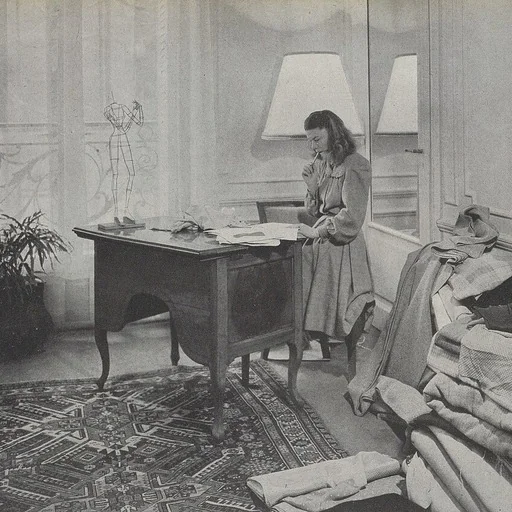
Marie-Louise Carven (31 August 1909 – 8 June 2015), born Carmen de Tommaso, was a French fashion designer who founded the house of Carven in 1945.

Museum
Palais Galliera - Musée de la Mode de la Ville de Paris
Continue through works from the same source collection.
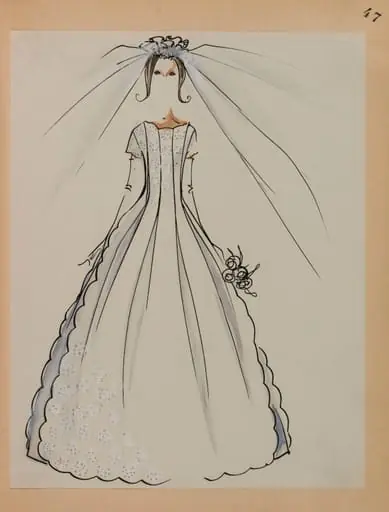 Robe de mariée festonnée et son voile
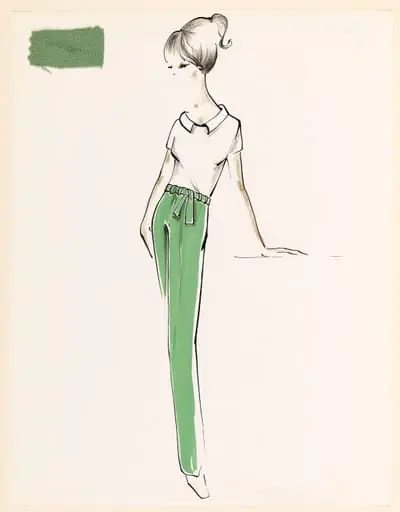 Haut blanc à manches courtes et pantalon vert à ceinture nouée
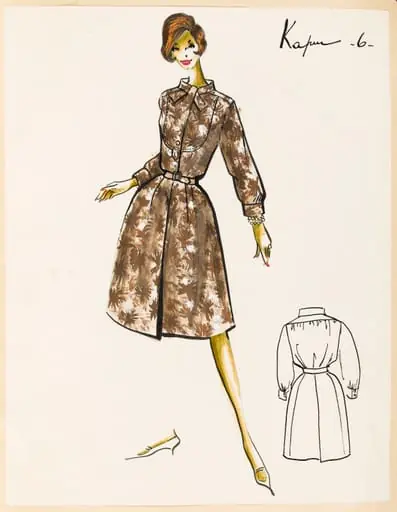 Kapur
Kapur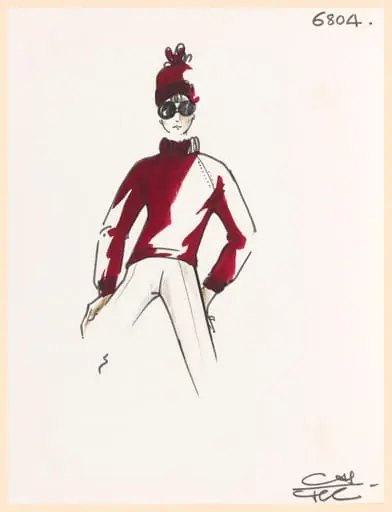 Pull-over à manches longues pourpre, bonnet assorti, pantalon et lunettes de soleil
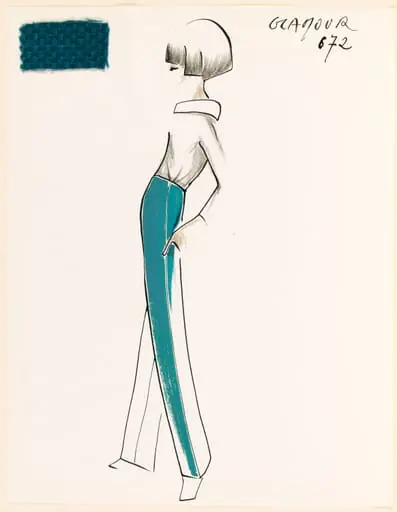 GLAMOUR
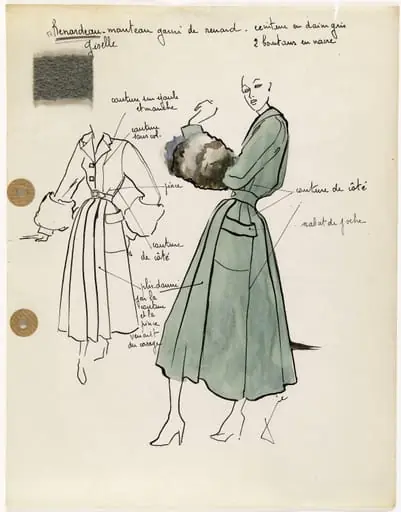 'Renardeau'
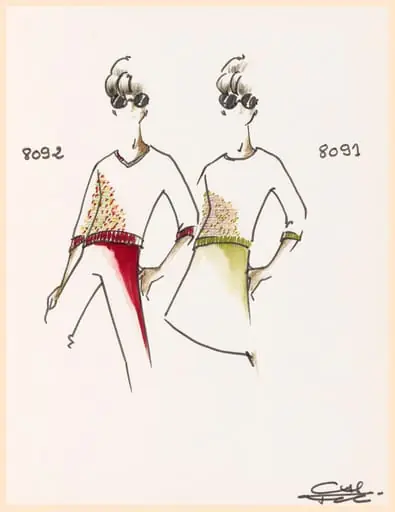 Pull-over à manches trois quarts et à encolure V à motifs multicolores, pantalon cerise et lunettes de soleil
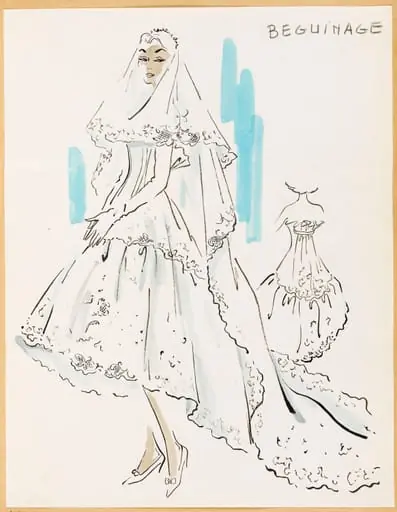 Béguinage