Artwork
Départ
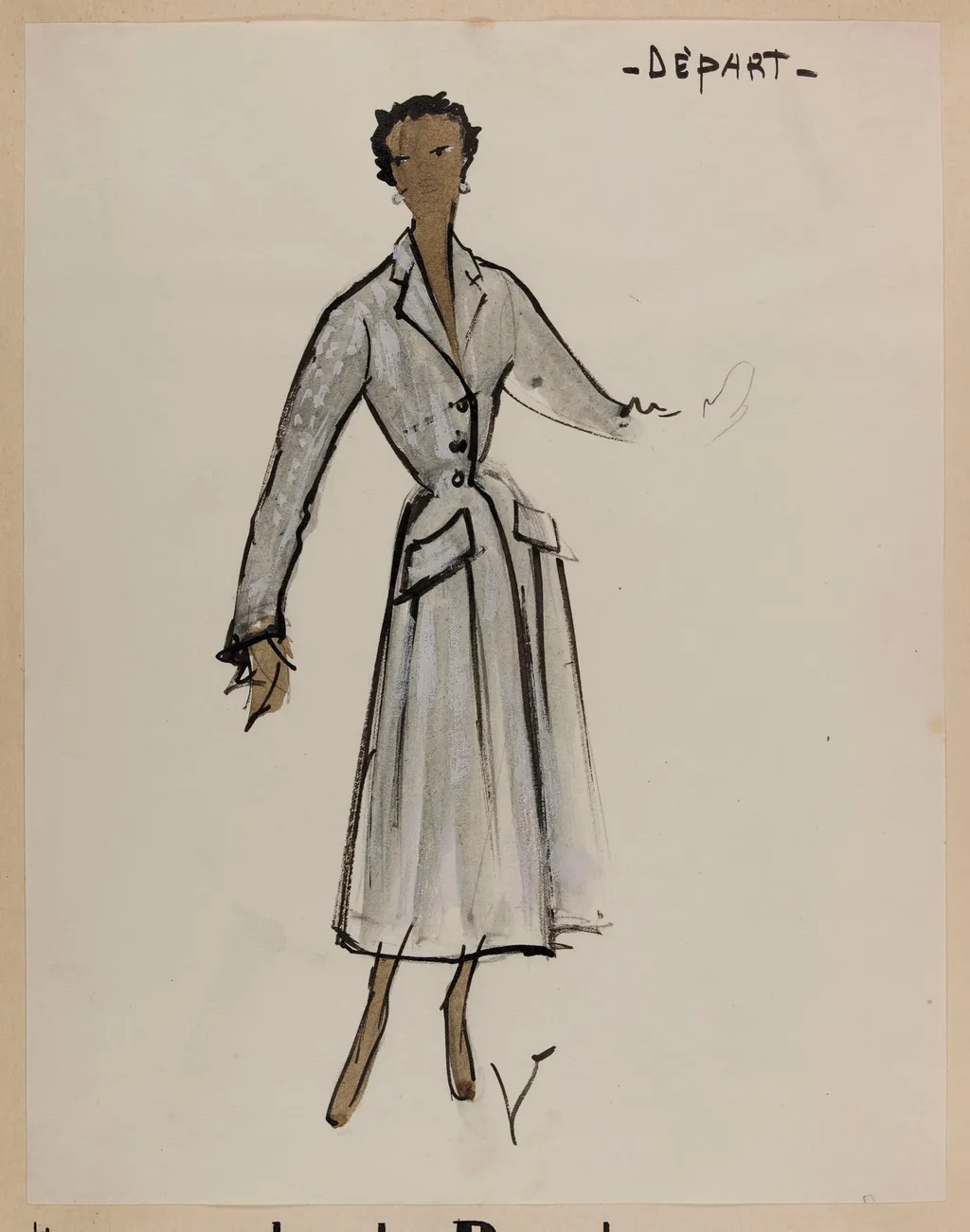
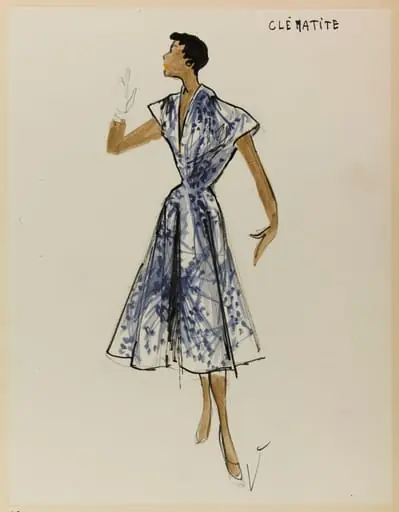
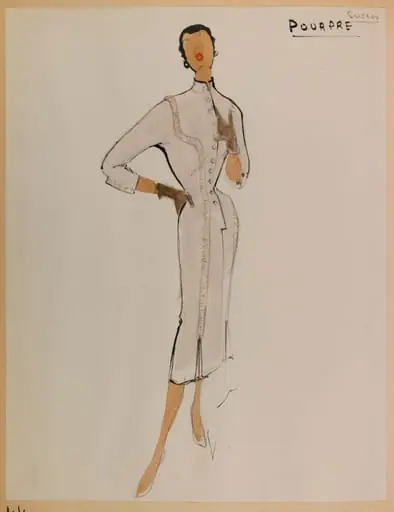
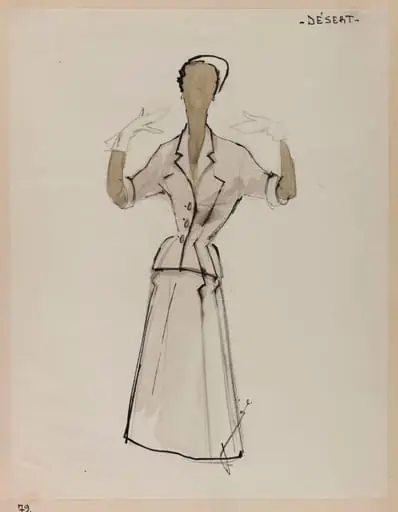
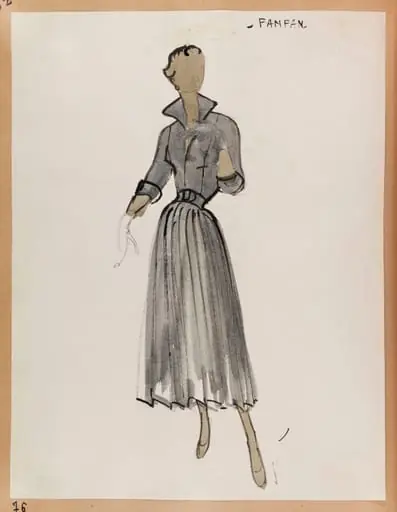
Départ is a drawing by Marie-Louise Carven. It dates from 1952 and is held in the collection of the Palais Galliera - Musée de la Mode de la Ville de Paris.
About this work
Overview
The piece reflects Carven’s interest in practical elegance and was produced during her tenure as founder of the Carven fashion house, established in 1945.
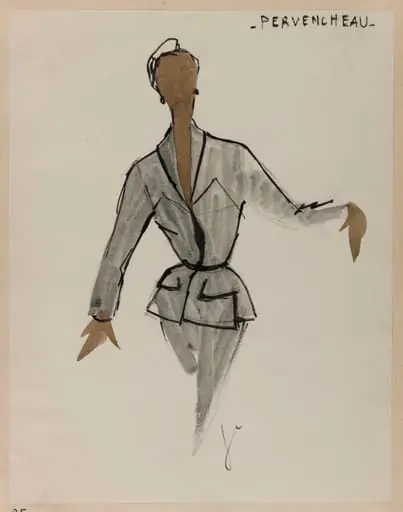
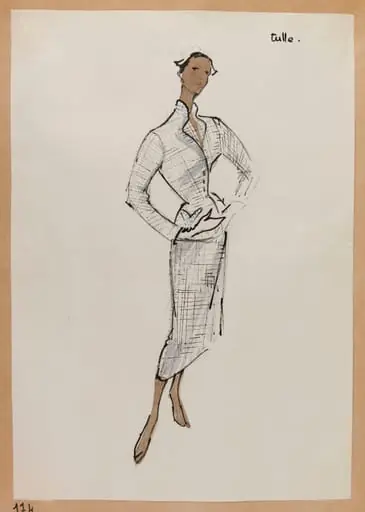
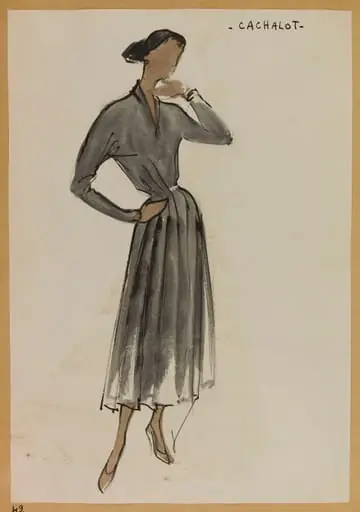
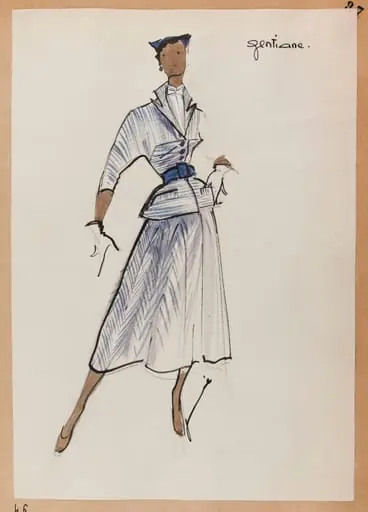
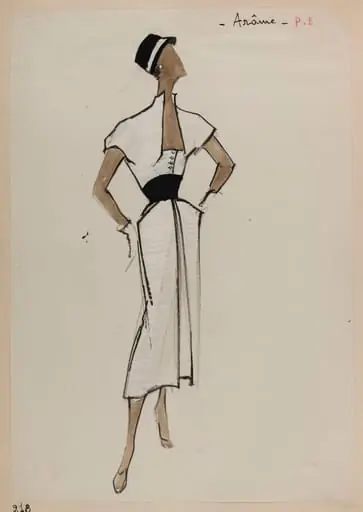
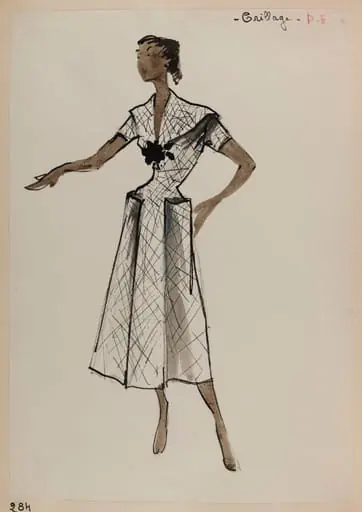
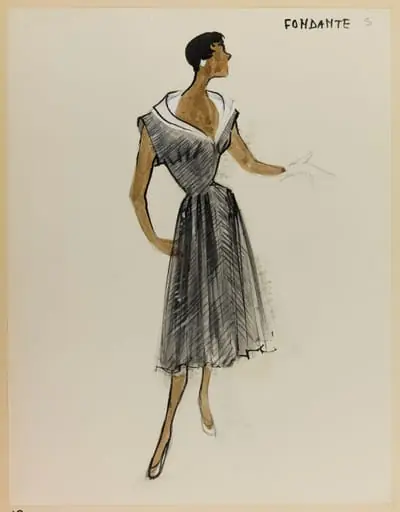
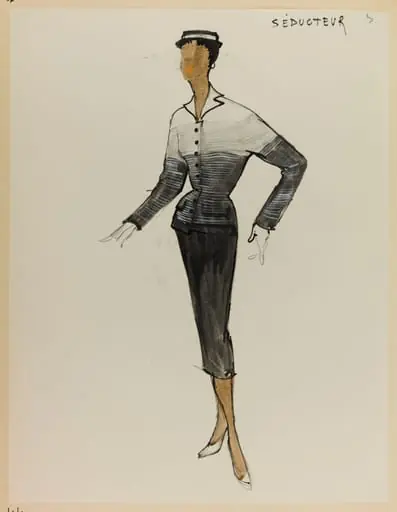
Created in 1952, *Départ* is a pencil and watercolor sketch by French designer Marie-Louise Carven. It depicts a woman in a modest, tailored ensemble suited for travel, rendered in soft grayscale tones with loose, expressive lines. The piece reflects Carven’s interest in practical elegance and was produced during her tenure as founder of the Carven fashion house, established in 1945. The work is part of the Museum of Ethnography’s collection, where it serves as a record of mid-century French design sensibilities.
Subject & Meaning
The figure in *Départ* is a woman poised for departure, dressed in a loose, belted dress with long sleeves and a neat, short hairstyle. Her grip on a small object suggests readiness for journeying—perhaps a ticket, key, or handbag. The title, French for 'departure,' frames the image as a moment of transition. Carven’s portrayal avoids theatricality, instead emphasizing quiet preparedness, aligning with her design philosophy of understated functionality for everyday women.
Technique & Style
Carven employed pencil for delicate linework and subtle watercolor washes to suggest volume and shadow without heavy detail. The sketch’s spontaneity—visible in its fluid strokes and minimal shading—reflects a designer’s quick study rather than a finished illustration. The monochromatic palette and restrained composition prioritize form and movement over ornament, mirroring the clean lines of her ready-to-wear garments and the aesthetic of early 1950s Parisian fashion.
History & Provenance
Marie-Louise Carven founded her eponymous fashion house in 1945 and pioneered one of Paris’s first prêt-à-porter lines, making stylish clothing accessible beyond haute couture clients. *Départ*, created in 1952, likely served as a design reference or mood piece for a seasonal collection. It entered the Museum of Ethnography’s holdings as part of a broader effort to document fashion as cultural artifact, reflecting the growing institutional interest in everyday dress during the postwar period.
Context
In early 1950s France, fashion was shifting toward practicality after wartime austerity. Carven’s designs catered to petite women seeking simplicity and comfort without sacrificing refinement. *Départ* aligns with this trend, embodying a postwar ideal of mobility and quiet sophistication. Unlike the structured silhouettes of other couturiers, her work favored light fabrics and unobtrusive tailoring, resonating with women navigating new social and economic roles.
Legacy
Carven’s emphasis on accessible, well-proportioned clothing helped redefine French fashion beyond elite circles. *Départ* stands as a quiet testament to her influence on ready-to-wear development and the normalization of design for non-idealized body types. Though less celebrated than contemporaries, her approach laid groundwork for later democratization of fashion, with sketches like this offering insight into the quiet innovation behind everyday style.
Artist & collection
Artist
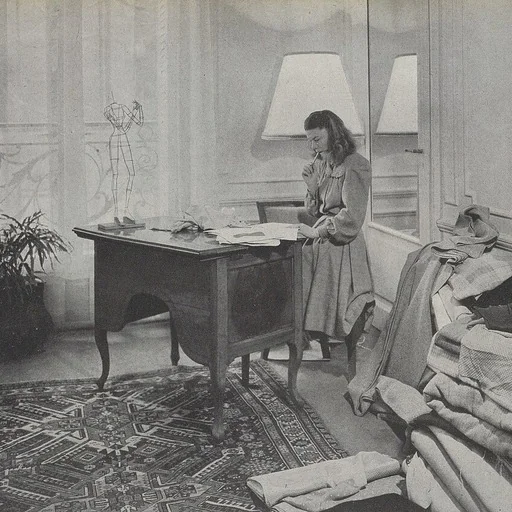
Marie-Louise Carven (31 August 1909 – 8 June 2015), born Carmen de Tommaso, was a French fashion designer who founded the house of Carven in 1945.
Museum
Palais Galliera - Musée de la Mode de la Ville de Paris
Continue through works from the same source collection.
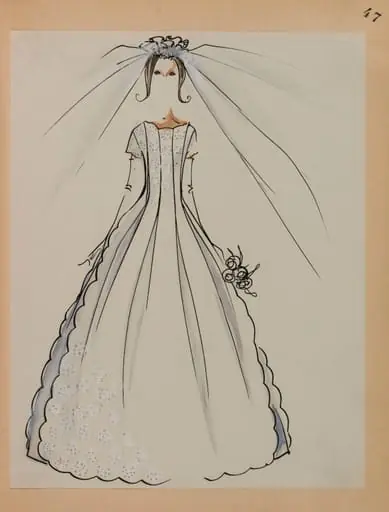 Robe de mariée festonnée et son voile
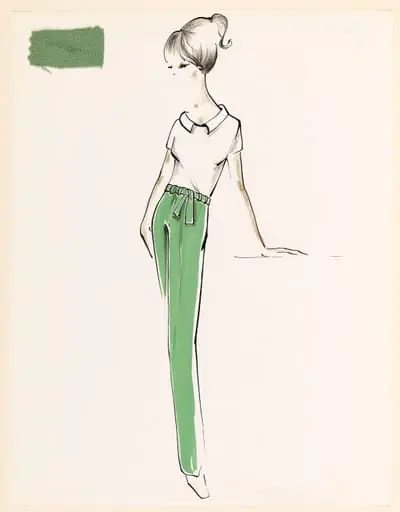 Haut blanc à manches courtes et pantalon vert à ceinture nouée
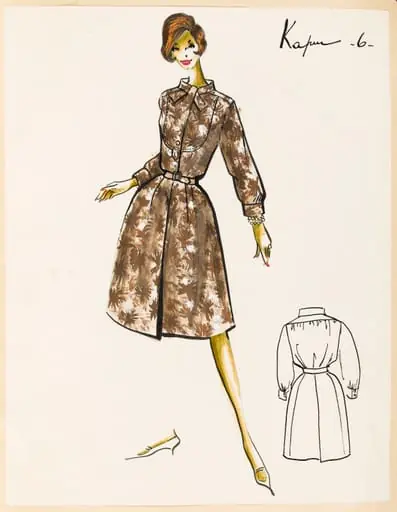 Kapur
Kapur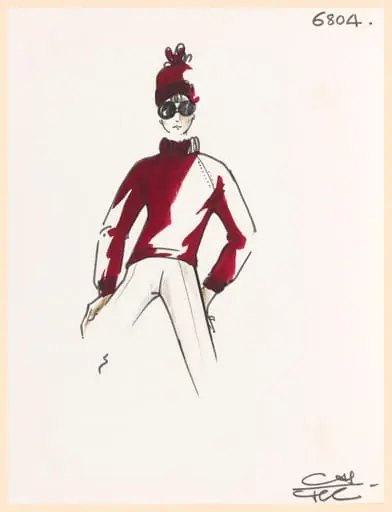 Pull-over à manches longues pourpre, bonnet assorti, pantalon et lunettes de soleil
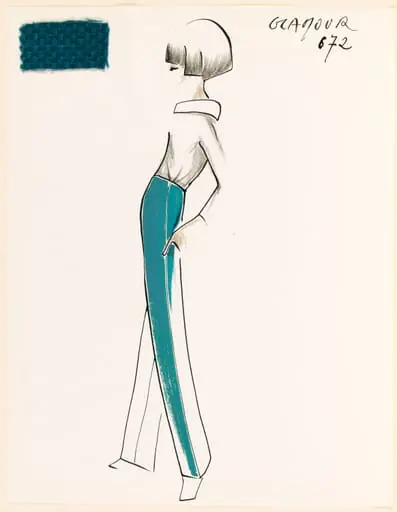 GLAMOUR
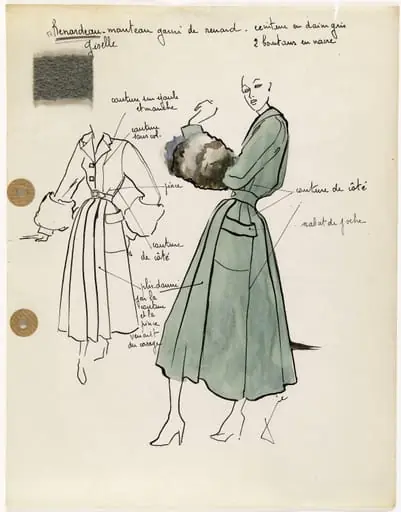 'Renardeau'
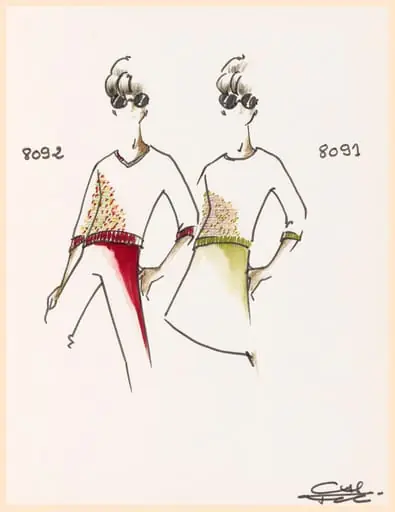 Pull-over à manches trois quarts et à encolure V à motifs multicolores, pantalon cerise et lunettes de soleil
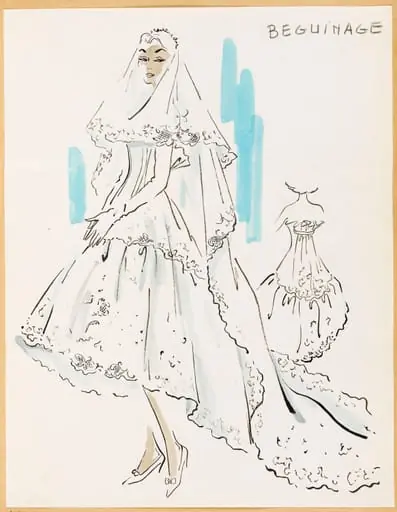 Béguinage