Artwork
'Giboulée'
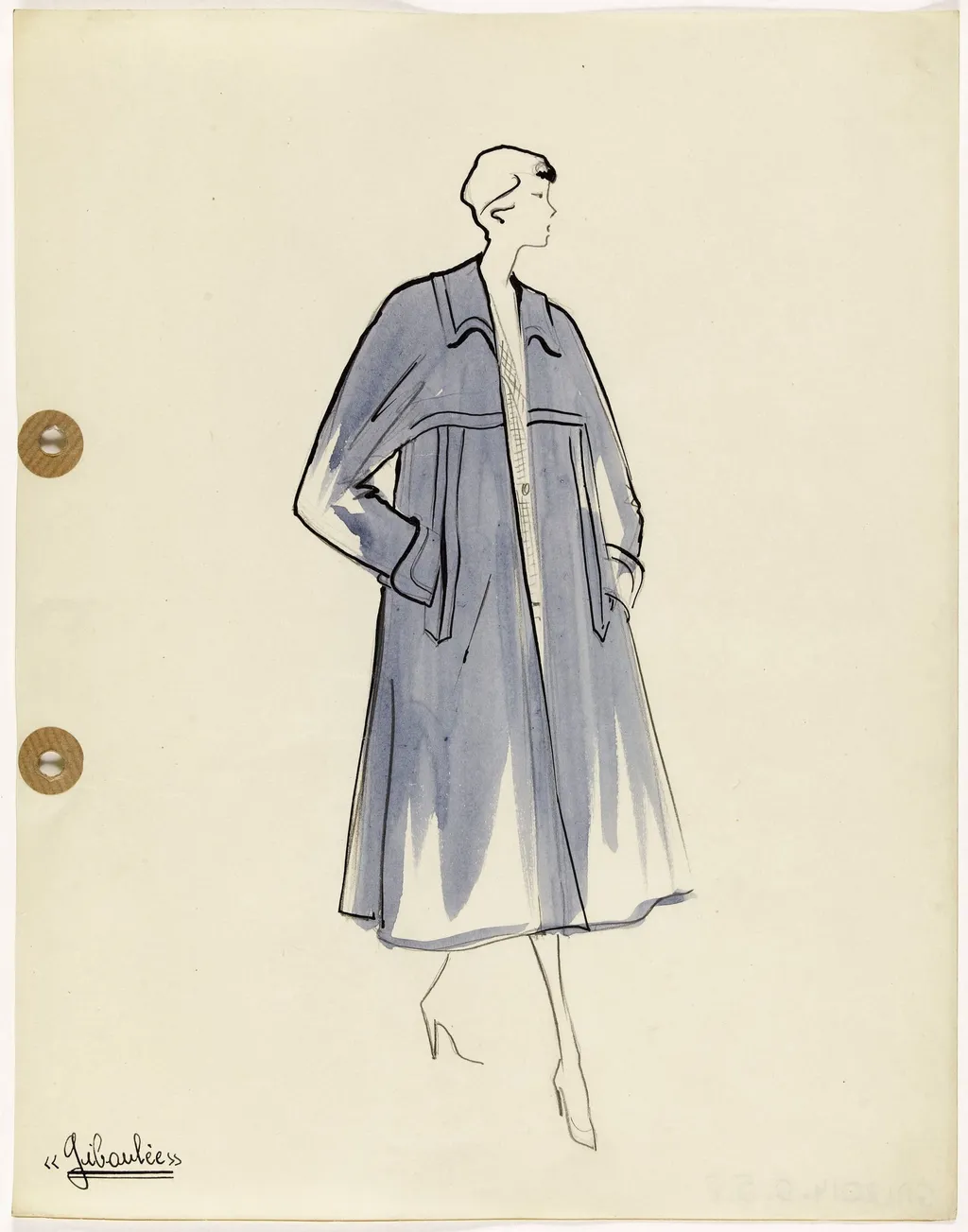
'Giboulée' is a drawing by Marie-Louise Carven. It dates from 1949 and is held in the collection of the Palais Galliera - Musée de la Mode de la Ville de Paris.
About this work
Overview
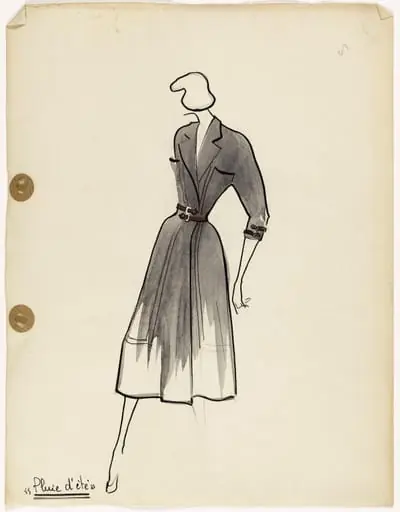
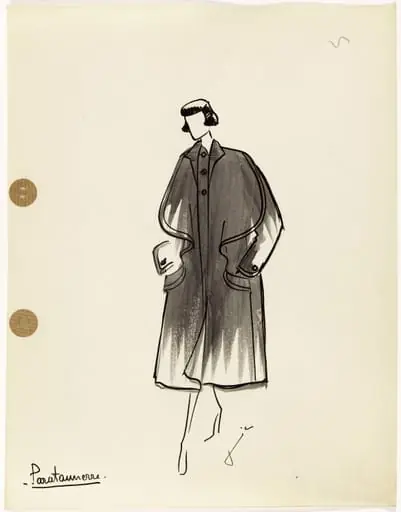
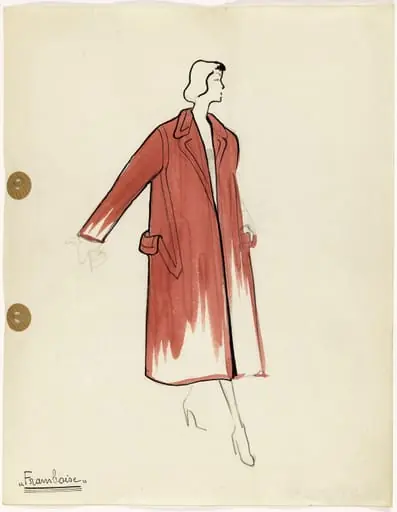
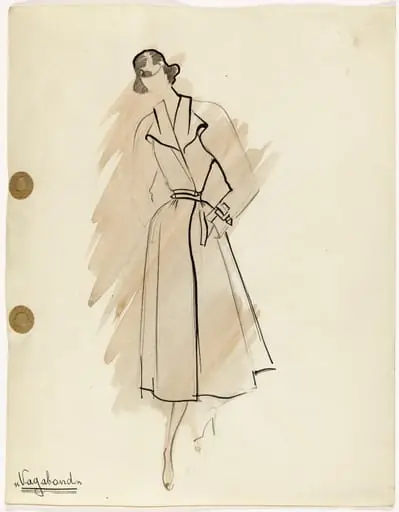
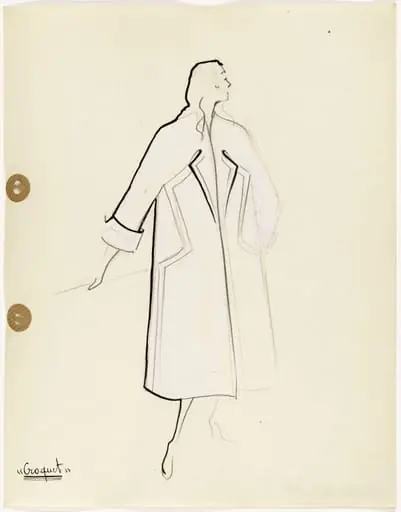
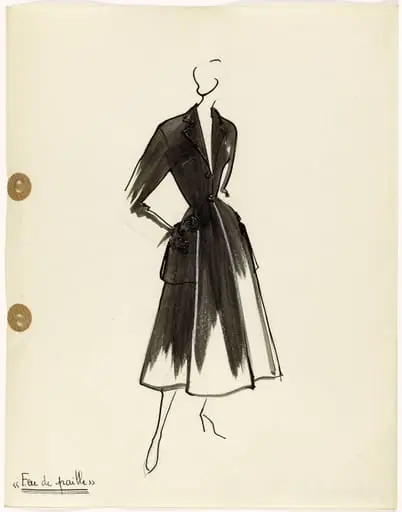
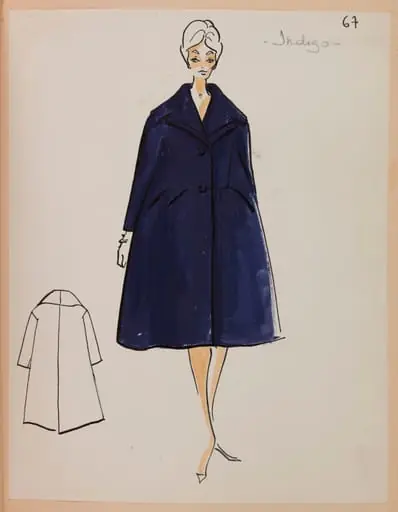
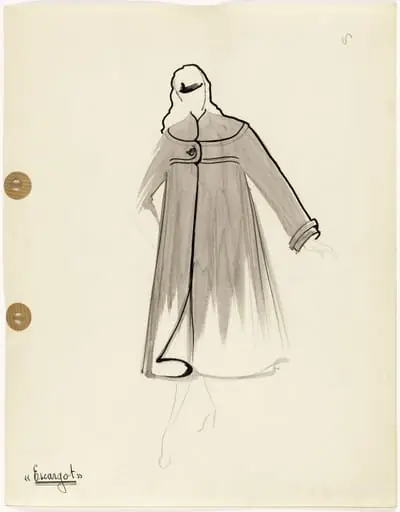
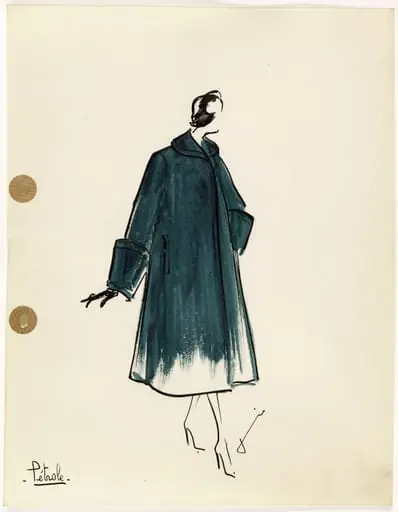
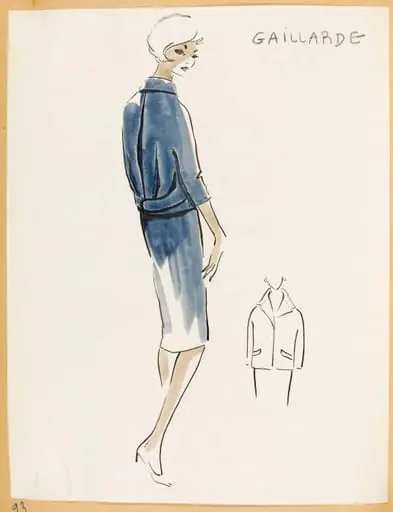
It depicts a woman in profile, dressed in a tailored long coat with a collar and pockets, standing with hands tucked into her pockets.
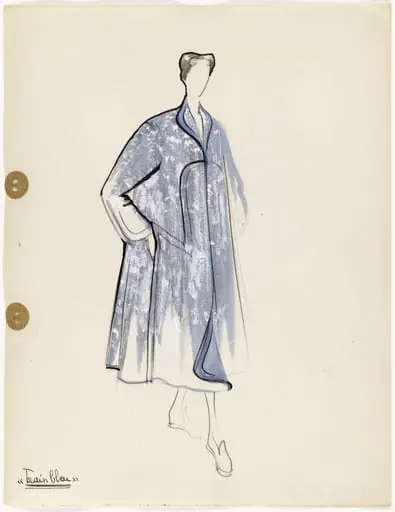
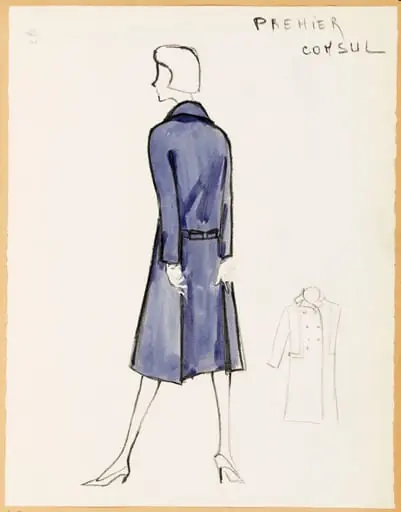
Created in 1949, *Giboulée* is a pencil drawing by French fashion designer Marie-Louise Carven. It depicts a woman in profile, dressed in a tailored long coat with a collar and pockets, standing with hands tucked into her pockets. Rendered in subtle gradations of gray, the image captures a quiet, composed posture. The work reflects Carven’s design sensibility, emphasizing elegance through restraint and precise line work rather than ornamentation.
Subject & Meaning
The figure in *Giboulée* embodies a modern, urban woman of postwar France—self-possessed, understated, and effortlessly stylish. Her short bob and high heels suggest contemporary femininity, while the coat’s clean lines and practical pockets hint at functionality without sacrificing grace. The pose, neither theatrical nor passive, conveys quiet confidence, aligning with Carven’s philosophy of dressing women for real life rather than fantasy.
Technique & Style
Carven employed a minimalist approach, using fine pencil lines and soft tonal shifts to suggest volume and texture without heavy shading. The absence of background or decorative elements focuses attention on the figure’s silhouette and posture. The drawing’s economy of line—clean, deliberate, and uncluttered—mirrors the aesthetic of her fashion designs, where structure and subtlety took precedence over embellishment.
History & Provenance
Carven founded her fashion house in 1945 and was among the first Parisian designers to develop a ready-to-wear line, democratizing access to chic design. *Giboulée* was produced during this period of innovation. The drawing entered the collection of the Museum of Ethnography, likely as part of an effort to document fashion as cultural expression, reflecting mid-century interest in the intersection of clothing and daily life.
Context
In postwar Paris, fashion was redefining identity amid economic recovery and shifting gender roles. Carven’s designs catered to petite women seeking practical yet refined clothing, a niche largely overlooked by larger couture houses. *Giboulée* reflects this focus—not as a runway sketch, but as a quiet study of how clothing shapes presence, aligning with broader cultural movements toward simplicity and individuality in dress.
Legacy
Though primarily known for clothing, Carven’s drawings like *Giboulée* reveal her deep engagement with form and silhouette beyond fabric. The work stands as a testament to her belief that fashion’s essence lies in proportion and poise. Today, it contributes to scholarly understanding of how mid-century designers documented their vision, bridging the gap between haute couture and the everyday woman.
Artist & collection
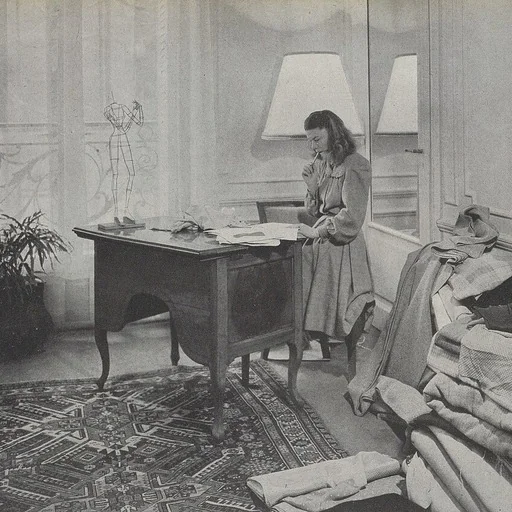
Artist
Marie-Louise Carven (31 August 1909 – 8 June 2015), born Carmen de Tommaso, was a French fashion designer who founded the house of Carven in 1945.
Museum
Palais Galliera - Musée de la Mode de la Ville de Paris
Continue through works from the same source collection.
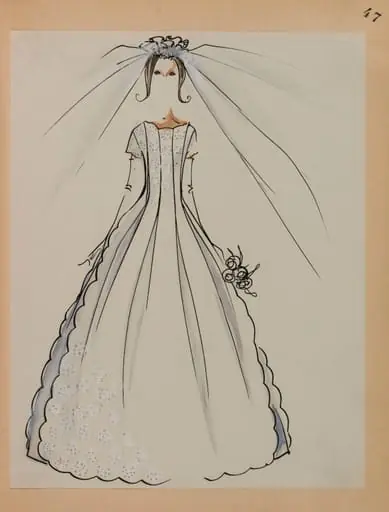 Robe de mariée festonnée et son voile
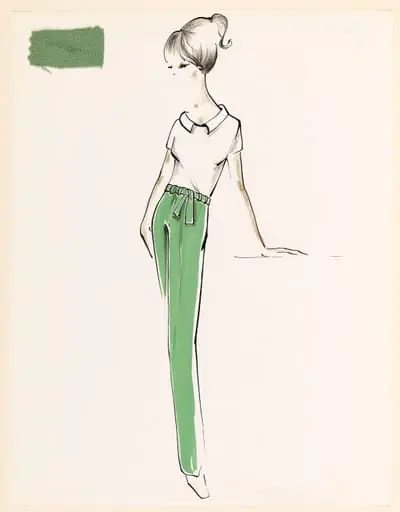 Haut blanc à manches courtes et pantalon vert à ceinture nouée
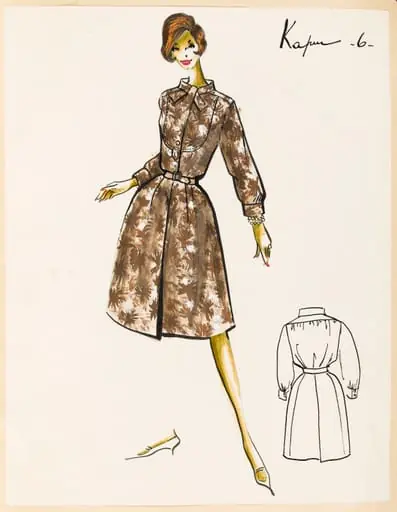 Kapur
Kapur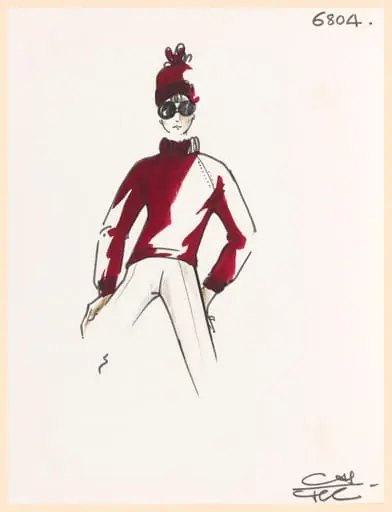 Pull-over à manches longues pourpre, bonnet assorti, pantalon et lunettes de soleil
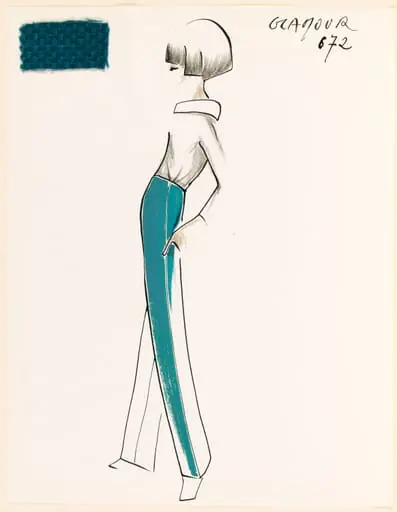 GLAMOUR
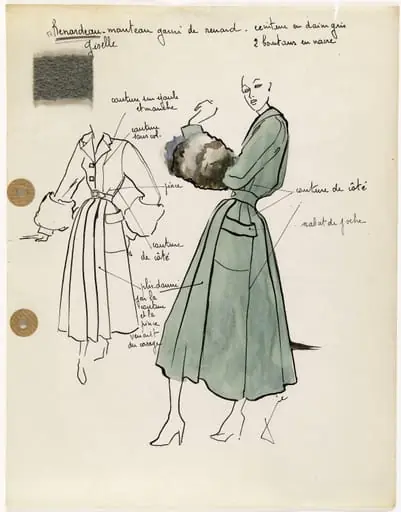 'Renardeau'
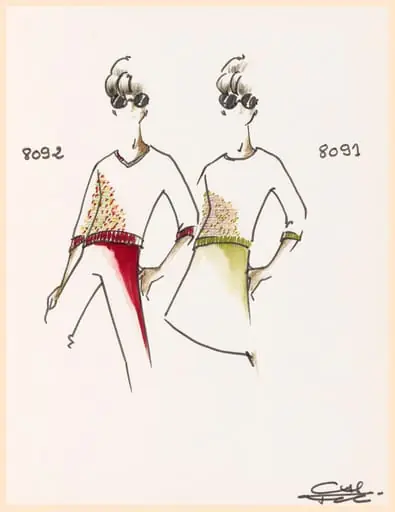 Pull-over à manches trois quarts et à encolure V à motifs multicolores, pantalon cerise et lunettes de soleil
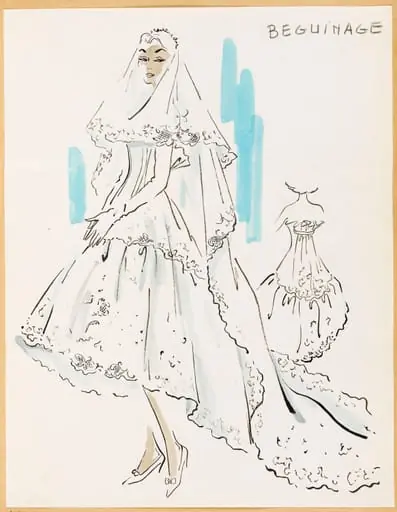 Béguinage