Artwork
'Vagabond'
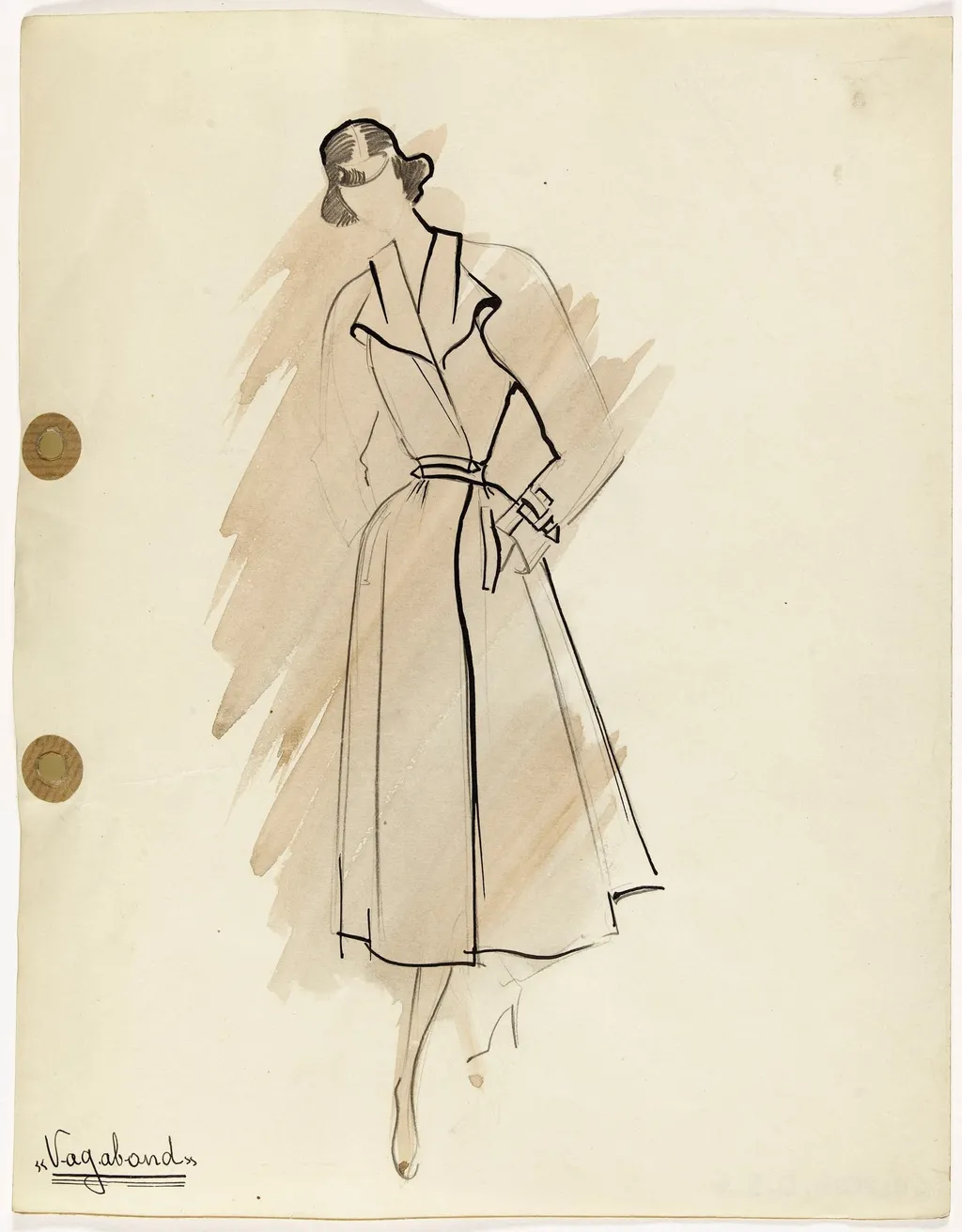
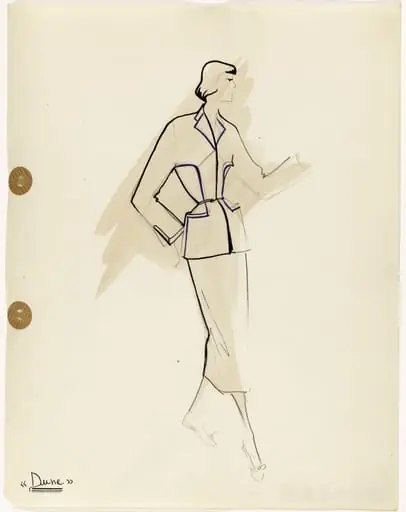
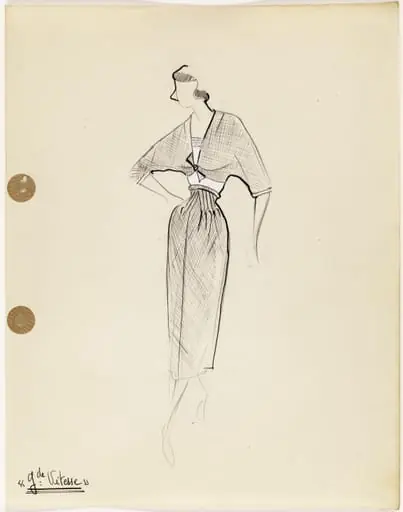
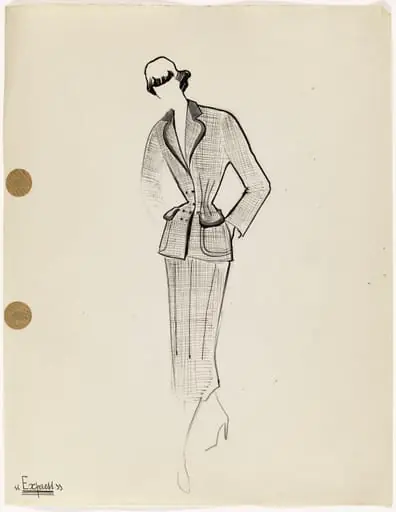
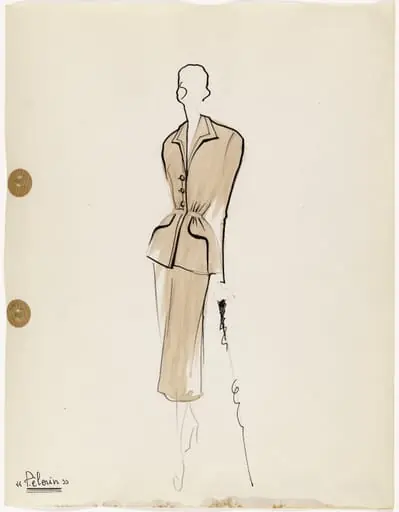
'Vagabond' is a drawing by Marie-Louise Carven. It dates from 1949 and is held in the collection of the Palais Galliera - Musée de la Mode de la Ville de Paris.
About this work
Overview
Marie-Louise Carven, born Carmen de Tommaso in 1909, was a French fashion designer who founded her eponymous house in 1945.
Marie-Louise Carven, born Carmen de Tommaso in 1909, was a French fashion designer who founded her eponymous house in 1945. Though primarily known for clothing, she also produced drawings, including the 1949 work titled *Vagabond*. This piece resides in the Museum of Ethnography, reflecting her broader engagement with visual expression beyond fashion. The drawing captures a solitary female figure with quiet dignity, aligning with her aesthetic of refined simplicity.
Subject & Meaning
The figure in *Vagabond* is a solitary woman, dressed in a tailored long-sleeved gown with a waist belt and a low bun hairstyle. She holds a slender object—possibly a cane or sword—in her left hand while her right rests in her pocket. Her stance suggests autonomy and composure, evoking themes of independence and quiet resilience. The title implies a nomadic spirit, yet her poised demeanor resists stereotypical depictions of vagrancy, instead presenting a figure of self-possession.
Technique & Style
Carven rendered *Vagabond* with restrained linework and minimal shading, emphasizing clarity over detail. The drawing’s elegance stems from its simplicity: clean contours define the figure’s form, and the absence of background focuses attention on posture and attire. The use of fine, deliberate strokes conveys both precision and grace, echoing the same understated refinement found in her fashion designs. No color is used, reinforcing the work’s monochromatic, timeless quality.
History & Provenance
Created in 1949, *Vagabond* entered the collection of the Museum of Ethnography shortly after its completion. Its inclusion in an ethnographic context, rather than a fine arts or fashion archive, suggests an interest in the figure as a cultural archetype. The drawing’s provenance remains tied to Carven’s personal oeuvre; no public records indicate prior ownership or exhibition beyond its acquisition by the museum.
Context
In postwar Paris, Carven’s work intersected with shifting ideas about femininity and mobility. While her fashion line catered to petite women with light fabrics and playful patterns, *Vagabond* reflects a more introspective side of her vision. The drawing resonates with broader cultural narratives of female autonomy emerging in the late 1940s, offering a visual counterpoint to the era’s domestic ideals through its solitary, self-reliant subject.
Legacy
Though Carven is primarily remembered for her contributions to ready-to-wear fashion, *Vagabond* endures as a rare example of her graphic work. It reveals an underappreciated dimension of her creativity—one that extends beyond textiles into the realm of visual storytelling. The drawing continues to be studied for its subtle synthesis of fashion sensibility and symbolic representation, offering insight into the artist’s broader cultural observations.
Artist & collection
Artist
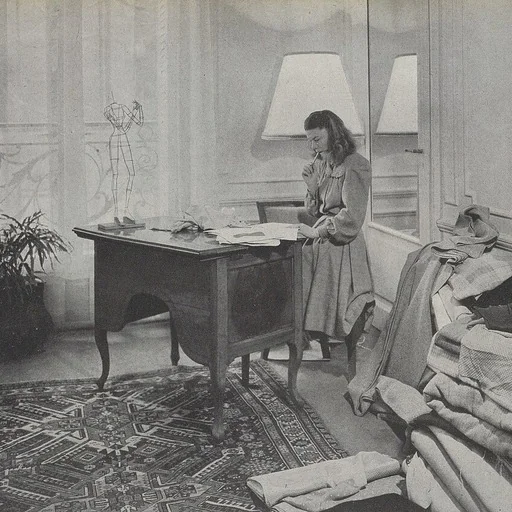
Marie-Louise Carven (31 August 1909 – 8 June 2015), born Carmen de Tommaso, was a French fashion designer who founded the house of Carven in 1945.
Museum
Palais Galliera - Musée de la Mode de la Ville de Paris
Continue through works from the same source collection.
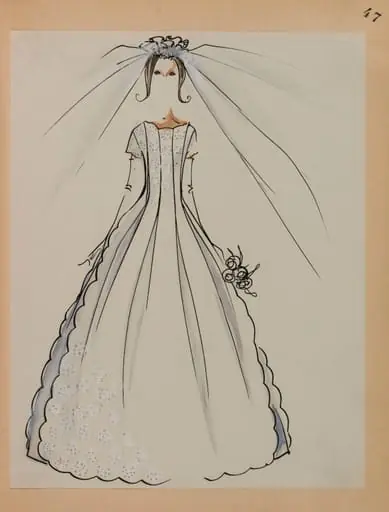 Robe de mariée festonnée et son voile
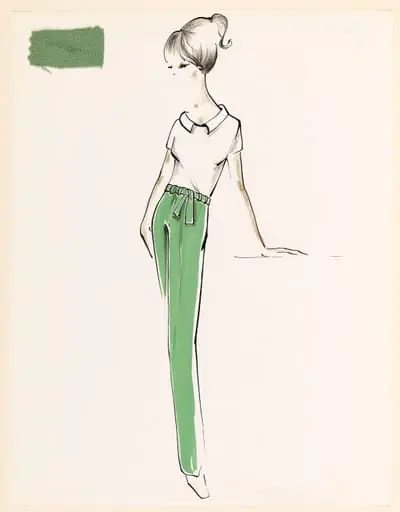 Haut blanc à manches courtes et pantalon vert à ceinture nouée
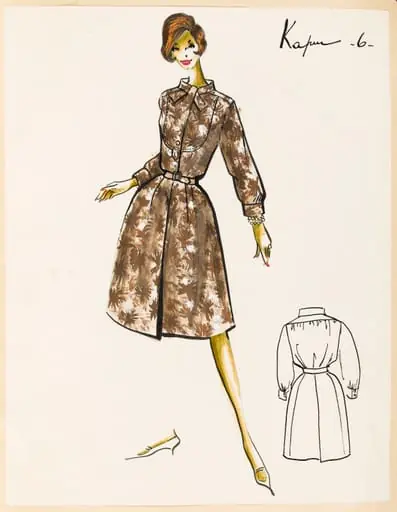 Kapur
Kapur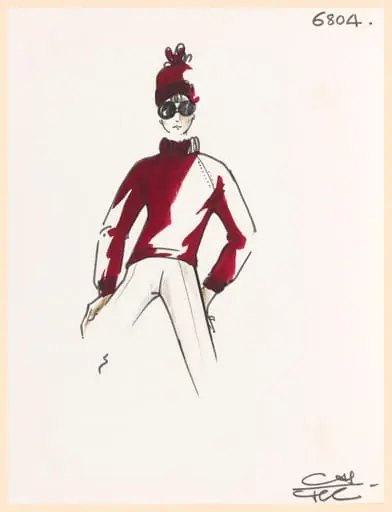 Pull-over à manches longues pourpre, bonnet assorti, pantalon et lunettes de soleil
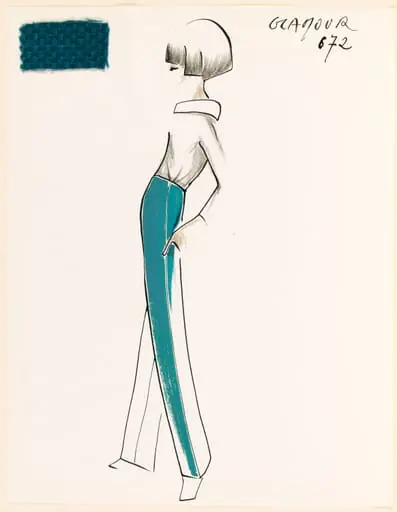 GLAMOUR
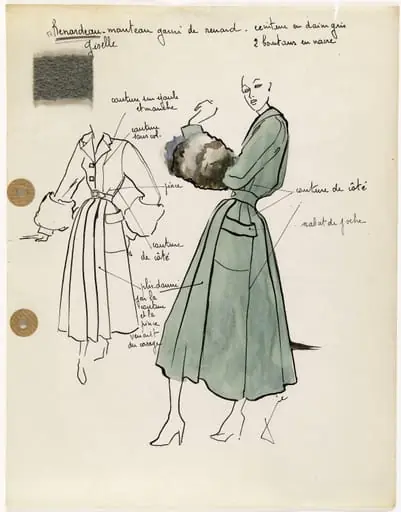 'Renardeau'
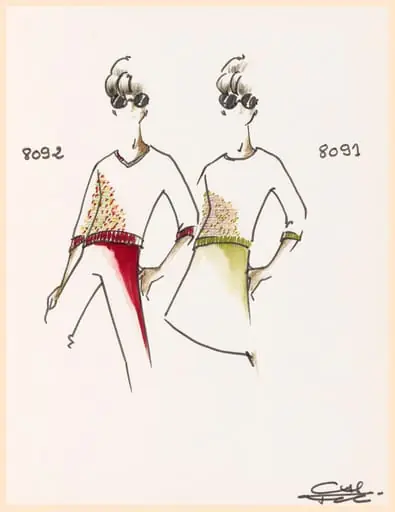 Pull-over à manches trois quarts et à encolure V à motifs multicolores, pantalon cerise et lunettes de soleil
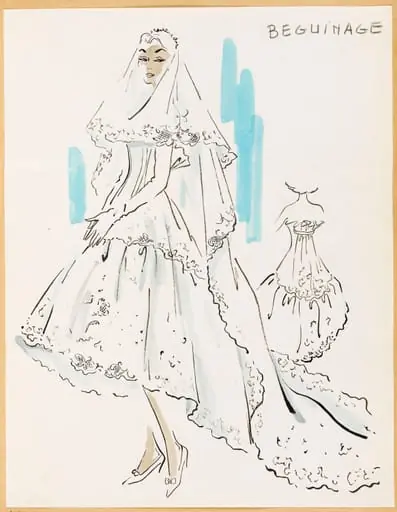 Béguinage