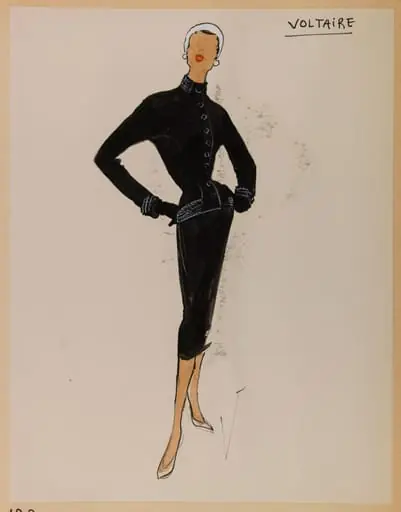
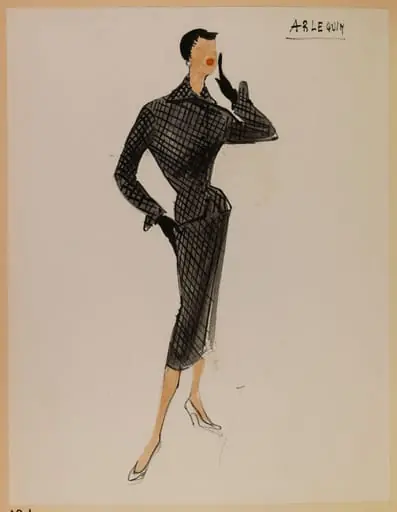
Artwork
Li-Yu
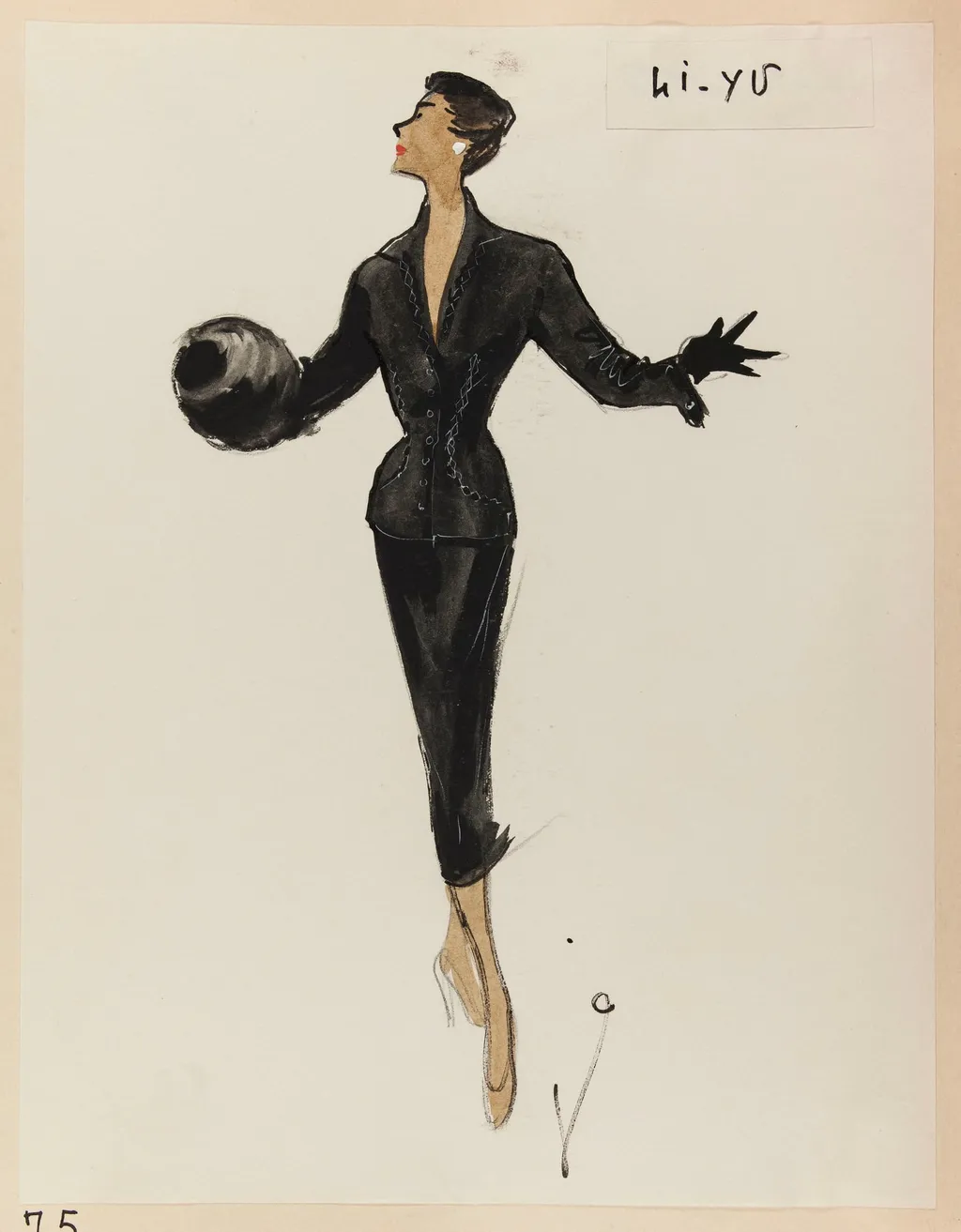
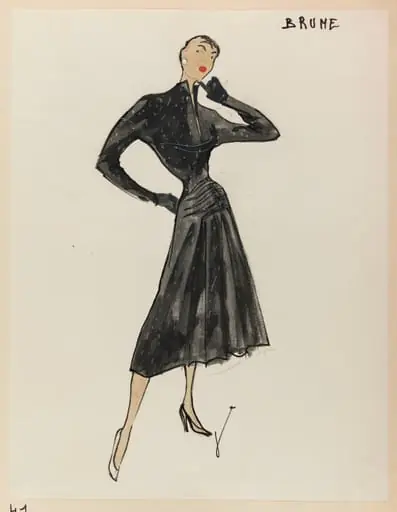
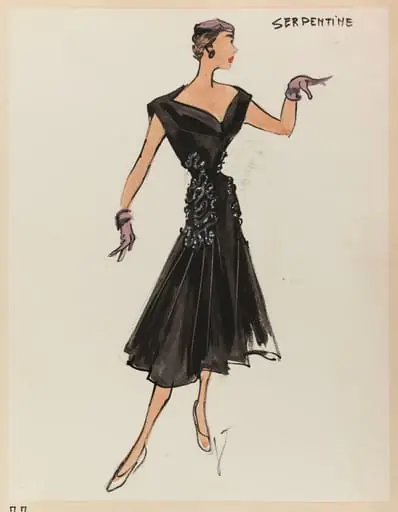
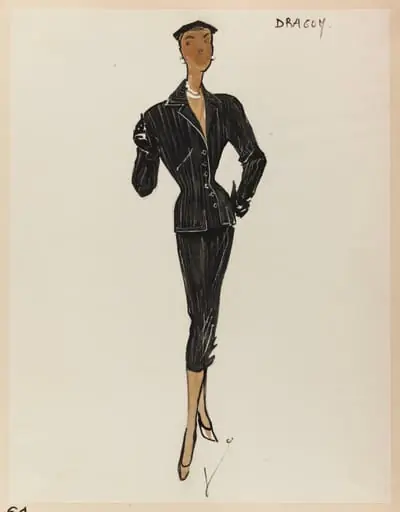
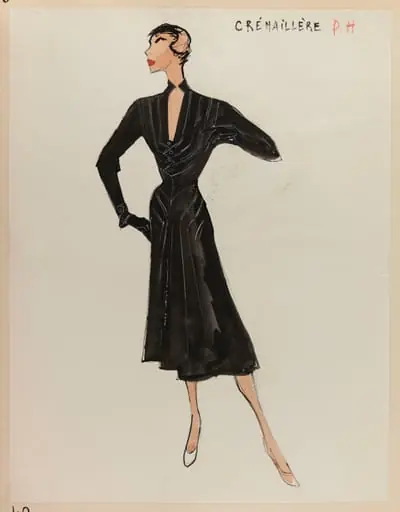
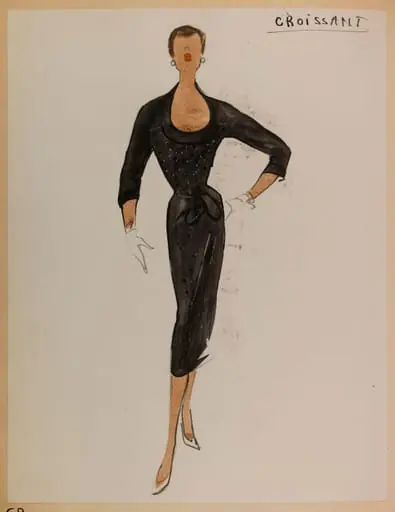
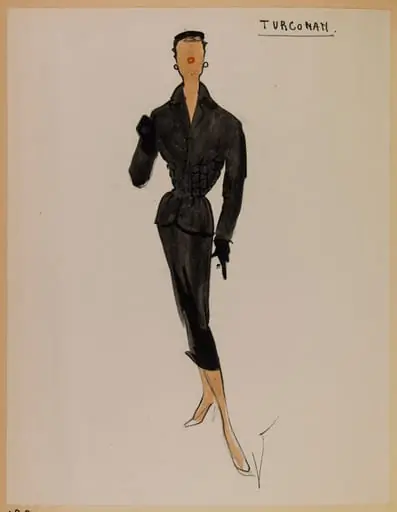
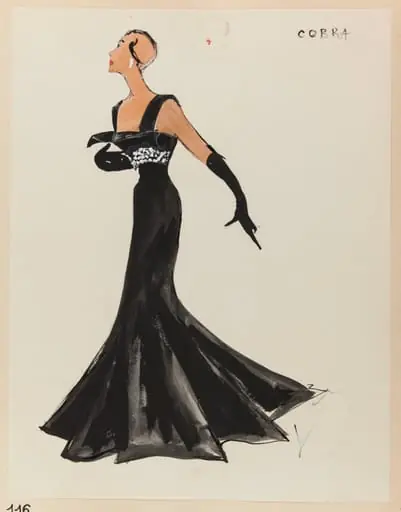
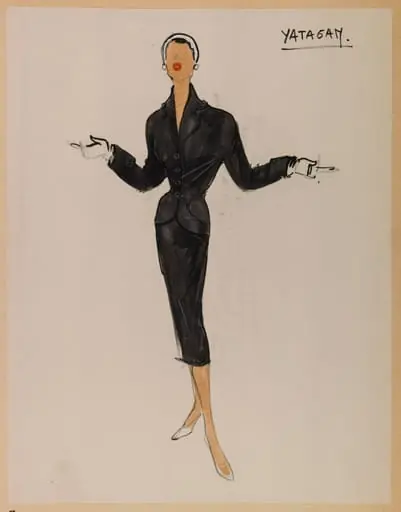
Li-Yu is a drawing by Marie-Louise Carven. It dates from 1952 and is held in the collection of the Palais Galliera - Musée de la Mode de la Ville de Paris. Created circa 1952 by French designer Marie‑Louise Carven, *Li‑Yu* is a fashion sketch rendered as an image.
About this work
Overview
Created circa 1952 by French designer Marie‑Louise Carven, *Li‑Yu* is a fashion sketch rendered as an image. The work resides in the Museum of Ethnography’s collection and exemplifies Carven’s early post‑war output, when she was expanding her eponymous house beyond haute couture into ready‑to‑wear.
Subject & Meaning
The drawing depicts a woman dressed in a streamlined black ensemble. She holds a dark hat in one hand, extends the other arm, and wears a subtle smile, short pulled‑back hair, and modest earrings. The pose conveys confidence and modern femininity, reflecting Carven’s focus on sleek, wearable silhouettes for the contemporary woman.
Technique & Style
Executed with rapid, confident strokes, the sketch relies on bold contour lines to define the figure’s shape and movement. Minimal shading suggests volume without detailed texture, resulting in a clean, modern aesthetic that emphasizes form over ornamentation.
History & Provenance
Marie‑Louise Carven founded her fashion house in 1945 and was among the first couturiers to launch a prêt‑à‑porter line. *Li‑Yu* was produced during this innovative period and later entered the Museum of Ethnography’s holdings, where it remains accessible for study.
Context
The early 1950s marked a shift in French fashion toward more accessible, ready‑to‑wear clothing. Carven’s designs, noted for lightweight fabrics and suitability for petite figures, responded to changing consumer demands and helped democratize high‑fashion aesthetics.
Artist & collection
Artist
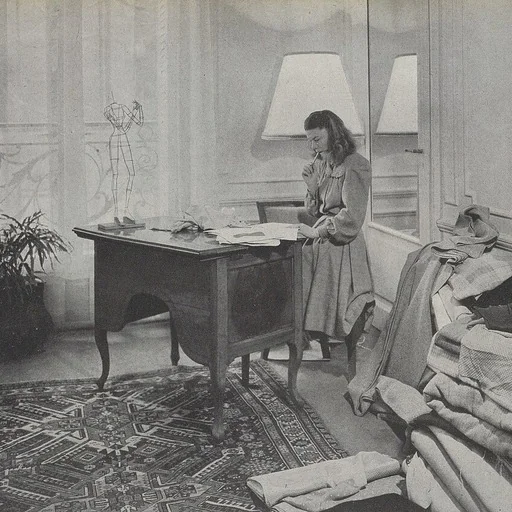
Marie-Louise Carven (31 August 1909 – 8 June 2015), born Carmen de Tommaso, was a French fashion designer who founded the house of Carven in 1945.
Museum
Palais Galliera - Musée de la Mode de la Ville de Paris
Continue through works from the same source collection.
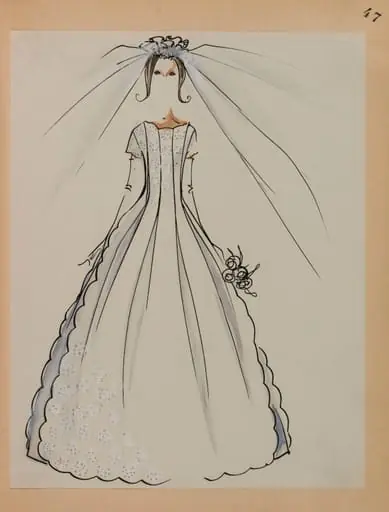 Robe de mariée festonnée et son voile
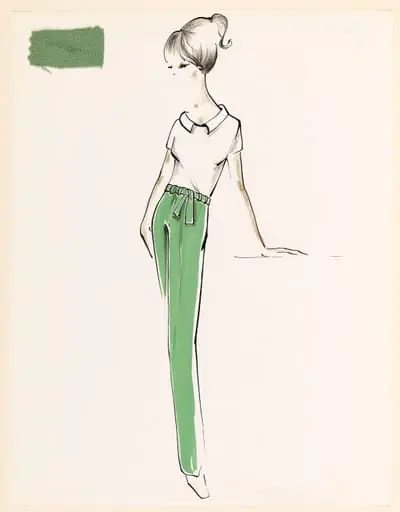 Haut blanc à manches courtes et pantalon vert à ceinture nouée
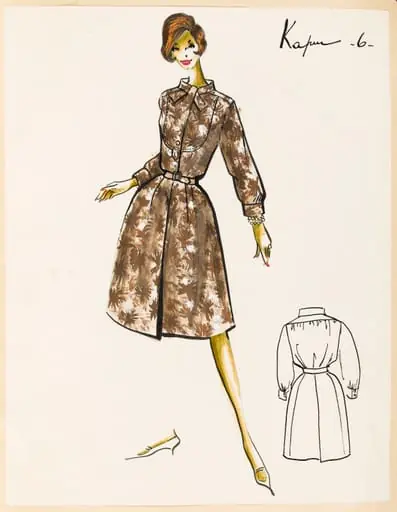 Kapur
Kapur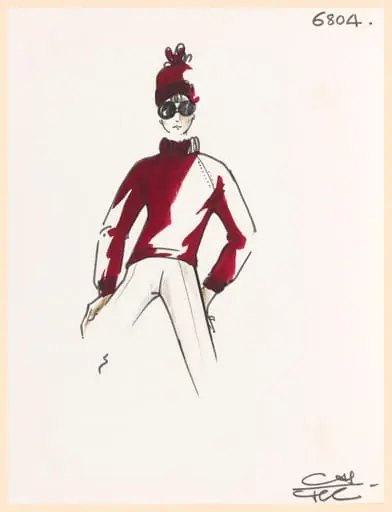 Pull-over à manches longues pourpre, bonnet assorti, pantalon et lunettes de soleil
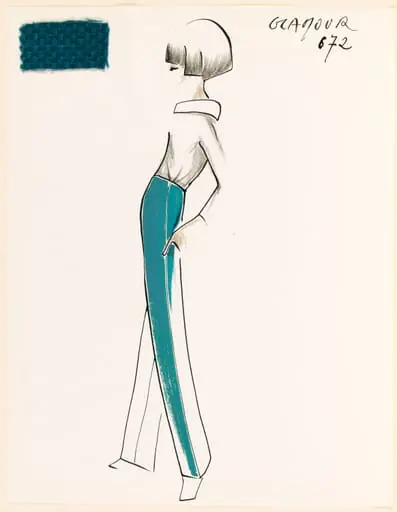 GLAMOUR
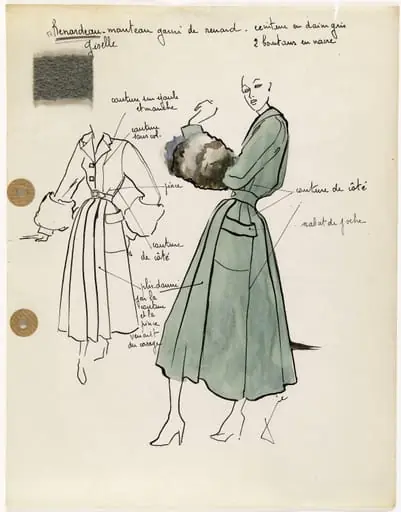 'Renardeau'
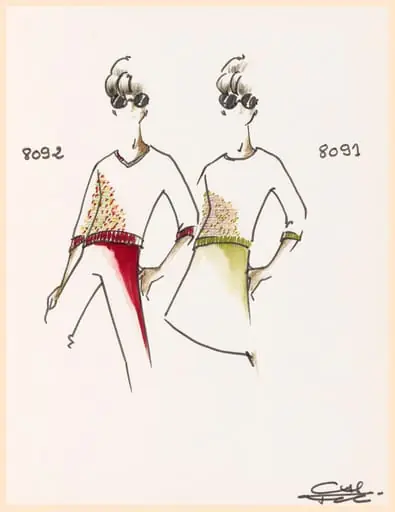 Pull-over à manches trois quarts et à encolure V à motifs multicolores, pantalon cerise et lunettes de soleil
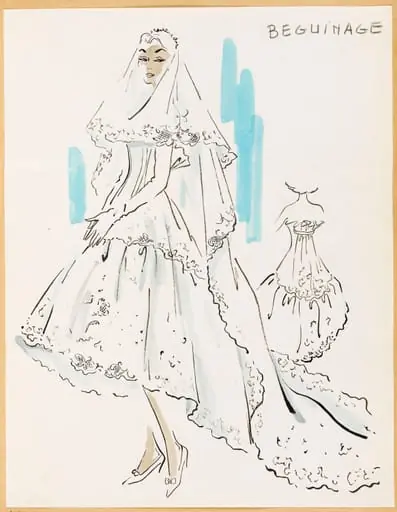 Béguinage