Artwork
Maïs
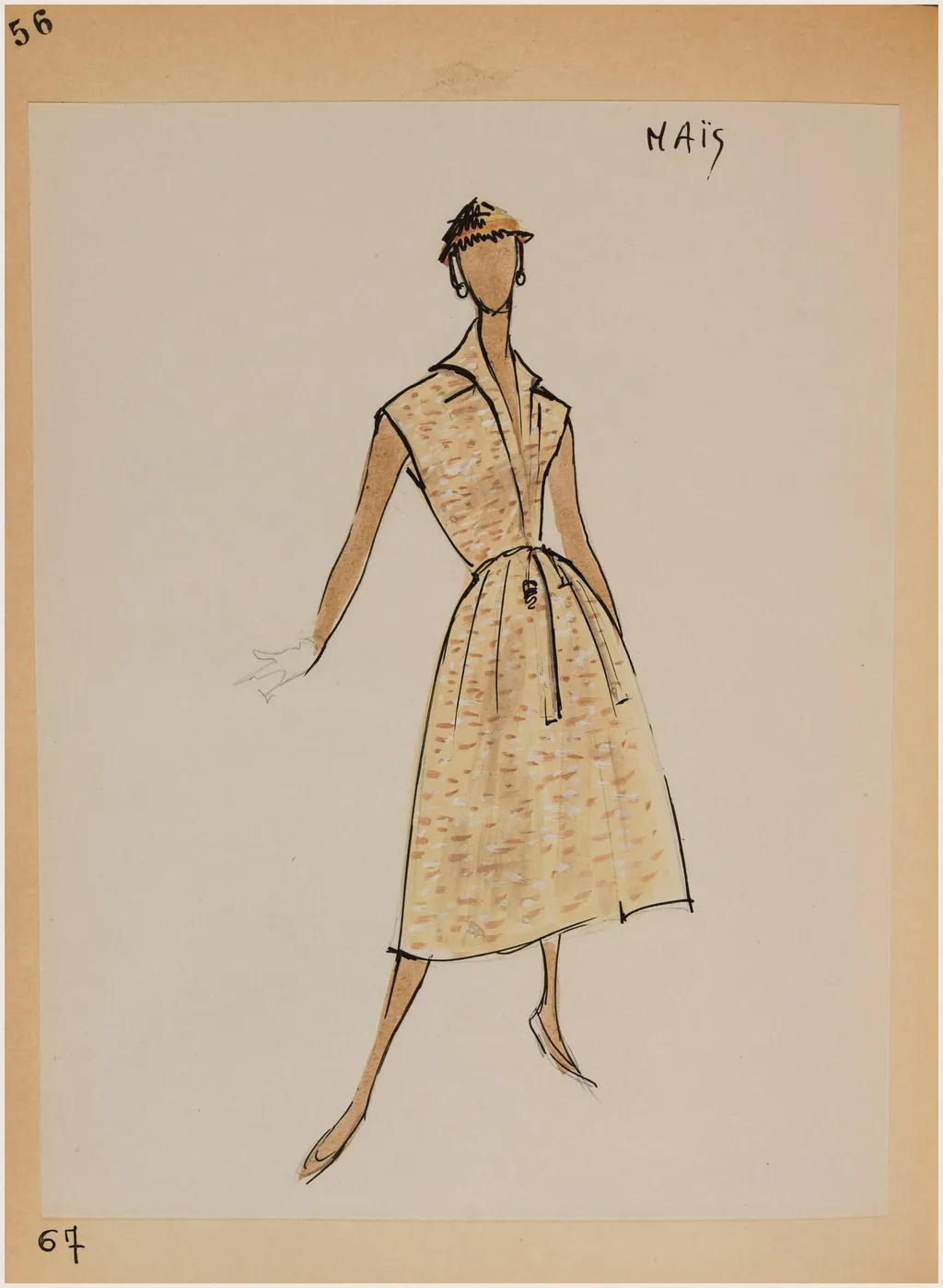
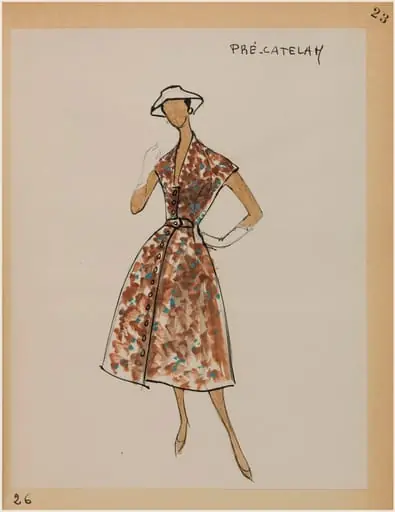
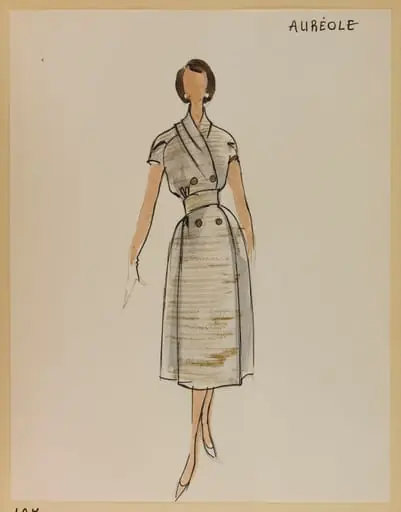
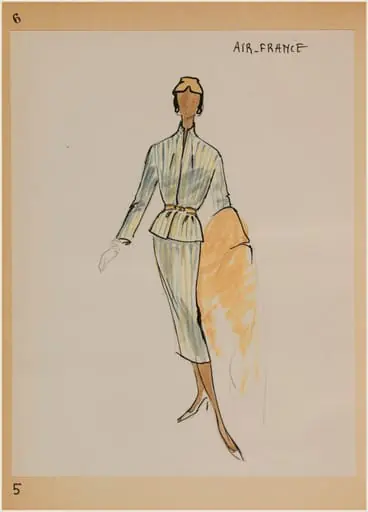
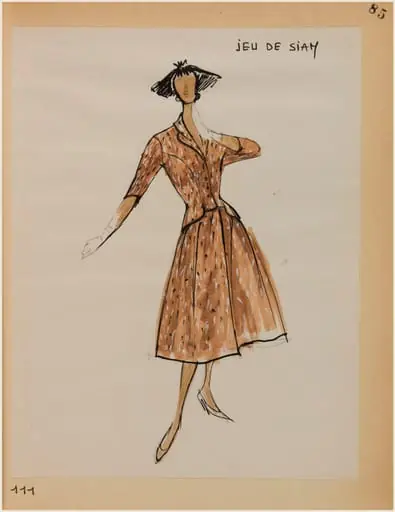
Maïs is a drawing by Marie-Louise Carven. It dates from 1956 and is held in the collection of the Palais Galliera - Musée de la Mode de la Ville de Paris.
About this work
Overview
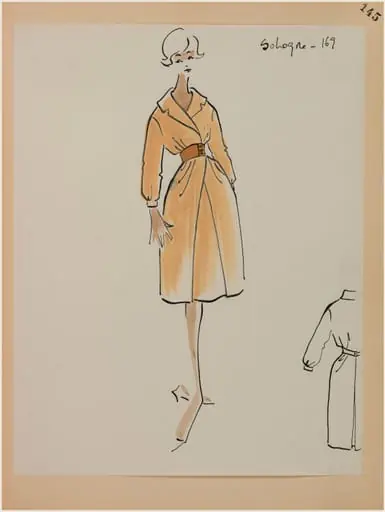
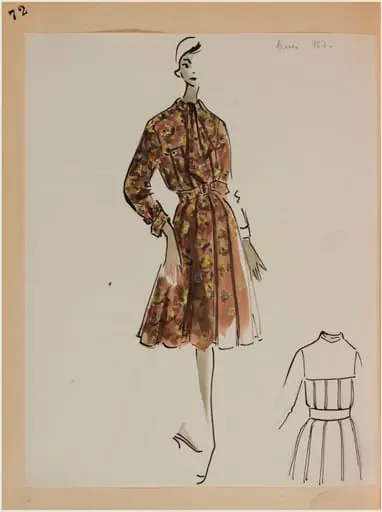
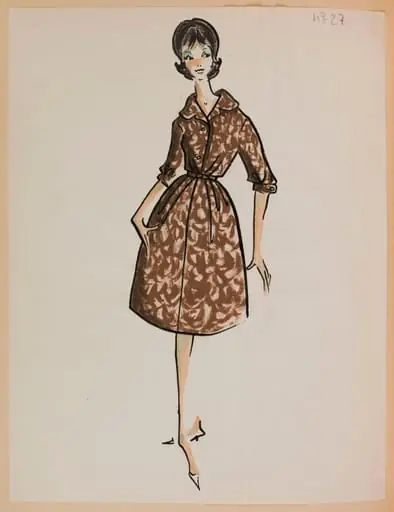
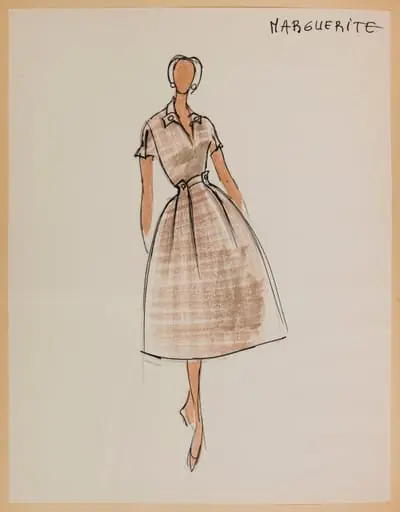
Created in 1956 by French designer Marie-Louise Carven, *Maïs* is a pencil sketch depicting a woman in a lightweight, waist-tied dress.
Created in 1956 by French designer Marie-Louise Carven, *Maïs* is a pencil sketch depicting a woman in a lightweight, waist-tied dress. The drawing reflects Carven’s focus on wearable, feminine silhouettes suited to smaller frames. Though rendered with loose, fluid lines, the composition remains precise, capturing movement and proportion without elaborate detail. It is part of the Museum of Ethnography’s collection, where it serves as a record of mid-century French fashion design.
Subject & Meaning
The figure in *Maïs* wears a simple, flowing dress with a subtle pattern and a bow at the waist, accompanied by a hat and relaxed arms. The pose suggests ease and everyday grace, aligning with Carven’s philosophy of clothing that complements natural motion. The title, meaning 'corn' in French, may reference the dress’s warm, golden hue or evoke a sense of rural simplicity, contrasting with the urban sophistication of Parisian couture.
Technique & Style
Carven rendered *Maïs* with economical, confident pencil strokes that prioritize gesture over finish. The lines are light yet deliberate, defining form without heavy shading or detail. This sketch-like approach reflects her design process—quickly capturing ideas before they were translated into fabric. The absence of background or context focuses attention on the garment’s structure and the figure’s posture, emphasizing functionality and elegance.
History & Provenance
Marie-Louise Carven founded her fashion house in 1945 and was among the first Parisian designers to launch a prêt-à-porter line, making fashion more accessible. *Maïs*, created in 1956, likely originated as a design study for a seasonal collection. It entered the Museum of Ethnography’s holdings as part of a broader effort to document fashion as cultural artifact, rather than merely high art or luxury commodity.
Context
In postwar France, fashion was shifting toward practicality and democratization. Carven’s designs responded to women’s changing lifestyles, favoring light fabrics and modest proportions over the structured silhouettes of earlier decades. *Maïs* embodies this transition—neither haute couture nor mass-produced, but a thoughtful middle ground that valued comfort, individuality, and quiet refinement.
Legacy
Though Carven’s name is less prominent today, her influence on ready-to-wear fashion endures. *Maïs* stands as a quiet testament to her approach: design as a service to the wearer, not a spectacle. The sketch’s preservation in a museum of ethnography underscores its role as a cultural document, illustrating how everyday clothing reflects social values and evolving gender norms in mid-20th-century Europe.
Artist & collection
Artist
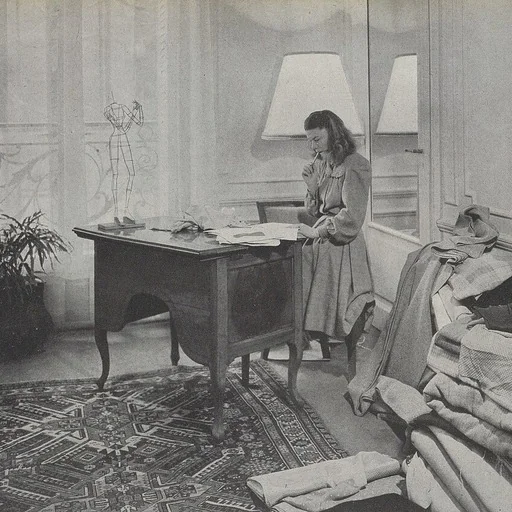
Marie-Louise Carven (31 August 1909 – 8 June 2015), born Carmen de Tommaso, was a French fashion designer who founded the house of Carven in 1945.
Museum
Palais Galliera - Musée de la Mode de la Ville de Paris
Continue through works from the same source collection.
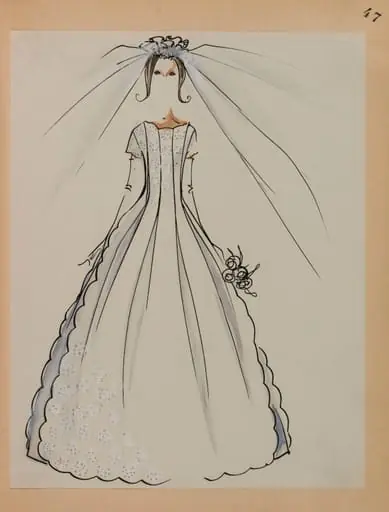 Robe de mariée festonnée et son voile
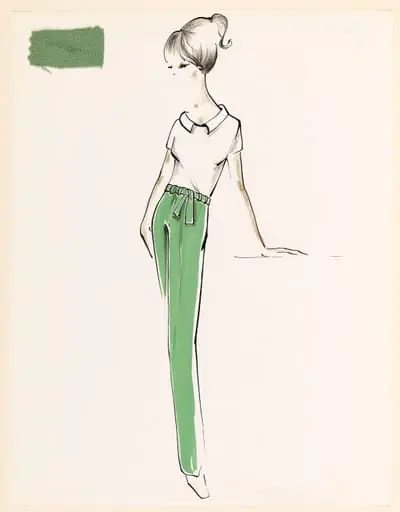 Haut blanc à manches courtes et pantalon vert à ceinture nouée
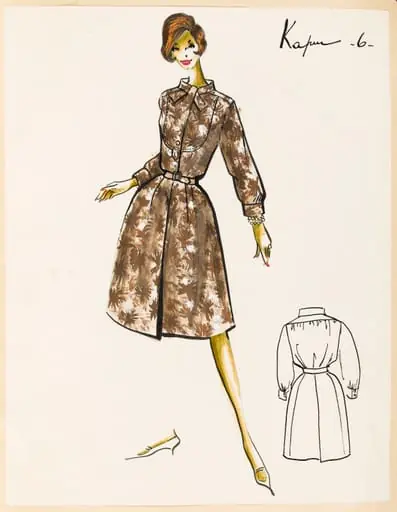 Kapur
Kapur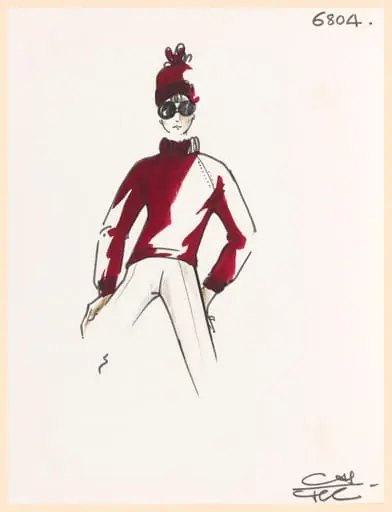 Pull-over à manches longues pourpre, bonnet assorti, pantalon et lunettes de soleil
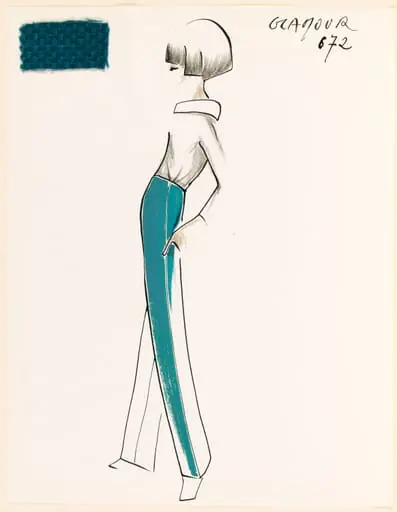 GLAMOUR
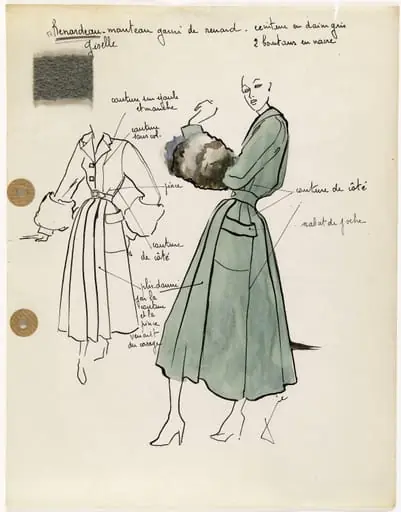 'Renardeau'
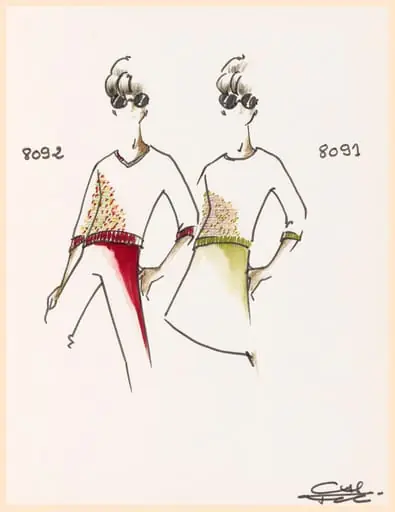 Pull-over à manches trois quarts et à encolure V à motifs multicolores, pantalon cerise et lunettes de soleil
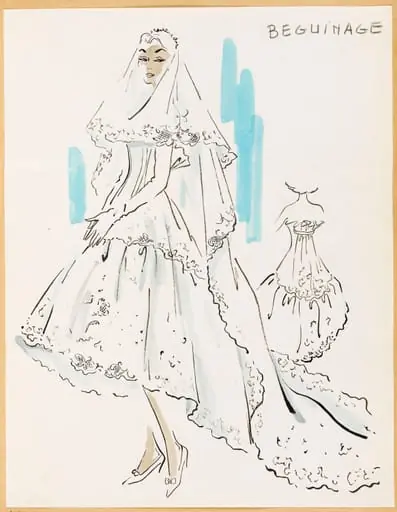 Béguinage