Artwork
Pétula
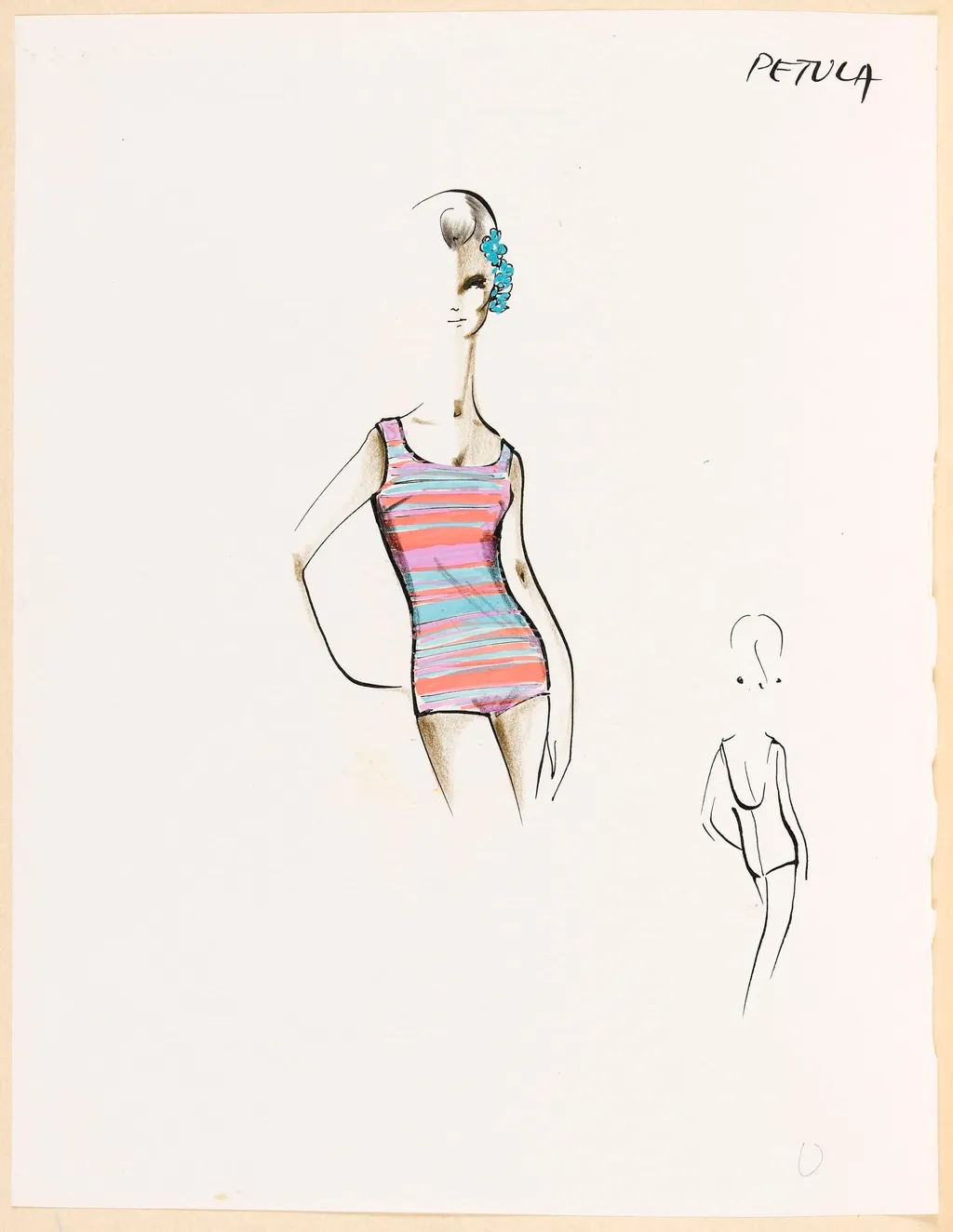
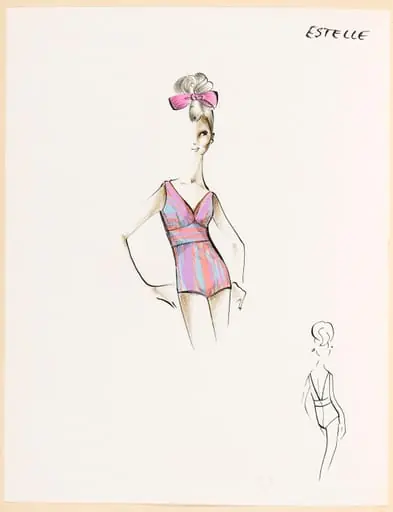
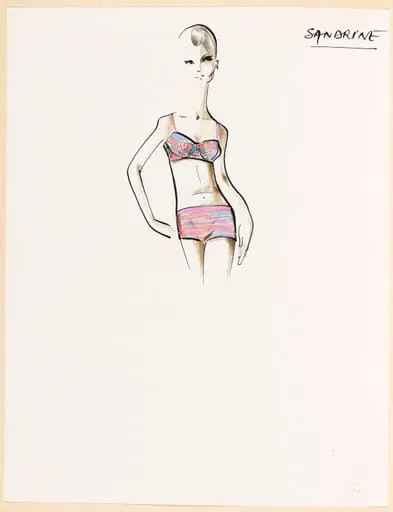
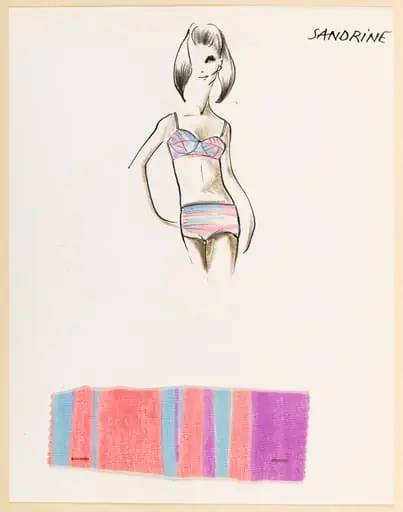
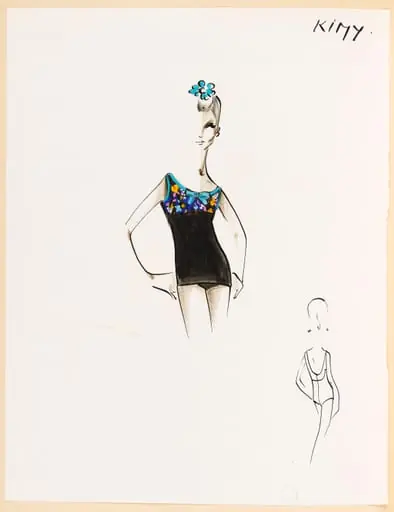
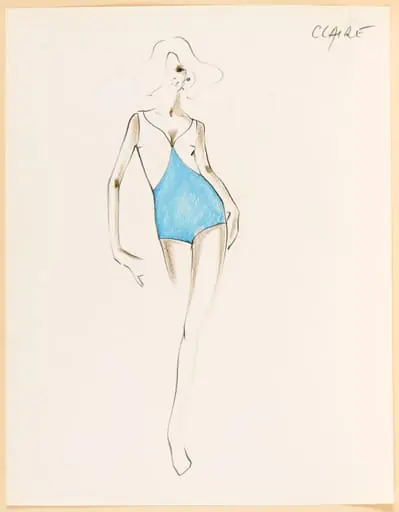
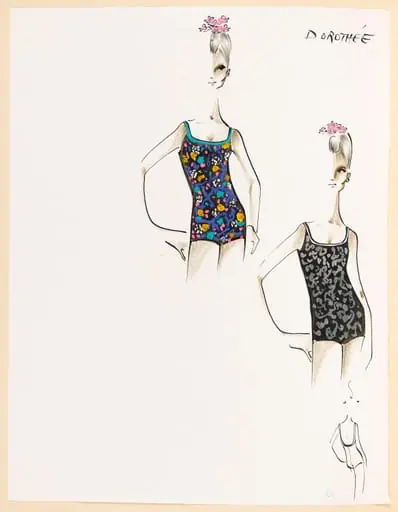
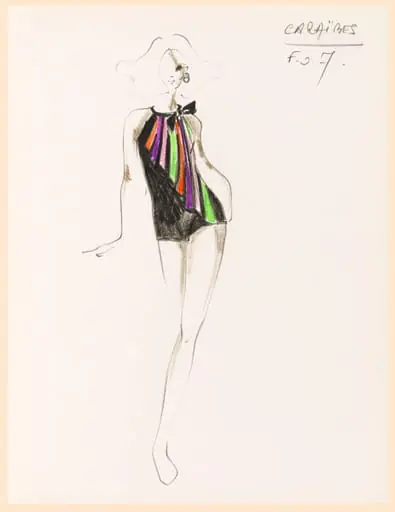
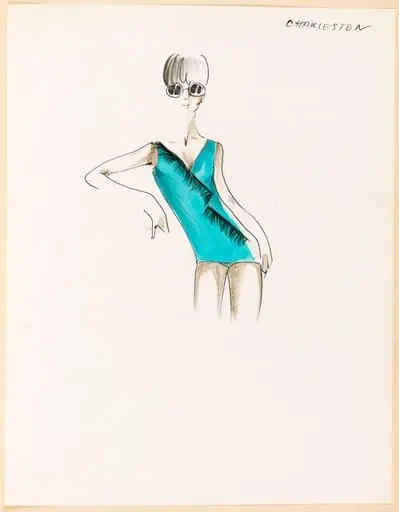
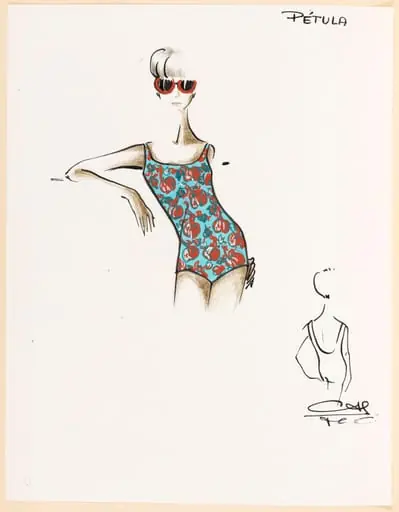
Pétula is a drawing by Marie-Louise Carven. It dates from 1964 and is held in the collection of the Palais Galliera - Musée de la Mode de la Ville de Paris.
About this work
Overview
It depicts a woman in a one-piece swimsuit rendered with loose, energetic lines and vivid horizontal stripes in pink, blue, and green.
Pétula is a hand-drawn sketch attributed to Marie-Louise Carven, created circa 1964. It depicts a woman in a one-piece swimsuit rendered with loose, energetic lines and vivid horizontal stripes in pink, blue, and green. The drawing’s informal quality suggests a quick study, possibly for a garment design. A small, unfinished figure appears in the corner, and the artist’s signature 'Pétula' is inscribed in the upper right. The piece is part of the Museum of Ethnography’s collection.
Subject & Meaning
The figure in Pétula embodies a youthful, active femininity aligned with mid-century leisure culture. The swimsuit’s simplicity and bold color blocking reflect a shift toward practical yet stylish swimwear for everyday women. The flower clip and neatly pinned hair suggest attention to detail without ornamentation. The sketch’s intimacy and spontaneity imply a personal or experimental approach, possibly capturing a model or idealized client rather than a formal runway look.
Technique & Style
Carven employed swift, fluid pencil strokes to define form, avoiding rigid outlines in favor of suggestive contours. The color is applied in broad, unblended washes, emphasizing flat planes over shading. The sketch’s unfinished edges and the marginal doodle reveal a working process rather than a polished presentation. This approach mirrors her design philosophy: clarity, lightness, and restraint, prioritizing movement and wearability over elaborate detail.
History & Provenance
Marie-Louise Carven founded her fashion house in Paris in 1945 and pioneered ready-to-wear collections for women of smaller stature. Pétula emerged during a period when she was expanding her design language beyond couture into more accessible garments. The sketch likely served as a design reference for a swimwear line. It entered the Museum of Ethnography’s holdings through documented acquisition, possibly as part of a broader collection of 20th-century fashion studies.
Context
In the early 1960s, European fashion responded to changing social norms with more relaxed, functional clothing. Carven’s swimwear designs aligned with this trend, offering women garments that balanced modesty with modernity. Unlike the sculpted silhouettes of haute couture, her pieces embraced ease and color. Pétula reflects this ethos, situated within a broader movement toward democratized fashion and the rise of the active, independent woman.
Legacy
Pétula stands as a modest but telling artifact of Carven’s influence on postwar French fashion. It illustrates how her focus on lightweight materials and petite proportions helped redefine women’s wear beyond traditional couture. Though not widely exhibited, such sketches preserve the tactile, human side of design innovation. The piece contributes to understanding how ready-to-wear emerged not through mass production alone, but through thoughtful, individualized design processes.
Artist & collection
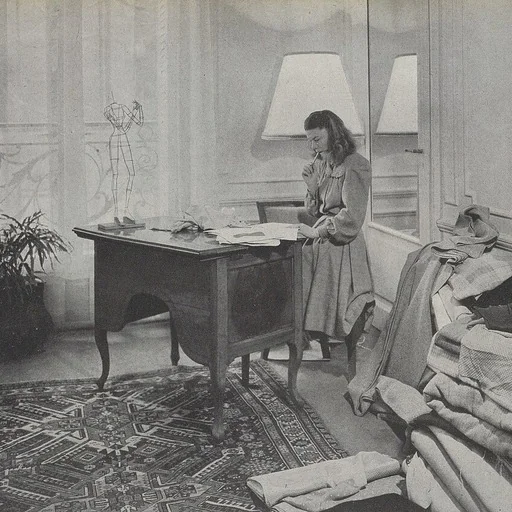
Artist
Marie-Louise Carven (31 August 1909 – 8 June 2015), born Carmen de Tommaso, was a French fashion designer who founded the house of Carven in 1945.
Museum
Palais Galliera - Musée de la Mode de la Ville de Paris
Continue through works from the same source collection.
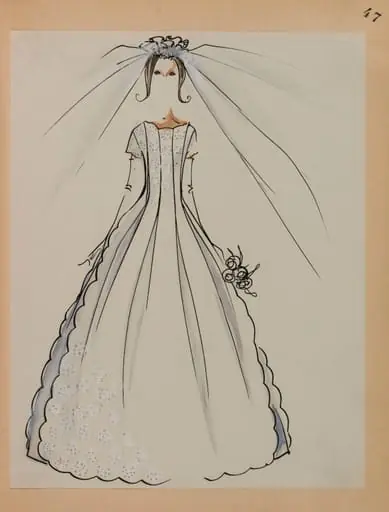 Robe de mariée festonnée et son voile
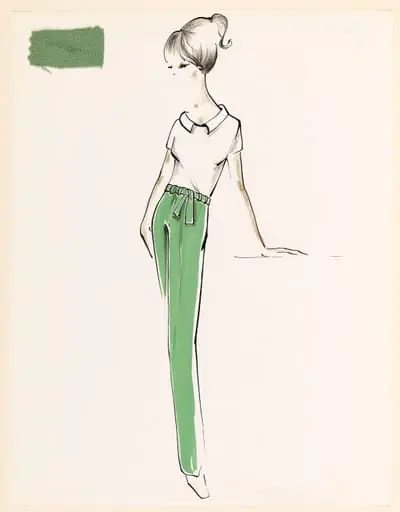 Haut blanc à manches courtes et pantalon vert à ceinture nouée
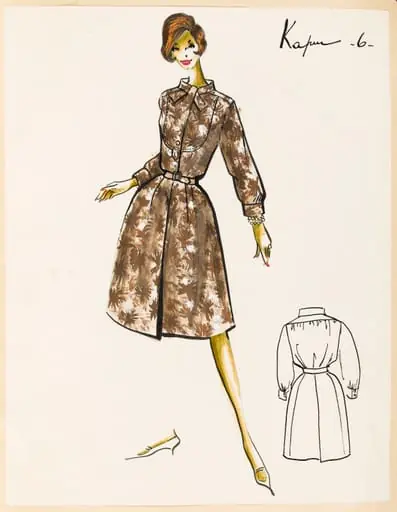 Kapur
Kapur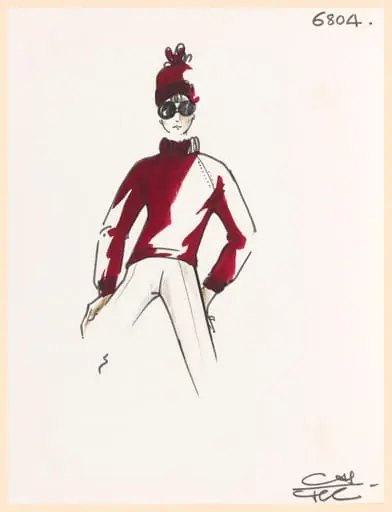 Pull-over à manches longues pourpre, bonnet assorti, pantalon et lunettes de soleil
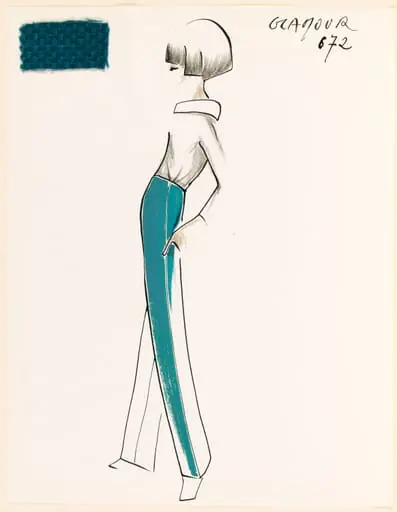 GLAMOUR
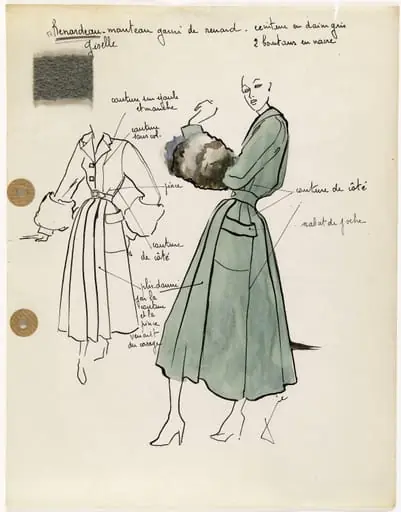 'Renardeau'
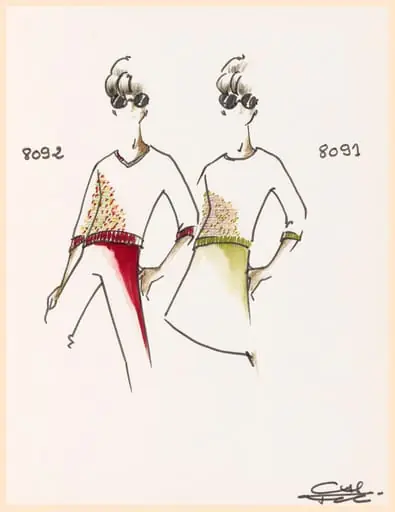 Pull-over à manches trois quarts et à encolure V à motifs multicolores, pantalon cerise et lunettes de soleil
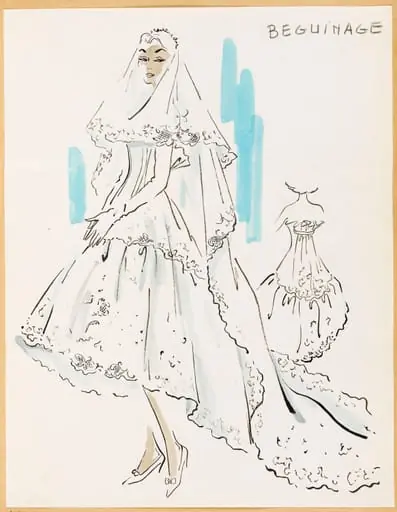 Béguinage