Artwork
Robe sans manches blanche à motif pistache et grande ceinture pistache
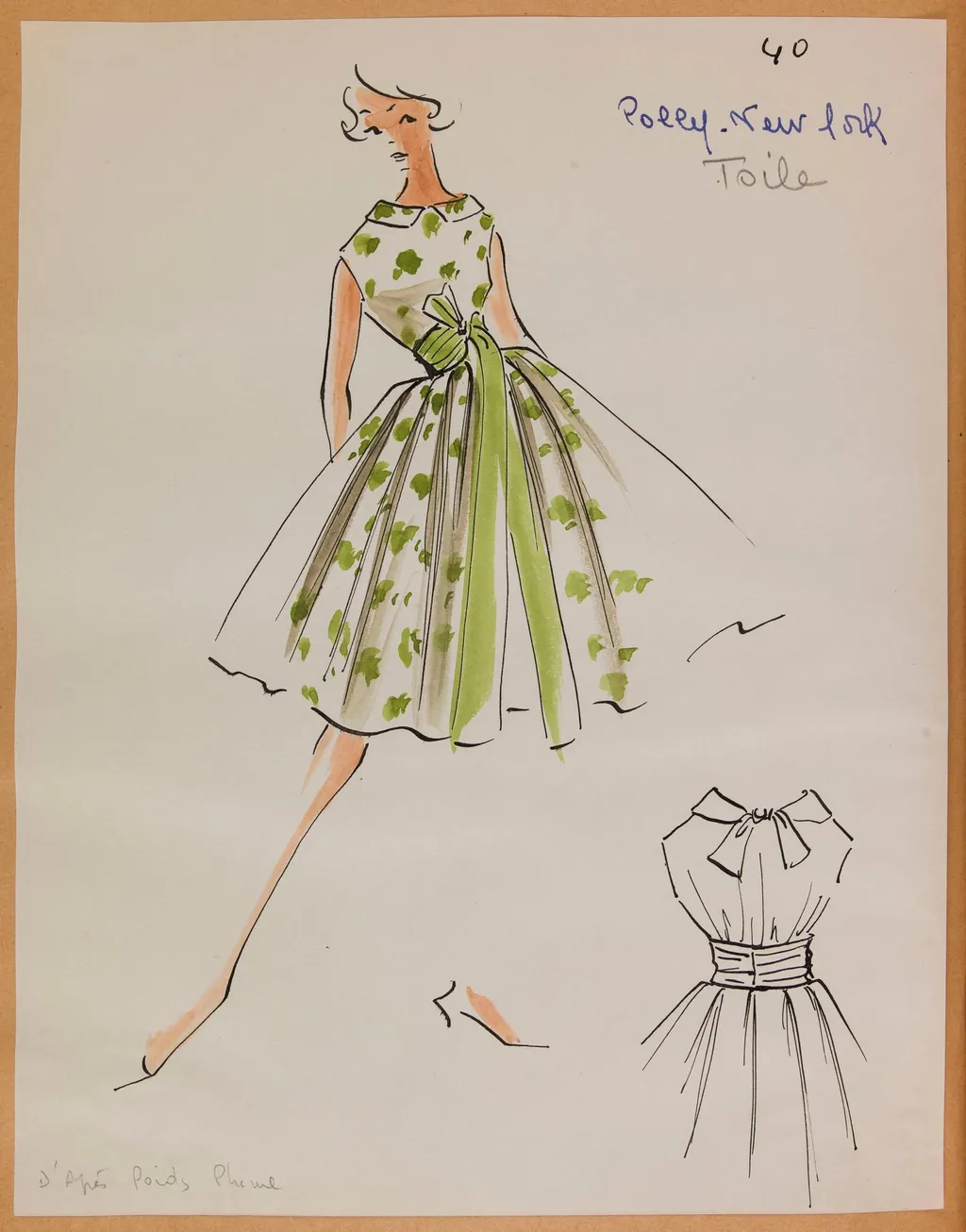
Robe sans manches blanche à motif pistache et grande ceinture pistache is a drawing by Marie-Louise Carven. It dates from 1957 and is held in the collection of the Palais Galliera - Musée de la Mode de la Ville de Paris.
About this work
Overview
This garment, designed by Marie-Louise Carven around 1957, is a sleeveless white dress featuring pistachio-green floral motifs and a broad matching belt. Created as part of her prêt-à-porter line, it reflects Carven’s focus on accessible, well-tailored clothing for women with smaller frames. The design balances elegance with practicality, emphasizing clean lines and subtle color contrast.
Subject & Meaning
The dress portrays a woman in a poised, dynamic stance—one leg extended, arm bent—as if captured mid-movement. This suggests motion and liveliness, aligning with Carven’s vision of clothing that supports active, modern femininity. The pistachio accents introduce a soft, natural tone, evoking understated luxury without overt ornamentation.
Technique & Style
The dress combines a fitted bodice with a full, knee-length skirt, creating volume while maintaining structure. The pistachio motifs are delicately rendered, likely printed or embroidered on lightweight fabric. The wide belt defines the waist and is echoed in the back sketch, which reveals gathered fabric for a tailored fit. The design prioritizes proportion and subtle detail over embellishment.
History & Provenance
Marie-Louise Carven established her fashion house in Paris in 1945, positioning herself among early adopters of ready-to-wear in a city dominated by haute couture. This dress, dated to 1957, exemplifies her commitment to wearable, feminine designs. The accompanying sketch of the back suggests it was part of a design portfolio, likely used for production or client presentation.
Context
In the late 1950s, Parisian fashion was transitioning toward more accessible styles. Carven’s work responded to demand for stylish, affordable clothing suited to everyday life. Her use of light fabrics and petite sizing distinguished her from larger couture houses, appealing to a growing middle class seeking refined yet practical attire.
Legacy
Carven’s emphasis on ready-to-wear and inclusive sizing helped reshape postwar French fashion. Though less widely recognized today than some contemporaries, her designs contributed to the normalization of tailored, modestly scaled clothing for non-idealized body types. This dress remains a quiet testament to her influence on modern wearable design.
Artist & collection
Artist
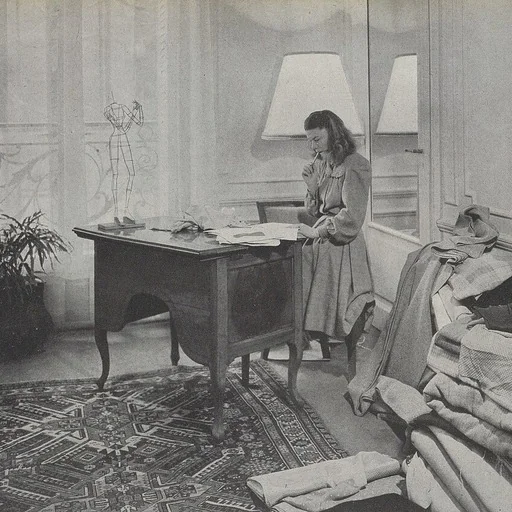
Marie-Louise Carven (31 August 1909 – 8 June 2015), born Carmen de Tommaso, was a French fashion designer who founded the house of Carven in 1945.
Museum
Palais Galliera - Musée de la Mode de la Ville de Paris
Continue through works from the same source collection.
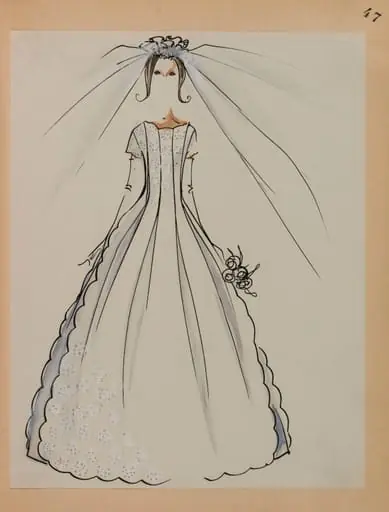 Robe de mariée festonnée et son voile
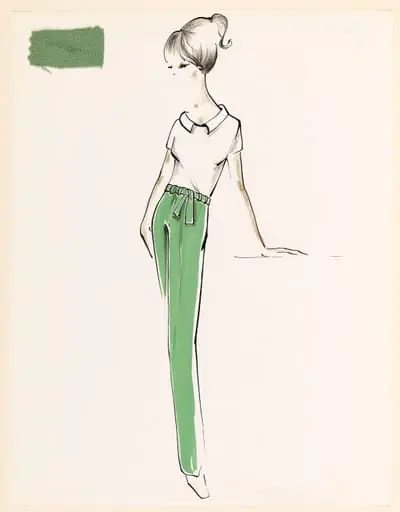 Haut blanc à manches courtes et pantalon vert à ceinture nouée
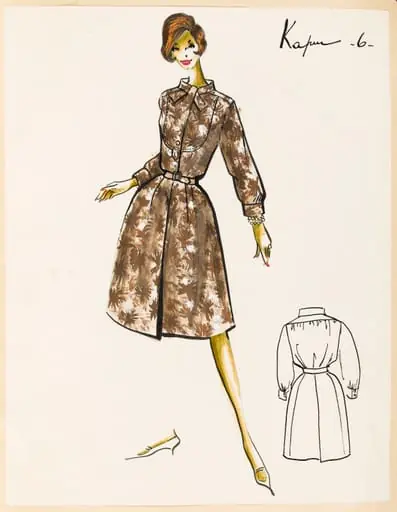 Kapur
Kapur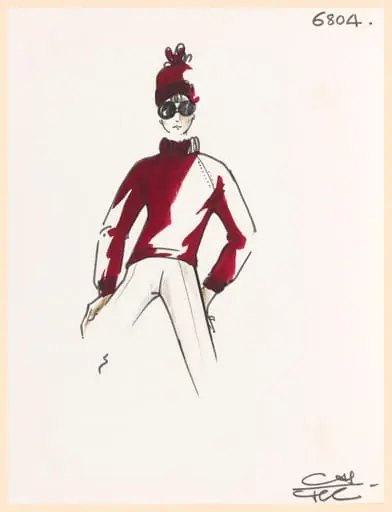 Pull-over à manches longues pourpre, bonnet assorti, pantalon et lunettes de soleil
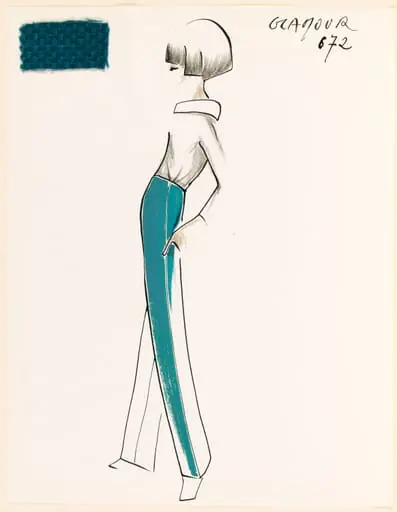 GLAMOUR
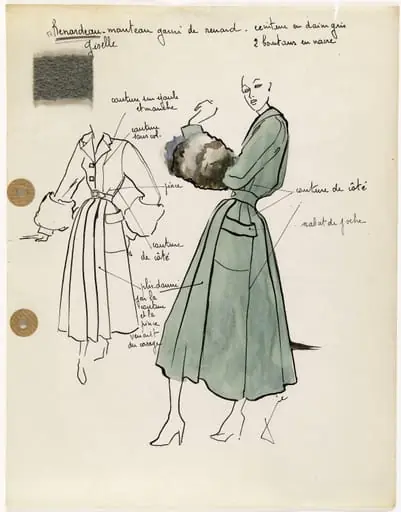 'Renardeau'
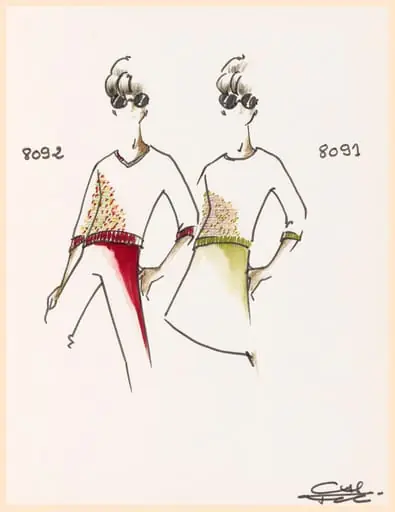 Pull-over à manches trois quarts et à encolure V à motifs multicolores, pantalon cerise et lunettes de soleil
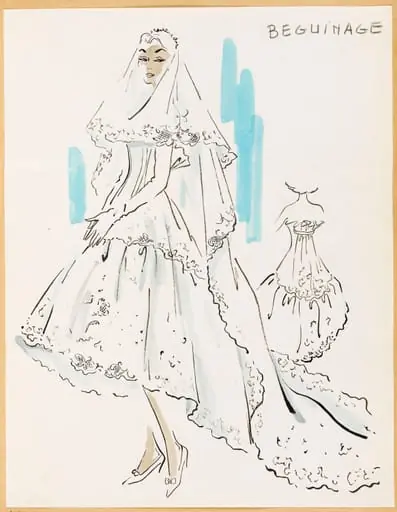 Béguinage
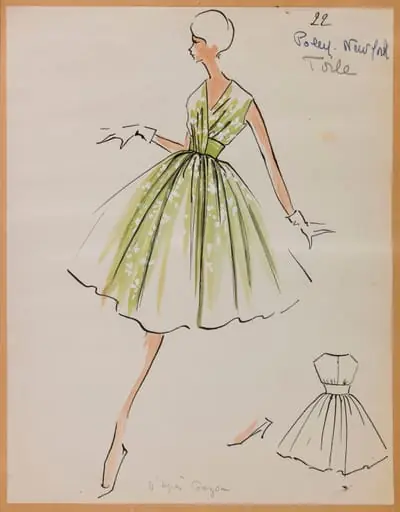 Robe pistache
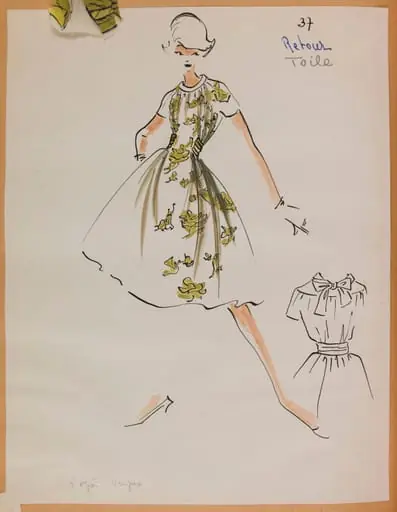 Robe à manches blanche à motif de feuille
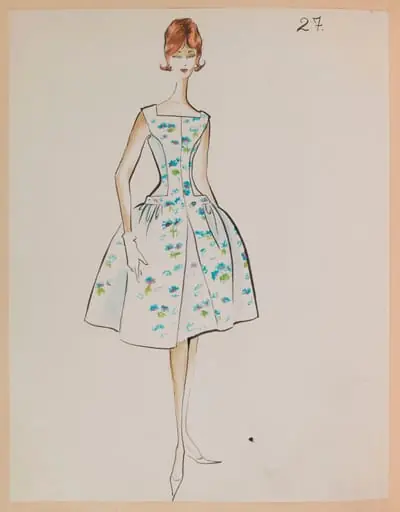 Robe à encolure carrée blanche à motif bleu
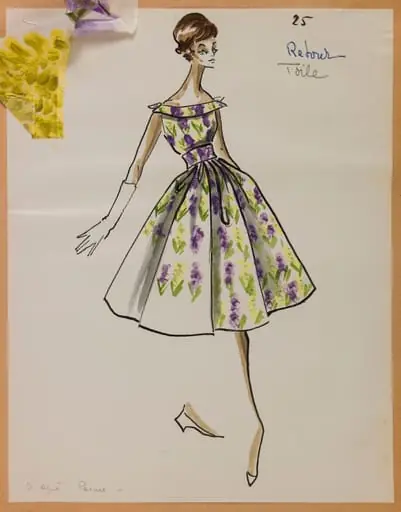 Robe à motif floral jaune et violet
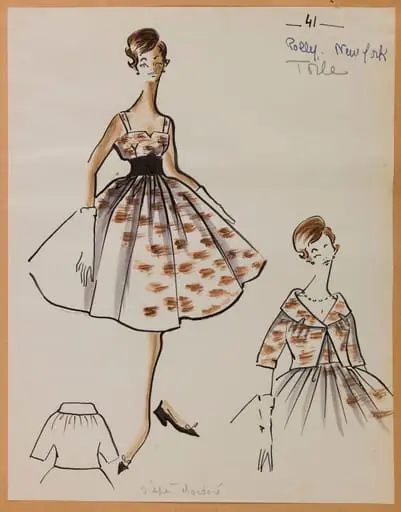 Robe à fines bretelles blanche à motif marron
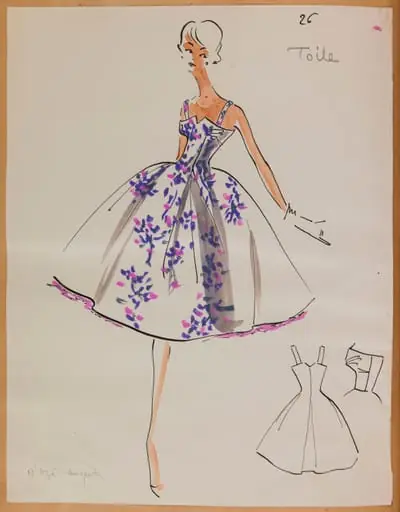 Robe à bretelles à motif rose et violet
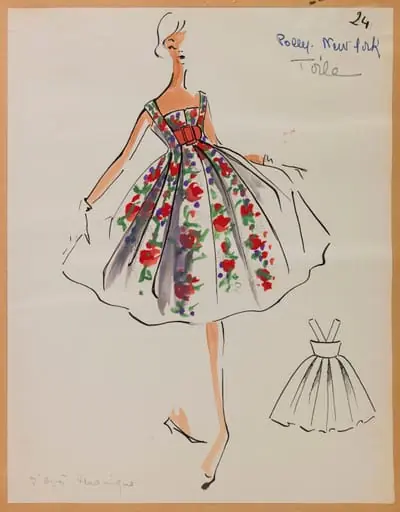 Robe à motif de fleur rouge et à large ceinture rouge sous la poitrine
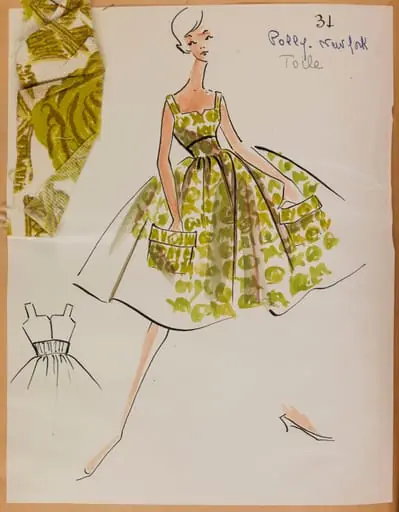 Robe à bretelles à motif vert avec deux grandes poches sur le devant de la jupe
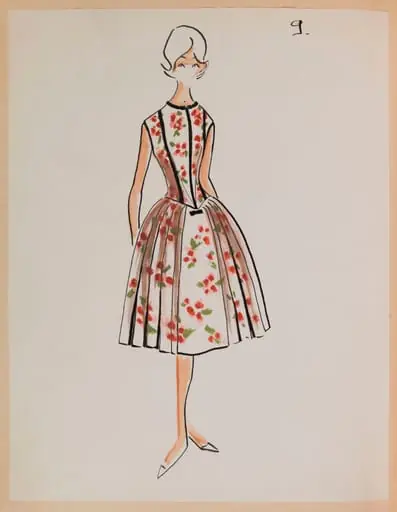 Robe blanche à motif floral
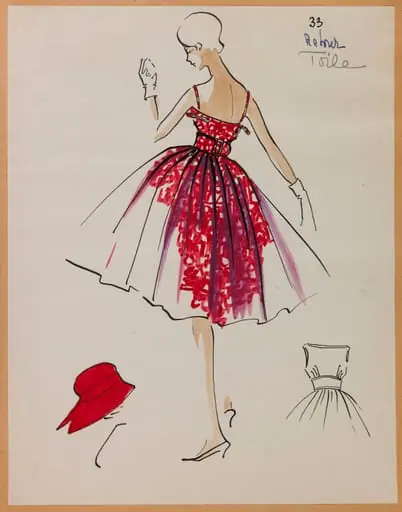 Robe rouge à ceinture à la taille