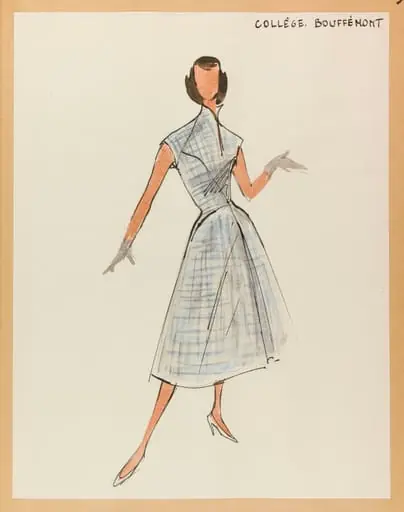
Artwork
Vanneau
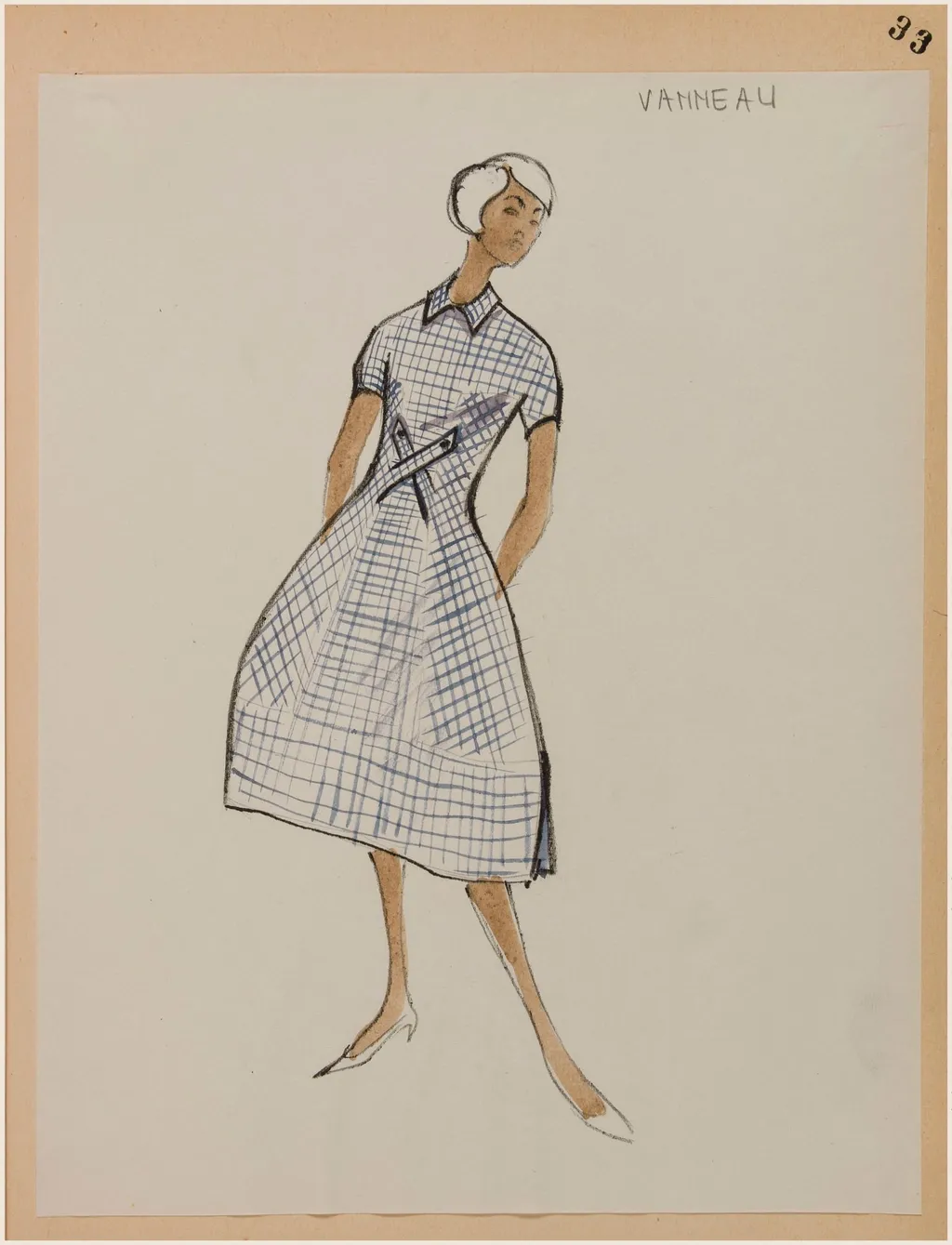
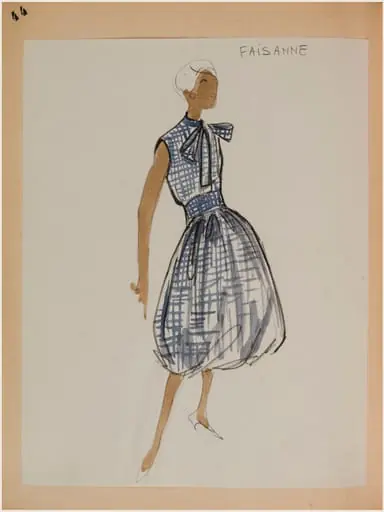
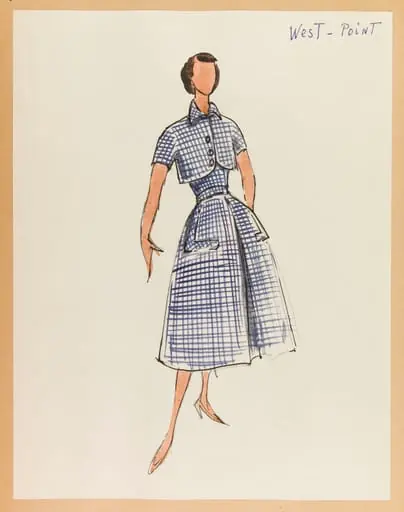
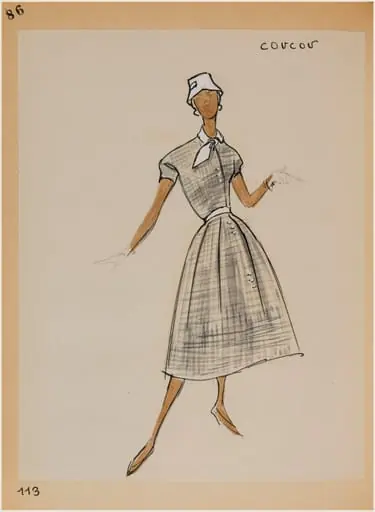
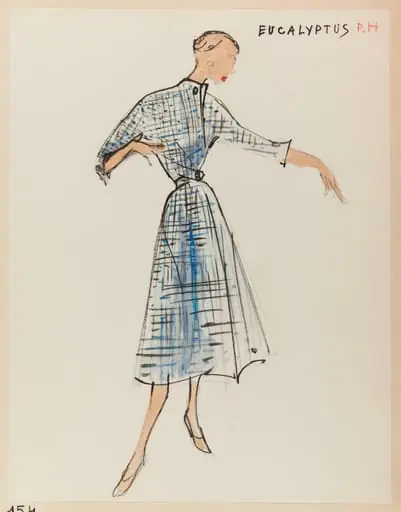
Vanneau is a drawing by Marie-Louise Carven. It dates from 1958 and is held in the collection of the Palais Galliera - Musée de la Mode de la Ville de Paris.
About this work
Overview
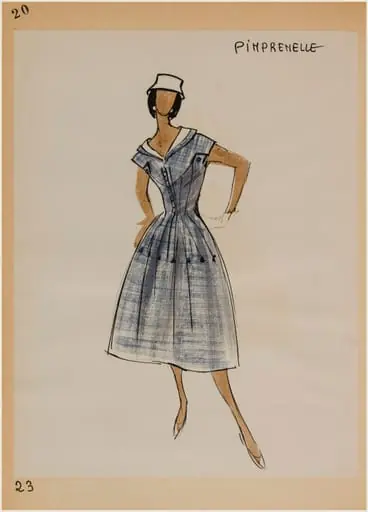
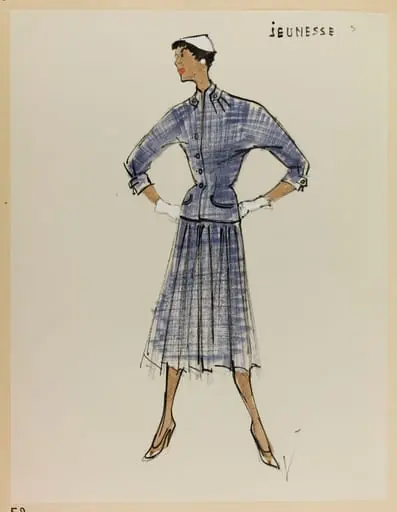
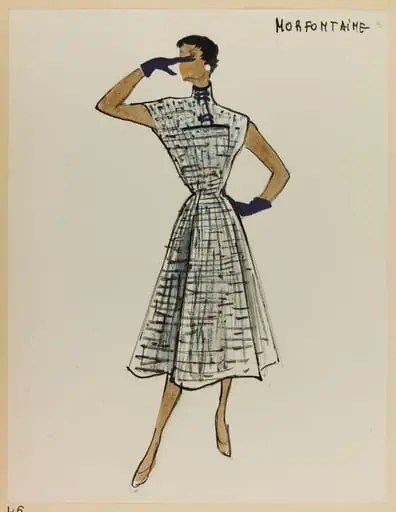
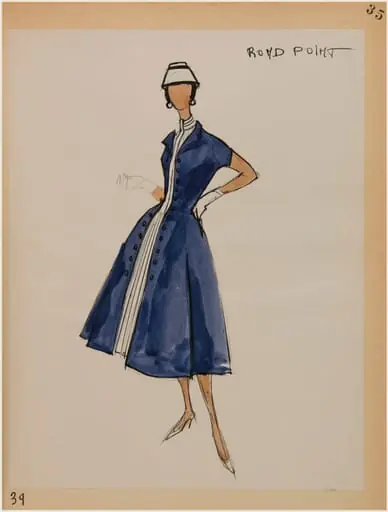
Executed in light, fluid lines, the drawing captures a figure in a simple checkered dress and low-heeled shoes, emphasizing practicality over ornamentation.
Created around 1958, *Vanneau* is a pencil sketch by French designer Marie-Louise Carven, reflecting her approach to wearable, modestly styled clothing. Executed in light, fluid lines, the drawing captures a figure in a simple checkered dress and low-heeled shoes, emphasizing practicality over ornamentation. Though labeled as an image, it functions as a design study, likely intended for garment development rather than public display.
Subject & Meaning
The figure in *Vanneau* represents an everyday woman, dressed in unadorned, accessible clothing. The loose fit, short sleeves, and plain footwear suggest a focus on comfort and routine life, aligning with Carven’s philosophy of designing for petite, active women. The sketch’s lack of embellishment underscores a rejection of theatrical fashion, instead valuing functionality and quiet elegance.
Technique & Style
Carven rendered *Vanneau* with swift, delicate pencil strokes that convey movement and form without detail. The sketchy, incomplete quality suggests spontaneity and immediacy, typical of preparatory work. The absence of shading or color reinforces its role as a conceptual tool, prioritizing silhouette and proportion over finish, a hallmark of her design process.
History & Provenance
The drawing entered the collection of the Museum of Ethnography, likely as part of a broader effort to document 20th-century fashion as cultural artifact. Carven founded her house in 1945 and pioneered ready-to-wear in French couture, making such sketches valuable records of her shift from haute couture to accessible design. Its preservation reflects institutional recognition of fashion as material culture.
Context
In postwar France, fashion was redefining itself around affordability and mobility. Carven’s work responded to changing social norms, particularly women’s increasing participation in public life. *Vanneau* embodies this era’s move toward practical, non-restrictive clothing, contrasting with the structured silhouettes of earlier decades and aligning with emerging ideals of democratic style.
Legacy
Though not widely exhibited, *Vanneau* exemplifies Carven’s influence on modern ready-to-wear. Her emphasis on fit for smaller frames and understated design paved the way for later designers who prioritized wearability. The sketch remains a quiet testament to her role in transforming fashion from exclusive craft to inclusive practice, documented here as cultural evidence rather than commercial product.
Artist & collection
Artist
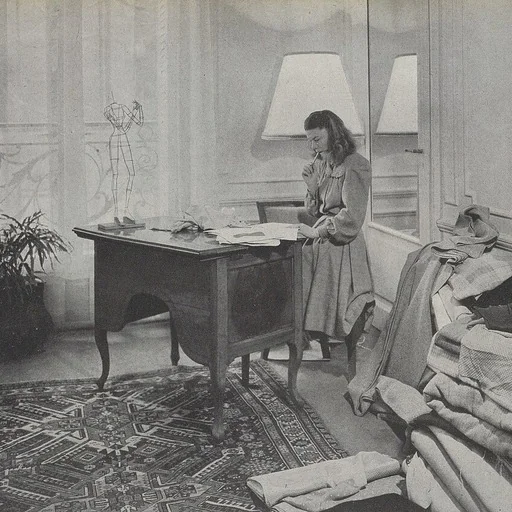
Marie-Louise Carven (31 August 1909 – 8 June 2015), born Carmen de Tommaso, was a French fashion designer who founded the house of Carven in 1945.
Museum
Palais Galliera - Musée de la Mode de la Ville de Paris
Continue through works from the same source collection.
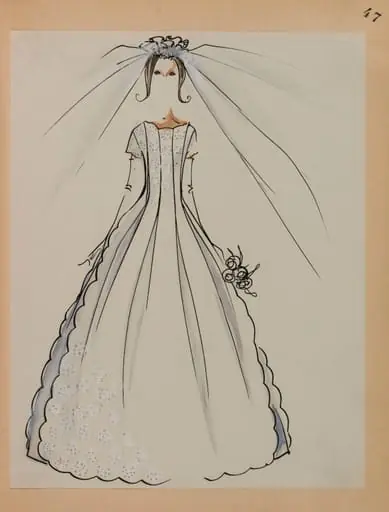 Robe de mariée festonnée et son voile
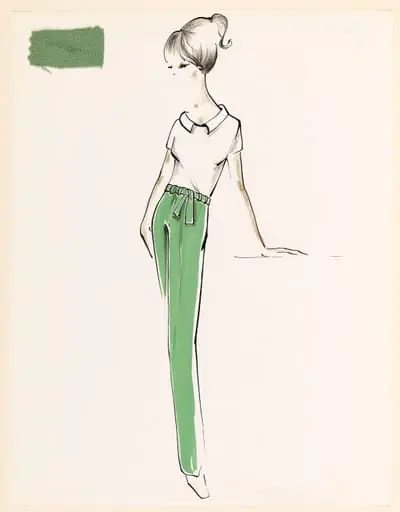 Haut blanc à manches courtes et pantalon vert à ceinture nouée
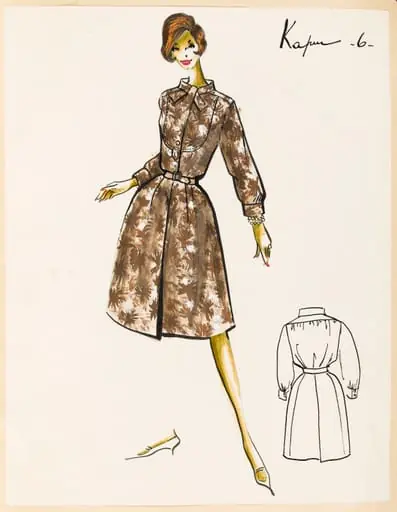 Kapur
Kapur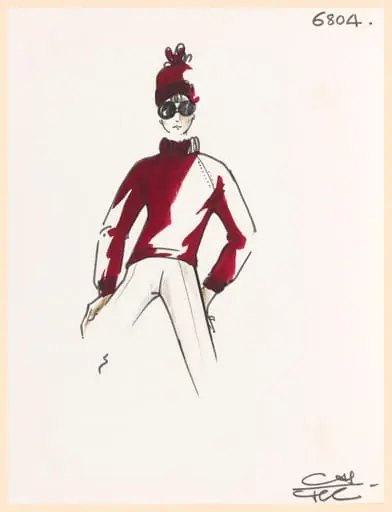 Pull-over à manches longues pourpre, bonnet assorti, pantalon et lunettes de soleil
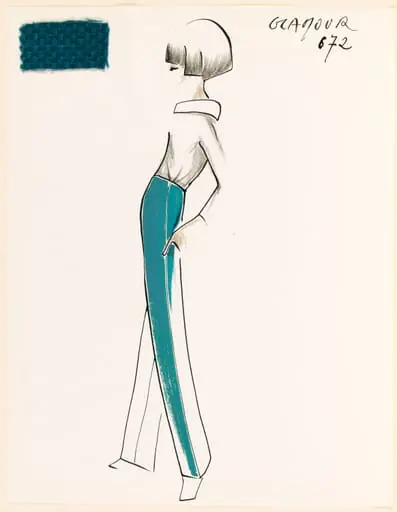 GLAMOUR
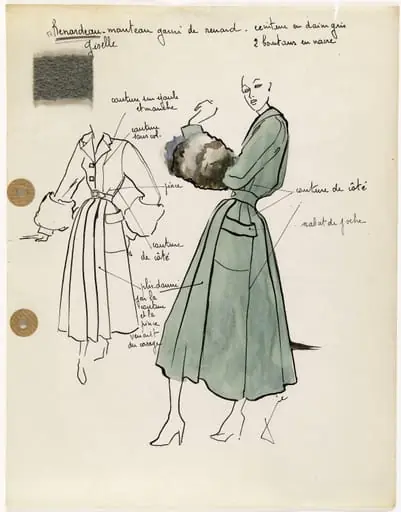 'Renardeau'
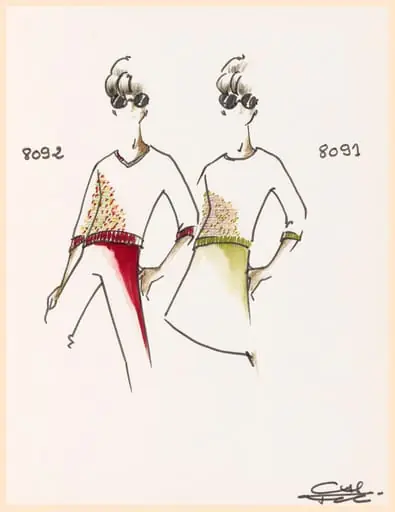 Pull-over à manches trois quarts et à encolure V à motifs multicolores, pantalon cerise et lunettes de soleil
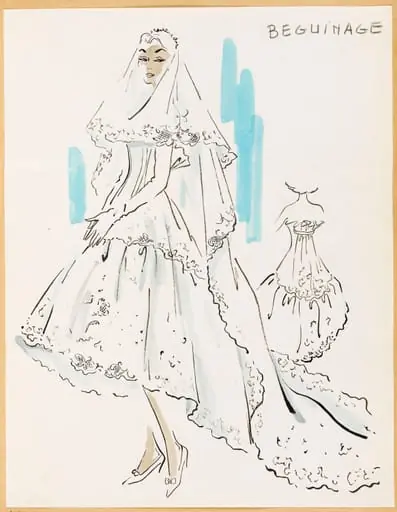 Béguinage