Artwork
The Meeting of Solomon and the Queen of Sheba
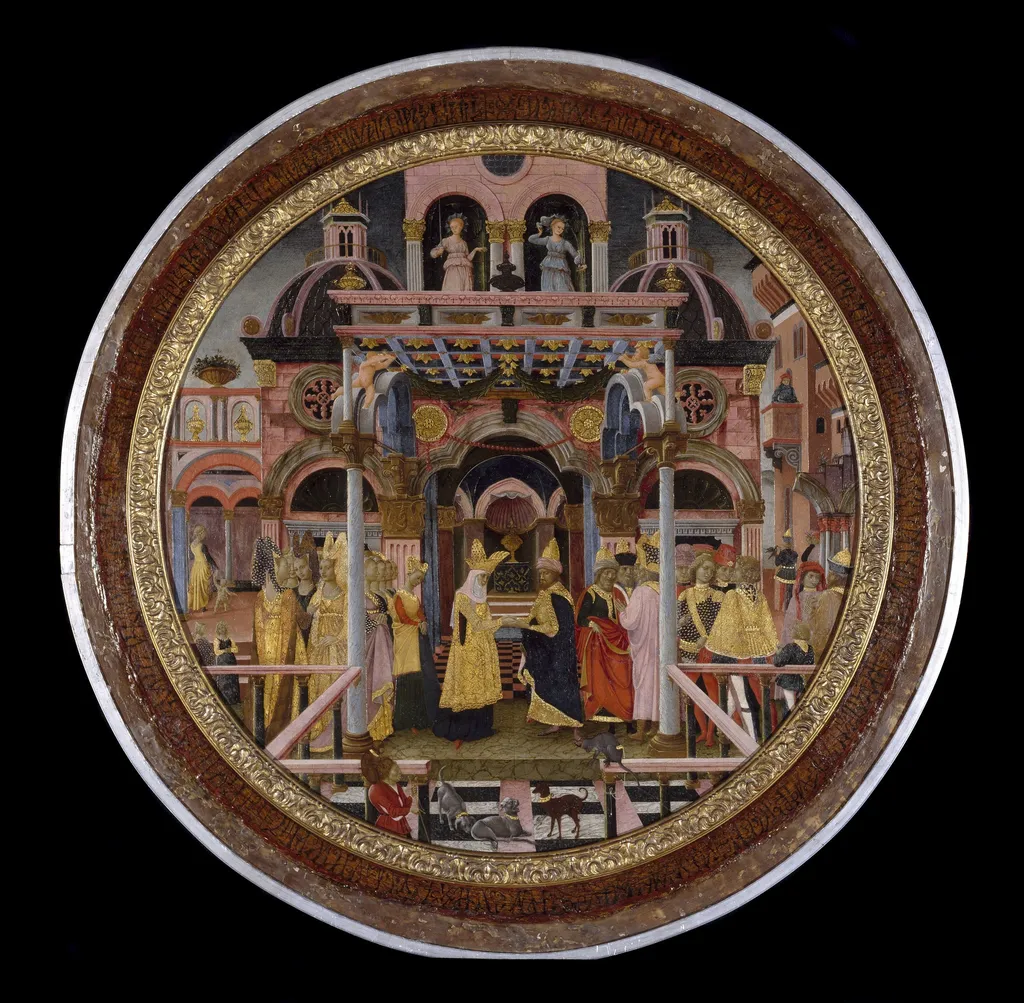
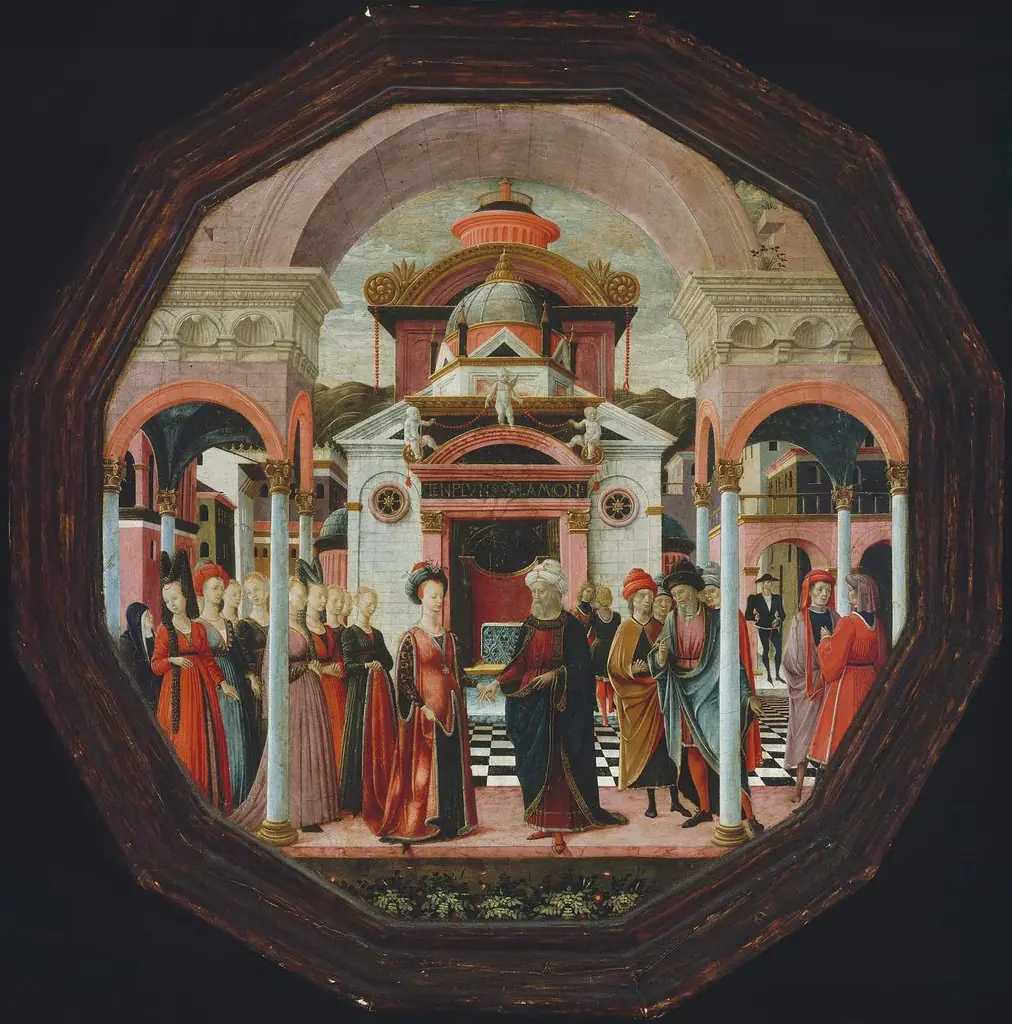
The Meeting of Solomon and the Queen of Sheba is an unspecified painting by the Early Renaissance artist Unknown. It dates from 1473 and is held in the collection of the Museum of Fine Arts, Houston. The work presents a circular composition framed in gold, depicting a ceremonial gathering.
About this work
Overview
The work presents a circular composition framed in gold, depicting a ceremonial gathering. Central figures—a woman in a yellow gown with a tall headdress and a man in dark blue and red robes—stand on an elevated platform surrounded by arches and columns. The scene is set against a city skyline under a blue sky, rendered with vivid hues and elaborate decorative detail.
Subject & Meaning
The painting illustrates the legendary encounter between King Solomon and the Queen of Sheba, a narrative traditionally associated with diplomatic exchange and the display of wealth and wisdom. The opulent attire and architectural setting emphasize the grandeur of the meeting, suggesting themes of political alliance and cultural splendor.
Technique & Style
Executed in a circular format, the artist employs a rich palette of saturated colors, particularly gold, yellow, blue, and red, to highlight clothing and architectural elements. Intricate patterns adorn the garments and structural motifs, while the use of perspective creates depth in the cityscape background, contributing to a sense of ceremonial space.
History & Provenance
Specific details regarding the painting’s date, creator, and ownership history are not provided in the source material, limiting the ability to trace its provenance or contextual placement within a particular artistic movement.
Context
The depiction aligns with a longstanding visual tradition of illustrating biblical and historical encounters, often employed to convey moral or political messages. The inclusion of elaborate architectural framing reflects a Renaissance or Baroque interest in classical motifs and the dramatization of historic events.
Artist & collection

 Domestic Scene
 Giacomo and Cardinal Marco, investing Andrea, Abbot of San Zeno, with his Benefice
 The Nymph of Fontainebleau
 Portrait of a Woman
 Madonna and Child with Saints in the Enclosed Garden
 Venus and Minerva
 Family Group of Four on Sofa
 Wall painting from Room H of the Villa of P. Fannius Synistor at Boscoreale
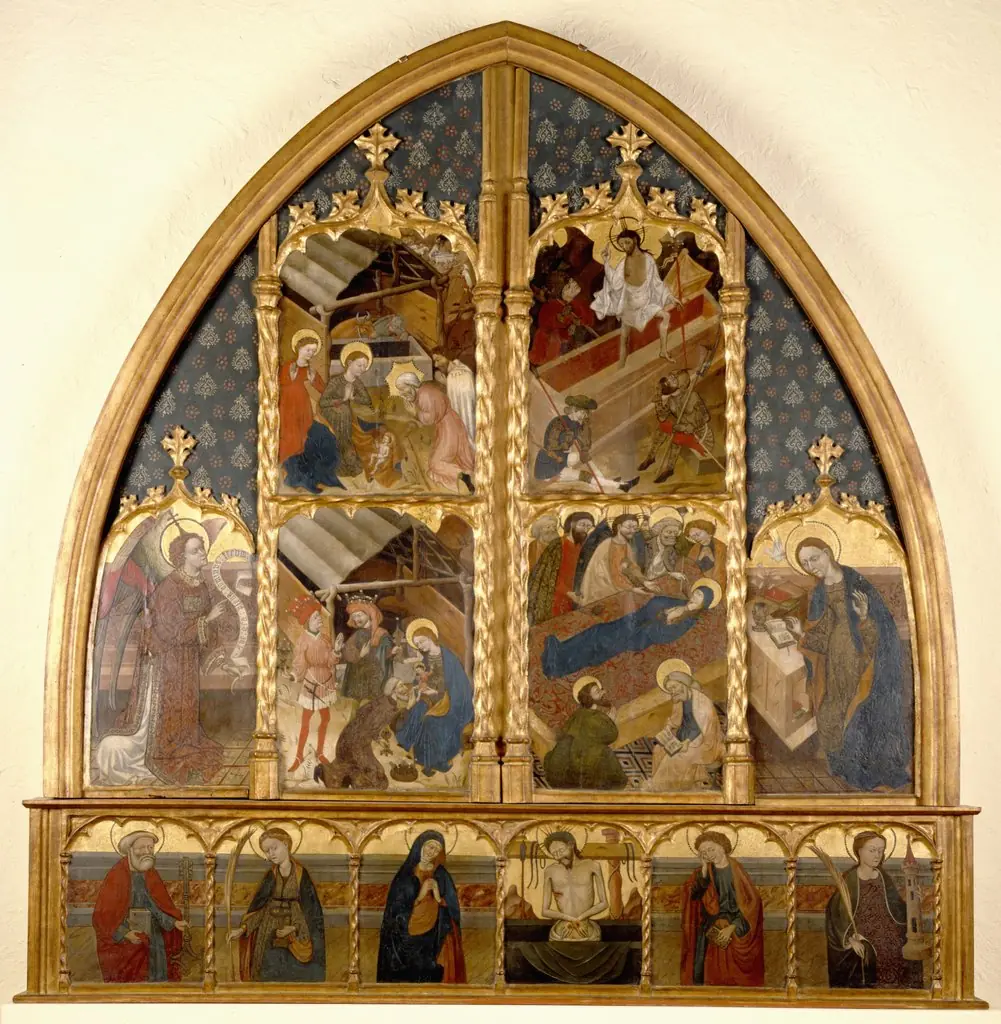 Nativity, Annunciatory Angel, Adoration of the Magi, Resurrection, Death of the Virgin, The Annunciate, Saints Peter and Lucy, Virgin Mary, Resurrected Christ, Saints John and Barbara
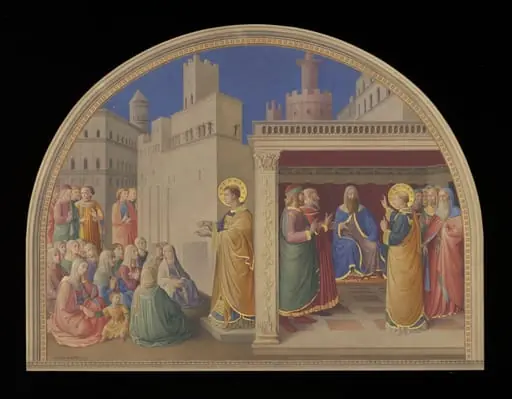 Copy after St Stephen preaching and St Stephen before the Council, Fra Angelico in the Niccoline Chapel (Vatican, Rome)
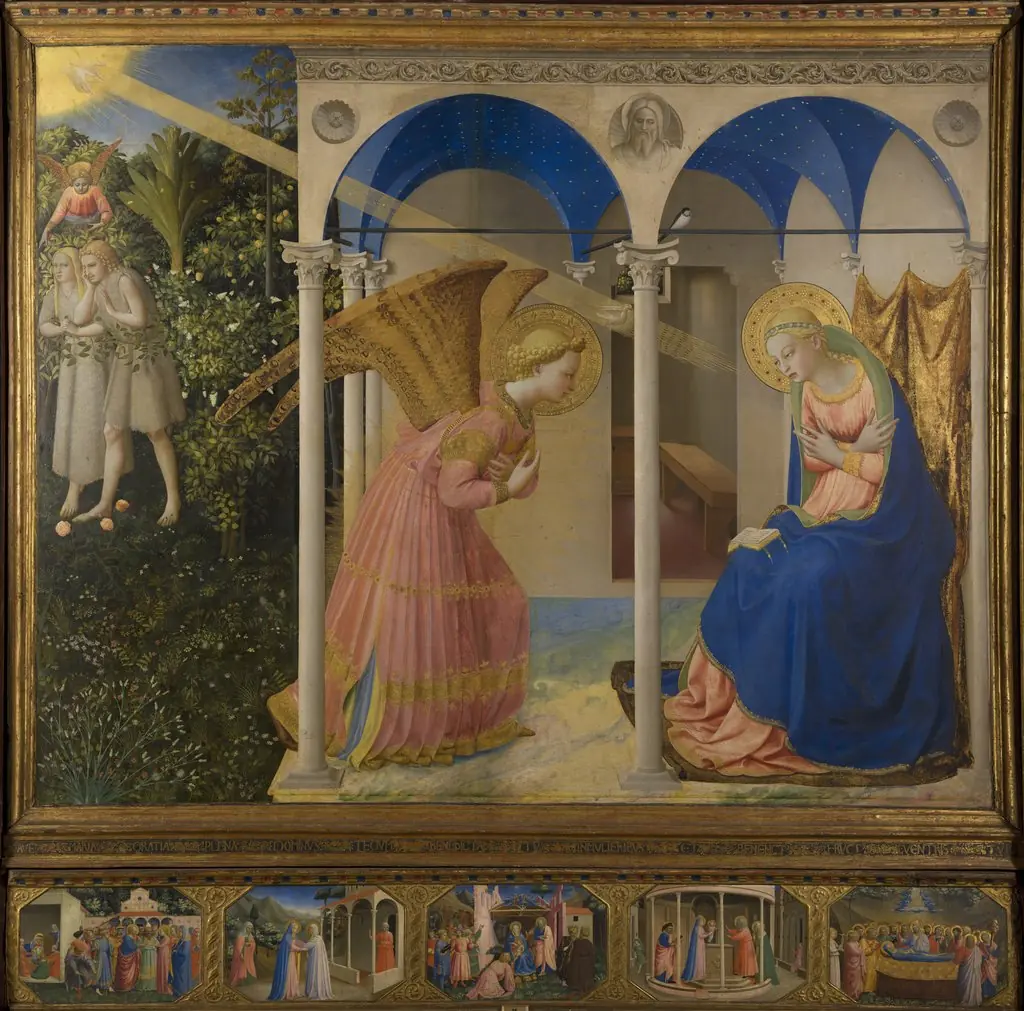 Annunciation
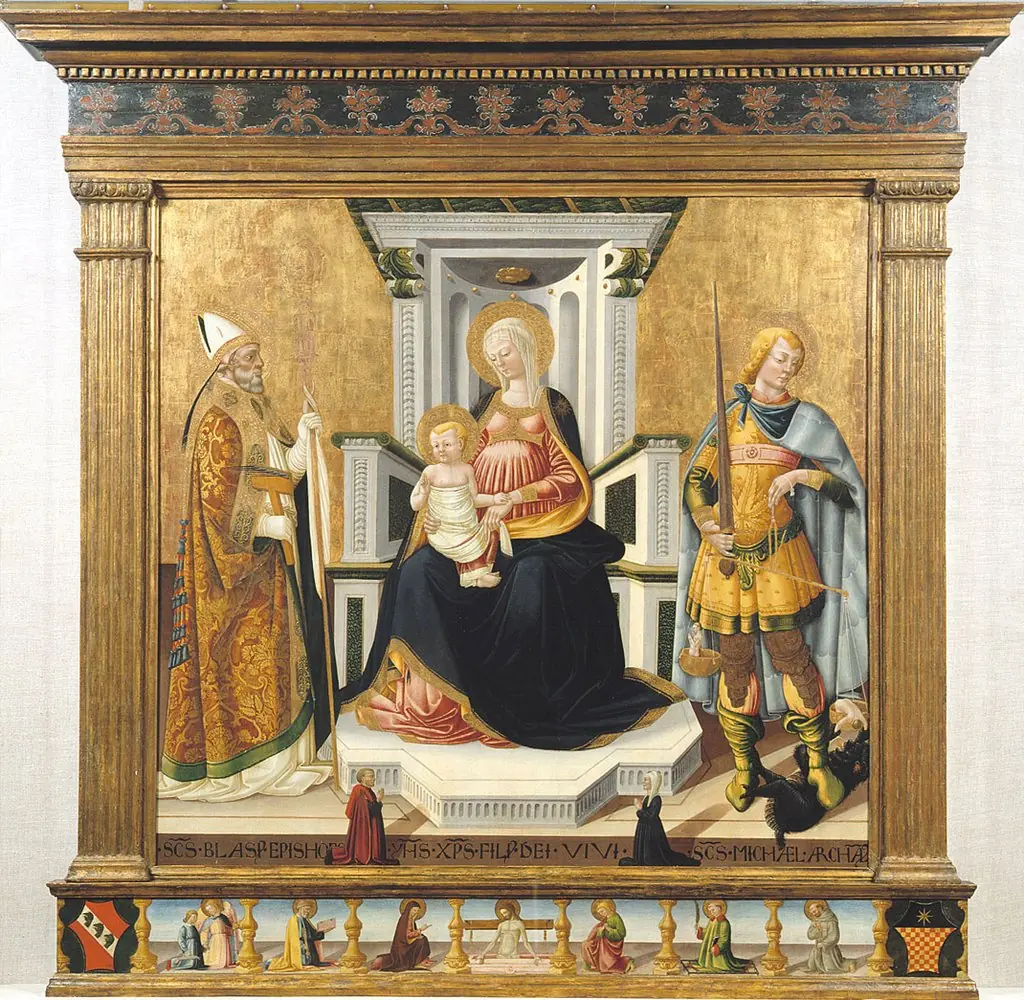 Madonna and Child with Two Saints (Bicci)
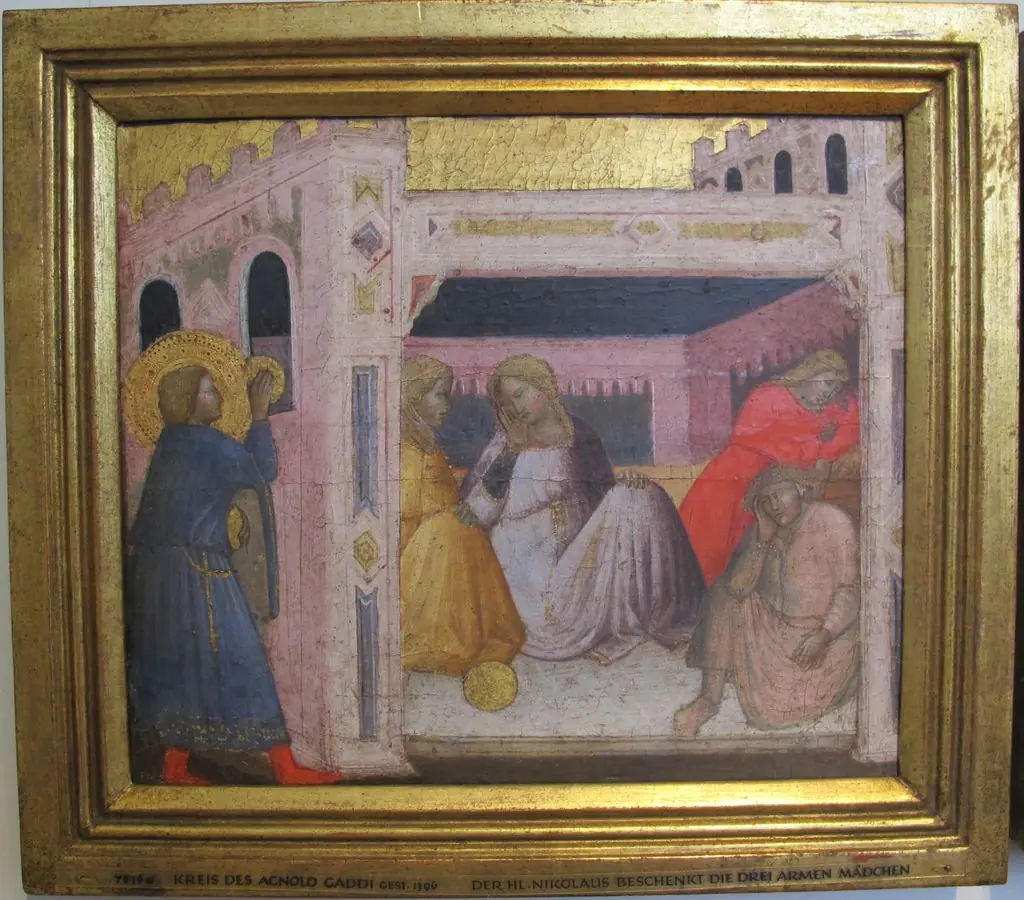 Stories of St. Nicholas. Saint Nicholas presenting Gifts to Three Pool girls
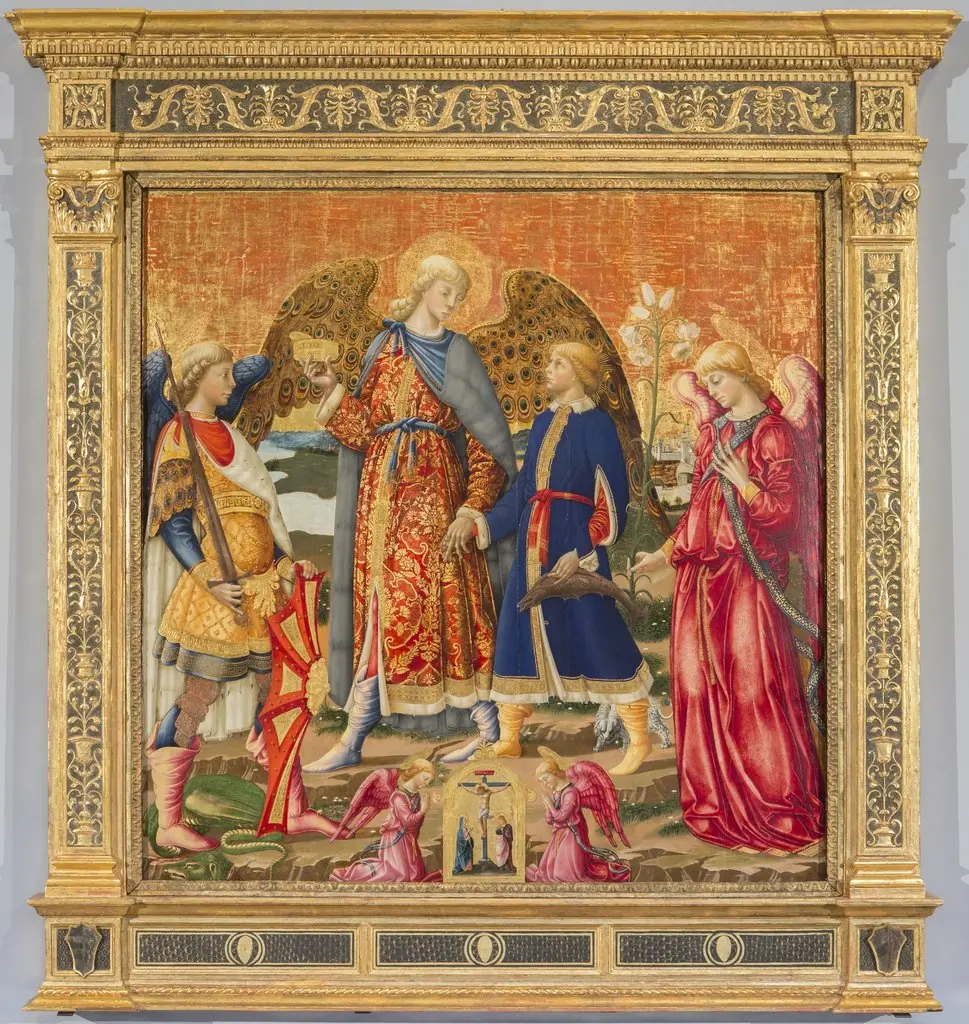 Tobias and Three Archangels
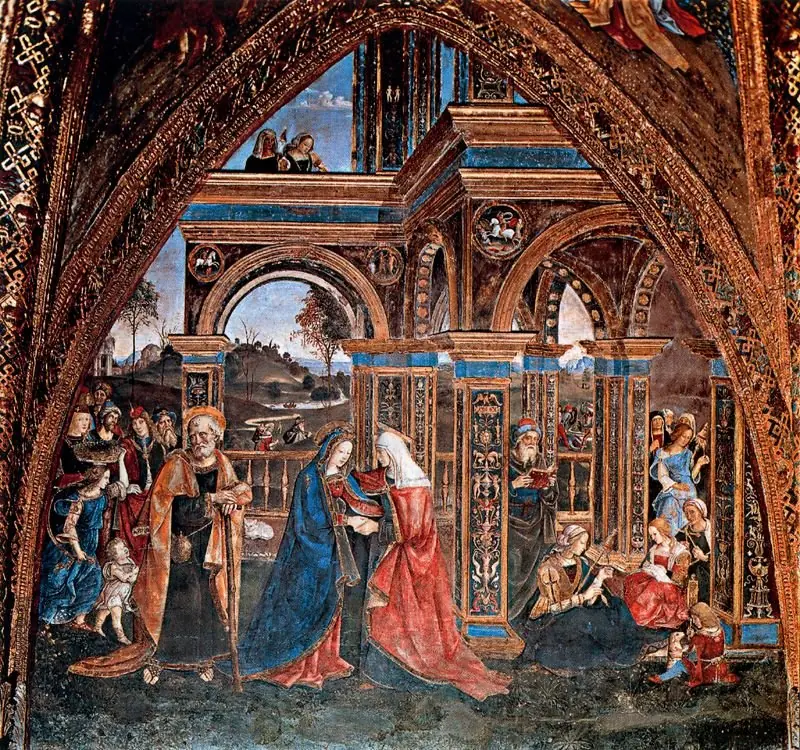 Visitation
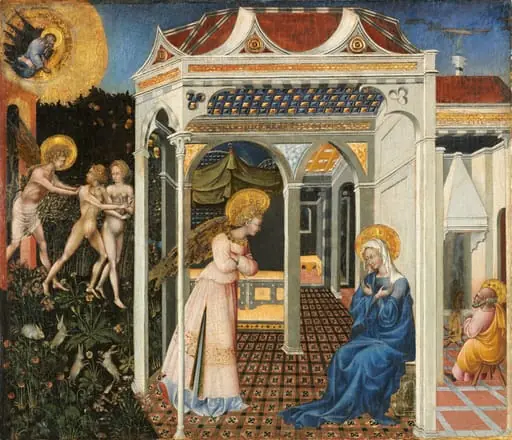 The Annunciation and Expulsion from Paradise
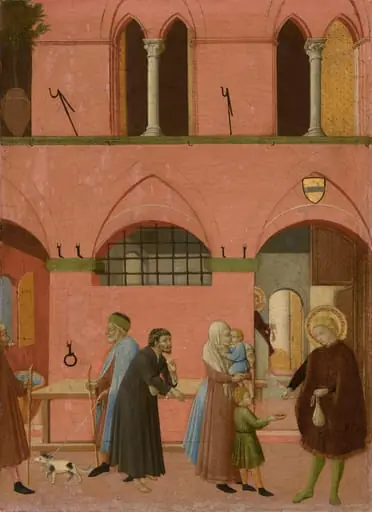 Saint Anthony Distributing His Wealth to the Poor
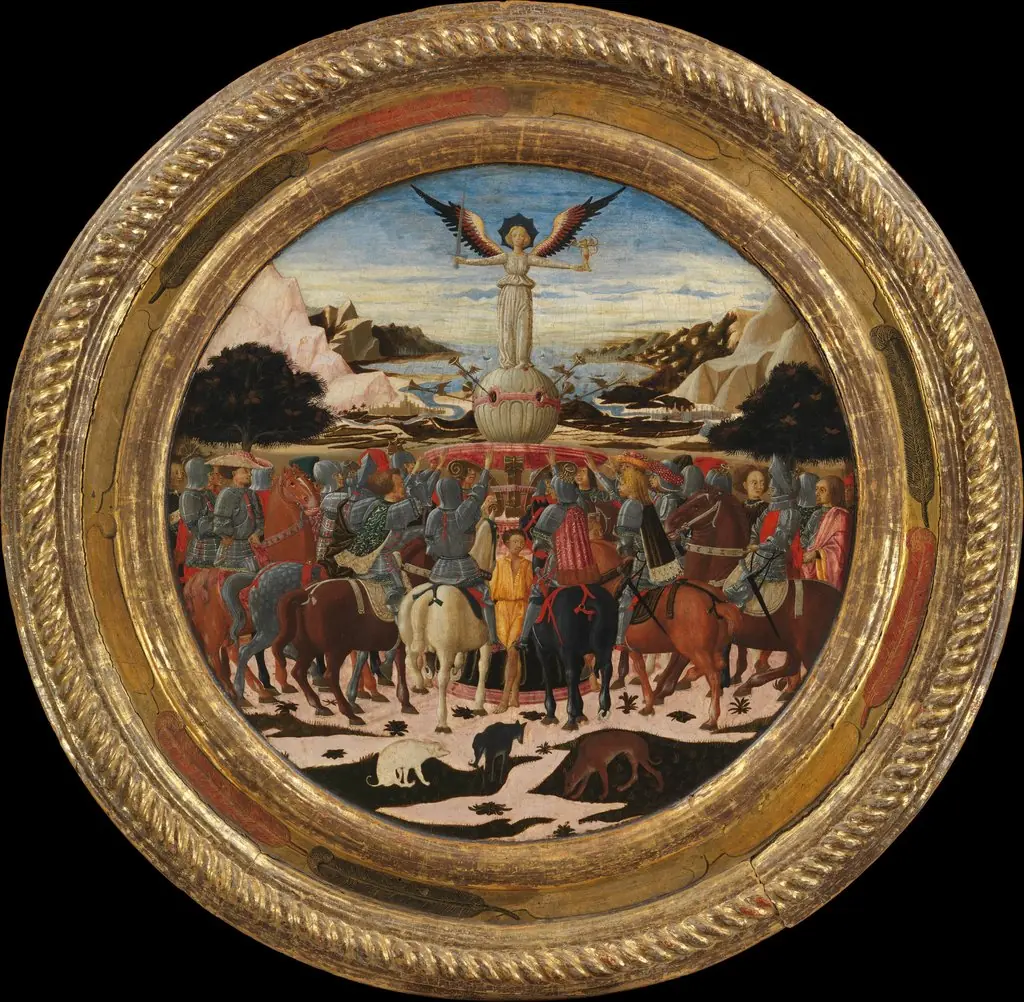 The Triumph of Fame
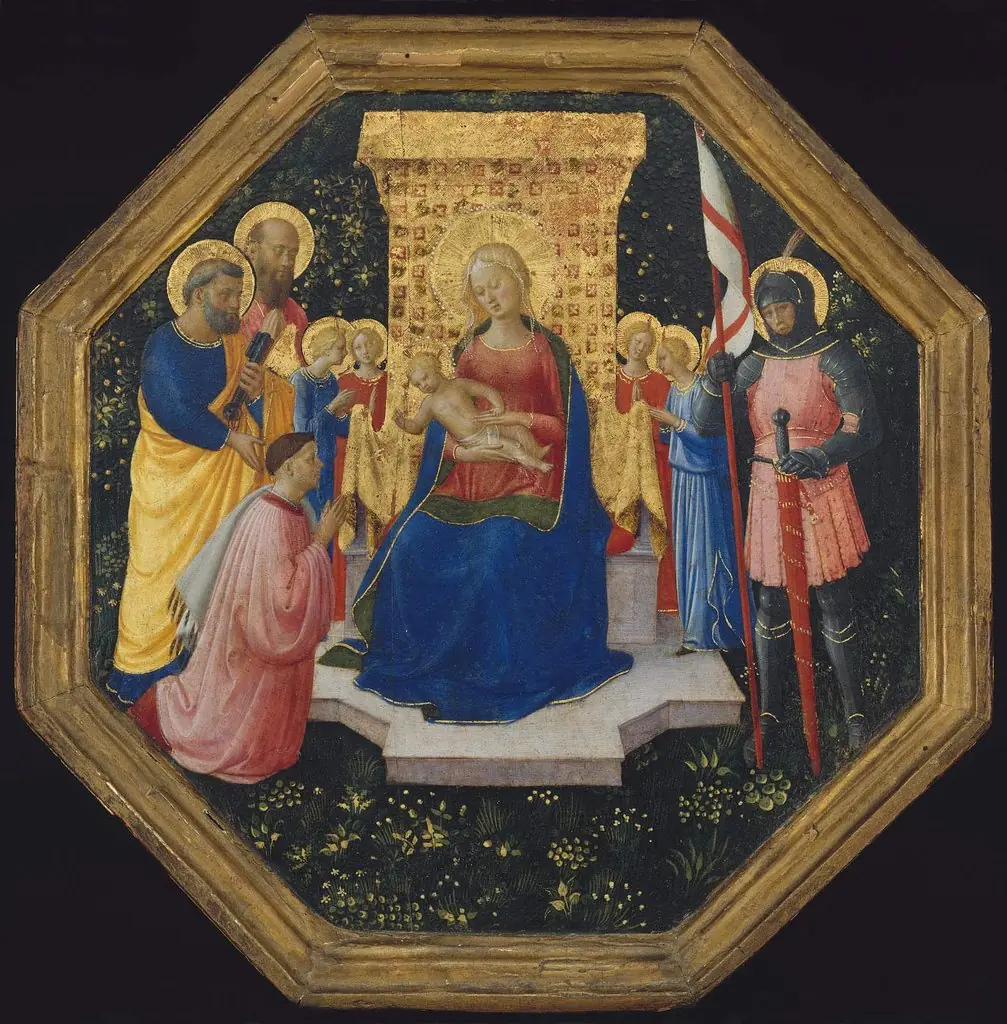 Virgin and Child Enthroned with Saints Peter, Paul and George (?), Four Angels, and a Donor
 The Meeting of Solomon and the Queen of Sheba; Cherub Holding Cornucopias of Cherries (recto and verso)